REVIEW · PALERMO
Palermo: Sicilian cooking class in a small group with ravioli and cannoli
Book on GetYourGuide →Operated by Family Recipe Cooking Class · Bookable on GetYourGuide
Nothing says Sicily like flour on your hands. This small-group Palermo cooking class has you making cannoli and ravioli from scratch, then sitting down to eat what you make with prosecco and stories.
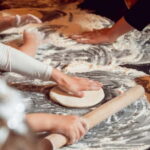
I especially love the hands-on pace. You work the dough yourself, from cannoli dough to filling ricotta, and you learn ravioli technique in a calm, practical way.
One possible drawback: because it’s hands-on and in a small home-style kitchen, it’s not ideal if you want a hands-off tasting tour or ultra-structured, strictly timed sightseeing.
In This Review
- Key things that make this class worth your time
- Why flour-on-your-hands feels like the real Palermo
- Palermo meeting point: near Teatro Massimo, easy to slot in
- Cannoli dough from A to Z: the dessert that sets the tempo
- Fresh ravioli: learn the dough, not just the final plate
- Sauce and ricotta: the Sicilian flavor you can actually repeat
- The meal is part of the teaching, with prosecco and stories
- Photos you keep, recipes to take home, and value beyond the food
- Price and value: €106 per person for a hands-on, all-in afternoon
- Who this Palermo cooking class suits best
- A quick reality check: what to expect during the 3 hours
- Should you book it?
- FAQ
- How long is the Palermo cooking class?
- How many people are in the class?
- What will we cook during the session?
- Is there wine or alcohol included?
- Where do I meet the group?
- Are there age requirements for children?
Key things that make this class worth your time
- Cannoli first: you start with dessert and make your own dough from A to Z
- Ravioli technique, not just assembly: you roll, cut, and learn the dough and sealing process
- Fresh ricotta stuffing: you fill cannoli with ingredients handled and discussed in real-time
- Family-style storytelling with Chiara and Walter: you learn the why behind the how, not just steps
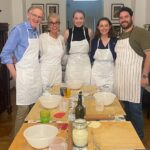
- Small group of up to 6: you get attention while you cook, not just watch
- Photos and recipes after: SLR photos are sent to participants, and you leave with what you made
Why flour-on-your-hands feels like the real Palermo
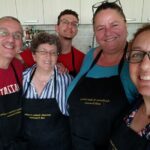
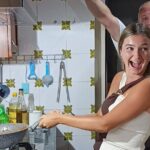
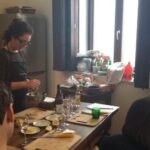
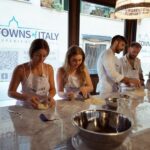
Palermo food classes can turn into a performance. This one doesn’t. The point is simple: you get your hands into the dough and learn Sicilian habits in a space that feels like someone’s kitchen, not a demo studio.
What makes it work is the teaching style. Chiara and Walter guide you through the steps while mixing in family stories and dish history—so you’re not just copying movements. You’re understanding why a tomato sauce tastes the way it does, why pasta dough behaves a certain way, and how people in Sicily actually think about Sunday lunch.
And because it’s small-group, you can ask questions while your dough is still workable. That matters. Fresh pasta doesn’t wait politely while you figure things out.
You can also read our reviews of more tours and experiences in Palermo.
Palermo meeting point: near Teatro Massimo, easy to slot in
You meet a few steps from Teatro Massimo, near Piazza Giuseppe Verdi, then turn into Via dell’Orologio. The address is Via dell’Orologio 44, at Family Recipe.
That location is convenient in two ways. First, it’s central, so you’re not burning time commuting across town. Second, it makes this class a natural afternoon plan: you can see a bit of Palermo before class, then switch gears to cooking without a long logistics headache.
A small note: since some activities are shown in Italian (with English instruction), it helps if you’re comfortable with a mix of languages and learn best by watching hands-on technique.
Cannoli dough from A to Z: the dessert that sets the tempo
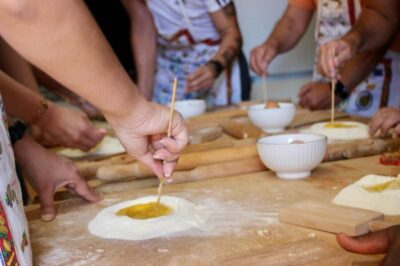
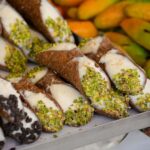
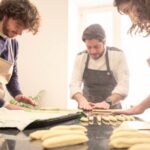
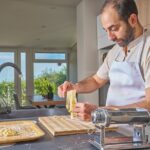
You begin with dessert: cannoli. Everyone creates their own, which means you’re not just learning theory—you’re making something you’ll actually eat.
Here’s what you can expect in practice:
- You make the cannoli dough from scratch, learning the process step by step.
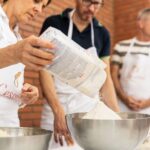
- You work through the texture and handling, including the kind of kneading that turns a sticky mess into pliable dough.
- After forming what needs to be formed, the dough rests in the fridge while you shift to pasta.
That “dessert first” order is clever. Cannoli dough gives you a feel for Sicilian pasta-style technique right away—mixing, handling, and patience. Then, while it rests, you get to focus on the ravioli without rushing the dessert component.
Fresh ravioli: learn the dough, not just the final plate
Next comes the main event: ravioli. The class is designed to teach you how to make ravioli with your own hands, including the dough work and how to get to a finished result you’ll recognize.
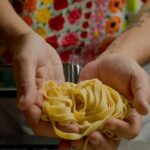
You’ll follow guidance from Chiara and Walter while preparing fresh pasta for ravioli. The class also references tagliatelle as part of the pasta training, so you may see techniques that connect across shapes—same family of dough, different cuts and outcomes.
What I like about this part is that you’re not treated like a passive audience. With a group limited to 6, you can get corrected mid-action. That makes a huge difference when you’re trying to seal ravioli or manage dough thickness.
And if you worry you’re not a natural cook? The feedback you’re given is practical. Even people who said they were not strong bakers still managed to make excellent ravioli and sauce—because the method is taught clearly, and the pacing stays friendly.
Sauce and ricotta: the Sicilian flavor you can actually repeat
Fresh pasta is one thing. Sauce and fillings make it Sicily.
You’ll make a sauce described as grandma’s sauce, and you’ll see how it comes together while you’re cooking rather than after. Several participants highlight the tomato sauce as a standout. The texture, taste, and balance are part technique, part ingredient quality, and part how the kitchen rhythm flows.
Then there’s the cannoli filling. You’ll stuff the cannolo with fresh ricotta, and this is where you feel the difference between a generic dessert and the real deal. Handling the ricotta isn’t just a step—it’s a chance to understand the component that holds the whole dessert together.
One more practical detail: the class is set up so you can eat as you go. That’s huge. Pasta classes that end with cooking only, then serving something else, can feel like work. Here, you taste the results of your labor while everything is at its best.
The meal is part of the teaching, with prosecco and stories
This class isn’t only about food technique. It’s also about the social part of eating in Sicily.
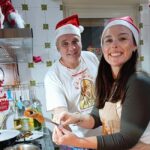
Between courses, Chiara and Walter tell stories about dishes and Sicilian life—so the meal feels like a conversation rather than a task list. People consistently mention the atmosphere as relaxed and welcoming, like cooking with friends.
You’ll sip a glass of prosecco during the class. Prosecco is included (or soft drinks and snacks if you’re not having alcohol), so you get that celebratory touch without needing to order anything separately.
And the pace is intentionally comfortable. You knead, learn, laugh, taste, and then keep going. It’s the kind of schedule that lets you focus on doing, not just rushing toward a finished photo.
Photos you keep, recipes to take home, and value beyond the food
A lot of cooking classes end with a full stomach and nothing to remind you of the steps. Here, you get something more useful.
You receive SLR photographs sent to all participants, which means you can look back at what you made—and show someone back home that you really did roll that dough yourself. On top of that, participants mention getting recipes for the cannoli and fresh pasta ravioli you prepare.
That matters for value. The real win isn’t only tasting a great meal in Palermo. The win is having the instructions and reference points to recreate it later, so your trip keeps giving after you return.
Also, because the group is small and the kitchen setting is intimate, you get better feedback. That feedback turns into better outcomes, and better outcomes mean you’re not walking away disappointed by a clumsy ravioli pile.
Price and value: €106 per person for a hands-on, all-in afternoon
At $106 per person for about 3 hours, this class can look like a splurge. But what you’re paying for isn’t just a plate of food.
You’re paying for:
- A local chef-led class with hands-on preparation
- Tasting of everything you prepare
- Storytelling and cultural context around the dishes
- Prosecco (or soft drinks/snacks)
- All ingredients and what you need for the lesson
- Local taxes
- SLR photos sent afterward
The pricing feels most fair when you think about it as a small private lesson plus a full meal. You’re not only sampling Sicily—you’re making it, and then eating it. And since it’s limited to 6 people, it doesn’t feel like you’re competing for attention.
If you normally prefer long museum days and minimal mess, then $106 for kneading dough might feel like too much. But if you enjoy learning by doing, this price starts to make sense quickly.
Who this Palermo cooking class suits best
This is a strong fit for:
- People who want real local cooking in a home-style setting
- Food lovers who like technique, not just tasting
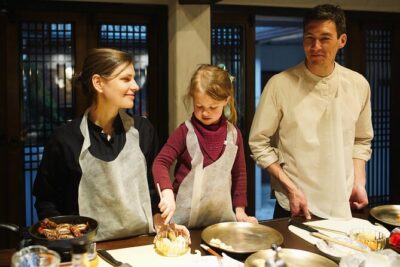
- Anyone traveling with family who wants something interactive (it’s described as family-friendly)
- Couples or small groups who want a more personal experience than the big-tour circuit
It may be less ideal if you want:
- Strictly sightseeing-based activities
- A hands-off experience where you only watch
- A class designed for maximum speed rather than comfort and conversation
Also, if you’re traveling with children under 18, they must be accompanied by a parent or guardian. That’s worth planning for.
A quick reality check: what to expect during the 3 hours
Think of the timing as a loop:
1) Start with cannoli dough creation
2) Let the cannoli dough rest while you move to pasta work
3) Make ravioli and sauce, then sit down to enjoy
4) Finish with the satisfaction of eating what you cooked and taking home what you need to repeat it later
Because it’s a small kitchen environment, you’ll be moving through tasks rather than staying seated the whole time. Wear clothes you don’t mind getting a bit of flour energy on them.
And remember: the language mix is Italian and English. Even if you don’t speak Italian, you’ll learn through demonstration, hands-on coaching, and the fact that the method is taught step by step.
Should you book it?
Yes—if you want Palermo to feel personal, not packaged.
I’d book this class if your ideal day includes learning something you can actually reproduce (fresh pasta technique and cannoli assembly), plus eating a full meal while you hear Sicilian dish stories from Chiara and Walter. The small group size makes it genuinely educational, and the included prosecco and tasting turn it into a complete afternoon plan.
I’d think twice only if you’re looking for a casual food stop with zero cooking involvement. This is a cooking class first. If you’re in for hands-on, you’ll leave with both a memorable meal and real skills.
FAQ
How long is the Palermo cooking class?
It lasts 3 hours.
How many people are in the class?
It’s a small group limited to 6 participants.
What will we cook during the session?
You’ll make cannoli and ravioli (with fresh pasta preparation guided during the class).
Is there wine or alcohol included?
A bottle of prosecco is included (or soft drinks and snacks).
Where do I meet the group?
You meet near Teatro Massimo, close to Piazza Giuseppe Verdi, turning into Via dell’Orologio. The meeting point is Family Recipe at number 44.
Are there age requirements for children?
If there are children under 18 in the family, they must be accompanied by a parent or guardian.