REVIEW · PHUKET
Phuket Thai Cooking Class with Market Tour Option
Book on Viator →Operated by Phuket Thai Cooking Class by Chef VJ · Bookable on Viator
Thai food gets easier when you cook it yourself. This Phuket class is built around hands-on cooking with a small group, plus optional market time at Mae Somchit Kata Fresh Market. You’ll get clear English instruction from the chef team (including praise for Chef Gigi and her assistant Nid), and you’ll learn what goes into Thai flavor instead of just copying a recipe.
Two things I really like: first, the class starts from scratch cooking habits—especially making curry paste the traditional way using a mortar and pestle, with no MSG and no pre-made shortcut. Second, you’re not left guessing at home; the chefs explain ingredient choices and substitutions when something isn’t available outside Thailand. One possible drawback: the energy level can feel fast-paced and a bit loud, which may not suit you if you’re looking for a very quiet, slow, technical cooking workshop.
You also have a choice: do the full market-and-fruit option, or skip straight to cooking (they bring the market to you). Either way, you’ll leave with a full meal, what you can take home, and recipes emailed after the class.
In This Review
- Quick Highlights
- First Things First: What Makes This Thai Class Worth Your Time
- Market Stop at Mae Somchit Kata Fresh Market (If You Choose the Tour)
- The Curry Paste Moment: Mortar-and-Pestle Skills You’ll Actually Use
- Your Cooking Station Reality: Everyone Cooks, No Sitting Around
- What You’ll Cook: Classic Dishes and Dessert You’ll Remember
- Chef Energy and Teaching Style: Great for Fun, Maybe Fast for Perfectionists
- Logistics That Actually Matter in Phuket: Pickup, Drop-Off, and Timing
- Price and Value: What $65.22 Is Paying For
- Practical Tips Before You Go (So You Enjoy It More)
- Who Should Book This Class in Phuket (and Who Might Skip It)
- Should You Book This Phuket Thai Cooking Class?
- FAQ
- How long is the Phuket Thai cooking class?
- Do I get pickup and drop-off from my hotel?
- Is there an option to visit a market?
- What do you cook in the class?
- Do you make curry paste from scratch?
- Are ingredients and drinks included?
- How do I get the recipes after the class?
- How many people are in the group?
Quick Highlights
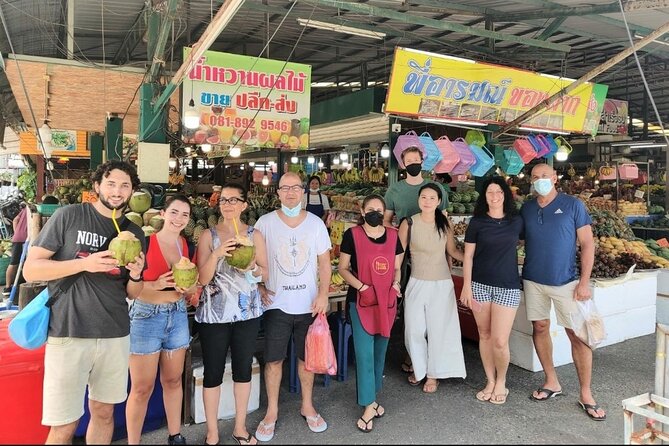
- Market tour at Mae Somchit Kata Fresh Market with fruit tasting (for the tour classes)
- Curry paste from scratch using mortar and pestle, no MSG and no ready-made paste
- Hotel pickup and drop-off in select Phuket areas plus unlimited bottled water, tea, and ground coffee
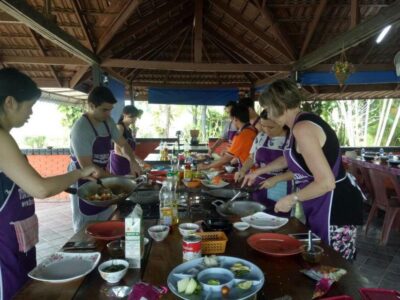
- Everyone cooks at their own station in a clean kitchen setup
- Chef-led step-by-step teaching in English with ingredient replacement tips for home cooking
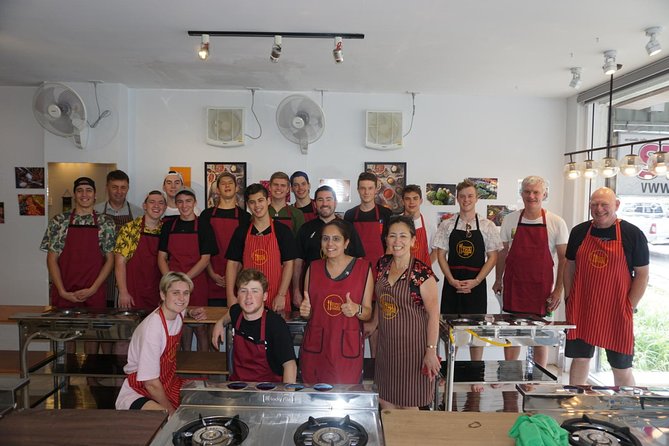
- Max 20 travelers so you’re not lost in a crowd
First Things First: What Makes This Thai Class Worth Your Time
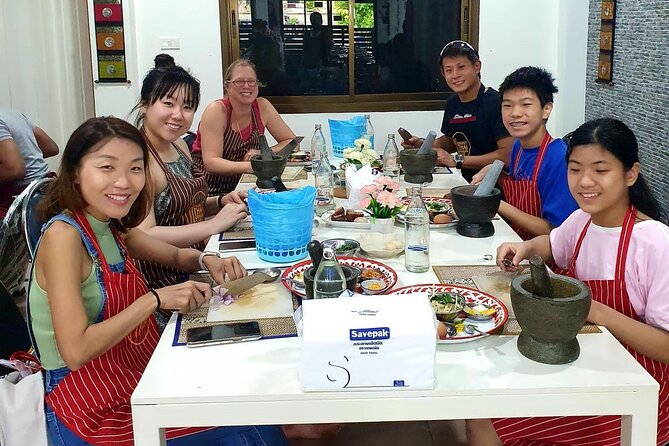
This is the kind of cooking class where you learn by doing, not just watching. You’ll chop, cook, and build dishes in your own spot, so the skills stick—like knowing how Thai herbs smell before you add them, or why the balance of sweet, sour, salty, and heat matters.
I also like that the class is practical about real-world cooking. The chefs explain ingredient roles and offer replacements so you can recreate the flavor back home, even if you can’t find the exact Thai basil, lime, chilies, or other specialty items.
Finally, the setup is designed to be smooth for vacation schedules. You get two class time options, plus pickup and drop-off from certain hotel areas, and the class runs around 3 hours.
You can also read our reviews of more tours and experiences in Phuket.

Market Stop at Mae Somchit Kata Fresh Market (If You Choose the Tour)
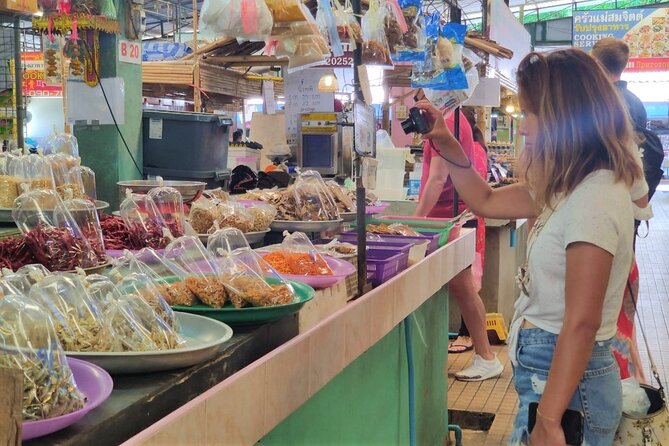
If you pick the option with the market, Stop 1 is Mae Somchit Kata Fresh Market in the Kata area. This isn’t just a quick photo walk. The chefs introduce the ingredients you’ll cook with—so you start connecting what you see on stalls with what ends up on your plate.
In the fruit tasting part, you’ll get a taste of how wild Thai flavors can be. Some guests even reported sampling durian, which is exactly the sort of experience you can’t get from a supermarket aisle.
A useful angle here: the market tour helps you learn what to look for when you’re trying to buy the same ingredients later. You’ll hear introductions to Thai ingredients, and you’ll understand why they’re used—not just what they are.
If you don’t choose the market, you’re not left out. The class says they bring the market to you, with ingredient explanations happening in the cooking session.
The Curry Paste Moment: Mortar-and-Pestle Skills You’ll Actually Use
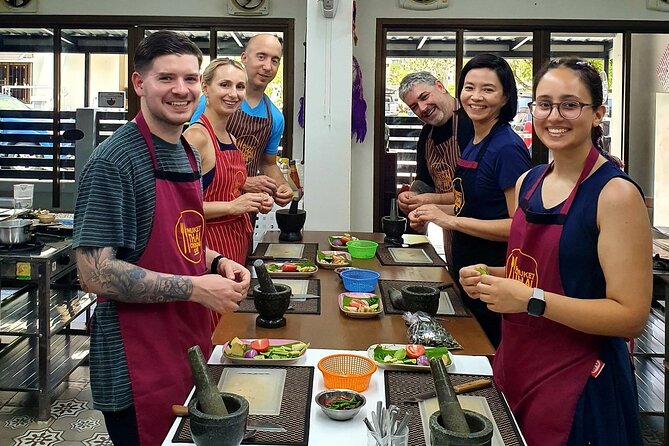
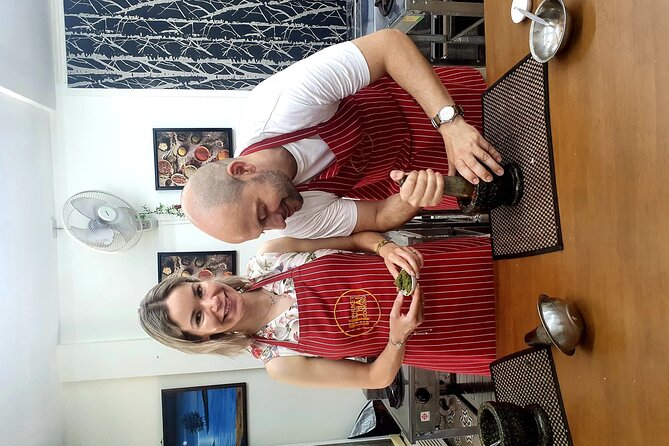
The standout technique is making curry paste from scratch. You’ll do it the traditional way with a mortar and pestle, and the class emphasizes that it’s made without MSG and not from ready-made paste.
Why this matters for you: curry paste is where Thai curry flavor is decided. When you pound the herbs, aromatics, and spices together, you learn the texture shift and the “why” behind the flavor. Even if you never make curry paste again at home, you’ll understand what Thai cooks are doing when they build that intense base.
You’ll also get help with substitutions. The chefs talk about replacing important ingredients if you can’t find them later, which is a big deal if you’re trying to cook Thai food outside Thailand.
Your Cooking Station Reality: Everyone Cooks, No Sitting Around
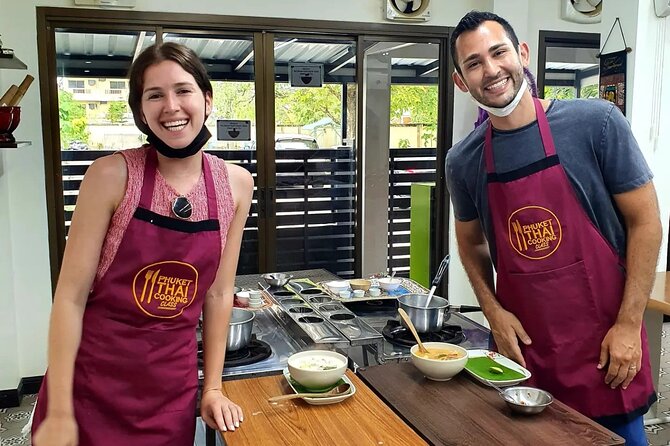
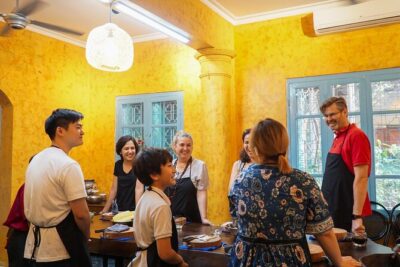
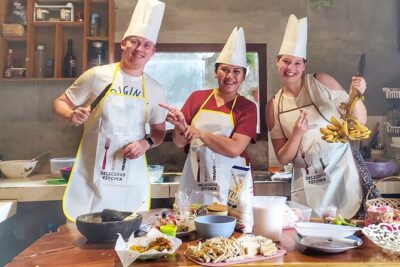
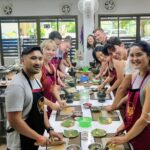
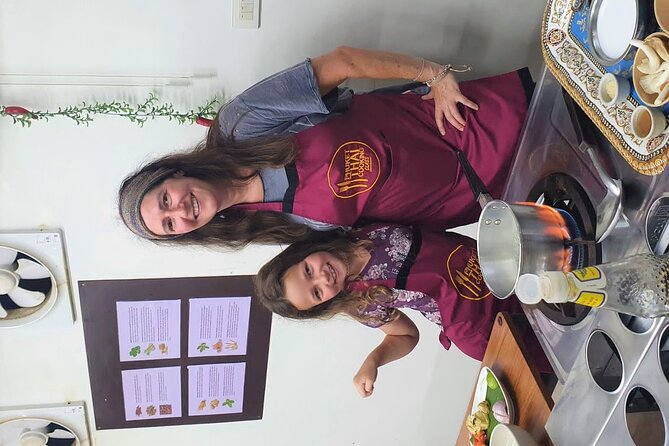
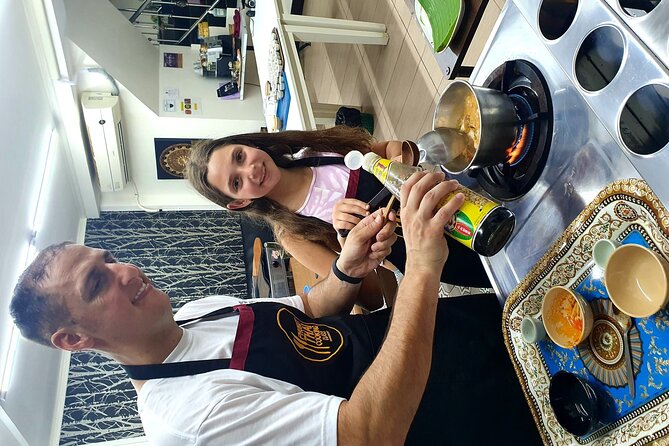
This class is set up for full participation. Each person has their own cooking station, and the instruction is step-by-step in English. In practice, that means you can ask questions as you go—about ingredients, techniques, or what to do when something doesn’t look right.
And it stays interactive. Past guests repeatedly praised how helpful assistants are during prep and cooking. If you’ve ever taken a cooking class where you feel like an extra in the background, this one’s different: you’re chopping and cooking, not just standing nearby.
There’s also a practical meal payoff. You’ll eat what you cook while it’s fresh, and you can take home what you can’t finish.
What You’ll Cook: Classic Dishes and Dessert You’ll Remember
The menu can be adapted to preferences and dietary needs, but what shows up most often in guests’ write-ups are classic Thai favorites. You should expect popular dishes and a real taste of the Thai sweet/sour/salty/heat style.
From reported dishes, you’re likely to see a mix such as:
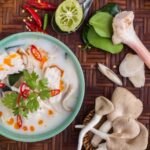
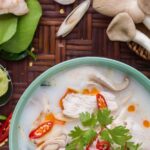
- Tom Yum soup (often with the famous sour-spicy balance)
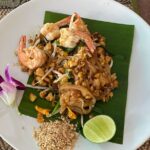
- Pad Thai (the stir-fry noodle classic)
- Thai curry, with options like red or green curry in some sessions, and mentions of Panang curry too
- Dessert like Mango sticky rice, and in some write-ups pineapple sticky rice
One great thing about having multiple dishes is that each one teaches you a different Thai skill. Soup builds understanding of sour and aromatics. Stir-fry noodles teach timing and sauce consistency. Curry teaches paste-to-coconut balance and how spice changes as it cooks.
Also, you’ll likely spend time learning about Thai ingredient basics—herbs, aromatics, and sauces—so you can make choices later without copying blindly.
Chef Energy and Teaching Style: Great for Fun, Maybe Fast for Perfectionists
The teaching team is a key part of the experience. Reviews highlighted Chef Gigi and her assistant Nid, with praise for how organized and engaging the instruction feels. That matches what you’d want on vacation: clear directions, lots of hands-on support, and an upbeat pace that keeps everyone cooking.
One consideration: a smaller number of guests said the class felt a bit too high-energy at times, with a loud and “race-like” vibe rather than quiet concentration on the mortar. If you want a super calm, slow craft session, you might find the momentum a little much.
Also, kitchens are usually busy with prep and multiple stations. One guest did mention the kitchen surfaces seemed to need a deeper clean. That’s not something you can fully verify ahead of time, but it’s fair to keep in mind—especially if hygiene is a top priority for you.
Logistics That Actually Matter in Phuket: Pickup, Drop-Off, and Timing
This is built to be easy on your day. You get free round-trip transfer from select areas including Kata, Kata Noi, Karon, Rawai, Patong, and Nai Harn (with noted minimums for some pickup zones). If you’re near Kamala or Surin Beach, the meeting point shifts to Hard Rock Cafe Patong with a minimum group size.
Class time is about 3 hours, and you get a mobile ticket. Confirmation is received at booking, and recipes are emailed after the session.
For you, the real value is time saved. In Phuket, getting across town can eat hours. Pickup and drop-off means you can plan dinner and beach time without stress.
Price and Value: What $65.22 Is Paying For
At $65.22 per person for about 3 hours, you’re paying for more than recipes. You’re paying for ingredients, a guided market (if you select that option), and the technique of learning curry paste from scratch with mortar and pestle.
Here’s why that’s good value: many cooking classes either overcharge for instruction alone or feel like you’re paying mostly for the final meal. This one includes ingredients, light refreshments, and the structure of learning multiple dishes so the session feels complete.
You also get drinks covered: unlimited bottled water, plus unlimited tea and ground coffee during the course. That reduces the little “vacation add-ons” that add up quickly.
Finally, the included focus on substitution is real value. If you take the class seriously, the recipes emailed after help you reproduce the dishes. If you’re casual, the experience still gives you enough knowledge to order confidently at Thai restaurants later.
Practical Tips Before You Go (So You Enjoy It More)
If you want the smoothest experience, think like a cook for a moment:
- Wear something you don’t mind getting lightly splashed during prep.
- Be ready for hands-on chopping and cooking, not just tasting.
- If you pick the market option, expect to spend real time on ingredients and fruit—not just quick sampling.
- Pace yourself during the meal. Several guests noted there’s a lot of food, and it’s easy to underestimate portion size when everything tastes good.
If you have dietary needs, the class says the menu is adapted to preferences and dietary needs. Still, I’d treat that as something to confirm during booking so the chef can plan what you’ll cook.
Who Should Book This Class in Phuket (and Who Might Skip It)
You should book this if you:
- Want a hands-on Thai food experience in a small group
- Like structured instruction and step-by-step guidance
- Care about learning curry paste and Thai flavor balance, not just “follow the steps”
- Prefer a class with optional market viewing and fruit tasting
You might consider skipping or looking for something else if you:
- Want a very quiet, low-energy workshop
- Are extremely picky about spotless kitchen surfaces and want reassurance beyond what’s provided
- Only want ultra-advanced technique with deep chemistry (this is more about practical home-replicable cooking)
Should You Book This Phuket Thai Cooking Class?
If you like Thai food, this is a strong yes. The class hits the sweet spot of real technique (especially mortar-and-pestle curry paste) and real outcomes (fresh dishes you eat and can take home). The fact that recipes are emailed and chefs explain substitutions makes it more than a one-day souvenir.
Choose the market tour option if you want the full “ingredients to plate” story, including fruit tasting at Mae Somchit Kata Fresh Market. Choose the no-market option if you’d rather get straight into cooking and let the chef explain ingredients inside the kitchen.
If you’re flexible and want an energetic, friendly way to learn Thai cooking, this is one of the easier “do it in Phuket” choices.
FAQ
How long is the Phuket Thai cooking class?
The class runs for about 3 hours (approximately).
Do I get pickup and drop-off from my hotel?
Pickup and drop-off are included for select Phuket areas, including Kata, Kata Noi, Karon, Rawai, Patong, and Nai Harn, with some minimum-group conditions. Meeting points can change for Kamala and Surin Beach.
Is there an option to visit a market?
Yes. Some class times include a market visit and fruit tasting. For classes without the market tour, the class explains ingredients in the cooking session instead.
What do you cook in the class?
You’ll cook multiple classic Thai dishes, and the menu can be adapted to preferences and dietary needs. Dishes mentioned in class write-ups include items like Tom Yum soup, Pad Thai, Thai curry (red/green or Panang), and sticky rice dessert (such as mango or pineapple).
Do you make curry paste from scratch?
Yes. You’ll make curry paste from scratch using a mortar and pestle, and the class states it is made without MSG and not from ready-made paste.
Are ingredients and drinks included?
Yes. The class includes ingredients, light refreshments, and free unlimited bottled water, plus unlimited tea and ground coffee during the course.
How do I get the recipes after the class?
Recipes are emailed to you after the cooking session.
How many people are in the group?
The experience is capped at a maximum of 20 travelers.