REVIEW · SAMARKAND
Cooking Class in the Village with Local Family in Samarkand
Book on Viator →Operated by Navruz · Bookable on Viator
Five hours can change how you taste a city. This Samarkand experience mixes market time with an at-home cooking lesson, then wraps it up with village culture beyond the kitchen. You start with a real local bazaar stop, so you understand what you’re buying and why, before you roll up your sleeves.
Two things I like a lot: the hands-on, step-by-step cooking taught by hosts such as Goli and Gulrux, and the real family interaction that turns food into conversation, not a scripted demo. One possible drawback: the pace can feel slow and cozy, so if you want intense, nonstop activity (like collecting firewood or lots of dough work), you may want to ask what tasks you can do during your session.
In This Review
- Key highlights to know before you go
- Why Start at a Samarkand Bazaar Before You Cook?
- Hotel Pickup and the Drive to the Village: Where the Day Builds
- In the Kitchen With a Local Family: Plov, Samsa, and Friends
- Bazaar-to-Home Ingredient Choices: A Practical Shortcut for Better Cooking
- Konigil Paper, Oil Meal, and Pottery: The Craft Stops That Add Depth
- Timing, Pace, and What to Expect From a 5-Hour Session
- Price and Value: Is $65 Per Person a Fair Deal?
- Who Should Book This Samarkand Cooking Day?
- Small Logistics That Matter (Without Making It Complicated)
- Should You Book This Cooking Class in Samarkand?
- FAQ
- How long is the cooking class experience?
- Is hotel pickup included?
- Is this a private tour?
- What time of day does it run?
- What will we do before cooking?
- Can I get a full refund if I cancel?
Key highlights to know before you go
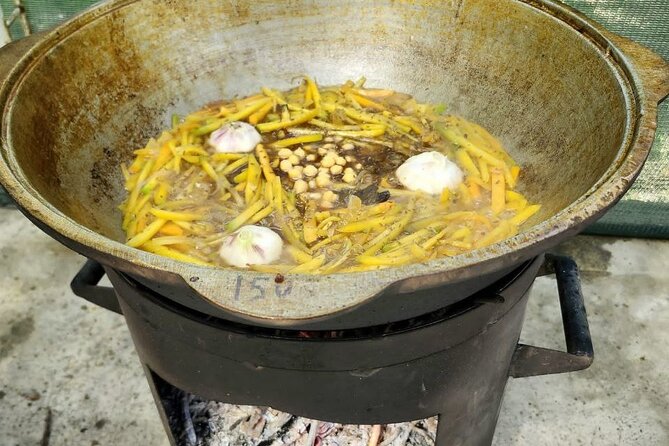
- Bazaar-first approach: you shop for fresh ingredients before the cooking starts
- Home-style instruction: Uzbek favorites like plov and samsa are taught in a family setting
- Flexible start, fixed total time: the starting hour can be adjusted, with the day running about 5 hours
- Family culture, not just recipes: conversation and daily-life details come with the meal work
- Optional craft stops in the village area: Konigil paper and an oil meal/pottery workshop may be part of your route
- Private, just your group: pickup plus a calmer setting for questions and dietary requests
Why Start at a Samarkand Bazaar Before You Cook?
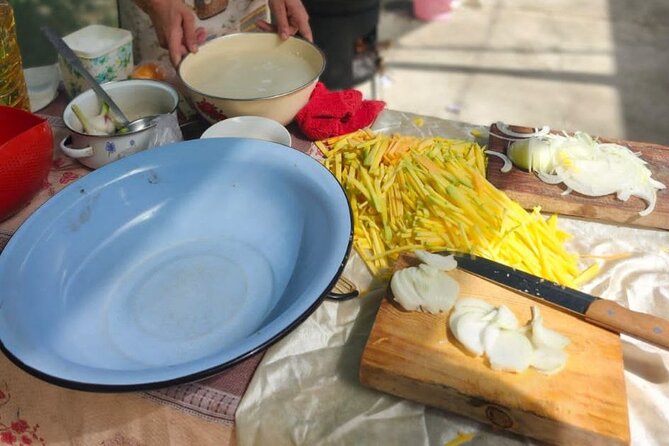
Starting at the bazaar is the smartest part of this class. You’re not only learning recipes, you’re learning how Uzbek cooks choose ingredients in the first place.
You’ll stroll through colorful stalls, ask questions, and get a feel for what’s fresh. Then you carry that momentum into the kitchen, where it actually matters. This matters for two reasons:
First, it helps you understand ingredients like rice quality for plov, and the different kinds of flour used for pastry work like samsa. Second, it makes the cooking feel grounded. You’re not following a set of pictures. You’re cooking food your host recognizes as normal, everyday food.
If you have dietary preferences, bring them up early. In past sessions, families have been able to consider vegetarian requests while planning the cooking.
You can also read our reviews of more tours and experiences in Samarkand.
Hotel Pickup and the Drive to the Village: Where the Day Builds
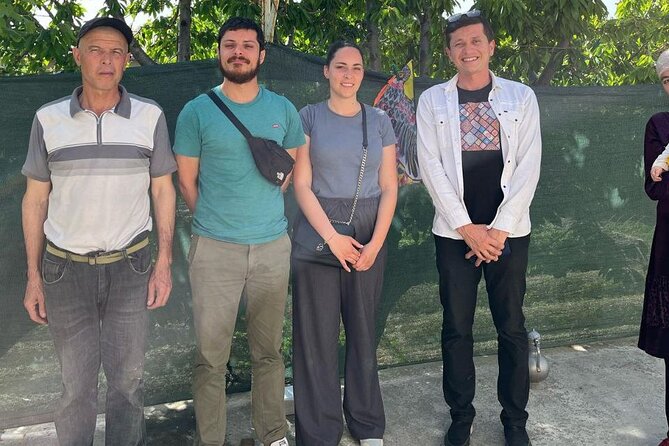
The day is set up around convenience. You get pickup from your hotel, and the starting time is flexible. That flexibility is handy in Samarkand, where sights often run late and plans can shift.
The trip from the city to the village is more than “getting there.” It’s part of what makes the lesson feel authentic. You’ll transition from tourist Samarkand energy to the calmer rhythm of daily village life. That shift is usually when you start relaxing and thinking like a cook: what needs time, what needs heat, and what needs hands.
You can expect the full experience to last about 5 hours. Plan around it like a meal plus cultural time, not like a quick workshop. This is a sit-down day.
In the Kitchen With a Local Family: Plov, Samsa, and Friends
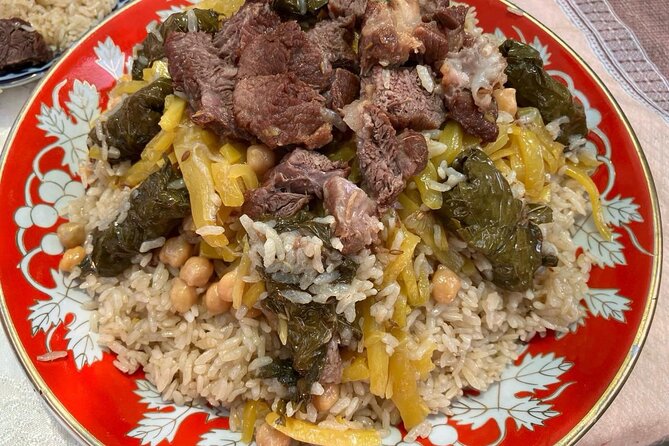
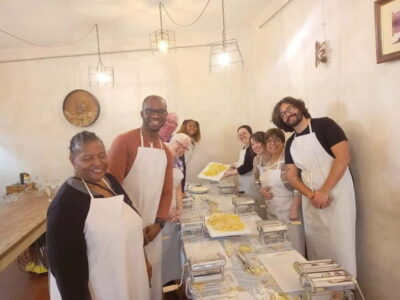
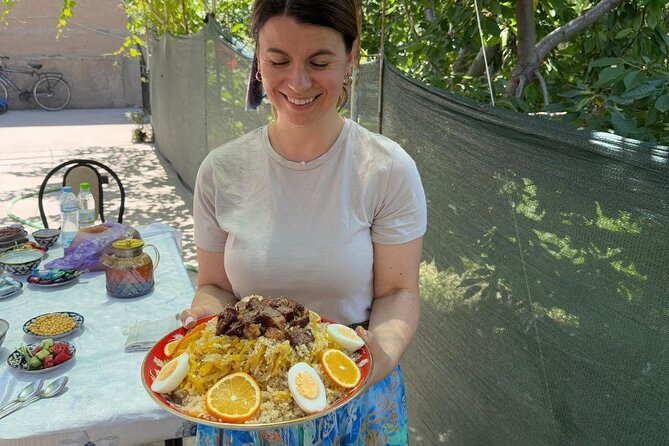
This is a cooking class, but it’s also a household experience. You’re hosted in a local family home, and you cook Uzbek dishes together.
The menu can vary by household and season, but the classics to look for include:
- plov (rice pilaf)
- shashlik (grilled meat)
- samsa (savory pastries)
- and, in some sessions, dishes like manti and dolma
What I find most valuable is the teaching style. Hosts tend to explain step-by-step in a way that makes complex dishes feel less mysterious. One host, Gulrux, was noted for very good English and clear instruction, which makes it easier if your Uzbek or Russian is limited.
You’ll also get the “how it really works” side of cooking. Like when someone shows you how to judge doneness by sight and smell instead of only timers. And because you’re in a family home, you’ll see the small routines that commercial cooking classes usually skip.
One important note: this isn’t always an extreme workout. Some participants wanted even more involvement, like additional outdoor tasks or more intensive hands-on dough work. If that’s your preference, ask your host on the day what you can do beyond cooking, such as extra prep steps.
Bazaar-to-Home Ingredient Choices: A Practical Shortcut for Better Cooking
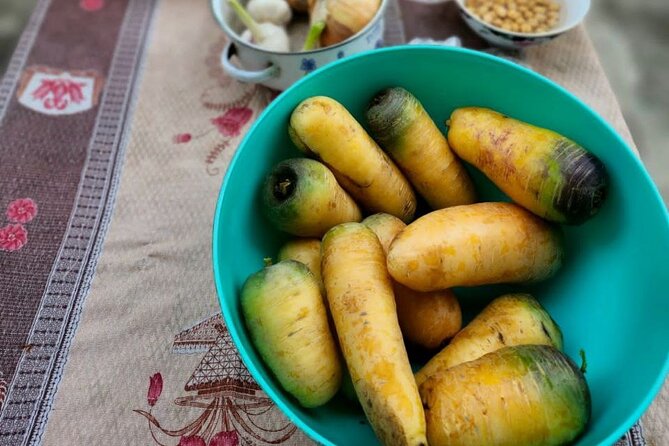
The bazaar stop turns into a practical advantage. You learn how ingredients connect to technique.
Here are a few ways this helps you, even if you never cook in Uzbekistan again:
- You’ll understand the rice logic in plov: rice isn’t just rice. You’ll see that the right type matters for texture.
- Pastry work makes sense when you buy the flour and fillings fresh: you learn how to plan for dough consistency and filling balance.
- You’ll get used to seasoning as a process: it’s not only spice blends. It’s timing, fat, and heat.
If you’re vegetarian or have restrictions, the bazaar approach gives the family room to adjust. In past sessions, hosts adapted for vegetarian preferences. Still, confirm your needs early so the household can plan the ingredient sourcing properly.
Konigil Paper, Oil Meal, and Pottery: The Craft Stops That Add Depth
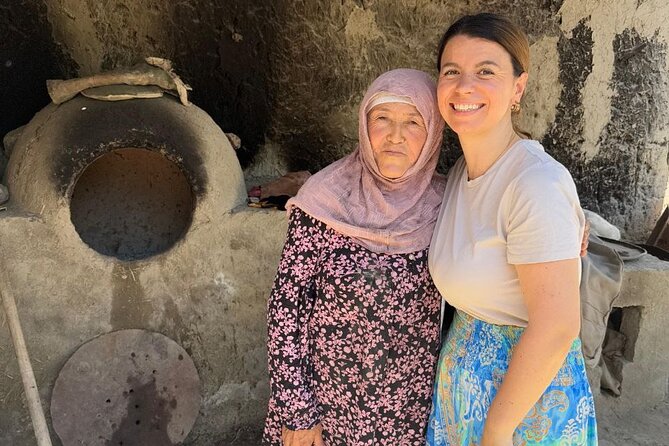
A big reason this experience feels more than just food is the added village context. The program can include stops connected to local crafts, such as:
- the Konigil paper factory
- an oil meal (oil-related processing) workshop
- and a pottery workshop
Not every cooking day has to explain how paper, oil work, or pottery fits into daily life. This one tries. And even though these craft stops aren’t described in extreme detail here, they add a strong sense of place. You see local materials and local labor, which makes the kitchen feel less like a performance and more like part of a whole community system.
If you enjoy small, practical culture stops—places where people make things with their hands—you’ll probably appreciate these.
The only consideration: if you’re short on time or you dislike workshop-style visits, you may want to focus on the kitchen portion and keep expectations realistic about how much time each stop takes.
Timing, Pace, and What to Expect From a 5-Hour Session
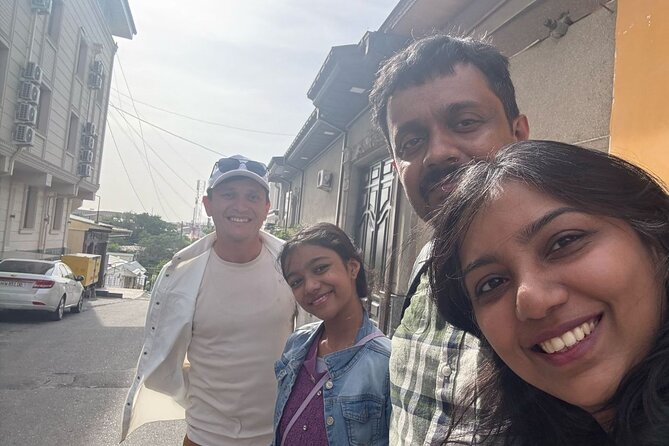
The total duration is about 5 hours, and the starting time is flexible. Opening hours run daily from 9:00 AM to 10:00 PM, so you can often pick a time that works with your Samarkand schedule.
As for pace, the most common theme from people who enjoyed it is that it feels relaxed and slow in a good way. The family atmosphere takes time. Cooking takes time too, especially for dishes that require layering, resting, or careful heat control.
This is a good match if you want:
- conversation with locals
- time to ask questions
- a kitchen rhythm you can actually follow
It may be less ideal if you want a fast, tick-box schedule with lots of quick photo moments.
In practical terms, wear comfortable shoes. You’ll be moving between market, transport, and a home kitchen. Also, expect the session to run like a day shared, not like a factory lesson.
Price and Value: Is $65 Per Person a Fair Deal?
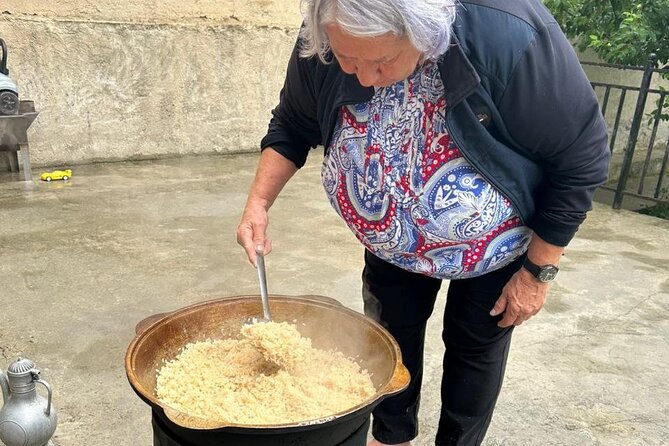
At $65 per person, this class sits in the “worth it if you care about real food culture” range.
Here’s why it can be good value:
- Private setup: it’s only your group. You’re not sharing the home experience with strangers.
- Hotel pickup: that reduces the hassle and time cost.
- You learn multiple dishes or key techniques: even when the menu varies, you’re usually not getting only one quick recipe.
- You get the family side: conversations, customs, and daily-life context aren’t easy to replace with a generic cooking demo.
Where value can drop for some people:
- If you expected a very structured, rapid-fire cooking workshop with minimal cultural chat, you might feel the pace is too slow.
- If you’re only interested in one specific dish, ask early which dishes are most likely during your session so expectations match the day.
Booked about 9 days in advance on average means demand is real. If you’re traveling during a busy period, plan sooner rather than later.
Who Should Book This Samarkand Cooking Day?
This experience is a great fit for you if you:
- want Uzbek food taught in a real household setting
- enjoy markets as part of learning, not just as sightseeing
- like a calmer pace with human conversation
- want a private group experience with pickup
It may not be the best fit if you:
- hate slow meals and long sit-down conversation
- want a very athletic, hands-on day where you do everything from outdoors prep to heavy dough shaping without explanation
- have very strict timing needs and want a precise minute-by-minute schedule
On language: in at least some sessions, hosts like Gulrux were reported to have very good English. That doesn’t guarantee your day will be identical, but it’s a hopeful sign.
Small Logistics That Matter (Without Making It Complicated)
A few details make the experience easier to plan:
- You’ll receive confirmation at booking time.
- You get a mobile ticket.
- It’s near public transportation, though pickup is offered.
- The tour is private, so only your group participates.
- Service animals are allowed.
If you can, message ahead with your dietary preferences, and ask what you’ll be cooking most. That’s the best way to get the day you want.
Should You Book This Cooking Class in Samarkand?
If your goal is to understand Samarkand through the lens of food and daily life, this is a strong choice. The bazaar-to-home flow makes the cooking make sense, and the family setting is where the value really lives. It’s also a good pick when you want something more personal than a big group show.
Book it if you like:
- slow cooking with real instruction
- market searching and ingredient choices
- a household atmosphere where you can ask questions
Skip it or adjust expectations if you want:
- a fast schedule
- heavy outdoor tasks
- only one dish with no extra cultural rhythm
If you’re on the fence, a simple test works well: ask yourself whether you’d rather learn how to cook Uzbek classics in a real home than simply collect a quick recipe card. If the answer is yes, this is your kind of day.
FAQ
How long is the cooking class experience?
It lasts about 5 hours in total.
Is hotel pickup included?
Yes. Pickup is offered from your hotel.
Is this a private tour?
Yes. It is private, and only your group participates.
What time of day does it run?
It operates daily with hours listed from 9:00 AM to 10:00 PM, and the starting time is flexible.
What will we do before cooking?
You’ll first explore a local bazaar to see and source ingredients, then you drive to the village area to cook traditional Samarkand food with a local family.
Can I get a full refund if I cancel?
Yes, you can cancel for a full refund if you cancel at least 24 hours before the experience starts. If you cancel less than 24 hours before, the amount paid is not refunded.