REVIEW · HOI AN
Hoi An: Local Family Cooking Class
Book on GetYourGuide →Operated by Hiep Hoi An Travel · Bookable on GetYourGuide
A home kitchen makes Vietnam feel personal fast. This Hoi An cooking class is built around real recipes, local ingredients, and a relaxed visit to a family’s home where you learn rice milk from a stone grinder and cook dishes like Hoi An papaya salad. The best part is the hands-on feel. The main thing to consider is that it’s not for everyone—there are health and age limits, and you’ll be standing and moving during prep.
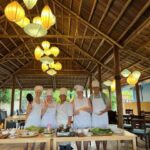
You’ll get picked up by a family driver from your Hoi An hotel area, meet the family with a welcome drink, and then get cooking with an English-speaking guide. It’s a group tour, but they split you into smaller groups (around 12), so it doesn’t feel like one giant classroom. If you’re hoping for a quiet, hands-off tasting tour, this one is more active than that.
In This Review
- Key Things You’ll Remember
- Getting to a Local Home With a Hoi An Driver and Welcome Drink
- A note about pickup outside Hoi An
- What You’ll Cook: Rice Milk, Hoi An Pancake, Spring Rolls, and Papaya Salad
- Rice milk using the traditional stone-grinder method
- Hoi An pancake (made with rice milk, plus pork/shrimp/beansprout)
- Hoi An spring rolls with a mixed filling
- Papaya salad (with papaya, carrot, onion, banana flowers)
- Sautéed chicken with garlic, black pepper, spring onion, and mushroom
- Morning glory or okra fried with garlic and black pepper
- How the Class Works: English Guide, Hands-On Cooking, and Group Splitting
- Practical expectation: you’ll learn by doing
- Lunch or Dinner With the Family Table: Eating What You Cook
- If you’re sensitive to spice or strong flavors
- Food Options and Swaps That Actually Help (Vegan, Vegetarian, and More)
- Allergies and restrictions
- Children under 3
- Practical Tips: What to Bring and What Helps You Enjoy It
- Wear-and-go clothing advice
- Price and Value: How $27 Works Here (and What Adds Cost)
- Who Should Book This Class (and Who Might Want to Skip It)
- Should You Book This Hoi An Local Family Cooking Class?
- FAQ
- How long is the Hoi An local family cooking class?
- What time options are available?
- Is pickup included, and what if I’m in Da Nang?
- Does the price include lunch or dinner?
- Can I get a vegan or vegetarian option?
- Is the tour private?
- What dishes are included in the menu?
- What should I bring?
- Is it suitable for kids or older guests?
- Can I cancel or pay later?
Key Things You’ll Remember
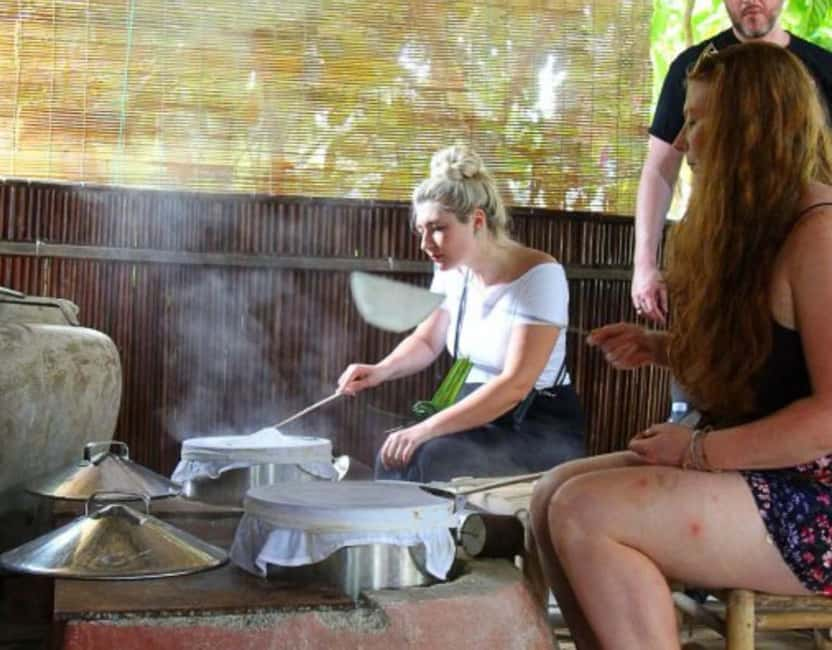
- Stone-ground rice milk: Traditional method with a unique stone grinder
- Step-by-step Hoi An dishes: Pancake, spring rolls, papaya salad, and more
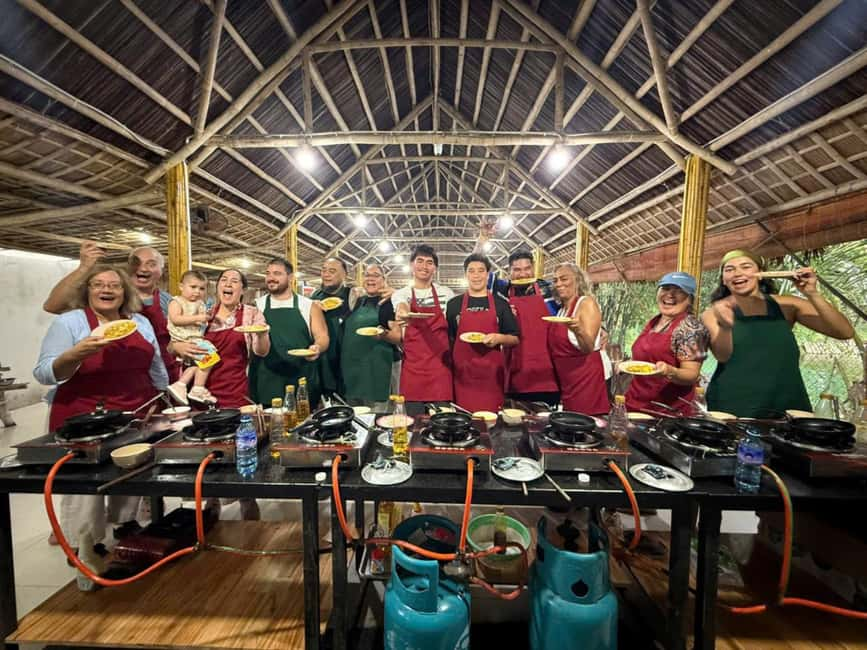
- Small-group feel: Split into crews of about 12 participants
- Lunch or dinner with the family: You eat what you cook
- Dietary swaps that are practical: Vegan/vegetarian options and chicken replacements
Getting to a Local Home With a Hoi An Driver and Welcome Drink
This class starts with a straight shot from your hotel area in Hoi An ancient town. A family driver picks you up and takes you directly to their home. That matters more than it sounds: the “getting there” time is kept simple so you can focus on the cooking, not transportation stress.
When you arrive, there’s usually a short welcome moment with a drink from the family, plus a little time to relax before the lesson starts. Think of it as a soft landing. You’re entering someone’s home, not a restaurant kitchen, so being calm helps. You’ll also get a chance to settle in before the pace picks up.
The tour runs 150 minutes total, and the timing depends on which session you book:
- Morning: 10:00am–12:30pm
- Afternoon: 3:45pm–6:30pm
Plan to wear comfortable shoes. The class isn’t described as a sit-only experience, and you’ll move around during prep and cooking.
You can also read our reviews of more tours and experiences in Hoi An.

A note about pickup outside Hoi An
If you’re staying in Da Nang city or outside the Hoi An city center, there’s an extra fee: 300,000 VND (about $12.50) one way, for 2–3 pax sharing. If you’re in that zone, it’s worth confirming how sharing will work when you book.
What You’ll Cook: Rice Milk, Hoi An Pancake, Spring Rolls, and Papaya Salad
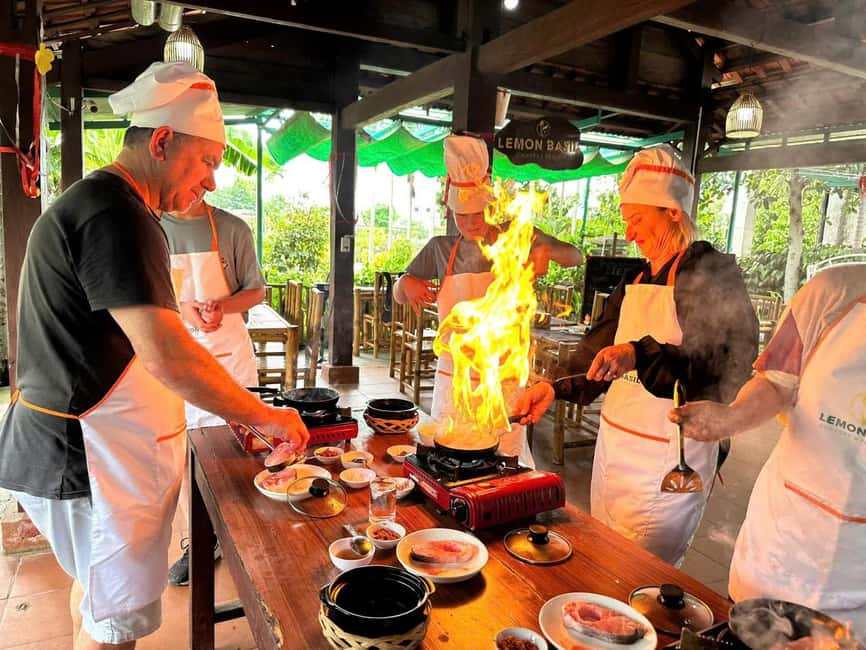
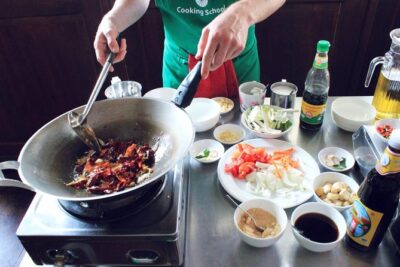
This is a proper Vietnamese cooking class, not just a demo. The menu is designed so you build skills step by step—mixing, rolling, frying, and balancing flavors—then you eat the results.
Here’s what you can expect to learn during the lesson:
Rice milk using the traditional stone-grinder method
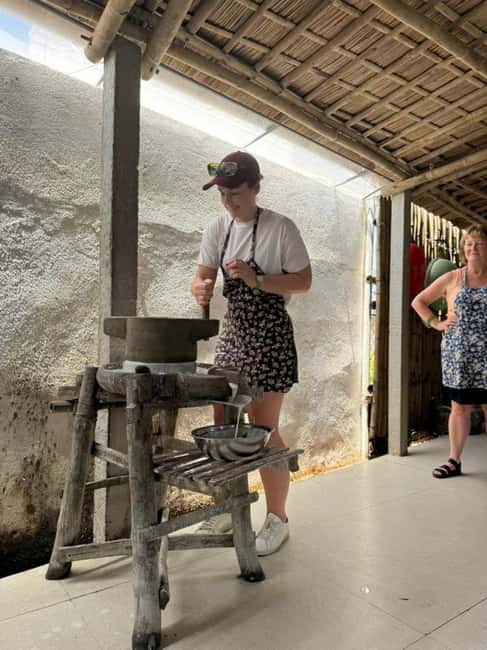
This is one of the most interesting parts of the whole experience. Instead of starting with carton milk or a shortcut, you’re making rice milk the traditional way with a stone grinder. That gives you a real feel for how Vietnamese home cooks prepare foundational ingredients.
Why it’s valuable for you: once you know how rice milk is made from scratch, you start understanding why Vietnamese dishes taste the way they do. It also gives you a “wow” story to recreate later.
Hoi An pancake (made with rice milk, plus pork/shrimp/beansprout)
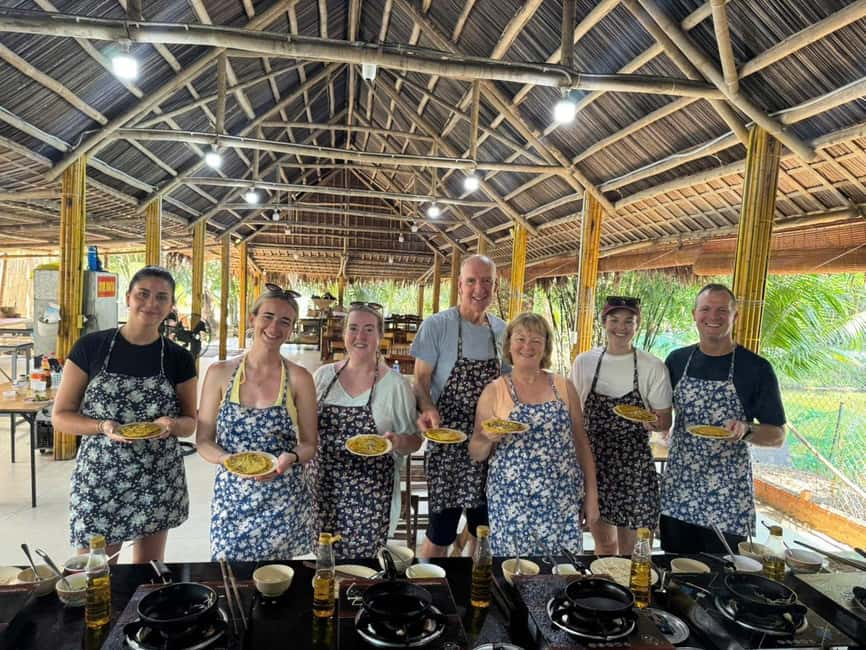
You’ll make a Hoi An pancake using rice milk along with ingredients like pork, shrimp, and bean sprouts (plus other components in the dish). This one helps you practice batter/mixture handling and cooking timing.
If you love savory crepes or pan-fried snacks, this is a key dish to take notes on. The pancake is also a good bridge between “simple home cooking” and “specific regional identity,” because Hoi An has its own signature style.
Hoi An spring rolls with a mixed filling
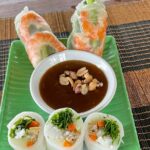
You’ll learn Hoi An spring rolls with filling components such as mushroom, carrot, spring onion, taro, and pork. Spring rolls teach more than rolling technique. They help you understand how fillings are built for flavor balance and texture.
If you tend to get spring rolls that split or don’t fry right, this is where you’ll likely pick up the practical fixes (ingredient handling and assembly).
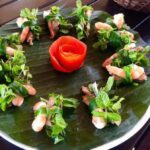
Papaya salad (with papaya, carrot, onion, banana flowers)
Then comes one of Vietnam’s classic flavor challenges: Hoi An papaya salad with papaya, carrot, onion, and banana flowers. This dish is all about balance—fresh crunch, tang, and a properly seasoned bite.
Even if you’ve had papaya salad before, learning to assemble it in a home kitchen is different. You’ll see how the ingredients are treated and how the final taste is tuned.
Sautéed chicken with garlic, black pepper, spring onion, and mushroom
For the standard menu, you’ll also learn sautéed chicken with chicken, onion, garlic, black pepper, spring onion, and mushroom. This is a classic comfort-style plate that pairs well with steamed rice.
It’s also a handy recipe to recreate at home because the flavor path is straightforward: aromatics, seasoning, then finish with the right texture.
Morning glory or okra fried with garlic and black pepper
You’ll finish with a veggie plate: morning glory or okra fried with garlic and black pepper, served with steamed rice.
Why this matters: many cooking classes stop at the “show dishes.” This one makes sure you can cook a simple vegetable side too, which is what you’ll actually use when you recreate Vietnamese meals at home.
How the Class Works: English Guide, Hands-On Cooking, and Group Splitting
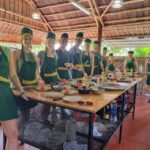
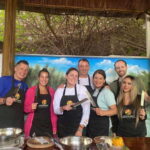
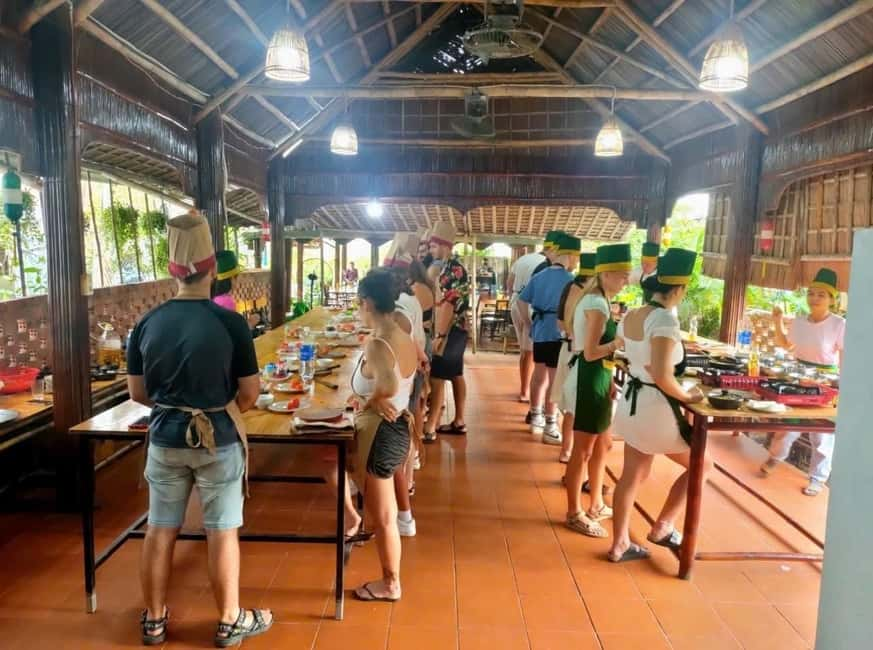
You’ll be with an English-speaking guide, and the tour is listed as a group experience. What you want to know: they split you into smaller groups of about 12 participants, rather than keeping everyone together.
That small-group split changes the vibe. You’ll have a better chance to ask questions, and you’ll spend less time waiting for your turn at the cooking stations. For a cooking class, pacing is everything, and smaller crews make it easier to keep moving.
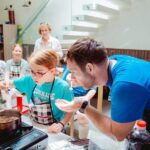
Also, because this is taught in a real home setting, expect a practical flow. You won’t just watch someone else do everything. You’ll be part of the work—prep, mixing, and cooking tasks—based on the menu.
Practical expectation: you’ll learn by doing
The experience is built around “replicate these when back home.” That means the guide’s job is to help you understand how dishes are put together, not just serve finished food.
When you’re planning your day in Hoi An, give yourself a little buffer afterward. Cooking classes can leave you hungry and happy, and you might want time to digest before heading back to the old town.
Lunch or Dinner With the Family Table: Eating What You Cook
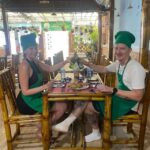
This class includes a meal—traditional lunch (morning tour) or dinner (afternoon tour). The best part is that you enjoy what you have cooked with the family.
That changes the whole point of the class. You’re not just paying for a skill; you’re getting the full loop: learn → cook → eat together. In many cooking experiences, the food ends up being a side. Here, it’s the reward.
You’ll also get a better sense of Vietnamese home dining rhythms. Even without a long lecture, eating as part of the household experience helps you understand portion style and how dishes are meant to be combined.
If you’re sensitive to spice or strong flavors
The provided menu includes black pepper and tangy elements in papaya salad. If you’re cautious, tell the guide about your preferences ahead of time. The instructions say ingredients can be adapted depending on allergies and dietary needs—so they can often help adjust the approach.
Food Options and Swaps That Actually Help (Vegan, Vegetarian, and More)
One of the most useful things about this class is how flexible it is. They explicitly mention:
- Vegan/vegetarian option is available
- Vegans are acceptable
- Chicken can be changed by options like Pho (rice noodle with beef), Hoi An Cao Lau, Mi Quang (Quang noodle), or fish
So even if your meal isn’t “exactly the same protein,” you’re still learning how the dish family works—no sad substitution that ruins the lesson.
Allergies and restrictions
They ask you to let them know about food restrictions or allergies. Also, ingredients can be adapted if you prefer gluten-free or have specific dietary needs.
That’s important. If you’ve ever taken a cooking class where you can’t eat half the food, it’s frustrating. This one is set up so you can participate with fewer surprises.
Children under 3
Children under 3 years old are free of charge, but they will not join in cooking. They also share all service with parents. If you’re traveling with toddlers, this can simplify budgeting.
Practical Tips: What to Bring and What Helps You Enjoy It
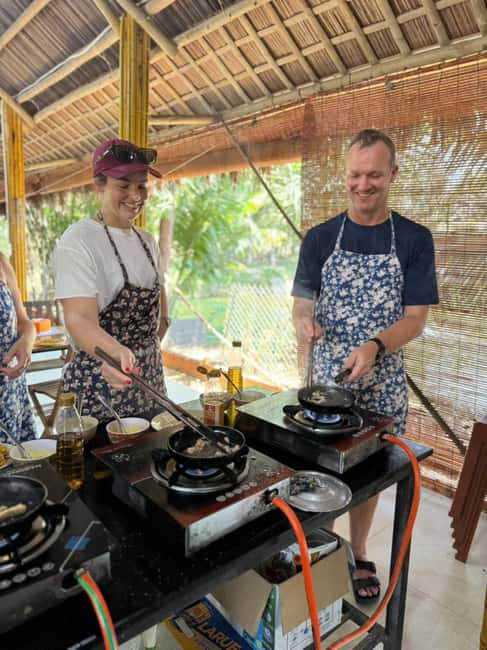
You’ll be given water, so you don’t need to plan a hydration strategy. But you do need to show up prepared for a cooking session.
Bring:
- Comfortable shoes
- Sun hat
- Camera
- Sports shoes (they specifically mention sports shoes)
- Cash (having some on hand can be useful for small purchases or incidentals)
- Outdoor clothing
If you’re the type who likes to capture small details for later, bring something that helps you take notes. The key dishes include multiple components, and being able to review your own photos later makes replication at home easier.
Wear-and-go clothing advice
You’ll likely be handling ingredients and working near heat. So avoid super delicate shoes and anything you hate getting a little mess risk with.
Price and Value: How $27 Works Here (and What Adds Cost)
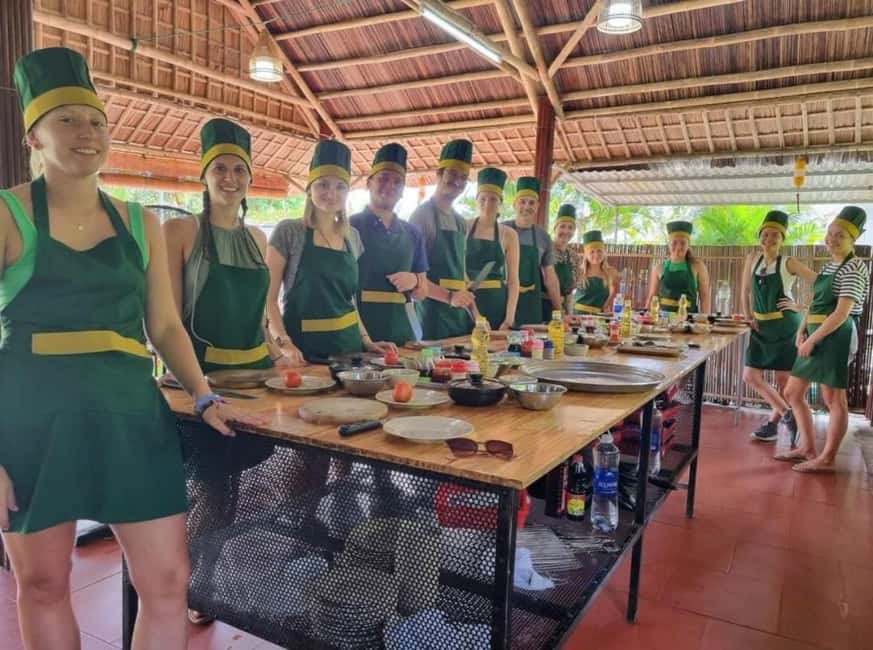
The price is $27 per person for a 150-minute local-family cooking class with pickup/drop-off in Hoi An city center.
What you’re getting in that price:
- Hoi An traditional lunch (morning) or dinner (afternoon)
- Bottled water
- English speaking tour guide
- Pick up & drop off at hotel (selected hotels in Hoi An city center)
- Entrance fee tickets
That’s why this feels like good value. Many cooking classes charge similarly but include fewer “real-world” pieces. Here, the meal is part of it, and the transportation makes it easier to actually attend without extra planning.
What isn’t included:
- Pickup from Da Nang or outside Hoi An city center: 300,000 VND one way, for 2–3 pax sharing
If you’re in Hoi An proper, you’ll likely only need to worry about the small things (water snacks after, tips if you choose, and any personal expenses). If you’re outside the center or in Da Nang, factor that extra transport cost into your total.
Who Should Book This Class (and Who Might Want to Skip It)
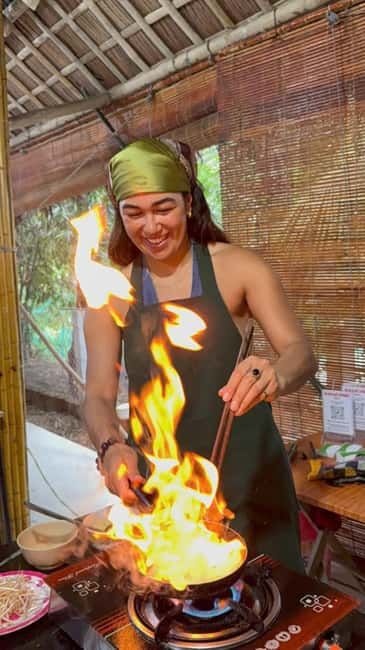
This is a solid fit for you if you want:
- Hands-on Vietnamese cooking, not a passive food walk
- A local home setting, with you eating what you made
- Regional Hoi An dishes like pancake and papaya salad
- A class with diet options and ingredient adjustments
It’s not the best fit if:
- You have heart problems
- You have pre-existing medical conditions
- You’re over 95 years
- You’re looking for a quiet, fully seated experience
Also, because the class includes cooking tasks and time in someone’s home environment, comfortable movement matters. If your mobility is limited, you might want to ask how the tasks are handled in your group.
Should You Book This Hoi An Local Family Cooking Class?
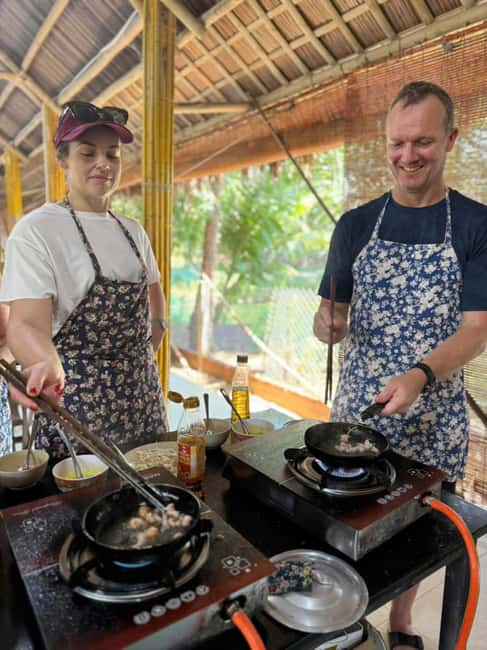
If you’re choosing between a “tasting only” food tour and a cooking class, I’d lean toward this one. The lesson is built around real dishes—rice milk from a stone grinder, Hoi An pancake, spring rolls, papaya salad, and a comforting chicken/veg course—and you eat the results at the family table. That full-cycle format is where the value lives.
Book it if you want to bring Vietnamese flavors home with you in a way that feels doable, not just impressive. Skip or ask extra questions first if you have health concerns, mobility limitations, or you expect a totally hands-off experience.
If you can handle standing, cooking, and strong flavors like black pepper and tangy papaya salad, you’ll likely have a memorable time.
FAQ
How long is the Hoi An local family cooking class?
The class lasts about 150 minutes.
What time options are available?
There are two session options: 10:00am–12:30pm (morning) and 3:45pm–6:30pm (afternoon).
Is pickup included, and what if I’m in Da Nang?
Pickup and drop-off are included from selected hotels in Hoi An city center. If you need pickup from Da Nang or outside Hoi An city center, there is a charge of 300,000 VND (about $12.5) one way for 2–3 pax sharing.
Does the price include lunch or dinner?
Yes. The morning tour includes a traditional lunch, and the afternoon tour includes a dinner.
Can I get a vegan or vegetarian option?
Yes. Vegan/vegetarian options are available, and vegans are accepted.
Is the tour private?
No. It’s a group tour, but it’s split into smaller groups of around 12 participants.
What dishes are included in the menu?
The menu includes rice milk (made traditionally with a stone grinder), Hoi An pancake, Hoi An spring roll, Hoi An papaya salad, sautéed chicken, and morning glory or okra fried with garlic and black pepper (served with steamed rice). Chicken can be swapped with options like Pho, Hoi An Cao Lau, Mi Quang, or fish.
What should I bring?
Bring comfortable shoes, a sun hat, a camera, sports shoes, outdoor clothing, and cash.
Is it suitable for kids or older guests?
Children under 3 are free but will not join in cooking; they share service with parents. It is not suitable for people with heart problems, pre-existing medical conditions, or people over 95 years.
Can I cancel or pay later?
Yes. You can cancel up to 24 hours in advance for a full refund. You can also reserve now and pay later.