REVIEW · OSAKA
Osaka: Japanese Cooking Class with Matcha Experience
Book on GetYourGuide →Operated by Wa Cafe Kitajima Cooking&Matcha Experience in Osaka · Bookable on GetYourGuide
Matcha tastes better when you make it. This hands-on matcha experience plus a chef-led cooking class is a fun way to learn real Osaka-friendly dishes, and the small-group setup (limited to 10) keeps you from getting lost. I also like that support is built in if cooking feels intimidating, with an Osaka mom on hand, and the instruction has enough warmth that even families tend to have an easy time. The one real consideration: it is not suitable for wheelchair users, and it isn’t set up for people with food allergies.
The location is also a practical win. You’re about a 7-minute walk from Morinomiya Station, and you can reach it easily from the Shinsaibashi and Namba area before or after sightseeing.
In just 2 hours, you’ll cook together, learn techniques from a local chef, and leave with dishes you can recreate at home, including the matcha part.
In This Review
- Key things I’d bet on before you book
- Osaka’s 2-hour recipe lesson: what you’re really paying for
- Choosing your dish: home-style, okonomiyaki, or bento
- The matcha-making moment: why it’s worth the time
- Learning with Ikuko and the Osaka mom support system
- Where it is in Osaka: fast access from major sights
- What a typical 2-hour flow feels like
- Small group size: why you feel included instead of shuffled
- Value check: is $64 actually fair?
- Who this Osaka cooking class is best for
- Who should skip it
- Practical tips to get the most out of your class
- Should you book this Osaka cooking class with matcha?
- FAQ
- How long is the Osaka Japanese cooking class with matcha?
- Where does the class start?
- Is transportation included?
- What dishes can I choose from?
- What’s included in the price?
- Do you offer English support?
- How big is the group?
- Can I bring my own ingredients?
- Is this suitable for people with food allergies?
- Is it accessible for wheelchair users?
- What is the cancellation policy?
- Is there a reserve now, pay later option?
Key things I’d bet on before you book
- Matcha isn’t an afterthought: you actually make it as part of the experience, not just observe.
- Pick one dish type: home-cooked dishes, okonomiyaki, or bento, so the class fits different tastes.
- Chef teaching, not a demo: you cook together during the 2 hours.
- English/Japanese support: a host or greeter helps you follow along even if your Japanese is rusty.
- Help for non-cooks: an Osaka mom supports people unfamiliar with cooking.
- A small group pace: capped at 10 participants, so questions are realistic.
Osaka’s 2-hour recipe lesson: what you’re really paying for
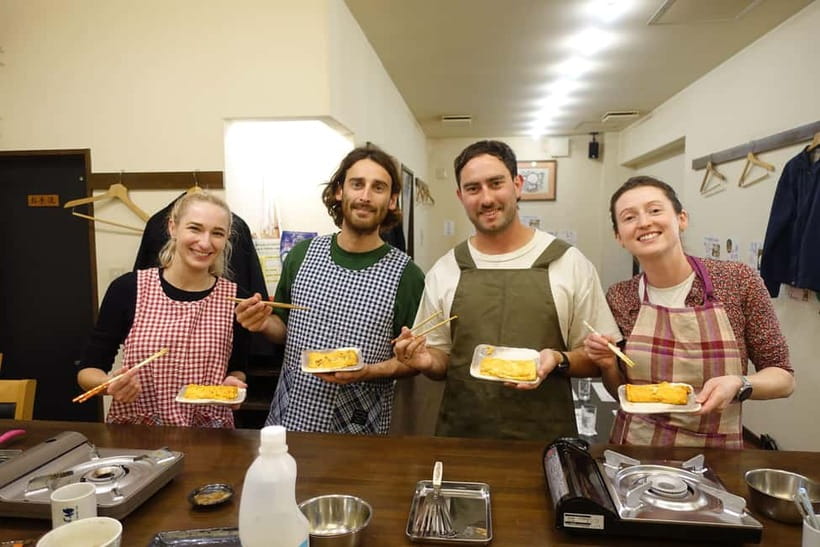
This class is built around two core wins: you get a chef’s guidance in the moment, and you get to make something concrete with your hands. For me, that’s the best kind of travel skill—something you can repeat later without needing fancy equipment or a trip to a special market again.
At $64 per person for a 2-hour experience, the value comes from what’s included. You’re not just paying for someone to talk at you. The class includes the cooking session with a local chef, all ingredients for your chosen dish, and the matcha-making experience. When that’s bundled in, you’re spending money on instruction and time, not on hunting ingredients or piecing together a DIY plan.
The tone also matters. The class is designed for real people in real kitchens, not a formal lecture. That shows in how it’s structured to help less-confident cooks, including support from an Osaka mom.
You can also read our reviews of more tours and experiences in Osaka.
Choosing your dish: home-style, okonomiyaki, or bento
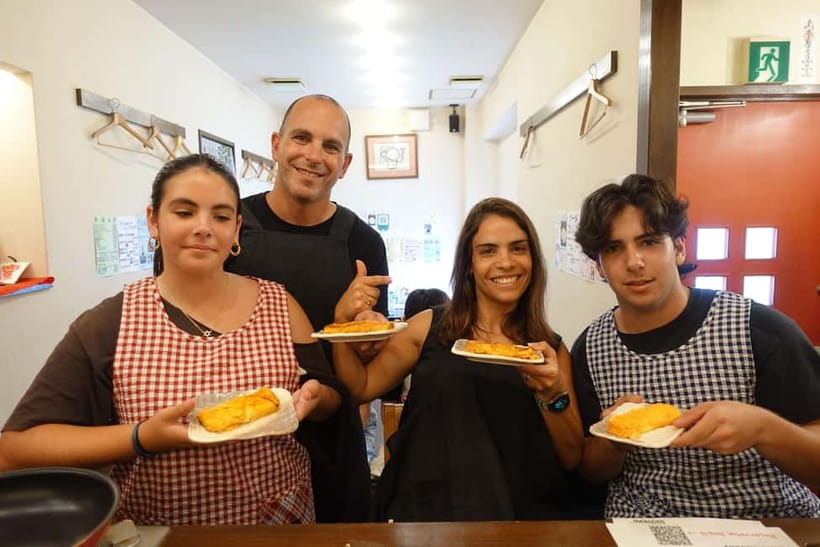
You’ll choose one dish option from three paths:
- home-cooked dishes
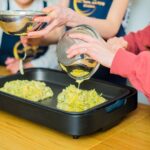
- okonomiyaki
- bento
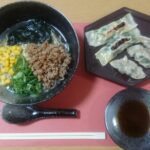
That choice is more important than it looks. If you’re going for broad Japanese comfort cooking, the home-cooked dish option is the easiest to translate back home. If you want something that feels distinctly Osaka, okonomiyaki can be the most memorable route because it’s closely tied to local food culture. If you’re thinking ahead to what you can pack and share later, bento is often the practical pick.
You also get to cook alongside your group rather than watching someone else handle everything. So whichever option you choose, you’re building muscle memory—mixing, preparing, shaping, and using techniques while you learn.
One practical consideration: the activity is not suitable for people with food allergies. That’s a real limiter, so if you’re managing dietary restrictions, you’ll want to think carefully before booking.
The matcha-making moment: why it’s worth the time
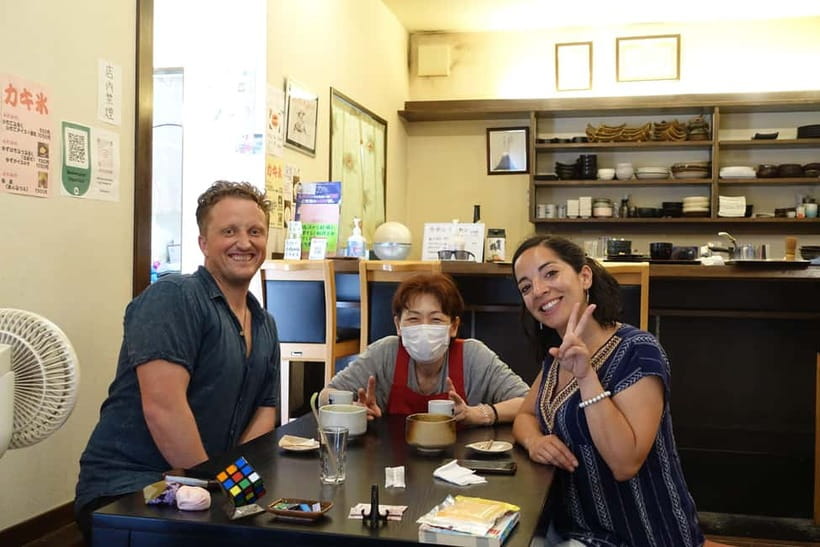
Many food experiences include matcha in name only. Here, the matcha is part of the activity: you get a matcha making experience included.
What makes that valuable is the tactile learning. Matcha has a specific texture and a specific way it’s prepared. Even if you don’t become a tea expert overnight, learning the basic process makes the flavor more understandable later. It also turns the class from a one-time cooking event into something you can keep using after your trip—especially if you like green tea.
And matcha ties the whole experience together. You’re not only learning how Japanese food is cooked; you’re also learning a small piece of how Japanese culture drinks its daily ritual.
Learning with Ikuko and the Osaka mom support system
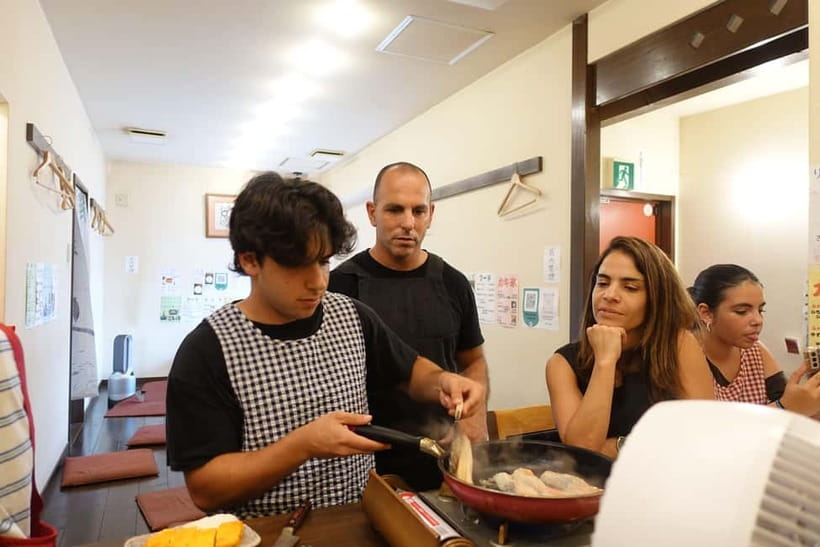
The instruction style matters when you’re cooking in a small group. One name that comes up is Ikuko, who’s described as warm, enthusiastic, and clearly invested in helping people learn. That kind of energy isn’t just nice. It keeps the class moving at a pace where you can actually follow what’s happening.
The class also includes help from an Osaka mom for people who aren’t used to cooking. That support is what turns a cooking class from intimidating into doable. If you’re the type who freezes when you don’t understand the step, this structure is exactly what you want: someone is there to help you land the technique correctly.
Language support is also built in. The host or greeter works in English and Japanese, which is useful for clarifying steps and asking basic questions without feeling rushed.
Where it is in Osaka: fast access from major sights
You’ll be based in Honshu, Japan, and the real-world convenience is strong.
- It’s about a 7-minute walk from Morinomiya Station
- It’s easy to reach from Shinsaibashi and Namba
- It’s also just one station from Osaka Castle Station by JR
That matters because you’re not burning half a day on logistics. You can slot this class before dinner, or treat it like a break in your sightseeing plan.
For arrival, the meeting point is simple: you meet at the location where there is a sign. That’s exactly the kind of detail that saves time when you’re trying to orient in a new area.
What a typical 2-hour flow feels like
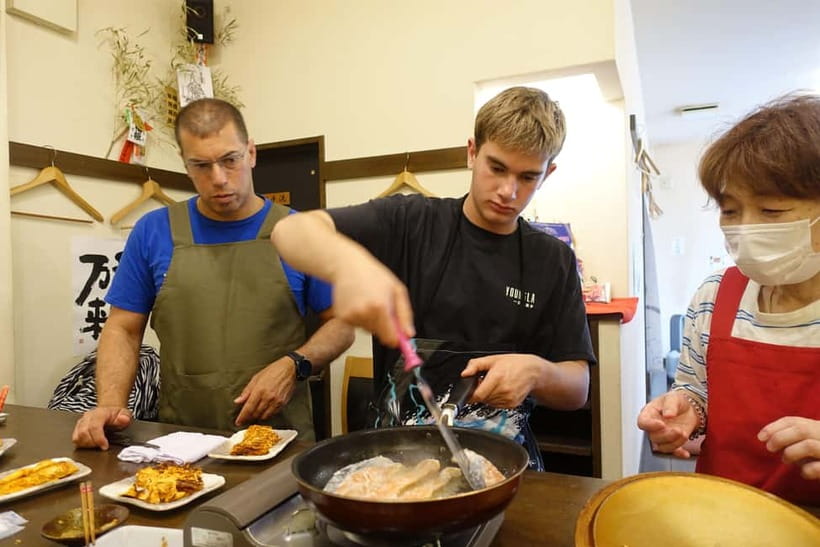
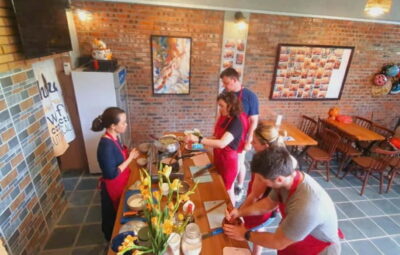
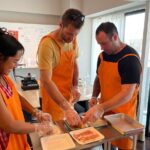
You should expect a lesson that moves in hands-on steps. You’ll start with the chef-led instruction for your chosen dish, then you’ll work alongside your group as you prepare the food. In the middle of the experience, you’ll do the matcha-making component.
Because the group is limited to 10 participants, the class can spend time on technique rather than just throughput. In other words, you’re less likely to get stuck waiting while the instructor moves on to the next step.
Also, cooking classes can either feel chaotic or controlled. Here, the included ingredients help a lot. You’re not missing a key item because you didn’t pack something, and you’re not trying to improvise with random substitutes.
Small group size: why you feel included instead of shuffled
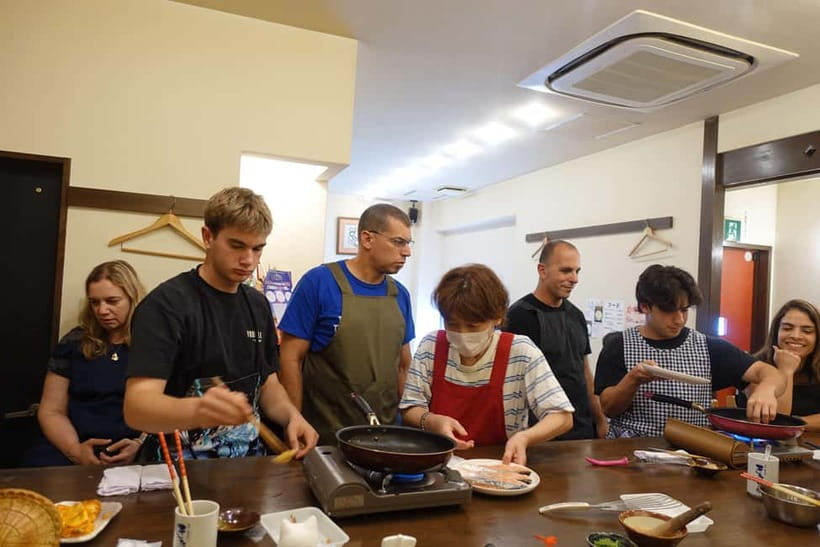
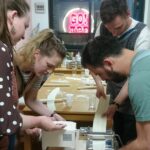
A cap of 10 participants changes the vibe. With fewer people, you can ask small questions while you’re working. You’re also more likely to notice what the chef means when they adjust a method or explain a shortcut.
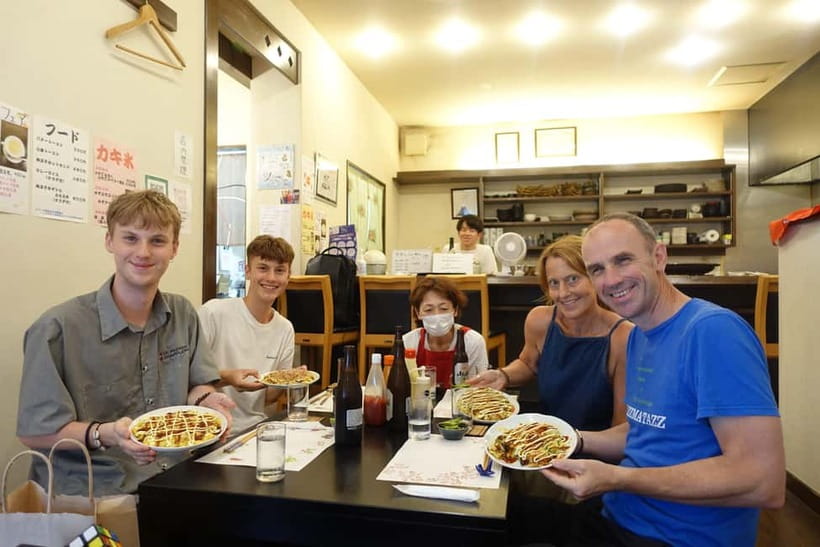
This is also why the class tends to work for families. Cooking together becomes an activity, not a passive show. If you’re bringing kids or going with friends, it’s easier to keep everyone engaged when the pace is human.
One more practical upside: a smaller group can make it easier for the host to adjust explanations if someone is confused, especially with bilingual support.
Value check: is $64 actually fair?
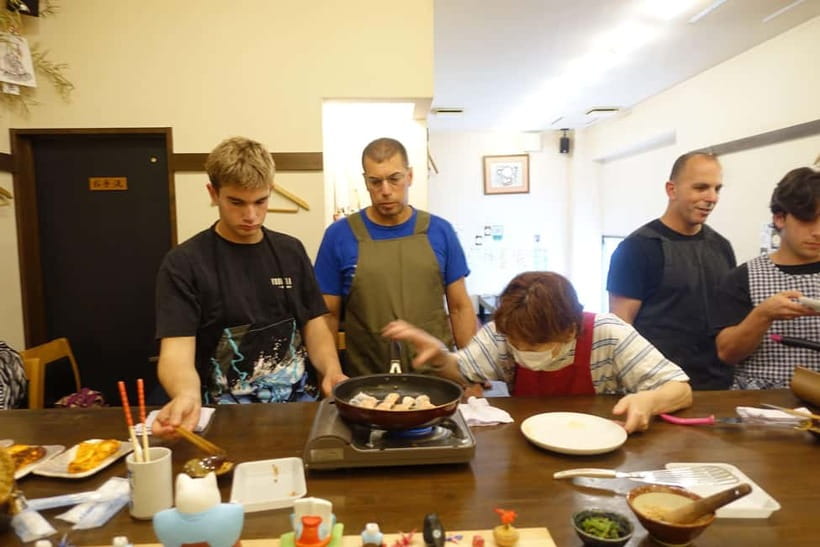
Let’s do the math in a traveler-friendly way. You’re paying for:
- chef-led instruction
- all ingredients for the selected dish
- matcha-making experience
- a small group experience
- English or Japanese support via host or greeter
- 2 hours of guided cooking time
Then subtract what you usually have to add on your own. If you tried to do this independently, you’d be buying ingredients, figuring out recipes, and probably spending time chasing the right shop(s). Here, the planning work is removed. You’re also not paying extra for the matcha part; it’s included.
Could it cost less if you DIY? Sure. But the value is in the transfer of technique. You’re learning how to do things the way local chefs do them, not just copying a recipe list.
So for the price, I’d think of this as a skills class plus a meal-making session, not a cheap souvenir activity.
Who this Osaka cooking class is best for
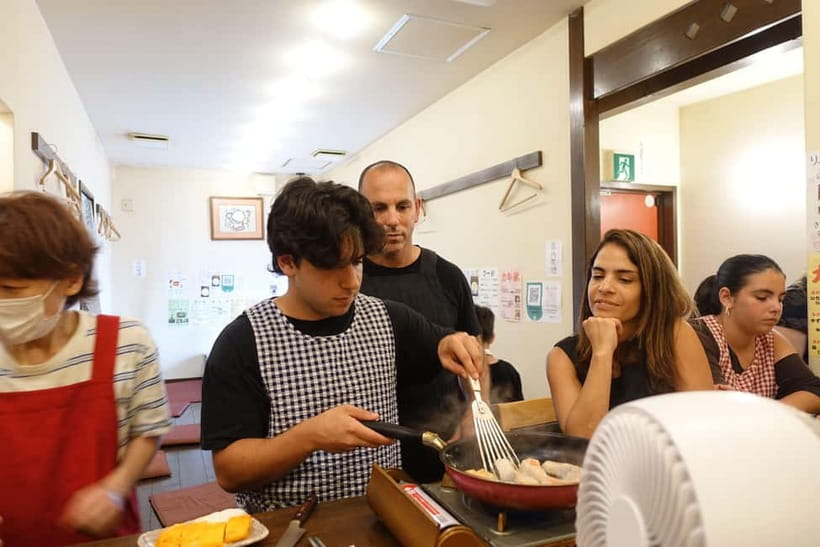
This experience fits best when you want something practical and social, not just sightseeing. I’d especially recommend it if:
- you enjoy food and want to learn technique you can repeat
- you like having a local chef guide rather than following a generic video
- you’re traveling with family or friends and want a shared activity
- you want matcha skills, not just a green drink on the side
- you want a small group that doesn’t feel overwhelming
It’s also a good option if you’re using Osaka as a base and want a convenient class you can reach quickly from central areas like Shinsaibashi and Namba.
Who should skip it
There are clear limits. The class is not suitable for:
- wheelchair users
- people with food allergies
If you have dietary restrictions beyond allergies, you should check in advance. The activity asks you to inform them of any food allergies or dietary restrictions, so you’ll want to do that early rather than assume everything is flexible.
Practical tips to get the most out of your class
A few small things make a big difference in a cooking session:
- Wear comfortable shoes and clothes you don’t mind getting a little messy
- Have the mindset that you’re learning technique, not aiming for perfection
- Ask questions while you’re working, especially during the matcha steps
- If you’re coming with a friend or family member who hesitates around cooking, lean on the Osaka mom support early rather than waiting until later
Also, the what-to-bring list includes ingredients. Since ingredients are listed as included, I’d treat that as a reminder to confirm what, if anything, you personally need to bring. A quick message before your day can clear up confusion fast.
Should you book this Osaka cooking class with matcha?
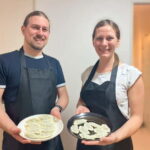
I’d book it if you want a short, meaningful food experience that you can actually carry home with you. The ingredients are handled for you, the class is led by a local chef, and the matcha portion gives you a specific skill instead of a vague food memory. The small group size also makes it realistic to ask questions and get hands-on help.
You should think twice if you fall into the allergy category or need wheelchair accessibility. Cooking classes depend on shared tools and ingredients, and this one isn’t designed around those needs.
If you like cooking, want a family-friendly activity, and you’re based near Shinsaibashi or Namba, this is the kind of plan that makes Osaka feel personal, not just photographed.
FAQ
How long is the Osaka Japanese cooking class with matcha?
The experience lasts 2 hours. You can check available starting times when you reserve.
Where does the class start?
You meet at the meeting point where there is a sign.
Is transportation included?
No. Transportation to and from the activity location is not included.
What dishes can I choose from?
You choose one option from home-cooked dishes, okonomiyaki, or bento.
What’s included in the price?
The class includes cooking with a local chef, all ingredients for your selected dish, and the matcha-making experience.
Do you offer English support?
Yes. The host or greeter supports English and Japanese.
How big is the group?
It’s a small group limited to 10 participants.
Can I bring my own ingredients?
The what-to-bring list includes ingredients, but ingredients are also listed as included in the class. If anything is required from you personally, it should be clarified before you go.
Is this suitable for people with food allergies?
No. It is not suitable for people with food allergies.
Is it accessible for wheelchair users?
No. The experience is not suitable for wheelchair users.
What is the cancellation policy?
You can cancel up to 24 hours in advance for a full refund.
Is there a reserve now, pay later option?
Yes. You can reserve now and pay later to keep plans flexible.