REVIEW · ROME
Italian Gelato, Tiramisu and Cannolis Cooking Class in Rome
Book on Viator →Operated by VICE ITALIA · Bookable on Viator
Three Roman desserts, made by hand.
I love that this class runs inside a real professional Roman pastry lab near Battistini metro (Line A), so you feel like you’re working in a kitchen, not sitting through a demo. You learn to make gelato, tiramisu, and cannoli from scratch with an expert chef team and a small group setup.
My other big win is what happens at the end: you get to take your desserts home and you also receive recipes plus follow-up support, which makes it easier to repeat what you learned. One caution to plan around is that the lab is outside the historic-center core, so budget time for transit (walk from Battistini or take a short taxi/bus ride).
It lasts about 2.5 hours, it’s offered in English, and the class size tops out at 15, which usually means you’re not stuck waiting for your turn. You’ll also get a glass of Prosecco (or juice for kids) while you taste your work.
In This Review
- Key highlights to know before you go
- Inside the pastry lab: what this class is really like
- Getting to Via Soriso 68a from central Rome (Battistini is your anchor)
- The tiramisu segment: espresso, cream, and proper assembly
- Cannoli workshop: ricotta filling and classic Sicilian technique
- Gelato practice with toppings and fruit: the texture matters
- Prosecco, tasting flow, and why the pacing works
- Take-home boxes and how to keep the desserts at home
- Price and value: what you pay for at $94.37 per person
- Who this class fits best (and who should look for a different option)
- Practical tips so you get the most from the session
- Should you book this Italian gelato, tiramisu and cannoli cooking class in Rome?
- FAQ
- How long is the Italian gelato, tiramisu and cannoli cooking class?
- Where do I meet, and how do I get there?
- Is the class offered in English?
- What desserts do I make during the workshop?
- Is Prosecco included?
- Can I cancel and get a full refund?
Key highlights to know before you go
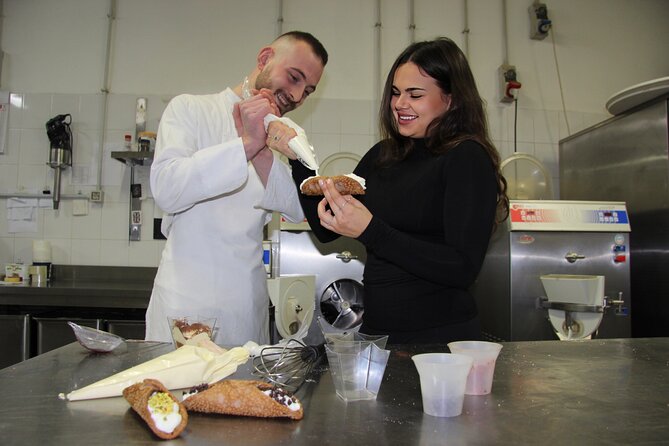
- Professional pastry lab setting designed for hands-on production, not a classroom
- Three classics from scratch: tiramisu, Sicilian-style cannoli with ricotta, and gelato with toppings and fruit
- Small group format (max 15) that keeps the pace practical and personal
- Prosecco included with dessert tasting, plus bottled water
- Take-home packaging + recipe email support so you can recreate the desserts later
- Chefs with real dessert focus, with past instructors including Shiva, Bea, and Riccardo
Inside the pastry lab: what this class is really like
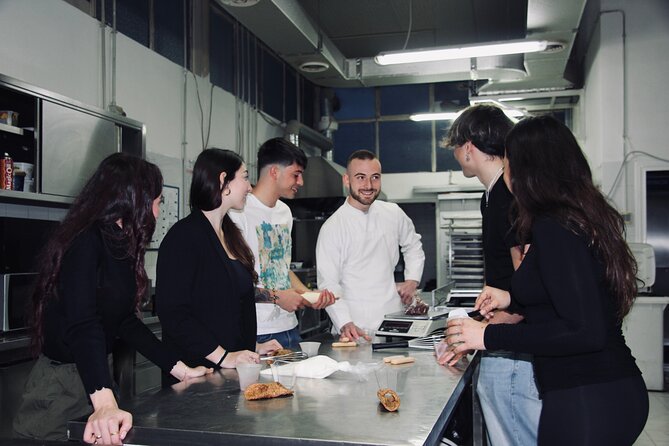
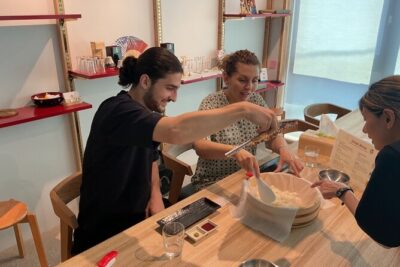
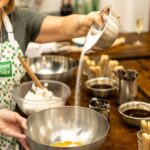
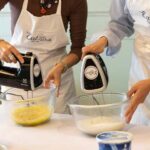
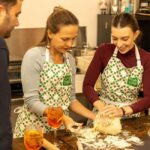
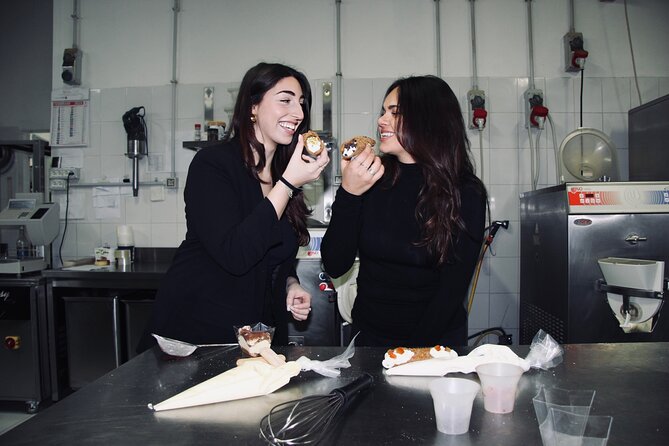
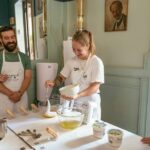
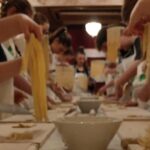
This is not the kind of cooking class where you stand back and watch. The workshop is held in a proper Roman pastry lab with the space, tools, and ingredient flow that make repeated steps feel doable in a single session. From the start, the vibe is work-at-a-station, taste-as-you-go, ask-questions-while-you-can.
Because the class caps at 15 people, you’re more likely to get specific help as you work. That matters for desserts, where tiny changes in texture or timing can throw things off. And it’s exactly why I think this setup is a good fit for people who want to leave with results, not just recipes.
You’ll also have translators or supporting staff in the mix (the experience is English offered), which helps if your Italian baking vocabulary is limited. The goal is clear: make three desserts, understand the methods, and walk out with a box of sweets you helped create.
You can also read our reviews of more tours and experiences in Rome.
Getting to Via Soriso 68a from central Rome (Battistini is your anchor)
The meeting point is Via Soriso, 68a, 00166 Roma RM. The lab itself is just steps from Battistini metro station on Line A, and that’s your easiest planning reference.
If you’re starting your day in the historic center, don’t treat this like a “grab-and-go” 10-minute stop. Plan for transit time, especially if you’re coming from areas that aren’t on the Line A route. One practical approach is to ride Line A to Battistini and treat it like a short, confident walk from there.
If you prefer taxis, that works too. The key is to build in a little buffer so you arrive calm, not sprinting. When you’re about to handle pastry steps, you want your brain focused, not fried.
The tiramisu segment: espresso, cream, and proper assembly
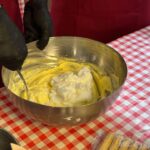
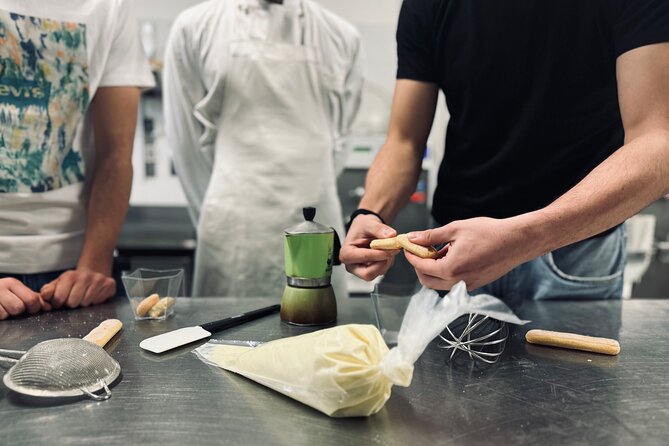
Tiramisu is often where people think they need magic. Here, you’ll learn the parts that make it work: building flavor with espresso, balancing the creamy component, and assembling it so it slices well and tastes right.
In the class sample menu, tiramisu comes with espresso coffee, which keeps the method practical and the flavor straightforward. You’re not guessing how strong the coffee should be or when it’s time to stop. You’ll follow the process while the chefs guide you through the “why,” not just the “do this, then that.”
One thing I like about teaching tiramisu in a lab setting is that you get a better sense of texture and timing. Cream-based desserts can be sensitive, and gelato and cannoli use different workflows, so moving through stations helps you understand how pastry work is really organized in Italy.
When you finish, you’ll taste what you made as part of the overall dessert flow. That’s a smart format because you can connect technique to result while everything is still fresh.
Cannoli workshop: ricotta filling and classic Sicilian technique
Next comes Sicilian cannoli, filled with ricotta cheese. Cannoli is the dessert that looks intimidating until someone shows you how the pieces fit together. The shells, the filling texture, and the final assembly all have their own rules.
In this class, you make cannoli as a hands-on project, with all tools and ingredients provided. That means you aren’t hunting down specific pastry tubes, ricotta styles, or flavor add-ins before you even arrive. You can focus on technique.
The practical value here is learning how to fill without turning it into a soggy mess. With cannoli, you want the right balance: firm enough to hold, creamy enough to taste rich, and assembled when it will still feel crisp. You’ll get advice on production and preservation, which is where many home cooks struggle.
You’ll also get a clear takeaway: you can repeat the method later at home. That’s helped by the fact that you receive recipes plus dedicated follow-up support, so you’re not stuck translating your memory days later.
Gelato practice with toppings and fruit: the texture matters
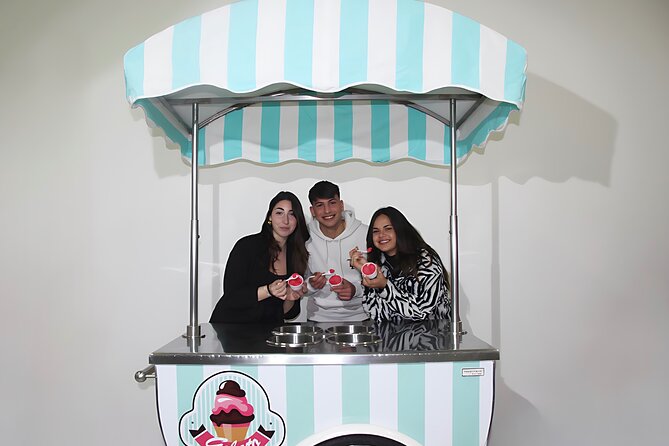
Gelato is the star of the show for a lot of people, but it’s also where you can learn the most. In this workshop, you make gelato with fresh home-made toppings and fruit, and the menu frames it as hands-on rather than “watch it churn.”
The key benefit is that you get to see how gelato differs from typical ice cream thinking. It’s not only about sweetness. It’s texture, creaminess, and the right feel in the finished product. A pastry lab environment helps because equipment and ingredient handling are already set up for correct consistency.
You’ll taste your gelato at the lab with your new group, which is a fun payoff. And because the class includes guidance on preservation and replication, you’re more likely to keep your homemade gelato from turning rock-hard or icy.
Also, having gelato after tiramisu and cannoli gives your brain a reset. Three desserts in one sitting sounds like a sugar overload, but the pacing works when each segment teaches a different technique.

Prosecco, tasting flow, and why the pacing works
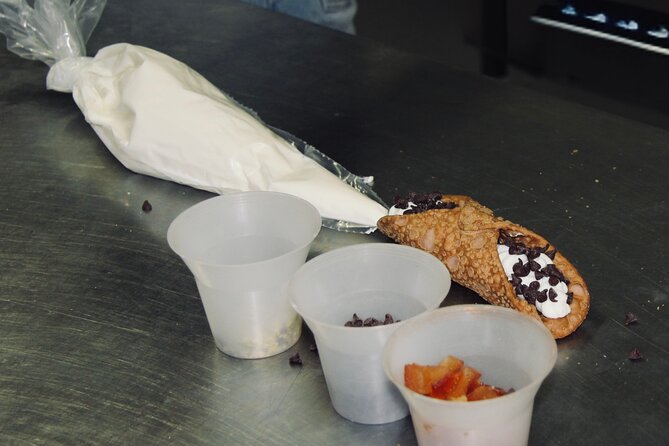
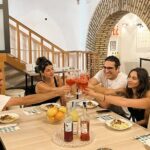
This class includes a glass of Prosecco with dessert tasting (and juice for children). That detail isn’t just for celebration. It signals that you’re not only working; you’re also enjoying the results while the kitchen team is there to answer questions.
The experience also includes bottled water, which sounds minor but matters when you’re doing multiple steps close together. Dessert making can be sweaty work, especially if you’re rolling, filling, or handling dough-based components.
The pacing is set up so you’re not waiting around for long stretches. You’ll make all three desserts during the session, then taste them in the lab. Finally, you wrap everything so you can enjoy it later.
In short: you get a real food experience, not just a certificate moment.
Take-home boxes and how to keep the desserts at home
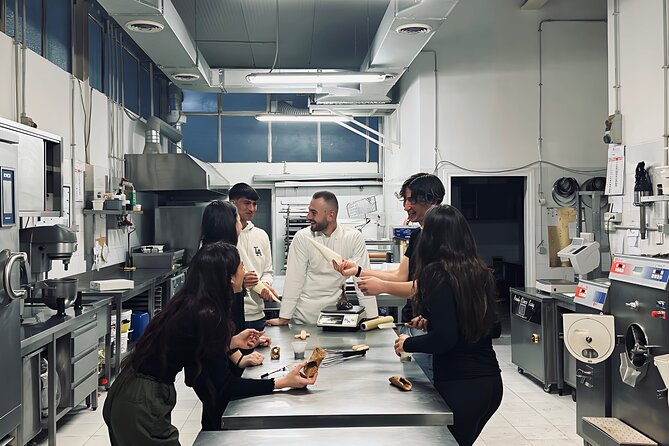
You’ll wrap your creations at the end of the activity so you can keep and enjoy them whenever you want. That is a big part of the value because it turns the class into an edible souvenir, not just a memory.
Here’s what I recommend you do right away after you leave:
- Keep items cold when needed, especially anything dairy-based.
- Handle the cannoli with care if they include delicate shells, since crispness is part of the magic.
- If you’re taking things on a longer day out, pack with stability so desserts don’t get crushed.
The class also provides recipes and dedicated follow-up support, which is what turns a one-time session into repeat success. Without that, many people only remember the fun and forget the method. With it, you can actually recreate the flavor and texture you tasted.
Price and value: what you pay for at $94.37 per person
At $94.37 per person for about 2 hours 30 minutes, you’re paying for a few things at once:
- A true lab environment and professional equipment
- Ingredients and tools provided for each recipe
- Chef instruction in English
- A tasting moment with Prosecco (or juice for children)
- Packaging to take desserts home
- Recipes plus follow-up support
If you compare this to the cost of buying the same amount of Italian sweets plus paying for time and expertise, it’s not as expensive as it first looks. You’re not just eating; you’re learning how to produce. And because the group size is limited to 15, you get more of the attention that matters for pastry.
One more practical note: this is booked on average about 39 days in advance, so if your dates are fixed, it’s smart to lock it sooner rather than later. Small-group classes fill up, and you don’t want to gamble on last-minute availability.
Who this class fits best (and who should look for a different option)
This is a great choice if you want a hands-on Rome food activity beyond pasta-and-pizza basics. You’ll leave knowing how three iconic desserts are made and how they’re handled in a pastry setting.
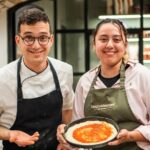
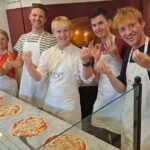
It also suits families or friends who want something social. Past sessions have run with small groups, and instructors like Shiva, Bea, and Riccardo have led classes with clear, patient guidance. If you like structured cooking with room for questions, this format tends to work.
But you do need to check dietary limits carefully:
- Not suitable for celiac disease or severe gluten allergy (gluten intolerance can be accommodated).
- Not suitable for nut allergies.
- Not suitable for vegans.
- Not suitable for lactose intolerance.
If you’re vegan, note that the operator says vegan/vegetarian options may be available upon request, but this particular class listing isn’t positioned as vegan-friendly. If you have any allergy or dietary restriction, message ahead so they can confirm what they can do.
Practical tips so you get the most from the session
To make this a smooth Rome day, I’d do a few things before you arrive:
- Plan transit to Battistini so you’re not stressed at the start time.
- Wear clothes you don’t mind getting a little pastry dust on.
- Come hungry enough to taste at the end, but not so hungry that you rush your steps.
- Ask questions when you’re in the moment. Pastry technique is one of those things that clicks faster while the chef is watching you.
Also, if you’re traveling with kids, the Prosecco is adult-only, and kids get juice. That keeps the vibe friendly without turning the class into an awkward adult-only moment.
Should you book this Italian gelato, tiramisu and cannoli cooking class in Rome?
If you want a high-impact Rome food experience, this is an easy yes. You’ll learn three major desserts in one session, inside a real pastry lab, with a small group size that keeps instruction practical. The take-home packaging and recipe/follow-up support are the difference between eating sweets in Rome and actually bringing technique home.
The main downside is the location outside the center core, so plan transit time like a grown-up and you’ll be fine. And because the class has multiple dietary limitations, you’ll want to message the operator early if food restrictions apply.
FAQ
How long is the Italian gelato, tiramisu and cannoli cooking class?
It runs about 2 hours 30 minutes (approx.).
Where do I meet, and how do I get there?
The meeting point is Via Soriso, 68a, 00166 Roma RM, Italy. The lab is just steps from Battistini metro station on Line A.
Is the class offered in English?
Yes, the class is offered in English.
What desserts do I make during the workshop?
You make Italian tiramisu, Sicilian cannoli filled with ricotta cheese, and gelato with fresh home-made toppings and fruit.
Is Prosecco included?
Yes. You get a glass of Prosecco, and children receive juice instead.
Can I cancel and get a full refund?
You can cancel for a full refund up to 24 hours in advance of the experience start time. If you cancel less than 24 hours before, the amount paid is not refunded.