REVIEW · ROME
Rome: Traditional Pasta and Tiramisu Cooking Class
Book on GetYourGuide →Operated by Estaalia · Bookable on GetYourGuide
Fresh pasta starts with your hands. This Rome class turns a relaxed afternoon into real fresh pasta dough skills and classic technique for traditional tiramisu. You also get prosecco up front, then wine with the tasting, so it feels like dinner prep with a drink in your hand.
I like that you do more than watch. You knead, shape, and make choices about ingredients and pairing, then you sit down to taste what you cooked. One consideration: it’s not suitable if you have food allergies, so double-check before you book.
In This Review
- Key highlights worth your time
- A Rome cooking class that actually teaches dinner
- Meeting at GOAT Gallery: finding the start point in the city
- Prosecco and pasta history: why the intro is more than small talk
- Kneading fresh pasta dough: the hands-on skill that sticks
- Picking the homemade sauce: the choice that makes it taste Italian
- Tiramisu step by step: timing while your pasta is in motion
- Taste what you cooked: the real measuring stick
- Small group energy: why a cap of 10 matters
- Price and value at $88 per person
- Who should book this Rome pasta and tiramisu class
- Who should skip it
- Should you book this class in Rome?
- FAQ
- FAQ
- How long is the Rome pasta and tiramisu cooking class?
- Where is the meeting point in Rome?
- What does the class price include?
- Is the group small?
- What languages are available for the instructor?
- Do I need any cooking experience?
- What should I wear or bring to the class?
- Are pets or luggage allowed?
- Is this class suitable for children or wheelchair users?
- Are there allergy accommodations?
Key highlights worth your time
- You make both fresh pasta and tiramisu, not one dish plus extras
- Prosecco and a chef-led pasta and tiramisu history chat set the mood before you cook
- Tiramisu is taught step by step, then left to set while you handle the pasta
- A small group capped at 10 keeps the pace practical and questions easy
- English and Spanish instruction with an instructor named Estefanie mentioned in past classes
- You leave with a full tasting of everything you prepared, plus enough skills to repeat it at home
A Rome cooking class that actually teaches dinner
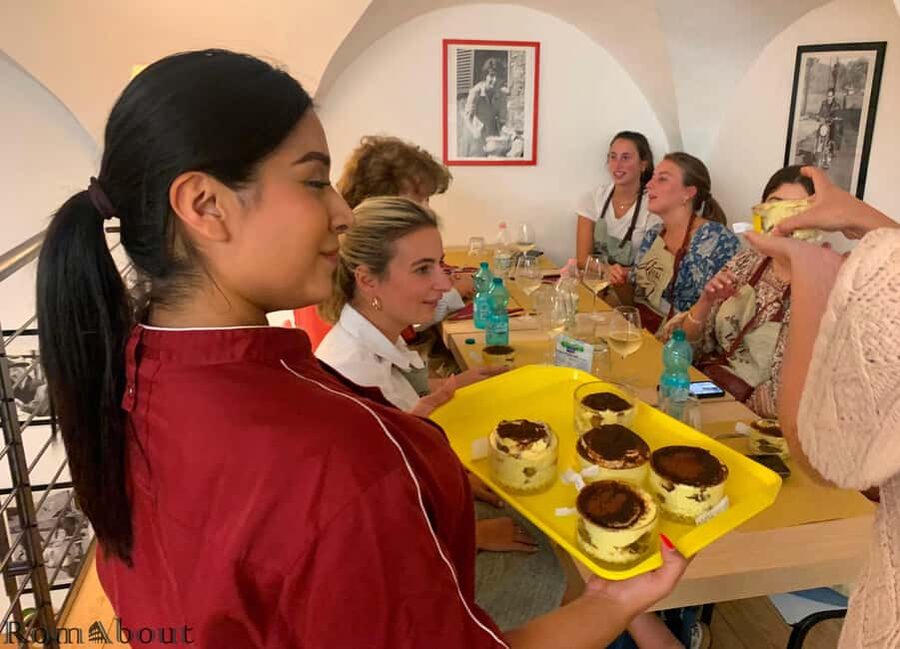
A two-and-a-half-hour cooking class is a sweet spot in Rome. Long enough to learn the steps that matter, short enough that you’re not stuck in a kitchen all afternoon.
What makes this one appealing is the pairing. Fresh pasta and tiramisu sound separate, but in practice the rhythm works: while the tiramisu rests and sets, you’re actively making pasta dough and then shaping it. You get motion, progress, and payoff without feeling rushed.
You can also read our reviews of more tours and experiences in Rome.
Meeting at GOAT Gallery: finding the start point in the city
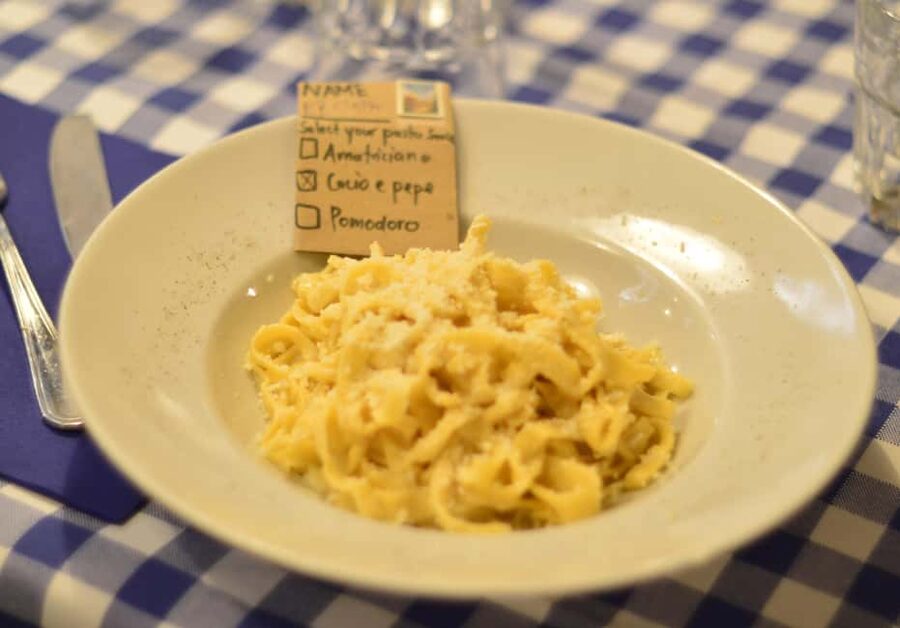
You meet your instructor at GOAT Gallery, Via dei Capocci, 26. That’s a nice setup because it’s a clear address and not one of those “find us somewhere near the landmark” situations.
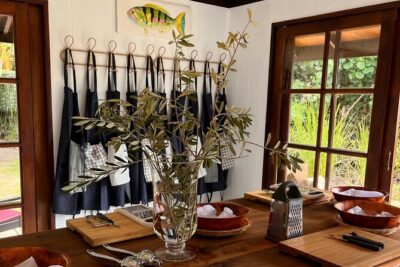
The practical win here is pacing. You arrive, get your intro and drink, then jump straight into the lesson. Wear comfortable shoes and clothes, because you’ll be standing and working with your hands for most of the class.
Prosecco and pasta history: why the intro is more than small talk
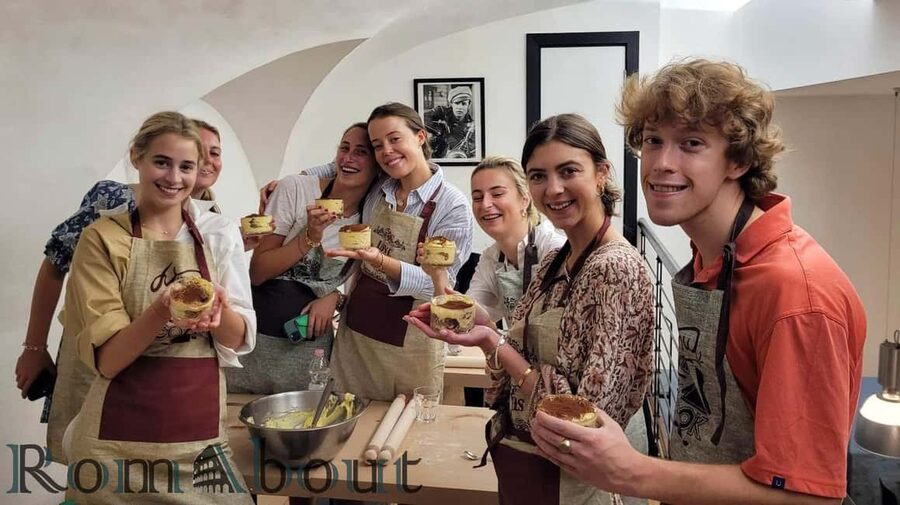
The class begins with a brief look at the history of pasta and tiramisu, paired with a refreshing glass of prosecco. I like these short context moments because they tell you why techniques exist, not just what to do.
After that, the chef focuses on the secrets of good ingredients. In a class like this, the goal is simple: learn what matters when you’re trying to get consistent results at home. Think flour quality, egg and dough behavior, and the way tiramisu ingredients come together into the right texture.
Even if you know the basics already, this part helps you calibrate. You’ll start cooking with a clearer idea of what to watch for while you mix, knead, and assemble.
Kneading fresh pasta dough: the hands-on skill that sticks
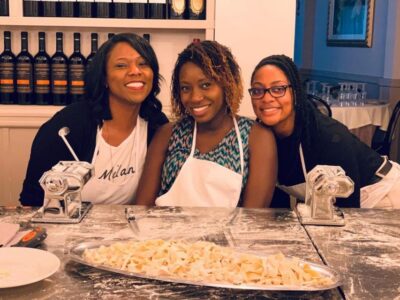
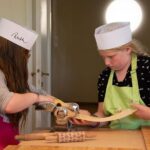
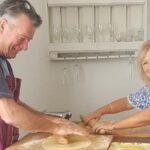
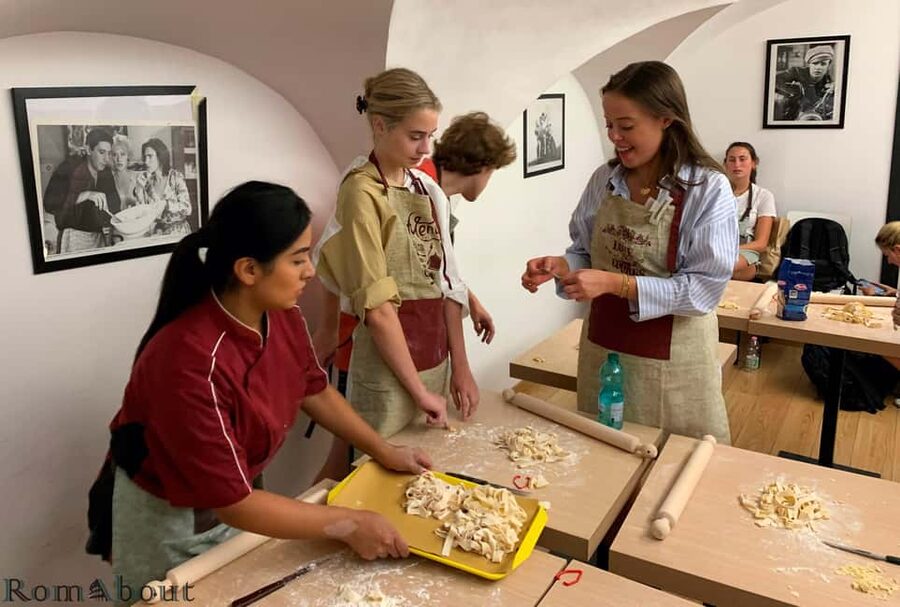
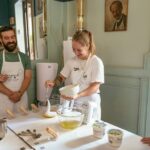
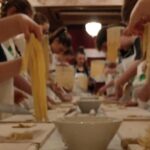
Once you start cooking for real, you’ll make fresh pasta dough using step-by-step instruction from a professional chef. This is where you’ll feel the difference between dry instructions and guided teaching.
You’ll learn how to work the dough until it behaves correctly. That matters because fresh pasta is all about feel: the dough’s elasticity, how it stretches, and how it holds together when you shape it.
Then you’ll move into shaping your pasta. Shaping sounds like a minor detail, but it affects cooking and how sauce clings. In other words, you’re building a system, not just making shapes.
Picking the homemade sauce: the choice that makes it taste Italian
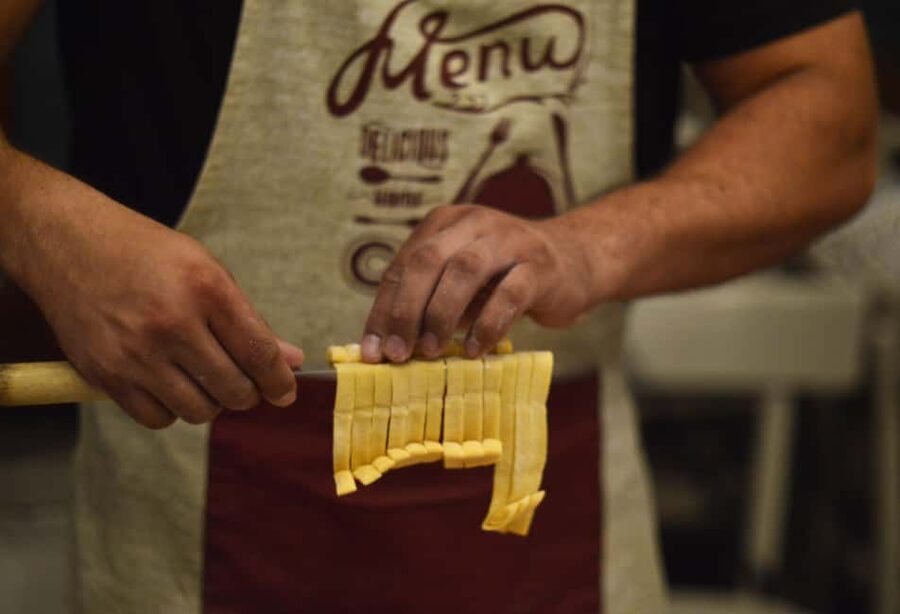
After shaping your pasta, you choose a homemade sauce to go with it. This is a strong part of the class because it forces you to connect the pasta shape with the right pairing.
If you’ve only ever cooked pasta with jarred sauce, this is where your palate levels up quickly. Homemade sauce has different body and flavor depth, and the pairing teaches you what to aim for next time.
I also like that you’re not left to figure everything out alone. The chef helps you land on the sauce that matches what you made, so you end up with a plate that tastes “put together,” not just a bowl of pasta.


Tiramisu step by step: timing while your pasta is in motion
Tiramisu is usually the dessert people overcomplicate. Here, you’ll learn to prepare a traditional tiramisu through a step-by-step process with professional guidance.
The pacing is smart: tiramisu is placed aside to let it set while you work on pasta. That means you’re not waiting around for just one dish to finish. You’re constantly moving forward, and the dessert develops while your main course comes together.
This is also the moment where technique pays off. Tiramisu is about layers and balance, and small details change the final texture. You’ll see what the right assembly looks like and what to do so it sets properly.
Taste what you cooked: the real measuring stick
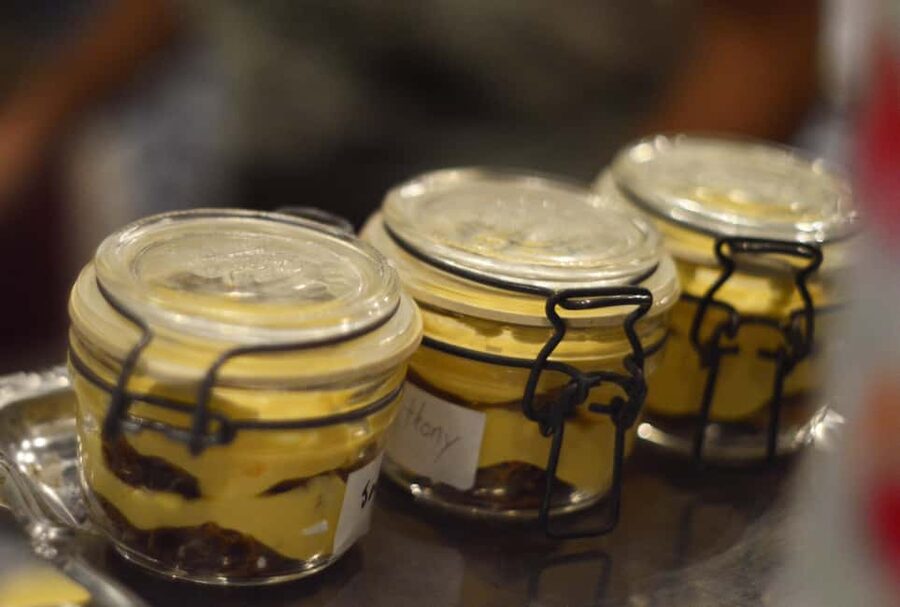
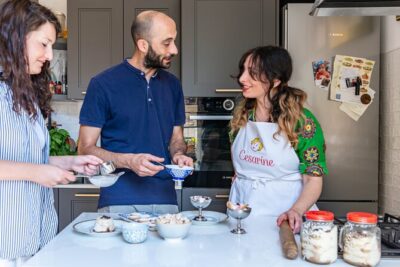
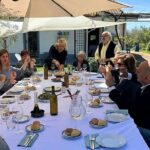
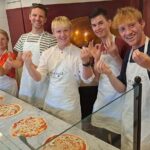
At the end, you taste all the dishes you just learned to prepare. This is the most honest feedback tool in a cooking class. You get to compare what you made in the room with what you know you like, then connect that taste to the steps you practiced.
You’ll also have a glass of wine during the experience and bottled water. I like that it stays grounded in the rhythm of the lesson, not a chaotic bar experience that steals attention from cooking.
It’s one thing to take notes. It’s another to taste your results right away and understand what success actually feels like.
Small group energy: why a cap of 10 matters
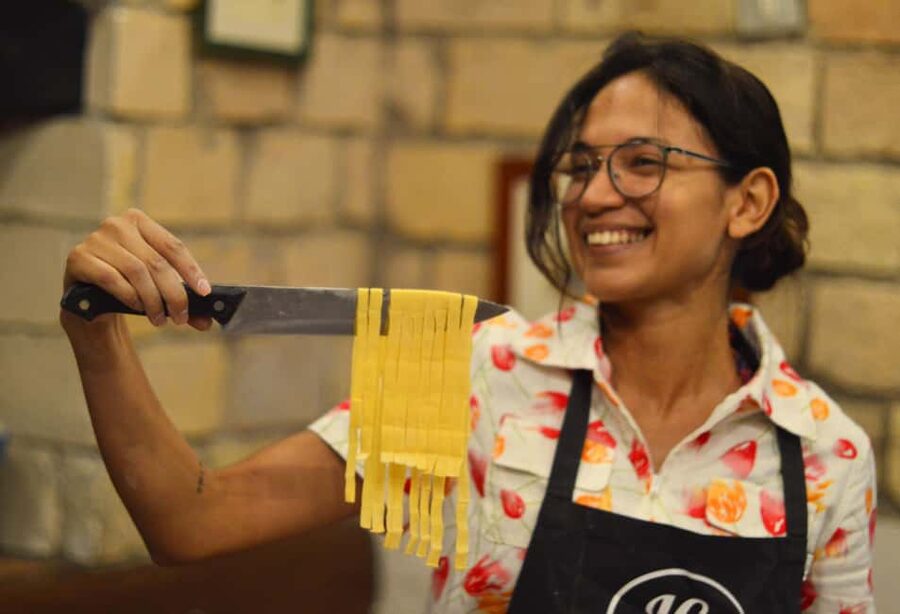
This class is a small group, limited to 10 participants. For cooking lessons, that cap is huge. It affects how often the chef can check your work and how easy it is to ask questions without waiting.
In the past, some bookings have been very close to one-on-one. That’s not a guarantee, but the class format is clearly designed to support interaction, not just a lecture.
If you want a relaxed, practical experience where you can actually practice, the group size is a big part of the value.
Price and value at $88 per person
At $88 per person for a 2.5-hour class, you’re paying for guided instruction, ingredients, and a proper sit-down tasting experience. You’re not just buying a recipe card.
Here’s what you’re getting in return:
- Prosecco at the start, plus a glass of wine with the class
- Cooking class with a professional chef
- All ingredients and utensils provided
- Bottle of water
- Tasting of what you made
For many people, the value is in the combination. Fresh pasta and tiramisu are two skills that are hard to learn from YouTube alone because timing and texture are everything. This class gives you the “watch me, then do it” structure, which is exactly what you need when you’re working with dough and layered desserts.
Also, you get to leave with more than a meal. You leave with a repeatable method.
Who should book this Rome pasta and tiramisu class
This class suits you if you want an authentic, hands-on afternoon. It’s a strong pick for couples, friends, and solo travelers who learn best by doing.
It’s also a good fit if you want to eat well without planning dinner from scratch. With pasta and tiramisu made in the same session, you’re basically turning a lesson into a complete food memory.
All cooking levels are welcome, so you don’t need to show up with skills. Just bring comfort for standing and wearing non-barefoot-friendly shoes.
Who should skip it
It’s not suitable for people with food allergies, and wheelchair users can’t participate. Children under 4 also aren’t accepted.
If any of those apply, look for a different class option that clearly states safe accommodations for your needs.
Should you book this class in Rome?
If you want a practical cooking experience focused on two classics—fresh pasta and traditional tiramisu—this is a solid booking. The structure makes sense: prosecco and context, hands-on dough work, then tiramisu technique while the dessert sets, followed by tasting.
I’d book it if you care about learning the method, not just eating Italian food. If you have food allergies or need wheelchair accessibility, skip this one and find a class that can meet those requirements safely.
FAQ
FAQ
How long is the Rome pasta and tiramisu cooking class?
It lasts 2.5 hours.
Where is the meeting point in Rome?
You meet your cooking instructor at GOAT Gallery, Via dei Capocci, 26.
What does the class price include?
It includes a glass of prosecco, a cooking class with a professional chef, all ingredients and utensils, a glass of wine and bottled water, and tasting of the prepared dishes.
Is the group small?
Yes. The class is limited to 10 participants.
What languages are available for the instructor?
The instructor teaches in English and Spanish.
Do I need any cooking experience?
No. All cooking levels are welcome.
What should I wear or bring to the class?
Wear comfortable shoes and comfortable clothes, and bring your appetite. Bare feet are not allowed.
Are pets or luggage allowed?
Pets are not allowed, and luggage or large bags are not allowed.
Is this class suitable for children or wheelchair users?
Children under 4 are not suitable, and wheelchair users are not suitable.
Are there allergy accommodations?
The class is not suitable for people with food allergies.