REVIEW · ROME
Gelato & Pizza Cooking Class in Rome
Book on Viator →Operated by Eat and Walk Italy · Bookable on Viator
Make pizza and gelato, not just photos. This class in central Rome, just steps from Piazza Navona, is interesting because you learn both pizza from scratch and traditional gelato techniques in a tight, hands-on format. I also like that you get to taste your own work right away, with a drink pairing that includes wine or a non-alcoholic option, plus limoncello. One thing to consider is that at about $70.66 per person, it can feel pricey if you’re only after a quick sugar fix and nothing more.
In the workshop, the teaching style matters, and the names Juliana, Vanessa, and Joe show up repeatedly in past feedback. That’s a good sign you’ll likely get clear, practical guidance rather than a lecture. You’ll finish by eating homemade pizza and gelato in a relaxed setting, not standing in a long line at a restaurant.
In This Review
- Key Points Worth Your Time
- Gelato and Pizza Near Piazza Navona: Why This Location Works
- Your Pizza-Making Portion: Dough Skill You Can Actually Reuse
- Making Italian Gelato: From Fresh Ingredients to Real Texture
- What Comes With Your Meal: Wine, Limoncello, and the Sweet Finish
- The Real-World Experience: Small Group, Active Teaching, and Language Mix
- Pizza and Gelato as an “Escape the Day” Activity
- Price and Value: When $70.66 Makes Sense
- Timing, Dress Code, and What to Bring
- Who Should Book This Pizza and Gelato Class
- Should You Book This Pizza and Gelato Class in Rome?
Key Points Worth Your Time
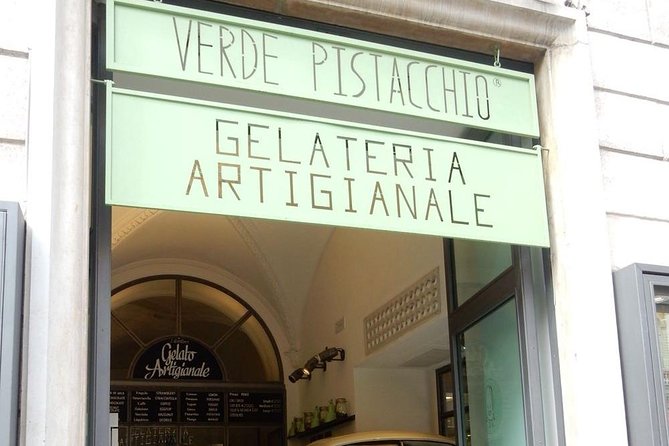
- Small-group class (max 12) means more time at the counter and fewer watching-only moments
- Pizza dough + toppings you choose so you leave with a repeatable recipe idea
- Classic gelato methods using fresh ingredients like Italian chocolate and vanilla
- Wine or soft drink, water, and limoncello (or coffee) turns it into a real food experience, not a snack demo
- Smart-casual setting near public transport makes it easy to plug into a day of sightseeing
Gelato and Pizza Near Piazza Navona: Why This Location Works
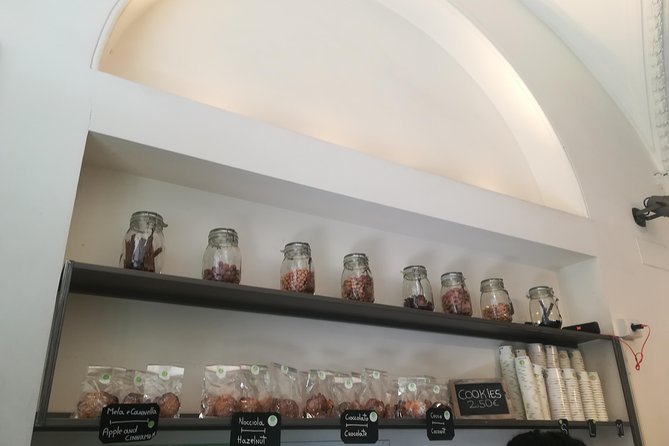
Rome has plenty of gelaterias and pizza slices. The trick is doing something that feels Roman in a different way. This class is set up close to the center of the action, with the meeting point at Via Giuseppe Zanardelli, 14 and the activity ending back there. That matters because you’re not burning half your day commuting. You can still tour museums or wander neighborhoods before or after, without the stress of a long trek.
The other reason this spot works: the timing. The class starts at 11:00 am, which is a sweet spot. You get a chance to learn while your energy is still good, then you eat your creations before Rome’s late-afternoon crowds get thick.
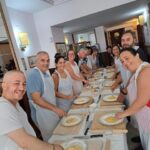
The experience is also designed for small groups (up to 12), so you’re not stuck in the back watching other people do the fun part. You’ll be mixing, shaping, and assembling—exactly what you want from a cooking class.
You can also read our reviews of more tours and experiences in Rome.
Your Pizza-Making Portion: Dough Skill You Can Actually Reuse
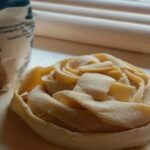
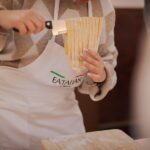
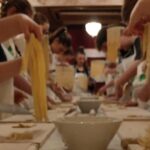
Pizza classes can be either spectacle or skill-building. This one leans toward the practical side: you make pizza dough from scratch, then top your pizza with ingredients you choose.
What I like about this approach is that it teaches the “why,” not just the “what.” Dough isn’t complicated in theory, but it’s unforgiving in practice. When someone shows you how to handle it—how it should look and feel as you work—you start understanding what to aim for at home, even without the same kitchen tools.
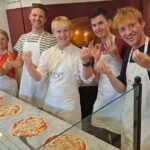
You’ll also get to personalize your pizza. The plan is simple: your pizza with toppings of your choice. That’s not just a nice touch. It helps you remember the class after you go home because you’re not stuck with whatever the kitchen picked. If you’re traveling with kids or going as a group, this is one of the fastest ways to keep everyone engaged.
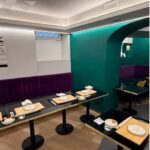
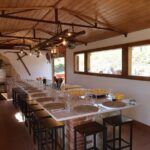
One practical note: you’ll likely be working inside a workshop space where you may need to stand for parts of the session. Smart casual clothing helps, but don’t wear anything you’d hate to get a little messy.
Making Italian Gelato: From Fresh Ingredients to Real Texture
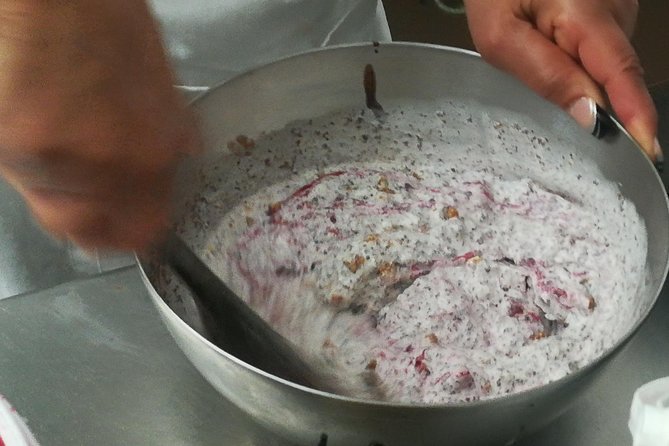
If pizza is your warm-up act, gelato is the main event. The class focuses on traditional Italian gelato, using fresh ingredients—with Italian chocolate and vanilla explicitly called out.
Here’s what makes gelato training worth doing in Rome instead of just buying a cone from a shop: you learn the base and process that creates texture. Gelato isn’t just ice cream with a new marketing name. It has a different method, and when you’re the one preparing it, you start to understand what makes it smooth, creamy, and flavorful.
The class includes your own Italian gelato, and you’ll make it as part of the hands-on experience. In feedback, people often point to the idea that the best part is doing it yourself—mixing, learning the steps, and then tasting what you created.
One thing to keep your expectations aligned: this is focused on classic technique, not high-level food chemistry. If you want molecular-science explanations or fancy modern methods, you might find it straightforward. But if you want reliable, traditional skills you can repeat, it hits the mark.
And yes, gelato lovers can get seriously attached. Even people who don’t usually pick certain flavors sometimes come away converted—especially after making the stuff and tasting it fresh.
What Comes With Your Meal: Wine, Limoncello, and the Sweet Finish
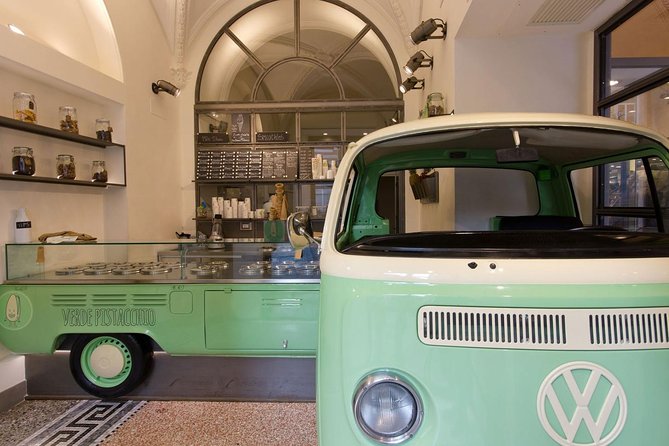
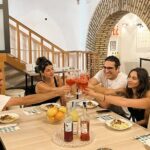
Food classes often fall into a pattern: you cook, you get a tiny sample, and then you leave hungry. This one doesn’t do that. After you make your pizza and gelato, you sit back and enjoy them in a welcoming atmosphere.
You’re not eating dry homemade crumbs, either. Included with your meal are:
- A glass of wine or a non-alcoholic beverage
- Water
- Limoncello (or coffee), as part of the dessert pairing
This pairing matters for value and pacing. Wine or a soft drink keeps the experience feeling like a genuine Roman food moment, while water is there so you don’t feel dehydrated after tasting something cold and sweet. Then limoncello gives you that bright, citrus finish that works especially well after gelato.
If you’re traveling without alcohol, the class includes a non-alcoholic beverage option, and you still get limoncello (or coffee) as your included finishing drink choice.
The Real-World Experience: Small Group, Active Teaching, and Language Mix
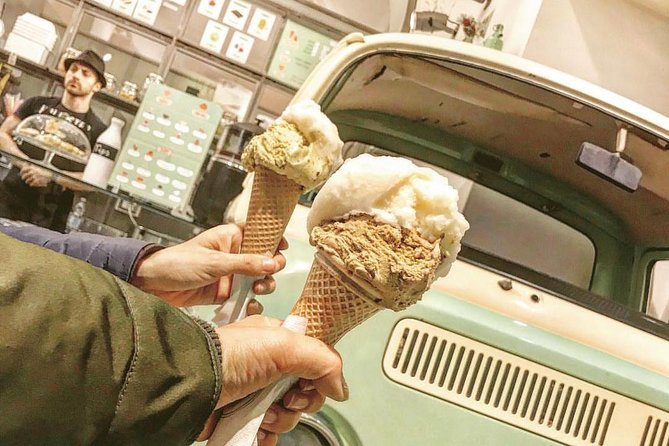
The workshop keeps group size tight—max 12 travelers—which makes the experience feel more personal than many larger tours. You’re in the action, not hovering around a counter while someone else does the work.
The teaching team has names that come up often in feedback, including Juliana, Vanessa, and Joe. While you can’t assume which instructor you’ll get, it’s a useful sign that instruction is usually thoughtful and encouraging.
One thing to plan for: English is offered, but classes may include participants who speak Italian as well. Based on past experiences, you might hear some Italian during instruction, with translation when needed. If you’re strict about understanding every word, consider this a heads-up. If you’re there for the hands-on cooking and the shared food moment, it usually won’t matter much.
Also, timing can be sensitive in a working kitchen. If you’re late, don’t assume the workshop will pause indefinitely. That said, the team has shown flexibility when delays happen, including adjusting so people didn’t miss the experience entirely.

Pizza and Gelato as an “Escape the Day” Activity
This class works in Rome because it gives you a different kind of memory. Sightseeing is visual. This is hands-on and edible. You get to learn a skill, taste it immediately, and bring that knowledge home.
It’s also a smart “heat plan.” Rome can get hot, and cooking classes inside a controlled space can feel like a comfortable break. People specifically call this out as a fun way to cool down while doing something meaningful with their time.
For families, the hands-on nature tends to keep kids engaged. In feedback, parents mentioned that teens participated too—often because everyone gets a job to do and a reward at the end.
Solo travelers also tend to like it because small groups don’t feel intimidating. You’ll be busy enough that you don’t have to force conversation, but you’ll still be around people during the tasting.
Price and Value: When $70.66 Makes Sense
At $70.66 per person, you’re not paying for a casual gelato-and-a-walk deal. You’re paying for instruction, ingredients, and a full eating experience that includes drinks.
So when does the price feel worth it?
- When you want more than tasting—you want skill-building (pizza dough + gelato technique)
- When you value the included drinks, especially wine/soft drink and limoncello
- When you’re the type of traveler who likes doing one focused activity instead of hopping from one stop to another all day
When might it feel less fair?
- If you’re mainly looking for a cheap, no-strings gelato moment
- If you prefer super advanced cooking theory over basic traditional steps
- If you expect the entire experience to be perfectly tailored to English only, without any language mixing
The way I see it: the value hinges on your goal. If you treat it as a real cooking class, it’s a solid use of time in Rome. If you’re just hungry and want sweets, you’ll find cheaper options around the city.
Timing, Dress Code, and What to Bring
The class runs about 2 hours 30 minutes. That duration is long enough for proper hands-on work and a sit-down tasting, without taking over your entire day.
Dress code is smart casual. I’d interpret that as comfortable shoes and clothes you can move in. You’re working with dough and ingredients, so avoid anything too delicate or anything you can’t tolerate getting a little flour or food on it.
If you want the smoothest start, arrive on time. Your meeting point is Via Giuseppe Zanardelli, 14, and the activity ends back there. Since it’s near public transportation, you can plan your route around transit stops instead of relying on taxis.
Who Should Book This Pizza and Gelato Class
This workshop is best for:
- Food lovers who want to learn classic techniques, not just eat
- Families (kids must be accompanied by an adult) who want a structured, fun activity
- Couples and friends who want a shared experience with a clear payoff at the table
- Solo travelers who like small groups and don’t mind cooking alongside others
It’s also a good choice if you already know you love gelato and want to understand what makes it taste right. And if you’re a pizza person, making the dough is the kind of skill you remember long after your vacation photos fade.
Should You Book This Pizza and Gelato Class in Rome?
Yes, with a smart expectation check. Book it if you want a hands-on, Rome-centered food experience that ends with you eating what you made—plus wine/soft drink, water, and limoncello. The small group size and active teaching approach are the big strengths, and the location near Piazza Navona makes it easy to fit into a sightseeing day.
Skip or reconsider if you’re mainly shopping for a cheap dessert or you want a highly technical cooking course with no “straightforward classic” elements. Also, if language clarity is your top priority, keep in mind there may be some Italian in the mix even though English is offered.
If you’re a gelato fan, or you want your Rome trip to include at least one truly hands-on food memory, this is a strong bet.