REVIEW · UBUD
Balinese Cooking Class with Traditional Market Tour
Book on Viator →Operated by Bali SUN Tours · Bookable on Viator
Your morning starts in a real market. This Ubud class strings together a traditional market stop, an herb and spice introduction in an organic garden, and then hands-on cooking in a traditional open kitchen. You learn the work behind Balinese flavor, including spice paste basics made with both chopping and a stone mortar.
I especially like the clear structure and focus on do-it-yourself cooking. You are actively prepping and cooking, not just watching. Plus, the class is built around a real rhythm: market ingredients first, garden learning next, then cooking and eating what you made.
One thing to consider: it’s not a casual sit-and-sip experience. Between pickup and the full round trip, the day runs about 6 hours, and the cooking can be intense. If you have a low tolerance for hands-on effort, plan for that up front.
In This Review
- Key things that make this class worth your time
- The 7:30 Ubud market stop that sets up your whole lunch
- Organic garden herbs, plus coffee and cake
- Stone mortar vs. chopping board: the Balinese paste lesson you’ll actually use
- Inside the traditional open kitchen: cooking for real, not for show
- The lunch you make: 5-course satisfaction with a practical finish
- Pickup timing, group rhythm, and how long your day really is
- Price and value: why $58.16 can feel fair in Ubud
- Who should book this Balinese cooking class in Ubud
- Should you book it?
- FAQ
- What time does the tour start in Ubud?
- How long is the full experience from pickup to drop-off?
- Is hotel pickup and drop-off included?
- What will I eat during the class?
- How large is the group?
- Is there free cancellation?
Key things that make this class worth your time
- Real market shopping in Ubud, timed for cooler morning conditions
- Organic garden herb and spice intro before you hit the kitchen
- Stone mortar technique, plus chopping-board prep for spice pastes and sauces
- Hands-on cooking of multiple dishes, prepared and finished by you
- A 5-course lunch and 1 dessert included, so you get to eat the results
- Door-to-door transfers to keep your Ubud morning simple
The 7:30 Ubud market stop that sets up your whole lunch
This starts early: the market visit begins around 7:30–8:00am, and you’ll have hotel pickup before that. The idea is simple and smart. Morning temperatures are cooler, and you get to buy the cooking ingredients while the market is still in its natural flow.
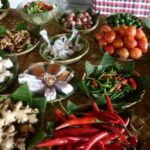
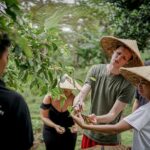
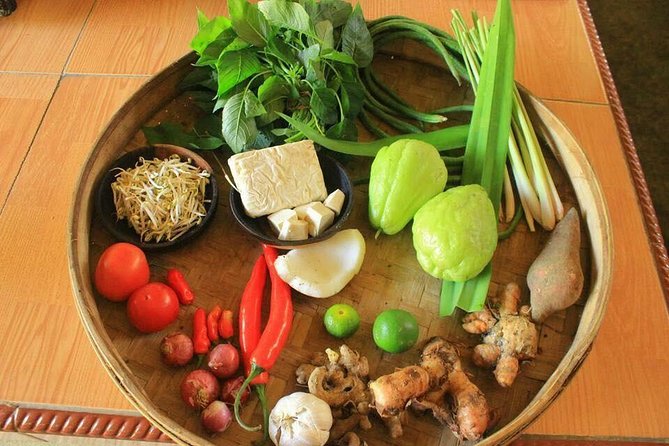
At the market, your guide shows you what matters for Balinese cooking: ingredients by use, not just by name. In one case, the guide Ron walked people through different vegetables and fruit and shared some Balinese traditions along the way. Another guide, Nyoman, also led a tour of the market and helped people understand what they were seeing before moving on to the kitchen.
For you, that context is the whole point. If you only learn recipes in a classroom, Balinese cooking can feel like a list of steps. Here, the market gives your brain something to hang those steps on: you’re buying the same raw materials that end up as pastes, sauces, and cooked dishes later.
Practical note: this is a walking, looking, and choosing experience. Wear comfortable clothes and shoes you can stand in. You’ll be outside and moving between stalls.
You can also read our reviews of more tours and experiences in Ubud.
Organic garden herbs, plus coffee and cake
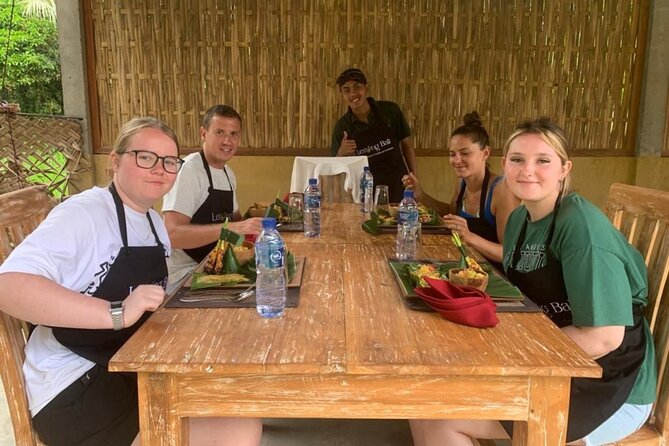
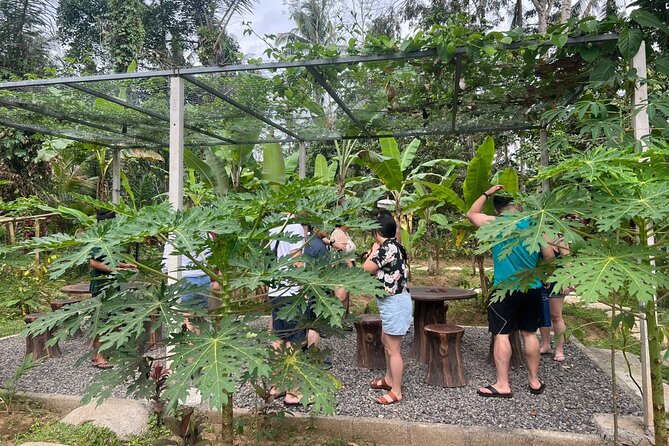
After the market, you shift from shopping mode to learning mode. Your guide introduces well-grown herbs and spices in an organic garden. This isn’t just a quick photo stop. The goal is to help you recognize key ingredients and understand how they connect to what you’ll cook later.
You’ll also get a welcome drink and snack, and the class includes a coffee and cake moment tied to the herb and spice segment. That break matters more than you might think. It’s a short reset before you start chopping, grinding, and cooking with focus.
What I like about this part is that it turns ingredients into ideas. Instead of treating spices as mysterious powders, you get a feel for the physical plants and the flavors they bring. Even if you don’t remember every name later, your cooking will make more sense because you understand the role of each flavor base.
If you’re someone who likes to cook again at home, this is also where you can start spotting what you can realistically source elsewhere. You’ll know what you’re aiming for: the scent, the paste base, the sauce backbone.
Stone mortar vs. chopping board: the Balinese paste lesson you’ll actually use
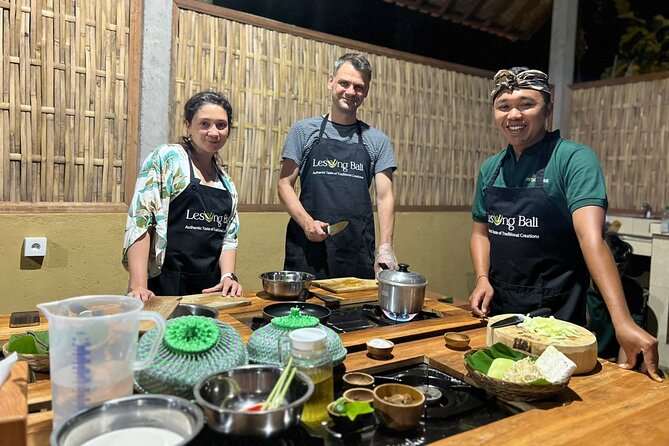
Balinese cooking leans heavily on paste and sauce work. That’s where this class spends serious time, and it’s the part that tends to make the biggest impression.
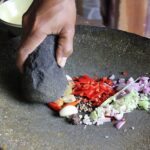
You’ll learn traditional prep techniques using the tools and methods that give Balinese food its character. The key detail is that there are two spice prep styles involved in this learning:
- chopping spices on a wooden chopping block
- grinding spices in a stone mortar
From there, those pastes and sauces get cooked in different ways depending on the dish. The class doesn’t treat paste-making as a side step. It treats it as the heart of the cooking.
For you, this is valuable because mortar-grinding is not just “old-school flavor.” Texture and release matter. Grinding changes how oils and aromatics come out. Chopping can create a different bite and pace in cooking. You’re learning the why through doing, not just hearing explanations.
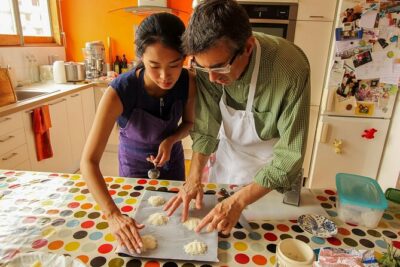
And yes, it’s hands-on. All prep work and cooking are done by you. This is where the class stops being a passive activity and starts being a skill-building session. If you love cooking, you’ll likely feel a little proud when you can create a paste that smells right and behaves right in the pan.
If you have wrist or hand limitations, consider mentioning it to your instructor at the start so they can guide you on how to handle the mortar work.
Inside the traditional open kitchen: cooking for real, not for show
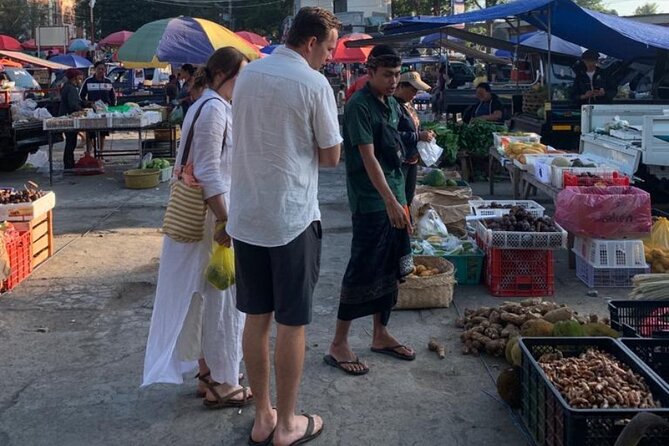
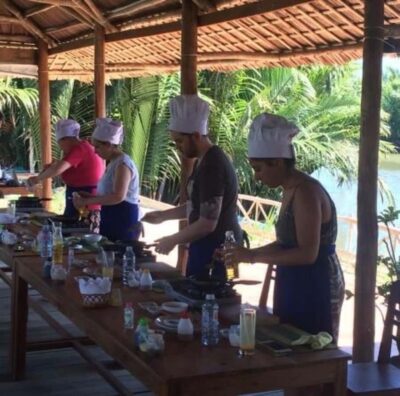
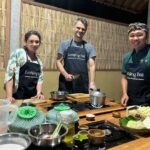
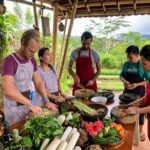
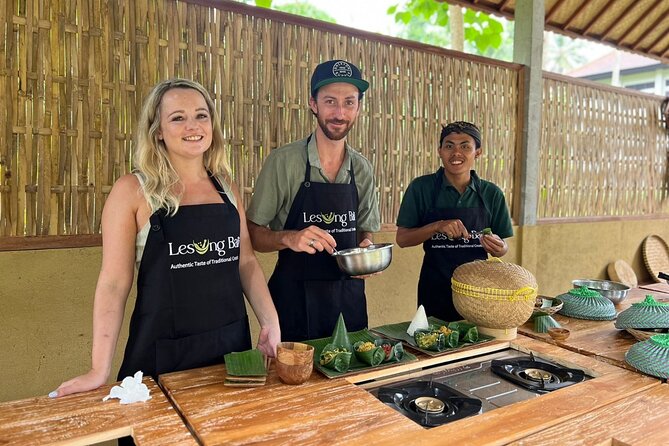
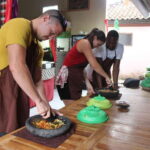
After the spice prep lesson, you move into the main cooking portion in a traditional open kitchen. This is a compound-home setting where you’ll cook with the instructor and your group.
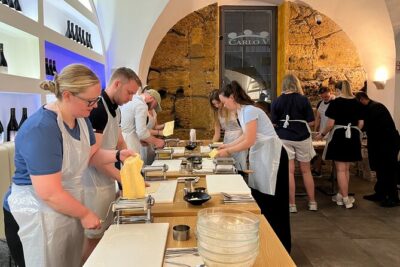
The class format supports attention. The group size is set for practical learning, typically four to 12 people, with personalized guidance. You also have a cap of 12 travelers maximum for the overall activity. And while the class can accommodate up to 12, the booking size can be up to 6 per booking. Translation: you’re less likely to get lost in a crowd, and you can actually ask what you’re doing wrong before you commit the error to the pan.
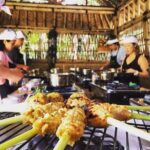
The cooking itself is structured around preparing and cooking a total of 5 dishes and 1 dessert. You’ll follow the steps to make dishes using the ingredients you bought earlier. You’ll use traditional techniques and utensils. And because it’s open kitchen style, the workflow stays visible. You can usually see what’s happening around you and how each dish progresses.
One honest tip: come with a good attitude toward effort. A 5-course lunch means multiple components, not one plate and done. Some people end up challenged by the sheer amount of food at the end, so plan your morning appetite accordingly.
The lunch you make: 5-course satisfaction with a practical finish
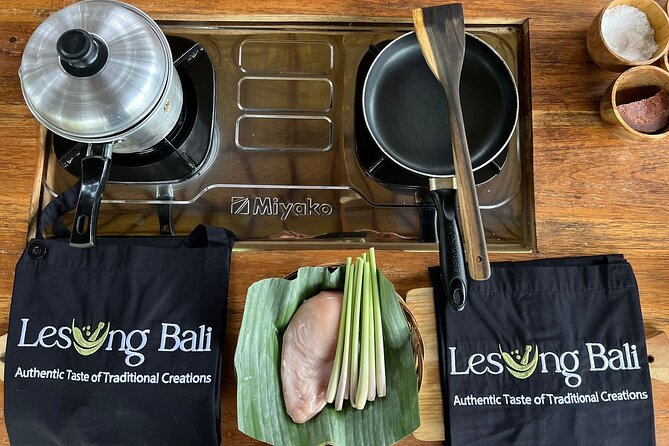
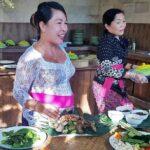
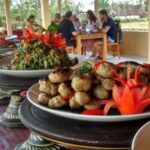
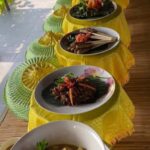
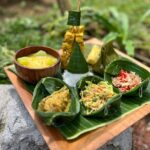
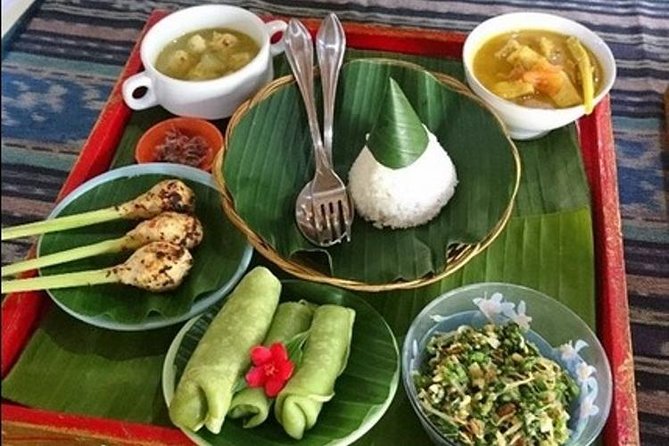
Once the cooking wraps, you eat your results. Lunch includes the dishes you made, totaling 5 dishes and 1 dessert. That is a major part of the value here. Many cooking classes teach you techniques but serve a lighter meal than you expect. This one builds the meal around your work.
You also get bottled water, and the class includes a certificate of cooking class. The certificate is a nice small souvenir, especially if you want a concrete reminder beyond photos.
The biggest practical benefit of this lunch setup is closure. You’re not left thinking, what does that paste become, or how should the dish finish? You cook it, plate it, and then you taste it at the exact stage you created.
Also, because you learn prep styles like mortar grinding vs chopping, you’ll taste more differences than in a class that only teaches one approach. Balinese flavor here is layered: aroma base, paste work, then cooking transformations.

Pickup timing, group rhythm, and how long your day really is
The start time is 7:30am. Market visit happens 7:30–8:00am, then you move through garden learning and cooking. The cooking lesson is listed as about 2 hours 30 minutes, but the full experience runs about 6 hours from pickup to drop off.
This matters because Ubud mornings can easily expand when you’re juggling traffic and multiple stops. The good news: this class includes door-to-door round-trip transfers, so you’re not spending your time hunting meeting points or waiting on local transport.
You’ll likely feel the pacing as a sequence of focused blocks rather than an endless schedule. But if you’re planning other activities the same day, leave breathing room. You’ll probably want some down time after lunch, even if you feel energetic during the cooking.
Price and value: why $58.16 can feel fair in Ubud
At $58.16 per person, this class sits in a mid-range area for Ubud experiences. The question is what you’re actually paying for, because in Bali, “cheap” can mean fewer inclusions, and “expensive” can mean a lighter meal.
Here, you’re paying for a bundle:
- hotel pickup and drop off
- market visit
- instructor-led cooking
- welcome drink and snack (plus coffee and cake tied to the garden portion)
- lunch consisting of 5 dishes and 1 dessert
- bottled water
- a certificate
The market stop and transfers alone can add up in effort and time, especially if you prefer not to coordinate everything yourself. And the biggest value piece is that the lunch is directly tied to what you cook. You’re not just buying instruction; you’re buying the ability to leave fed with a real meal made by you.
If you’re a couple, this is also often a good use of time. One review noted a husband-and-wife experience where they enjoyed learning and appreciated an on-time pickup by driver Yoga and an escort by Nyoman at the market. That kind of smooth start matters when your morning begins at 7:30am.
Who should book this Balinese cooking class in Ubud
I think this is a strong match if you want any of these:
- You like cooking and want more than a general demo
- You want to understand Balinese flavor foundations, especially spice pastes
- You’d rather start with a market than just gather ingredients later
- You like structured mornings that end with a full lunch
It’s also a good choice for people who want culture without turning it into a lecture. The market shows lifestyle and food choices, and the garden gives context for herbs and spices.
If you want zero effort and a purely observational experience, this may not feel like the right fit. This class expects you to work with traditional tools and techniques, then eat what you make.
Should you book it?
Yes, I’d book it if you’re choosing one cooking experience in Ubud and you care about learning techniques you can reuse. The combination of market shopping + herb garden + mortar-and-chopping paste work + a big included lunch is a lot for the money, especially with pickup and drop-off handled.
But if you dislike early starts, hate hands-on prep, or worry you won’t finish a multi-course meal, take the intensity seriously before you commit. If you can handle a morning that starts at 7:30am and a cooking session that’s full-on, you’ll likely leave with skills, not just photos.
FAQ
What time does the tour start in Ubud?
The experience starts with pickup and the market visit begins at 7:30am (with the market stop listed as 7:30–8:00am).
How long is the full experience from pickup to drop-off?
The cooking lesson is about 2 hours 30 minutes, and the overall experience is approximately 6 hours from pickup to drop-off.
Is hotel pickup and drop-off included?
Yes. Hotel pickup and drop-off are included, with door-to-door round-trip transfers.
What will I eat during the class?
You’ll have welcome drink and snack, then a 5-course lunch made from your cooking: 5 dishes and 1 dessert. Bottled water is also included.
How large is the group?
The class provides personalized attention for a group of four to 12 people. The overall activity has a maximum of 12 travelers.
Is there free cancellation?
Yes. You can cancel for a full refund up to 24 hours before the experience’s start time.