REVIEW · ROME
Cooking Class with Lidia YoungGrandma in Jewish area
Book on Viator →Bookable on Viator
You get hands-on Roman pasta in a small group, with real home hospitality. I love that this is taught by Lidia, a Roman young grandma, and that the class stays intimate with just 6 people. A practical consideration: since the menu is classic Roman comfort food, it includes pork cheek, so you’ll want to think ahead if your diet avoids pork.
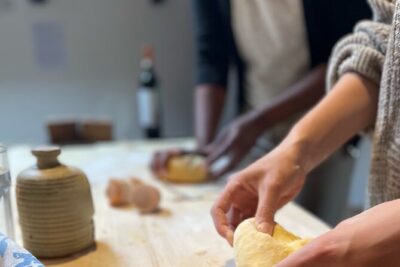
This isn’t a factory-style demo where you stand and watch. You’re in the kitchen, working with dough and learning the steps, while an English/French/Spanish/German-speaking team helps keep things easy to follow. The vibe comes through as peaceful and personal, like you’ve been welcomed into a family space in the Jewish area of Rome.
Finally, the format is tight: about 3 hours for aperitivo, two pastas, and tiramisù. That’s great if you like getting moving and learning quickly, but it can feel like a lot if you want long explanations or extra time to slow-cook every step.
In This Review
- Key highlights you’ll actually care about
- A warm home kitchen in Rome’s Jewish neighborhood
- Getting oriented in the historic center near Piazza Venezia
- Aperitivo hour: bruschetta, olives, cheese, and Italian wine
- Fettuccine carbonara with pork cheek, eggs, and pecorino
- Tagliolini cacio e pepe: pepper and cheese, done properly
- Tiramisù finish: the creamy dessert you’ll remember
- Price and value: why $118 makes sense here
- Who this class fits best in Rome (and who may not love it)
- Should you book Lidia’s Rome pasta class?
- FAQ
- Where does the cooking class meet in Rome?
- How long is the cooking class?
- How big is the group?
- What dishes are included?
- What languages do they speak?
- Is this a private experience or shared with other groups?
- How do I get the tickets?
- Is there a cancellation policy?
- Are service animals allowed?
Key highlights you’ll actually care about
- Just 6 people for a genuinely hands-on pace, not a crowded class
- Lidia and her husband guide you step-by-step in a private home setting
- Aperitivo first with tomato bruschetta, olives, cheese, and Italian wine
- Two homemade pastas: fettucine carbonara and tagliolini cacio e pepe
- Tiramisù included so your meal ends where it should—sweet and creamy
- English, French, Spanish, and German keep the class comfortable across groups
A warm home kitchen in Rome’s Jewish neighborhood
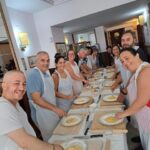
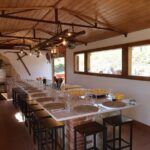
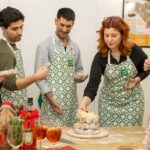
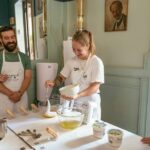
This experience is built around a private, home-style kitchen rather than a commercial school. That difference matters. In a smaller setting, you get more attention when your dough is too sticky, when your sauce needs a tweak, or when you’re unsure how to time the finishing steps. With only six people in the room, you’re not waiting your turn all the time.
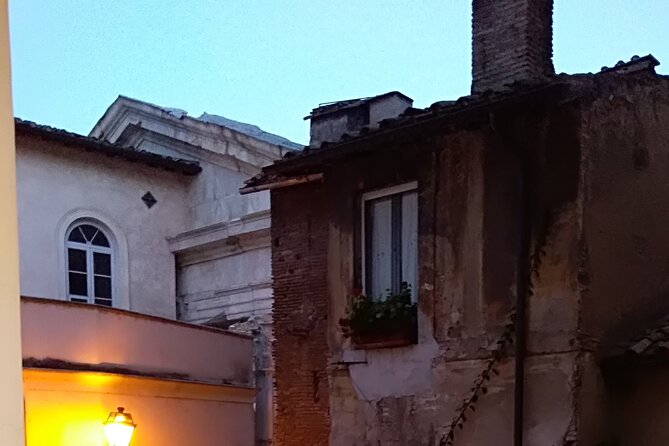
The hosts—Lidia and her husband—set the tone. Based on what people rave about, the welcome feels like you’ve arrived somewhere safe and loved, not like you’re being processed. You also get a sense of place: the meeting point is in the historic core near Via del Portico d’Ottavia, right in Rome’s Jewish quarter. Even before you cook, you’re surrounded by neighborhoods that feel lived-in, not staged.
One more detail I appreciate: the experience is designed for small groups and ends back at the meeting point. That keeps the whole night simple, which is a big deal in Rome where “one more subway stop” can turn into “why am I lost.”
You can also read our reviews of more tours and experiences in Rome.
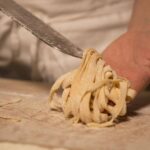

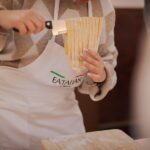
Getting oriented in the historic center near Piazza Venezia
The class starts with you connecting to central Rome’s layered past, around Piazza Venezia / Ancient City. You don’t need a museum ticket to understand the setting. When you’re in the historic center, you feel the weight of time in the streets and the architecture—even if your main goal is food.
Then you move to the kitchen location for the cooking portion. If you’re the type who likes to understand why a dish feels the way it does, starting in the ancient city area helps your brain make a connection: Roman cooking isn’t just recipes; it’s how people fed themselves in a dense, older city for generations.
A practical note: Rome streets can be confusing if you arrive late or if you rely on being able to park right next to the meeting point. Plan to get there early enough to slow down and find Torre Soricara, Via del Portico d’Ottavia, 25 without stress.
Aperitivo hour: bruschetta, olives, cheese, and Italian wine
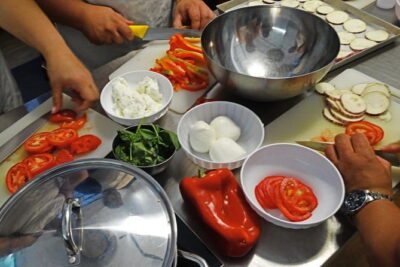
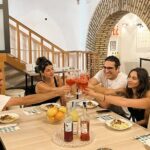
Before the rolling pins come out, you start with a classic Roman aperitivo: tomato bruschetta, olives, and cheese, plus Italian wine. This is one of my favorite parts of cooking classes because it sets the rhythm. You’re not rushing straight into flour and stress. You’re settling in, meeting the group, and getting comfortable with the pace of the kitchen.
And the menu makes sense. Bruschetta is simple, but it’s also a foundation for how Italians think about ingredients: tomato flavor, salty cheese, and a balance you can taste right away. Olives and cheese also help you adjust to wine and keep your energy up—because pasta-making asks for concentration even when you’re having fun.
If you’re worried about timing, don’t be. The structure is built so you drink and snack first, then you cook. That means you’re less likely to feel “hangry” while you’re learning technique.
Tip for the wine part: if you plan to walk afterward, keep an easy pace. Aperitivo wine plus city walking is usually fine, but Rome can trick you with how much longer trips take than you expected.
Fettuccine carbonara with pork cheek, eggs, and pecorino
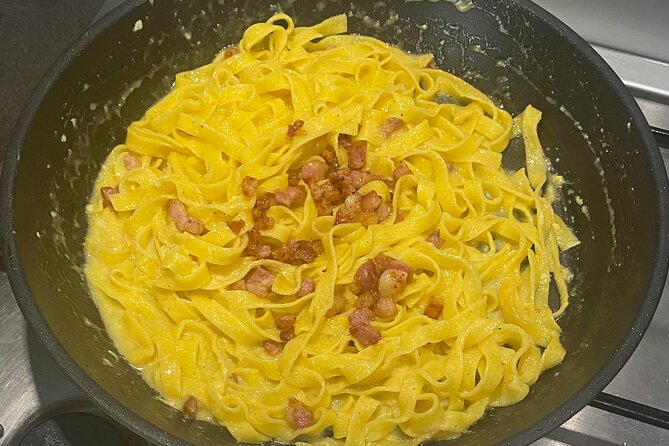
Once you’re set, the cooking gets real. You’ll make two homemade pastas, and the first is fettucine carbonara. The key ingredients listed for the carbonara are pork cheek, eggs, pecorino romano, and black pepper. That ingredient list is a clue to what you’re learning: carbonara isn’t about cream. It’s about timing, texture, and understanding how egg and cheese create a silky coating.
Here’s why this class approach is valuable. In many kitchens, carbonara can go wrong because people rush the sauce. In a small group, you can get corrected while you’re still mid-step: heat level, how you combine ingredients, and when you add egg/cheese so it turns glossy instead of scrambled.
Also, because the class is hands-on, you’ll likely get a sense of how Roman cooking respects simplicity. Carbonara tastes indulgent, but the method is what makes it work. You’re learning a workflow you can repeat later, not just following a list.
One consideration: the menu includes pork cheek. If you don’t eat pork, ask questions when you book or as early as possible. The data doesn’t specify alternatives, so don’t assume you’ll be able to swap.
Tagliolini cacio e pepe: pepper and cheese, done properly
Next up is tagliolini cacio and pepper (cacio e pepe). This one is a masterclass in restraint. There are fewer ingredients on the page, but the technique matters more than you’d expect. You’re working with a sauce built around cheese and black pepper, where balance is everything.
This is a great second pasta to learn after carbonara. Carbonara teaches you sauce timing with egg and cheese. Cacio e pepe then teaches you how to create flavor and texture with a simpler base. Together, they cover two sides of Roman pasta thinking: richness through method, and depth through ingredient control.
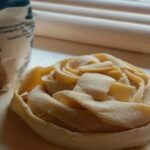
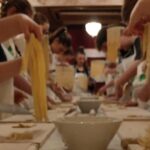
In practical terms, the class format helps because you’re not just eating and leaving. You’re actively rolling, portioning, and working through how the pasta behaves. If your tagliolini comes out slightly thicker or thinner than expected, you’ll find out quickly how that affects the way sauce clings.
This is also where I’d expect the most “aha” moments to happen. People often assume cacio e pepe is easy because it sounds simple. In reality, it asks for attention, especially when it comes to pepper intensity and how the cheese melts into something smooth.

Tiramisù finish: the creamy dessert you’ll remember
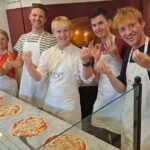
You end with tiramisù, Rome’s most famous creamy dessert. The class includes it as the final meal piece, so you’re not leaving the kitchen hungry for one last bite. Tiramisù also works well as a capstone because it gives you a different skill set after pasta: chilling, layering, and finishing with the right texture.
Even if you’ve had tiramisù before, making it in a home setting can change how you think about it. Here, you’re not just buying a dessert. You’re learning what makes the layers feel right and how the finished result should look and taste when it’s ready.
And because this class includes wine during the aperitivo, the tiramisù landing tends to feel natural. It’s sweet, soft, and satisfying, without turning the whole night into heavy food fatigue.
Price and value: why $118 makes sense here
At $118 per person for about 3 hours, this class is not the cheapest way to eat well in Rome. But it’s also not trying to be. The value comes from a few clear factors:
- Small group size (6 people): more attention, less waiting, more real coaching.
- Private home setting: a calmer, more personal environment than a large commercial kitchen.
- Full meal included: aperitivo snacks, wine, two homemade pastas (fettuccine carbonara and tagliolini cacio e pepe), and tiramisù.
- Multi-language support: English, French, Spanish, and German so you’re less likely to miss key steps.
On top of that, the experience is popular. It’s often booked about 85 days in advance, which tells you it’s filling up—especially with a limited headcount. If you want a specific day, waiting can cost you.
For money-minded travelers: you’re paying for coaching time and ingredient time, not just food. In other words, you’re buying the chance to learn how to make these dishes yourself later—not just the chance to taste them once.
Who this class fits best in Rome (and who may not love it)
This is a strong fit if you want:
- A hands-on cooking experience rather than a short tasting tour
- A small-group format where you can ask questions and get corrections
- Roman classics done the old-school way: carbonara, cacio e pepe, and tiramisù
- A cultural connection in the Jewish quarter of Rome, not just a generic cooking show
It may be less ideal if:
- You need guaranteed dietary substitutions. The listed menu includes pork cheek, and the data doesn’t mention alternatives.
- You want a very long, slow-paced class. It’s designed for about 3 hours, with a lot packed in.
- You prefer group tours with lots of different activities. This is focused: you cook and eat.
Good news: since it’s private (only your group participates), you’re not sharing the kitchen with strangers beyond your booking group. And with the experience being designed for multiple languages, you should feel included even if your group isn’t all one language.
Also, if you’re someone who likes to bring photos home, you’ll likely have plenty of moments to capture—especially right after you plate your pasta and dessert.
Should you book Lidia’s Rome pasta class?
I’d book it if you want a real Rome cooking night: small, personal, and centered on classics you’ll remember. The best signs are the 5 out of 5 rating across 11 reviews, the intimate 6-person setup, and the fact that you’re not just watching. You’re making the pastas and finishing with tiramisù in a home-style environment in the Jewish neighborhood.
I’d hesitate only if your diet rules out pork and you can’t get confirmation about swaps, or if you’re easily overwhelmed by a schedule that moves from aperitivo to two pastas to dessert within a 3-hour window.
If you’re going, do yourself a favor: wear comfortable clothes (there will be flour at some point) and arrive with enough time to find Torre Soricara calmly. Rome rewards the relaxed plan.
FAQ
Where does the cooking class meet in Rome?
The start point is Torre Soricara, Via del Portico d’Ottavia, 25, 00186 Roma RM, Italy.
How long is the cooking class?
It runs for about 3 hours.
How big is the group?
The experience is limited to just 6 people.
What dishes are included?
You’ll have tomato bruschetta with olives and cheese, two homemade pastas (fettucine carbonara and tagliolini cacio and pepper), and tiramisù.
What languages do they speak?
The class is offered in English, French, Spanish, and German.
Is this a private experience or shared with other groups?
It’s private—only your group participates.
How do I get the tickets?
You receive a mobile ticket.
Is there a cancellation policy?
Yes. Free cancellation is available up to 24 hours in advance for a full refund.
Are service animals allowed?
Yes, service animals are allowed.