REVIEW · MUNNAR
Kerala Traditional village cooking class (Munnar)
Book on GetYourGuide →Operated by Amazing Munnar Adventure Tourism Society · Bookable on GetYourGuide
Tea country tastes better with village hands.
This Munnar traditional cooking class is run from a real home, led by Mr Raveendra kumar and Mrs selvi, who have been serving and teaching since 2001. You also get a market stop and a guided look at local produce, spices, and tea-country ingredients—turning Kerala food from something you eat into something you understand.
I love that the class mixes technique with culture. You’ll learn the key building blocks—think coconut milk, curry leaves, mustard seeds, and staples like turmeric, coriander, and cumin—while also hearing how “medicinal supplements” show up in everyday kitchen thinking. I also like that it’s hands-on: after a live demo, you cook in small groups and then sit down for the meal you made.
One consideration: the session is listed as 4 hours, but it can run longer by about an hour or more depending on what’s on the menu and how much cooking time you get.
In This Review
- Key things I’d circle before you book
- Kerala village cooking in Munnar: what makes this class feel real
- The included market visit: buy like a cook, not like a tourist
- Getting started at the home kitchen: ingredients, tools, and expectations
- Languages and communication
- The live cooking demonstration: how Kerala flavor gets built
- Hands-on cooking: you’ll actually cook, in a group
- What you might cook: Kerala classics and the logic behind them
- Tasting session: you eat what you made, course by course
- Timing and logistics: the small stuff that can make or break your day
- Pickup and drop
- Private group feel
- Value for $21: why this feels like more than a meal
- Who should book this Kerala traditional cooking class in Munnar?
- A note on rules
- Should you book it? My straight answer
- FAQ
- How long is the Kerala village cooking class in Munnar?
- What is included in the price?
- Is pickup and drop from my hotel included?
- What languages will the instructor speak?
- Can I request a vegetarian class?
- Is it wheelchair accessible?
- What is the cancellation policy?
Key things I’d circle before you book
- A home-led cooking lesson with Mr Raveendra kumar and Mrs selvi (plus family help in some sessions)
- Market visit included, so you taste the ingredients before they hit the pan
- Hands-on group cooking, not just watching a demonstration
- Kerala staples + regional comfort food like appam, avial, puttu, and curry options you may get to make
- English, Tamil, and Malayalam support, so you’ll have a better chance to follow along
Kerala village cooking in Munnar: what makes this class feel real
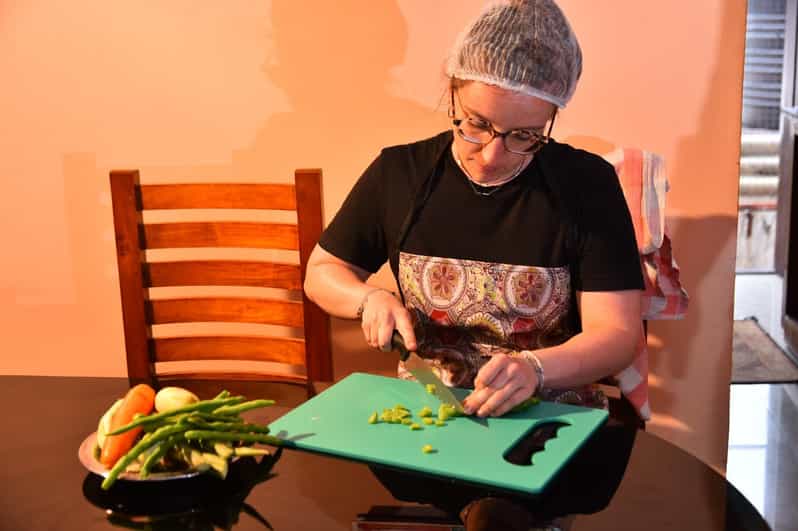
This isn’t a show kitchen. It’s a lived-in home kitchen in Kerala’s tea country, where the host couple’s focus is practical: what to buy, how to prepare, and how the flavors are built. That matters, because Kerala cooking isn’t just “add spice.” It’s timing, texture, and layering—coconut-based richness, tempering spices, and sauces that simmer into the background of the meal.
I also like that the class has a clear theme: traditional Munnar village dishes and medicinal supplements, alongside the recipes themselves. Even if you’re not trying to “cook for health,” it changes how you look at ingredients. Curry leaves, mustard seeds, turmeric, and the way coconut milk is handled all become purposeful, not random.
Finally, the class is built for conversation. The format includes a Q&A at the end, and the hosts encourage questions during cooking—so you’re not stuck nodding along while the food happens without you.
You can also read our reviews of more tours and experiences in Munnar.
The included market visit: buy like a cook, not like a tourist
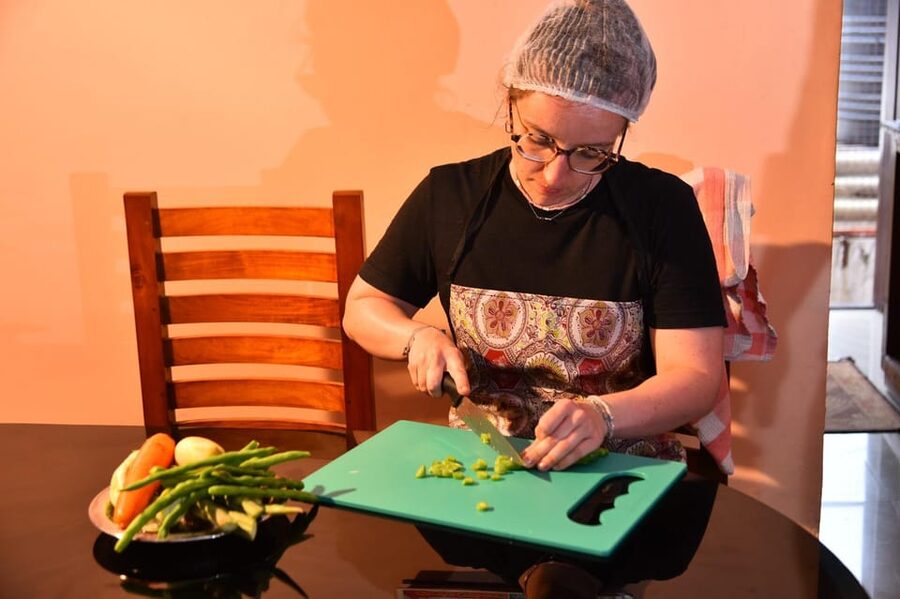
One of the best parts is the market visit included in the experience. You’re not just shown ingredients—you get time to see what’s available, which helps you understand why certain dishes taste a certain way in Munnar at that moment.
In Kerala cooking, fresh produce and spices drive everything. When you learn what’s coming from local fruits, vegetables, and spices, you start to grasp why coconut milk, leafy herbs, and tempering spices show up in so many recipes. It also helps if you’re vegetarian or you want to avoid certain flavors, because you can ask what’s used and why.
Practical note: wear comfortable shoes. Markets involve walking and uneven ground, and you’ll likely be handling or inspecting ingredients before you head to the kitchen.
Getting started at the home kitchen: ingredients, tools, and expectations
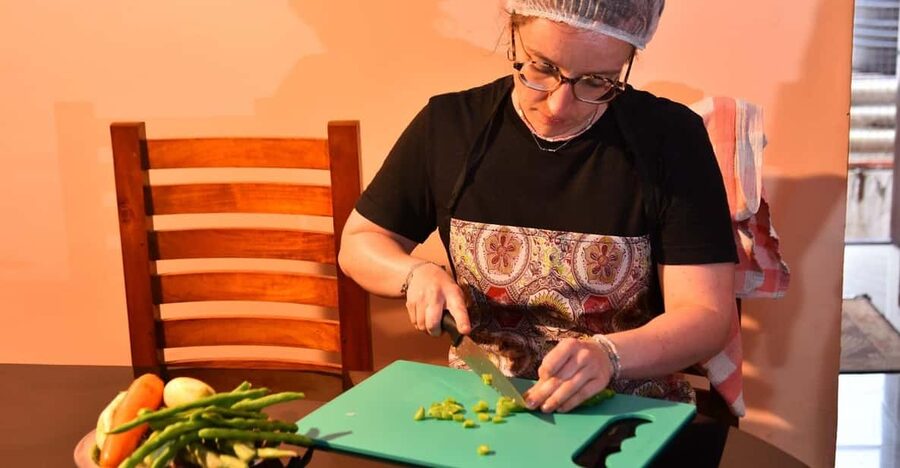
You’ll be welcomed and taken through the essentials before the stove work begins. The hosts introduce key ingredients used in Kerala cooking—coconut milk, curry leaves, mustard seeds, turmeric, coriander, cumin, and other spices that show up again and again. This is where the “medicinal supplements” angle fits in: you learn that some ingredients aren’t just for flavor, but for everyday use and tradition.
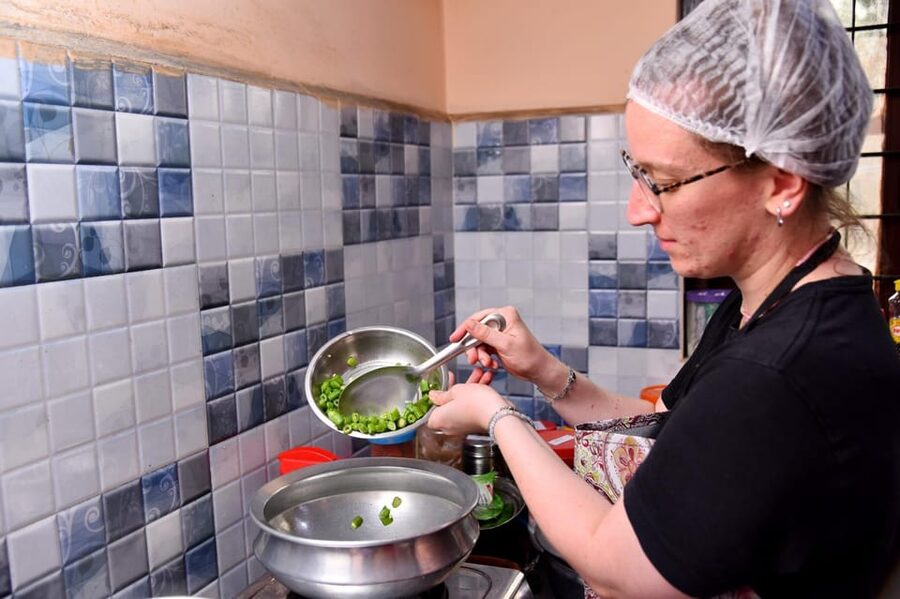
You’re also provided with basic tools that make it easier to participate. You get a knife, apron, and cutting board, plus pen and paper if you want to jot down steps and spice combinations. That little stationery detail matters more than it sounds—when you leave, your memory of the order of steps can fade fast.
Languages and communication
The instructor supports English, Tamil, and Malayalam. In a private group setting, you’re more likely to get explanations tuned to how you’re understanding, not just a one-way lecture.
The live cooking demonstration: how Kerala flavor gets built
The class includes lecture and demonstration, where your hosts show selected dishes step by step. Based on the class design, you can expect a focus on procedure—how ingredients are added, how cooking heat changes the outcome, and what to watch for so the dish tastes like home-cooked Kerala instead of generic curry.
In Kerala cooking, the “how” is the magic. Watch for things like:
- When coconut milk is added (too early and it can lose its balance)
- How spices are tempered or woken up in oil (mustard seeds and curry leaves often play a role here)
- The texture goal: thick vs. loose, smooth vs. slightly grainy, and how vegetables should feel when they’re done
The hosts also encourage questions during the demo. If you care about vegetarian versions, spice levels, or substitutions, this is the moment to ask.
Hands-on cooking: you’ll actually cook, in a group
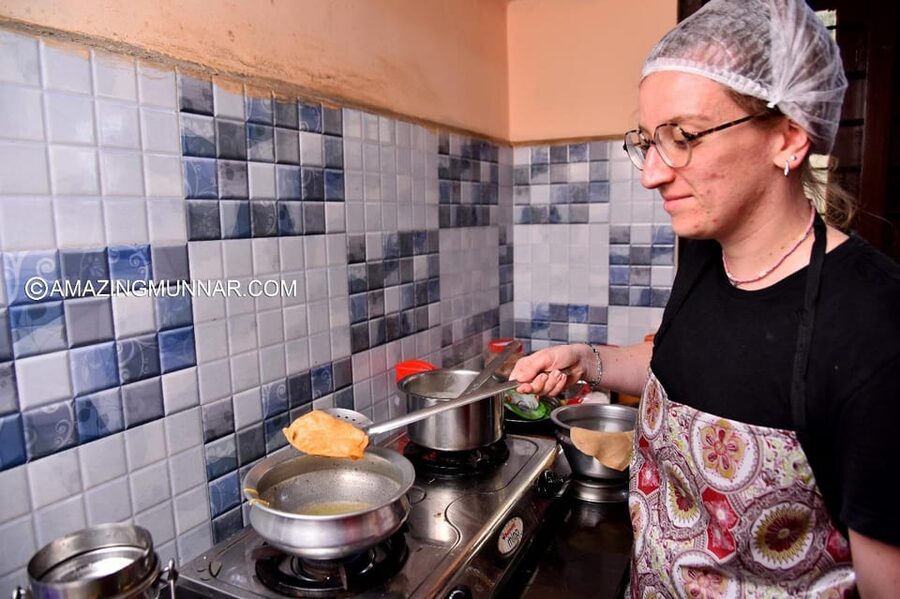
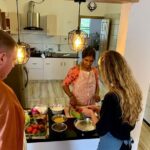
After the demonstrations, you move from observer to cook. You’re divided into groups, and each group is assigned a dish to prepare with guidance. This is one of the biggest reasons this class earns strong scores.
If you’ve ever taken a cooking class where you stir one sauce while someone else does the real work, you’ll feel the difference here. The format is designed to spread the tasks and keep you involved, which helps you learn the recipe rather than just consume it.
Depending on the menu, you might end up cooking multiple courses. Past groups have described making around 8 dishes or 6–7 additional courses, and that lines up with the class structure: welcome drinks/snacks, mains, and desserts.
What you might cook: Kerala classics and the logic behind them
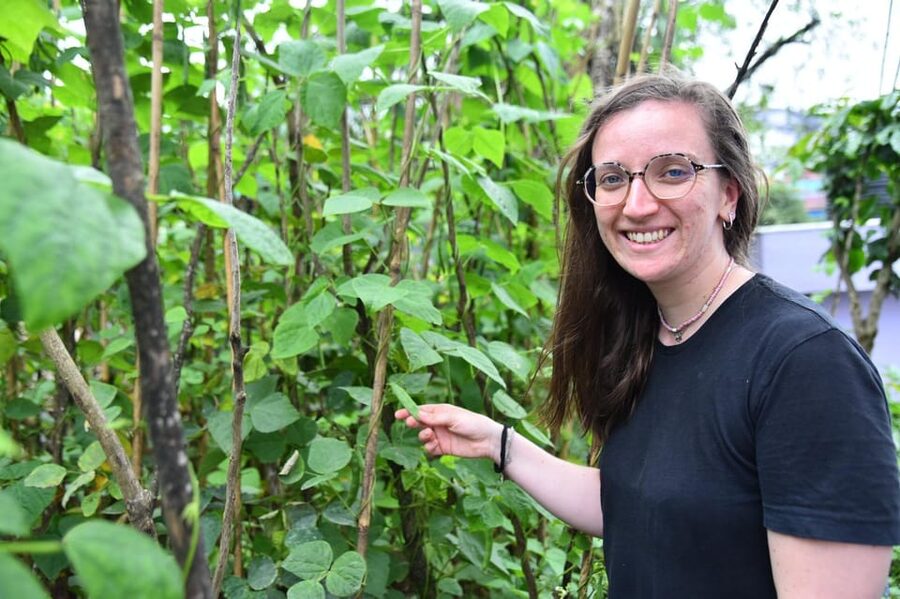
The menu is planned ahead of time (finalized at least 12 hours before), and it’s categorized into Veg, Non-Veg, Snacks, Welcome drinks, and Dessert. You’ll likely see a mix rather than just one dish type, which is great if you want a broad understanding of Kerala village meals.
Examples of dishes the class may include:
- Appam and stew
- Fish curry
- Avial
- Puttu and kadala curry
- Plus snacks and a dessert, depending on the day’s plan
Here’s why that set makes sense for Munnar’s food education. Appam and puttu teach you Kerala’s idea of pairing: soft, steam-based or fermented carbs with saucy, spice-forward sides. Avial teaches the “vegetables deserve respect” approach—cooked until tender, but not turned into baby food. Curry options teach how coconut, spice, and acid or seasoning work together.
If you’re vegetarian, the class can be arranged for you, and the home-kitchen approach shines through in how many different vegetables become the star.
Tasting session: you eat what you made, course by course
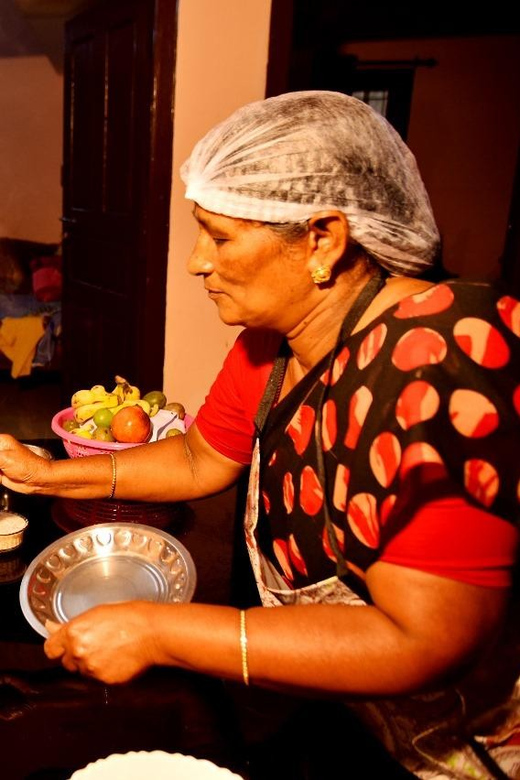
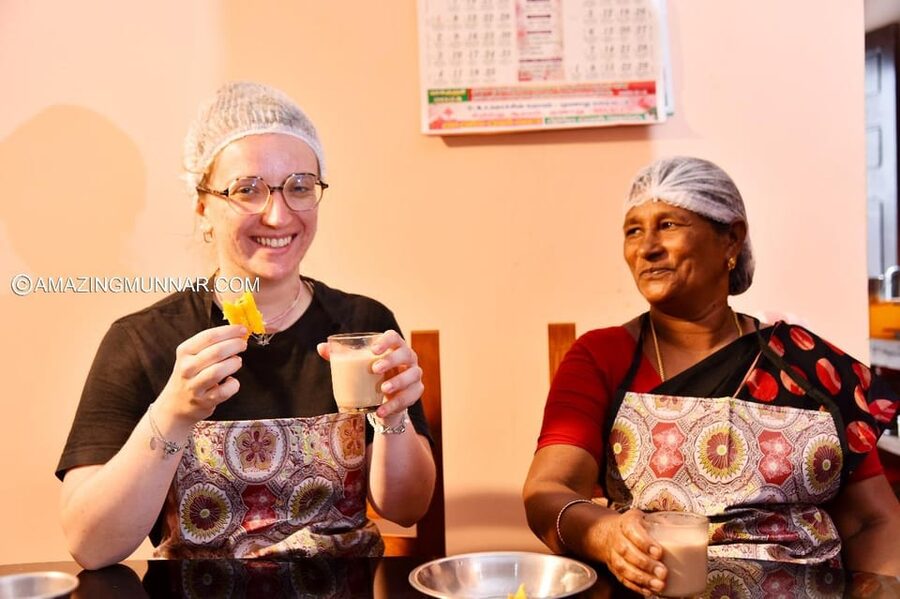
After you finish cooking, the class shifts into tasting. Everyone samples the dishes made by the group, and you’ll get space to discuss flavors, textures, and aromas. This matters because Kerala food often has layered aromas—spice tempering, coconut sweetness, and herb notes that become obvious when you compare dishes side by side.
It’s also when you can ask practical questions like:
- What makes one curry thicker than another?
- Why does a tempering smell different after a minute or two?
- How to get the right balance between spices and coconut richness?
And yes, there’s a meal and snacks included. Groups have also referenced things like masala tea and banana snacks, which fit the welcome-drink-and-snack setup.
Timing and logistics: the small stuff that can make or break your day
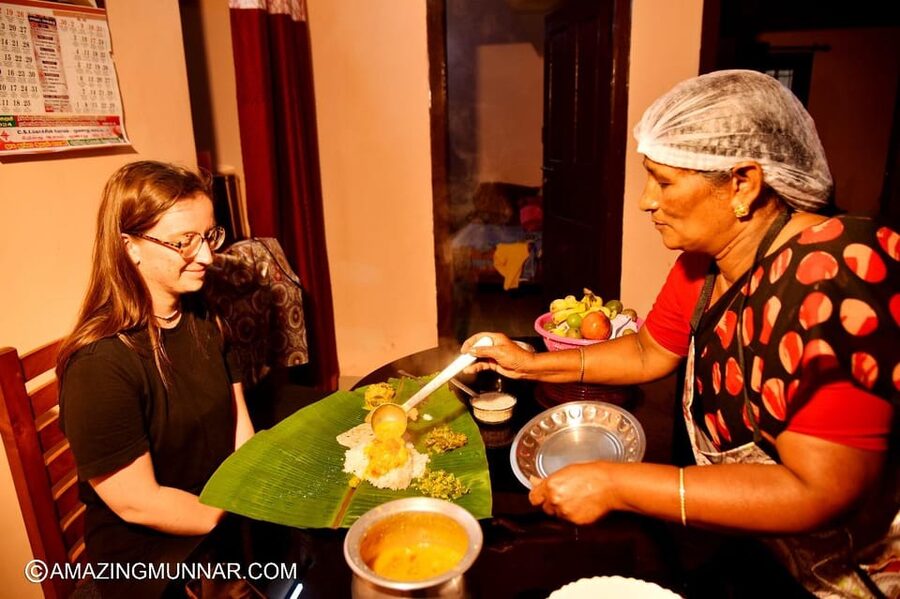
Plan around the stated duration, but don’t be shocked if the session runs longer. The class is listed as 4 hours, and the host notes it may extend by about an hour or more based on dishes. If you have an evening show or a tight dinner reservation, give yourself a buffer.
Pickup and drop
Pickup and drop are included, but only within a limited radius: free pick up and drop up to 2 km from Munnar town. If you’re farther out or want hotel pickup beyond that, additional charges apply.
If you’re meeting at a specific pickup point, be ready to confirm details ahead of time. Some people found it confusing when meeting points didn’t match exactly where they expected to gather. A quick message the day of your class is a smart move.
Private group feel
The experience is described as a private group. That’s a big deal for a cooking class because you can ask more questions, get more hands-on attention, and avoid the “everyone watches while someone else cooks” problem.
Value for $21: why this feels like more than a meal
At about $21 per person for roughly 4 hours, plus market visit, cooking instruction, meal and snacks, and basic tools, this can be excellent value—especially because you aren’t paying only for food. You’re paying to learn how the food is made.
Here’s where the value really comes from:
- Market visit: you see and choose ingredients, not just eat finished dishes
- Live demo + hands-on: you practice, so you can replicate at home
- Multiple courses: snack, mains, and dessert depending on the menu day
- Private, multi-language instruction: better clarity and better participation
If you love trying regional cooking but hate generic classes that feel rushed, this format tends to fit well.
Who should book this Kerala traditional cooking class in Munnar?
This is a great match if you:
- Want a true Kerala home-cooking experience rather than a restaurant-style demo
- Like food education you can use at home (ingredient roles, technique, timing)
- Enjoy markets and learning what’s local right now
It may be less suitable if you need strong accommodations for sensory impairments. The class is described as not suitable for visually impaired people and hearing-impaired people. At the same time, it’s marked wheelchair accessible, so mobility should be workable. Still, sensory needs may require extra thought.
A note on rules
The experience lists clear boundaries: no pets, no intoxication, no alcohol or drugs, and no alcoholic drinks in the vehicle. Nudity, fireworks, and explosive substances are also not allowed. In practice, it means you should expect a calm, family-friendly home setting.
Should you book it? My straight answer
If your goal is to leave Munnar with more than photos—if you want real technique, ingredient understanding, and a meal that actually reflects a village-style kitchen—then yes, book this class. The combination of market visit, guided cooking, and sitting down to taste what you made creates a full-circle experience.
Hold off or book carefully if your schedule is tight. The class can run longer than the 4-hour estimate, and pickup details matter if you’re not staying close to Munnar town.
FAQ
How long is the Kerala village cooking class in Munnar?
The duration is listed as 4 hours, and it may extend by about 1 hour or more depending on the dishes.
What is included in the price?
Inclusions include lecture and demonstration, meal and snacks, water bottle, market visit, travel guidance, knife, apron, cutting board, and pen and paper.
Is pickup and drop from my hotel included?
Pickup and drop are included within a 2 km radius from Munnar town. If you need pickup from a hotel outside that area, additional charges may apply.
What languages will the instructor speak?
The instructor supports English, Tamil, and Malayalam.
Can I request a vegetarian class?
You can request a vegetarian class, and vegetarian options have been part of past groups.
Is it wheelchair accessible?
Yes, the experience is marked wheelchair accessible. However, it is described as not suitable for visually impaired people and hearing-impaired people.
What is the cancellation policy?
You can cancel up to 24 hours in advance for a full refund.
If you tell me your dates and whether you want vegetarian only, I can help you figure out what to ask for before you go.