REVIEW · KYOTO
Private Plant-Based Japanese Cooking Class – Kyoto Edition
Book on Viator →Operated by ABC Sustainatable · Bookable on Viator
Kyoto food made from scratch in two hours. This private class focuses on shojin ryouri, the plant-based Buddhist cooking style tied to Kyoto, and it has you learning dishes like rice and miso soup with seasonal local ingredients.
I especially like that it’s designed for real people, not culinary geniuses. You’ll get clear English instruction, and you also end with a bamboo lunchbox you can keep as a souvenir.
One thing to consider: the whole session is only about 2 hours, so if you want deep, technical training, this is more about learning the fundamentals and tasting the culture than mastering advanced technique.
In This Review
- Key highlights at a glance
- Shojin Ryouri: Kyoto’s plant-based food you’ll actually remember
- What you’ll cook: rice, miso soup, and the Kyoto meal build
- Rice made fresh, the traditional way
- Miso soup from scratch
- Shojin ryouri dishes with seasonal vegetables
- Two flavors of Kyoto yatsuhashi (mochi-style sweets)
- The studio setup and how the lesson actually feels
- Private means real interaction
- English lesson support
- Layout matters: you’re near the station
- Yatsuhashi: making Kyoto-style sweets you can recreate later
- Why the bamboo lunchbox souvenir is more than cuteness
- Price and value: is $98 a good deal for a private cooking class?
- Who this Kyoto cooking class fits best
- A simple plan: when to book and how to fit it into your day
- Should you book the Private Plant-Based Japanese Cooking Class?
- FAQ
- What is included in the class menu?
- Is the cooking class private?
- How long is the experience?
- Where does the class meet in Kyoto?
- Is it accessible if I don’t speak Japanese?
- Do I get to take something home?
- Is this class based on plant-based Buddhist cuisine?
- How close is it to public transportation?
- How far in advance should I book?
- What’s the cancellation policy?
Key highlights at a glance
- Shojin ryouri in Kyoto context: Learn Buddhist plant-based dishes with a Kyoto lens, using seasonal produce.
- Rice and miso from scratch: You make essentials the traditional way, not just quick prep steps.
- Two types of yatsuhashi: You’ll practice Kyoto-style sweets built around mochi-like dough.
- Private, group-only class: It’s just your group, so you can ask questions without fighting for attention.
- Convenient location near transit: Easy to get to from the station area, so you can roll it into your sightseeing day.
- Take-home bamboo lunchbox: You leave with a useful, culture-forward souvenir.
Shojin Ryouri: Kyoto’s plant-based food you’ll actually remember
If you think Japanese cuisine is only about seafood and pork, this class gently corrects that idea. You’ll cook shojin ryouri—traditional plant-based Buddhist cuisine—where flavor comes from careful technique, thoughtful ingredients, and the way Kyoto seasons show up on your plate.
Kyoto is famous for refined food culture, and shojin ryouri is one reason why. The style is built around vegetables and pantry staples, with an emphasis on balance rather than heat or heavy sauces. In a cooking lesson like this, that matters because you’re not just hearing about the tradition—you’re handling the ingredients and learning the steps that make the food feel light, calm, and surprisingly satisfying.
The class also fits well into a first-time Kyoto visit. You’re learning food that’s deeply tied to the city, but without needing a long schedule or complicated planning.
You can also read our reviews of more tours and experiences in Kyoto.
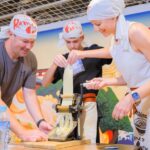
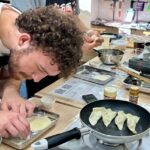
What you’ll cook: rice, miso soup, and the Kyoto meal build
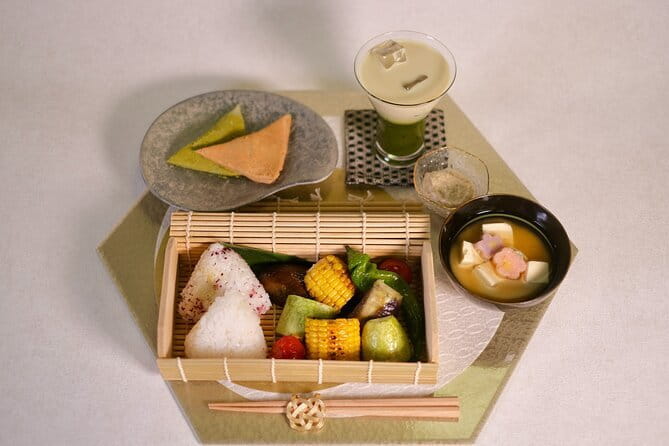
The menu centers on a core set of Japanese home-cooking skills, then finishes with Kyoto’s famous sweets.
Rice made fresh, the traditional way
You’ll learn how to make rice from scratch. That sounds simple until you actually see the workflow: timing, attention, and how the process shapes the final texture. In many cooking classes, rice is treated as an afterthought. Here, it’s part of the lesson plan—so you walk away understanding why good Japanese rice tastes the way it does.
Miso soup from scratch
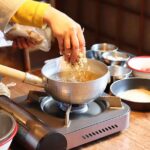
Next comes miso soup, also made traditionally during the session. Miso is one of those flavors people either love or never quite get, and most visitors eat it only as a side dish. Making it yourself helps you notice the difference that comes from the base, the heat level, and what gets added and when.
Shojin ryouri dishes with seasonal vegetables
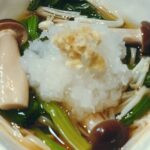
The class isn’t only rice and soup. You’ll also learn how to prepare traditional plant-based Buddhist dishes using locally sourced seasonal ingredients. This is where the lesson feels most “Kyoto.” Instead of generic vegetables, you’re working with what’s current, and that changes the taste and the texture of what you cook.
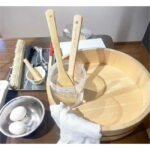
Two flavors of Kyoto yatsuhashi (mochi-style sweets)
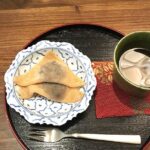
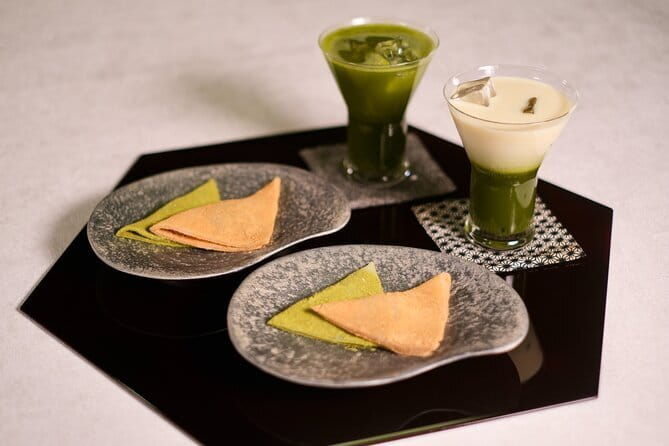
For the sweet tooth, the session includes instructions for making two flavors of Kyoto-style yatsuhashi. In plain terms, you’re learning a Kyoto take on mochi-like sweets: shaping and working with a dough that’s fun to make and memorable to taste.
Because there are two versions, you get more than one technique and more than one flavor profile. That’s a nice payoff for a short class.
The studio setup and how the lesson actually feels
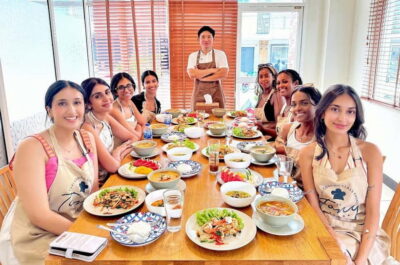
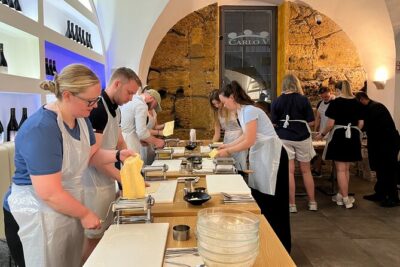
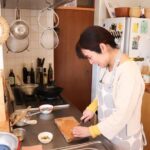
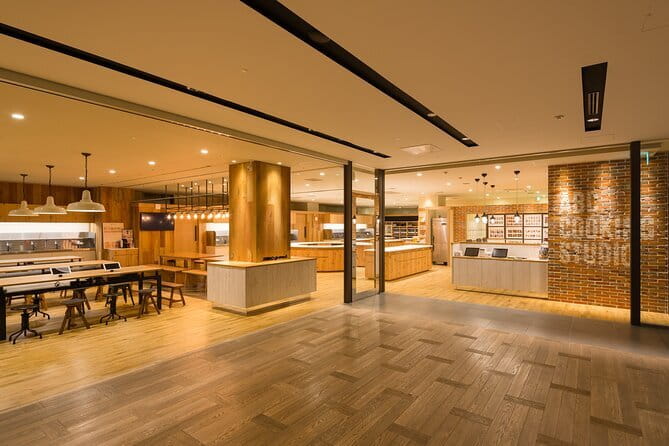
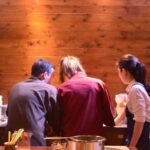
A big part of a cooking class is the environment, and this one seems built for comfort. The kitchen space is described as big and clean, with a welcoming studio feel. It’s the kind of setup that makes you stop worrying about the little things—missing a step, not speaking enough Japanese, or trying to figure out where to stand.
Private means real interaction
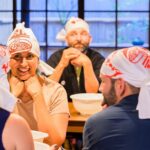
This is a private tour/activity, so it’s only your group. That changes the whole dynamic. In a shared class, you can end up waiting for the instructor to circle back. Here, you get more direct guidance and more chances to ask what you’re doing wrong before it turns into something inedible.
English lesson support
Language doesn’t need to be a barrier. The lesson is run as an English lesson, and instructors are comfortable working with non-Japanese speakers. If your Japanese is limited, you can still follow the steps, and you’ll get help when your hands are doing something different than your brain expected.
One instructor name that comes up in the experience is Haruhi—and the style described is patient and hands-on, with staff guiding people through the process step by step.
Layout matters: you’re near the station
Meeting at LAQUE Shijo Karasuma (101), Kankobokochō, Shimogyo Ward, Kyoto 600-8009 keeps things practical. You’re close to public transport and can get there without building an entire morning around logistics. In Kyoto, that is a real advantage—because you’ll want to use your energy for the city, not for detours.
Yatsuhashi: making Kyoto-style sweets you can recreate later
If you want one takeaway that feels genuinely “Kyoto,” it’s the yatsuhashi. People buy these sweets as souvenirs, but they rarely get the chance to make them.
In this class, you’ll learn how to make two flavors. The process is interactive, and the learning style is simple enough that you don’t need advanced cooking skills. The goal isn’t to turn you into a pastry chef. It’s to help you understand how the dough behaves, how the sweet sets, and how the shaping and flavoring connect.
This is also where the class earns its practical side. When you can make a Kyoto sweet at home, you get a lasting memory that isn’t limited to a photo. And since you’re working through the steps yourself, you’ll be able to troubleshoot next time—like why one batch feels softer or why another cooks slightly differently.
Why the bamboo lunchbox souvenir is more than cuteness
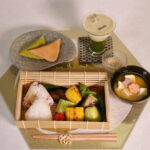
At the end, you’ll take home a bamboo lunchbox. Some souvenirs are just decoration. This one is genuinely useful: bamboo is lightweight, it fits everyday routines, and it also keeps the food memory close after you return home.
If you’re the type who likes to bring back something that will actually get used—rather than something that stays in a drawer—this is a smart inclusion. It also reinforces the theme of the class: practical cooking, practical packaging, and food you can live with, not just admire.
Price and value: is $98 a good deal for a private cooking class?
At $98 per person, it’s not the cheapest thing in Kyoto. But you’re paying for a few things that add up quickly:
- Private group format, meaning more direct teaching time.
- A full lesson pace built around multiple dishes (rice, miso soup, shojin ryouri dishes, plus two yatsuhashi flavors).
- Hands-on cooking with ingredients provided, plus you keep a bamboo lunchbox.
In other words, you’re not just buying a meal. You’re paying to learn a set of techniques and to get a personal experience you can’t easily replicate from a supermarket recipe alone.
Also, the time is efficient. About 2 hours is long enough to learn and eat, but short enough that you can still enjoy the rest of your day in Kyoto without feeling pinned down.
Finally, the class supports group discounts and uses a mobile ticket, which makes the experience feel modern and easy to manage.
Who this Kyoto cooking class fits best
This is a great match if you want:
- A culture-first activity that includes food you can understand and replicate.
- Something that works for different cooking backgrounds, since the lesson pace is built for participation, not intimidation.
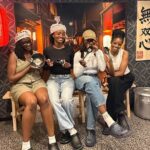
- A friendly option for a group trip—especially with friends—because the private format makes it easier to bond while you cook.
It’s also a smart choice if you’re trying to balance your Kyoto schedule. You can get there easily from the station area, finish in time for sightseeing, and still leave with a souvenir that feels connected to what you learned.
If you’re a highly technical cook and want advanced knife skills or complicated multi-course choreography, you might find the short session a little too focused. But if your goal is learning the basics well and eating what you make, it’s a strong fit.
A simple plan: when to book and how to fit it into your day
You’ll typically see this booked around 13 days in advance on average. If you’re traveling in peak season or want a specific time slot, booking earlier is wise.
Because the location is convenient and the class ends back at the meeting point, you can treat it like an anchor on a sightseeing day. Go, cook, eat, and then use the rest of your afternoon for temples, markets, or the quieter neighborhood walks you’ve been saving.
Should you book the Private Plant-Based Japanese Cooking Class?
Book it if you want a Kyoto experience that’s hands-on, plant-based, and focused on real skills you can repeat. The standout strengths are the culture-driven menu (shojin ryouri in a Kyoto setting), the included basics (rice and miso soup from scratch), and the sweet payoff (two yatsuhashi flavors). Add in the private format and the convenient location, and it becomes an activity that fits well into almost any itinerary.
Skip it only if you’re chasing a longer, more advanced cooking course. At about two hours, this class is about guided learning and good results, not a deep technical marathon.
If you want a memorable Kyoto story you can explain later—rice, miso, shojin ryouri, and yatsuhashi—this is the kind of lesson that gives you that story in a very practical way.
FAQ
What is included in the class menu?
You’ll learn to make plant-based Buddhist cuisine (shojin ryouri) with seasonal ingredients, including rice and miso soup from scratch. The menu also includes instructions for making two flavors of Kyoto-style yatsuhashi.
Is the cooking class private?
Yes. It’s a private tour/activity, and only your group will participate.
How long is the experience?
The cooking class lasts about 2 hours.
Where does the class meet in Kyoto?
The meeting point is LAQUE Shijo Karasuma101 Kankobokochō, Shimogyo Ward, Kyoto, 600-8009, Japan, and the activity ends back at the meeting point.
Is it accessible if I don’t speak Japanese?
The lesson is offered as an English lesson, and instruction is designed to be workable even when your Japanese is limited.
Do I get to take something home?
Yes. After the meal, you can take the bamboo lunchbox home as a souvenir.
Is this class based on plant-based Buddhist cuisine?
Yes. The focus is on traditional plant-based Buddhist cuisine (shojin ryouri).
How close is it to public transportation?
It’s near public transportation, with direct access from the station area.
How far in advance should I book?
On average, it’s booked about 13 days in advance.
What’s the cancellation policy?
You can cancel for free up to 24 hours in advance for a full refund. If you cancel less than 24 hours before the start time, the amount paid is not refunded.