REVIEW · TOKYO
Ramen Making from Scratch – Tokyo Ultimate Cooking Class
Book on Viator →Operated by Patia's Japanese Cooking Class · Bookable on Viator
You’ll smell garlic before you decide anything else. This hands-on class teaches Jiro-style ramen from scratch, including thick noodles and the rich garlic-infused soup, then you finish by assembling and eating your own bowl. I especially love that you’re not just watching—you’re making the noodles from flour, and you also get to work on toppings like chashu. One drawback to note: vegan and vegetarian options aren’t available.
The timing is straightforward: you’ll meet at 12:20, cook from 12:30 to 13:30, then do tasting as part of the included lunch. You’ll walk away with a recipe you can recreate at home, plus later-downloadable photos from the experience.
For the money, at $91.45 per person, you’re paying for a real kitchen lesson, not a quick demo. The class is limited to a maximum of 12 travelers, which usually means more chances to get questions answered while you cook.
In This Review
- Key things to know before you cook
- Jiro-Style Ramen in Two Hours: The Real Learning Goal
- Schedule and Timing: How 12:20 to 13:30 Fits Together
- Cooking Session: Making Fresh Noodles from Flour
- The Garlic-Infused Broth: Flavor You Can Recreate
- Chashu Pork, Vegetables, and Building the Bowl
- Lunch + Tasting: Eating the Results Without the Guesswork
- Photos, Recipe Take-Home, and the Quiet Convenience Stuff
- Price and Value: What $91.45 Buys You in Tokyo
- Who Should Book This Ramen-Making Class
- Practical Considerations: Location and What’s Not Included
- Should You Book This Tokyo Ramen Class?
- FAQ
- How long is the ramen-making class?
- What is the schedule during the day?
- Is lunch included?
- Can I request chashu made with chicken instead of pork?
- Are vegan or vegetarian options available?
- Is hotel pickup and drop-off included?
- What happens if I need to cancel or the weather is bad?
Key things to know before you cook
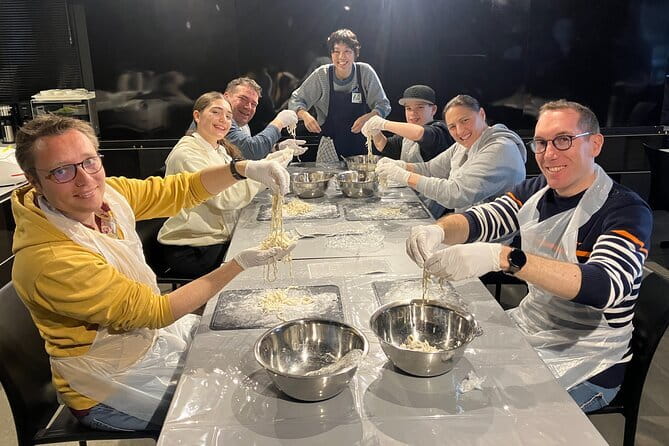
- Full ramen build, from flour to bowl so you practice the whole flow, not just one component
- Thick Jiro-style noodles paired with a garlic-forward soup profile
- Chashu pork cooking and slicing plus vegetables as part of the final bowl
- Small class size (max 12) for a more personal feel
- Later-downloadable photos to capture your work without juggling your phone
- Chashu switch to chicken if you request it more than 48 hours ahead
Jiro-Style Ramen in Two Hours: The Real Learning Goal
The core idea here is simple and useful: you’ll learn how to recreate a complete bowl of Jiro-style ramen at home. That means you’re working through the steps that usually feel mysterious when you only eat ramen out—making noodles, building a garlic-rich broth, and handling toppings like chashu.
What makes this style memorable is the balance it aims for: thick noodles, a soup that leans rich and garlic-forward, and lots of topping. You won’t just memorize a flavor; you’ll understand the workflow that gets you there.
And yes, the class ends with the part you came for—tasting what you made. You’ll sit down to enjoy lunch that’s connected to the hands-on work you just did, which makes the whole lesson feel practical instead of theoretical.
You can also read our reviews of more tours and experiences in Tokyo.


Schedule and Timing: How 12:20 to 13:30 Fits Together
This experience is built around a tight, easy-to-follow block of time. You meet at 12:20, start cooking at 12:30, and run until 13:30, when tasting begins.
That structure matters because ramen has moving parts. Noodles, broth, and toppings each need attention, so the class flow helps you avoid the most common home-cooking problem: rushing one step and throwing off the rest. If you’re the kind of cook who likes to see how timing works in real life, you’ll appreciate this setup.
Also, the pacing is ideal for a first ramen lesson. Two hours can sound short, but because you’re following guided steps, you’re not stuck doing one slow task for the entire session.
Cooking Session: Making Fresh Noodles from Flour
The class starts where most ramen lovers want to begin: with noodles. You’ll learn to make noodles from flour, which is the backbone of the experience.
Why this is so valuable is that it changes how you think about ramen. When noodles are store-bought, you mostly adjust broth and toppings. With homemade noodles, you learn how dough and shaping affect the final bite—especially important for thick Jiro-style noodles, which need more attention than thin noodles.
You’ll also get a clear sense of what “from scratch” actually means in a cooking class setting. Instead of vague tips, you’re working the dough, following the rhythm of a real kitchen lesson, and building a noodle you can recognize as yours.
If you like food projects that feel hands-on and satisfying, this portion is the emotional high point. Several people note how fun it is to make a bowl with your own hands, and this is exactly where that feeling comes from.
The Garlic-Infused Broth: Flavor You Can Recreate
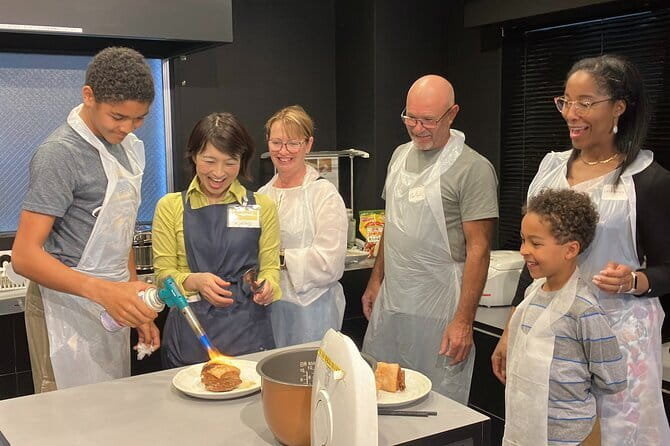
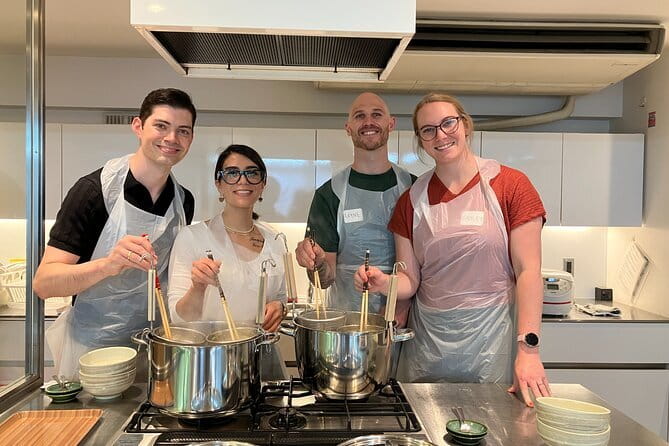
Next comes the soup—rich and garlic-infused—so you get the bold base that makes Jiro-style ramen what it is. You’ll prepare the broth as part of the guided process, which matters because ramen broth isn’t just salt and heat. It’s a system of flavors and concentration that you learn by doing.
What I like about teaching ramen this way is that you can actually translate it to home cooking. The class doesn’t stop at the taste; it focuses on how to recreate the dish yourself, and the broth is where that becomes most practical.
Also, garlic-forward soup is one of those flavors that can easily go wrong if you only guess. In class, you’re not leaving it to luck—you’re using the recipe approach and getting help as you go. That reduces the usual frustration of trying to copy restaurant taste in your own kitchen.
Chashu Pork, Vegetables, and Building the Bowl
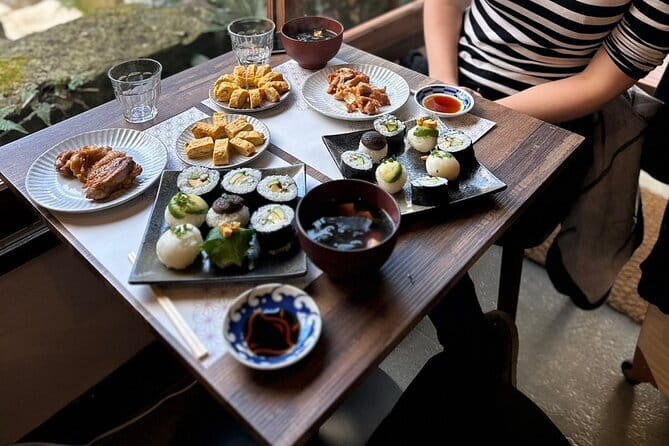
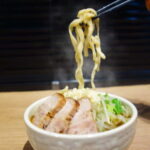
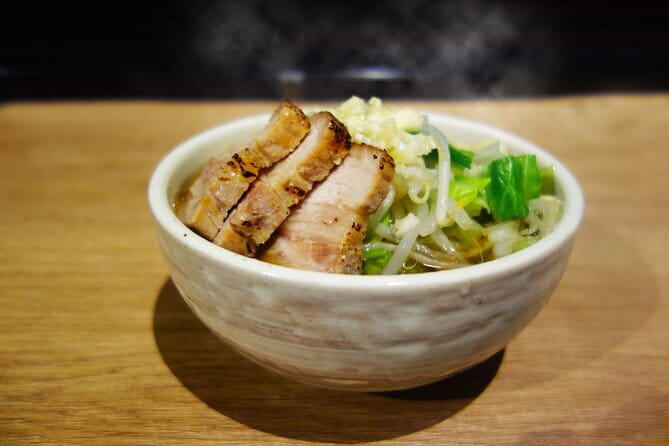
Then it’s topping time. You’ll cook chashu pork, and you’ll be working toward the signature look and texture of the finished bowl. The plan calls for generous slices of chashu, plus an abundance of vegetables.
This is where many ramen classes feel like they’re splitting your attention. Here, the advantage is that everything is tied to the final build. You’re making the parts that show up in the bowl, not just learning random techniques.
One smart detail: if you let them know more than 48 hours in advance, you can change the chashu from pork to chicken. If pork isn’t your thing—or you just prefer a lighter option—that flexibility is a real plus.
And since you’ll assemble your own ramen at the end, you’ll also learn the order of operations: what goes where, what gets placed for maximum satisfaction, and what makes the bowl feel balanced rather than messy.




Lunch + Tasting: Eating the Results Without the Guesswork
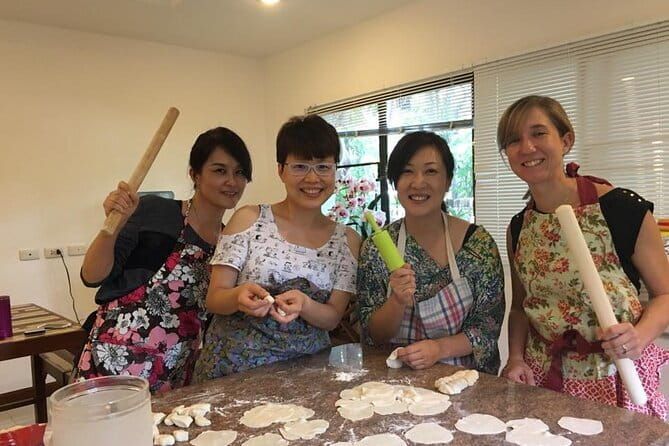
After cooking from 12:30 to 13:30, you move into tasting time starting at 13:30. Since lunch is included, you’re not just tasting a tiny sample—you’re enjoying the meal you built.
This is a big part of why this experience works. Many cooking classes end with a polite bite and a quick photo. Here, the meal is a natural finale, and that makes it easier to judge what you got right and what you’d adjust at home next time.
If you like ramen as comfort food, the tasting portion is where the lesson clicks. People describe it as fun, and they also mention the lunch being delicious. That tracks with the basic logic: you’ll understand the dish better when you eat it right away.
Photos, Recipe Take-Home, and the Quiet Convenience Stuff
Two added touches make this class easier to live with. First, you’ll get later-downloadable photographs during the experience. That means you can focus on cooking without constantly juggling a camera.
Second, you’ll take home the recipe. That’s the difference between a one-day memory and an at-home cooking skill. When you can follow the same approach again, your homemade ramen stops being a one-off experiment.
Also, confirmation is provided at booking, and the experience uses a mobile ticket. You’ll still want to keep an eye on the meeting instructions and arrive a little early, but it reduces the stress of paperwork.
Price and Value: What $91.45 Buys You in Tokyo

Let’s talk value, because Tokyo cooking classes can be pricey. At $91.45 per person for about two hours, this is a class where most of what you’re paying for is hands-on time plus ingredients plus the included meal.
You’re getting:
- cooking instruction for noodles and broth
- topping prep that leads to real assembly
- lunch connected to what you made
- later-downloadable photos
- a recipe you can use again
It’s also limited to a max of 12 travelers. Small group size matters here because ramen is all about timing and technique. More people usually means fewer chances to get help when something feels off.
If you want a cooking class that feels like it changes what you can cook afterward, this one makes sense. If you only want a quick food taste, you might decide you’d rather spend less elsewhere.
Who Should Book This Ramen-Making Class
This is a great fit if you:
- want a practical skill you can repeat at home
- love ramen and like learning the mechanics behind the flavor
- enjoy hands-on cooking and cooking with others in a guided setting
- are traveling with family and want an activity that feels social
It’s also a smart choice if you like the specific style of ramen described here—thick noodles, garlic-forward soup, generous chashu, and vegetables. You’ll be working directly toward that exact bowl.
Who might skip it? If you need vegan or vegetarian options, the class doesn’t offer those. And if you dislike pork (and you don’t plan to request a chicken swap more than 48 hours ahead), the default setup won’t fit your needs.
Practical Considerations: Location and What’s Not Included
You’ll meet near public transportation, and the tour ends back at the meeting point. There’s no hotel pickup or drop-off, so you’ll want to plan your own transit to arrive on time.
The class also requires good weather. If weather forces a change, you’ll be offered a different date or a full refund. That’s the kind of safety net you want to see for an outdoor-adjacent activity, even when the cooking is indoors.
Finally, it runs with a minimum of 2 people per booking. If that minimum isn’t met, you’ll be offered a different experience/date or a full refund.
Should You Book This Tokyo Ramen Class?
I’d book it if you want more than a food experience—you want a repeatable ramen skill. The best reason is the structure: you make noodles from flour, prepare the garlic-infused broth, cook chashu, then eat what you built. That makes the lesson stick.
I’d hesitate only if dietary needs are a deal-breaker (since vegan and vegetarian options aren’t available) or if you want something more flexible than a fixed two-hour block.
Overall, for the mix of hands-on instruction, included lunch, and the take-home recipe, this class is a strong value bet in Tokyo.
FAQ
How long is the ramen-making class?
The class runs for about 2 hours total.
What is the schedule during the day?
You meet at 12:20, cook from 12:30 to 13:30, and then tasting time begins at 13:30.
Is lunch included?
Yes. Lunch is included as part of the experience.
Can I request chashu made with chicken instead of pork?
Yes, if you let them know more than 48 hours in advance, they can change the chashu from pork to chicken.
Are vegan or vegetarian options available?
No, vegan and vegetarian options are not available for this class.
Is hotel pickup and drop-off included?
No. Hotel pickup and drop-off are not included.
What happens if I need to cancel or the weather is bad?
You can cancel for a full refund up to 24 hours before the experience starts. If the experience is canceled due to poor weather, you’ll be offered a different date or a full refund.