REVIEW · MALAGA
Paella Cooking Class with English Guide in Malaga
Book on Viator →Operated by Kulinarea · Bookable on Viator
Paella lessons beat most restaurant meals, hands down. This one starts with a market stroll at Atarazanas (in the daytime class) and ends with you cooking and eating a proper seafood paella in a clean, modern kitchen.
I also love the smart structure: you taste three extra virgin olive oils before you cook, then the menu keeps coming—gazpacho, sangria, and churros. One possible drawback: the address is easy to miss in a busy Centro area, and directions have tripped up at least one person before they found the right shop.
In This Review
- Key Highlights at a Glance
- Paella in Malaga’s Centro: What This Class Actually Feels Like
- Atarazanas Market Stop: When You Go and What You Learn
- Olive Oil Tasting Before Cooking: The Real Flavor Lesson
- Cooking the Seafood Paella: And the Substitutions That Make Sense
- The Full Menu: Gazpacho, Sangria, Churros, and Regional Wine
- Meet the English Host and Chef Energy: Expect Clear, Friendly Instruction
- Price and Value: Is $84.69 Worth It in Malaga?
- Logistics You Can Handle: Meeting Point, Timing, and Directions
- Who Should Book This Paella Class (and Who Should Skip It)
- Should You Book Kulinarea’s Paella Class in Malaga?
- FAQ
- How long is the paella cooking class?
- Is the class offered in English?
- Do you always visit Atarazanas Market?
- Are there any dates when the market is closed?
- What’s included in the meal?
- What drinks are included?
- Can the paella be adapted for dietary needs?
- Is the class suitable for vegans?
- Is it recommended for celiac disease or severe allergies?
- What’s the meeting point?
Key Highlights at a Glance
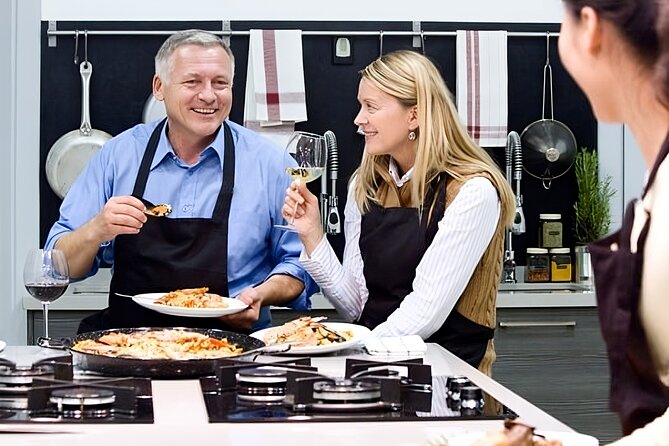
- Atarazanas Market, daytime Mon–Sat: seasonal picks included in the daytime class (not in Sunday/evening)
- Three extra virgin olive oil tasting first: learn what to look for before your paella hits the pan
- Small group size (max 14): more hands-on time, less chaos
- Paella options built in: seafood paella, with veggie and meat adaptations when needed
- Included drinks and dessert: sangria, wine, plus churros after cooking
Paella in Malaga’s Centro: What This Class Actually Feels Like
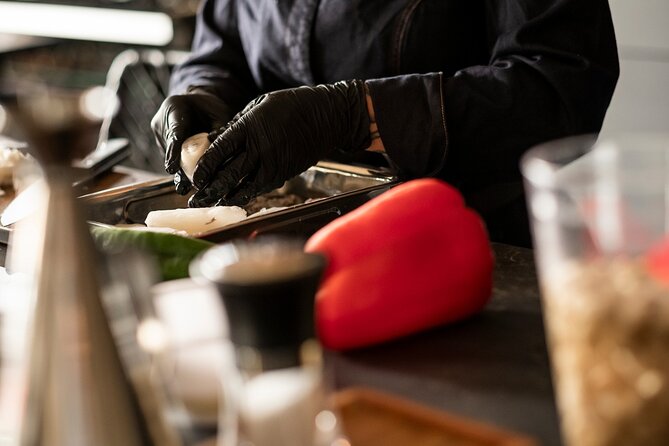
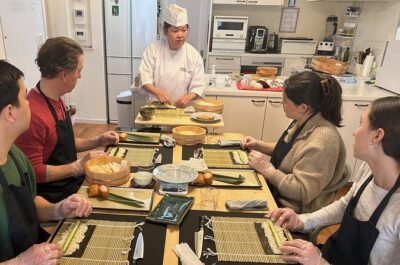
This is a hands-on cooking class set in Malaga’s Centro, with the meeting point at Kulinarea (Avenida de Manuel Agustín Heredia, 24, Distrito Centro). Expect a small group—up to 14 people—so you’re not shouting over a crowd.
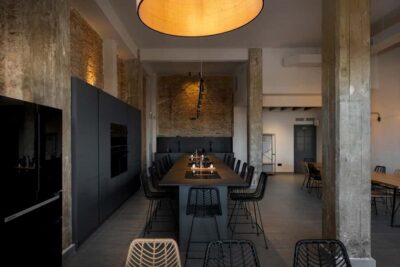
The vibe is practical and friendly. You’ll wear an apron, get set up in a modern kitchen in the SOHO Art District, and then work step-by-step toward one main goal: a Spanish paella that tastes like it came from a real life kitchen, not a tourist demo.
The menu is also a big deal here, because you’re not just making food—you’re building a full meal. You’ll eat what you cook, and it’s paired with drinks that fit the flavors of the day.
You can also read our reviews of more tours and experiences in Malaga.
Atarazanas Market Stop: When You Go and What You Learn
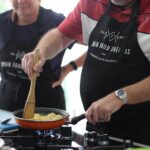
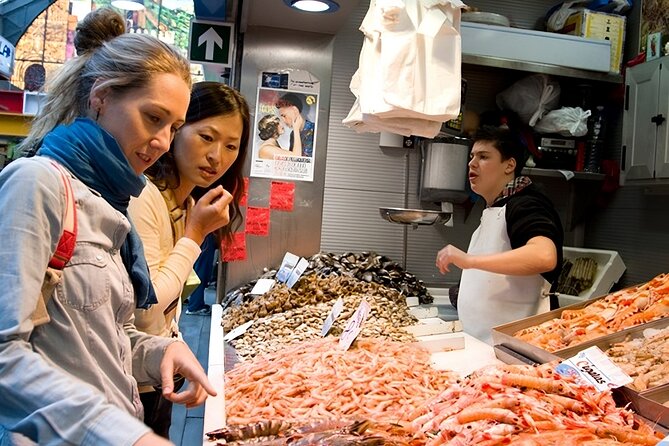
In the daytime class from Monday to Saturday, you include a visit to Atarazanas Market. That’s valuable for two reasons. First, you see what fresh seasonal ingredients look like in Malaga. Second, you learn what to buy and why—so your paella isn’t built on guesswork.
This market stop is not included in the evening class or on Sunday. Also note the market closure dates listed for certain holidays (like 1/1, 6/1, 28/2, multiple days around Holy Week, 1/5, 15/8, 19/8, 8/9, 12/10, 1/11, 6/12, 8/12, 25/12). If you’re traveling during one of those windows, you’ll want to check that you’re booking a day class when the market is open.
If you care about food culture beyond the recipe—this market part is the difference between memorizing steps and understanding the ingredients.
Olive Oil Tasting Before Cooking: The Real Flavor Lesson
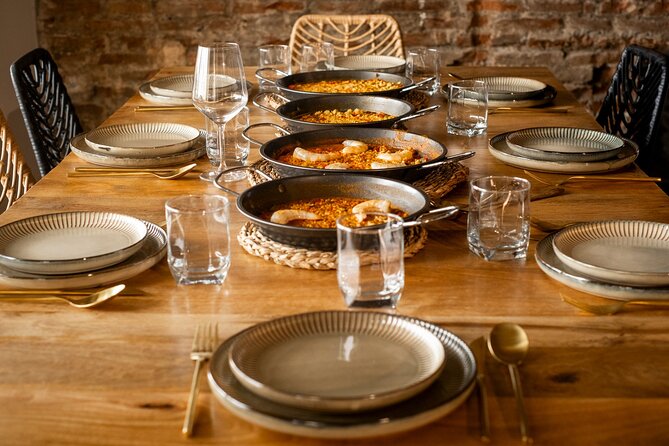
Before you start cooking, the experience includes a tasting of three extra virgin olive oils. This sounds simple, but it’s one of the most useful parts of the whole class.
Here’s why: paella flavor isn’t just about the rice. It’s also about balance—what’s fragrant, what’s grassy, what feels smooth, and what tastes sharper. When you taste olive oil first, you start paying attention in a way most cooking classes skip.
Then the class builds on that. You’ll move from tasting to mixing to cooking, with the olive oil lesson acting like a “flavor map” in your head.
Cooking the Seafood Paella: And the Substitutions That Make Sense
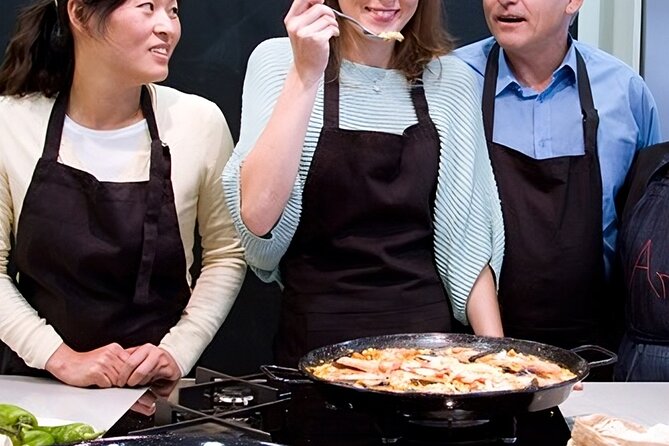
The main dish in the class is a seafood paella, and the chef-guided process is designed for both beginners and people who cook at home. The key is that you’re not just dumping ingredients into a pan—you’re learning the method that makes paella taste right.
You should also know about adjustments. The class states that the paella is adapted:
- for vegetarians (vegetable paella)
- for people who do not eat fish (meat paella)
That matters because paella is closely tied to seafood in the classic version. If you only get a side dish when you can’t eat fish, the meal can feel awkward. Here, you get an actual paella approach that fits what you eat.
The Full Menu: Gazpacho, Sangria, Churros, and Regional Wine
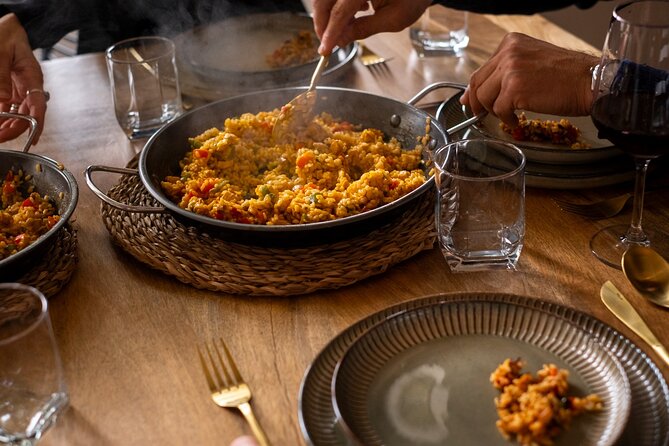
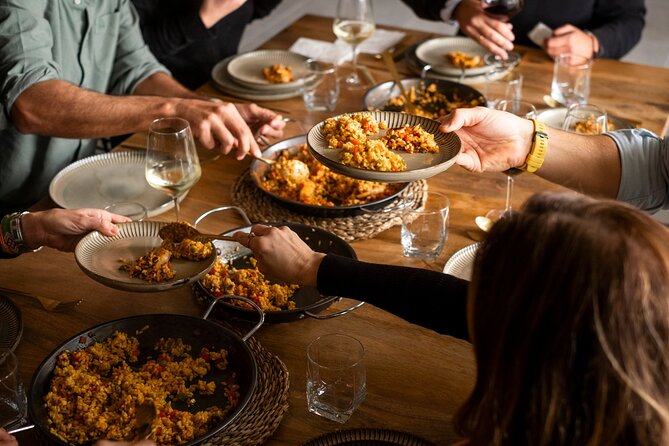
This class turns into a full lunch experience, not a quick snack. The sample menu is:
- Starter: gazpacho
- Main: seafood paella (with the veggie/meat adaptations described above)
- Drinks: refreshing sangria, plus beer and wine
- Dessert: churros
You’ll also do wine tasting pairing as part of the experience. An “excellent regional wine,” made with local grape varieties, is included. That gives the meal a more grown-up feel than the typical cooking-class setup.
One extra detail that adds to the authenticity: the ingredients you pick at the market are meant to drive the menu. Then the kitchen portion focuses on cooking technique and timing.
And yes, churros at the end is exactly what it sounds like: a sweet finish after you’ve worked for your meal.
Meet the English Host and Chef Energy: Expect Clear, Friendly Instruction
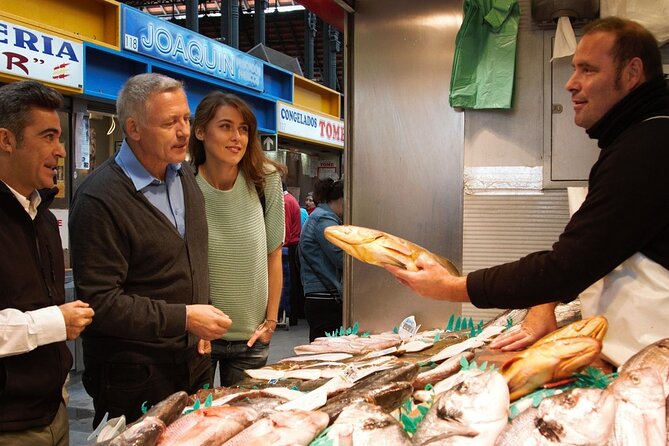
The class runs with an English guide, and in past sessions the English hosting has included names like PePo and Anais. Chefs you may meet have included Alba, and other guides such as Javier have been associated with the experience too.
What this points to, practically, is that the instruction has been delivered in an upbeat, easygoing style, with people who can explain and still keep the group moving. You’ll want that if you don’t cook often, because paella has its own rhythm.
Also, because the group is small, you’re more likely to ask questions and get a straight answer instead of watching from the sidelines.
Price and Value: Is $84.69 Worth It in Malaga?
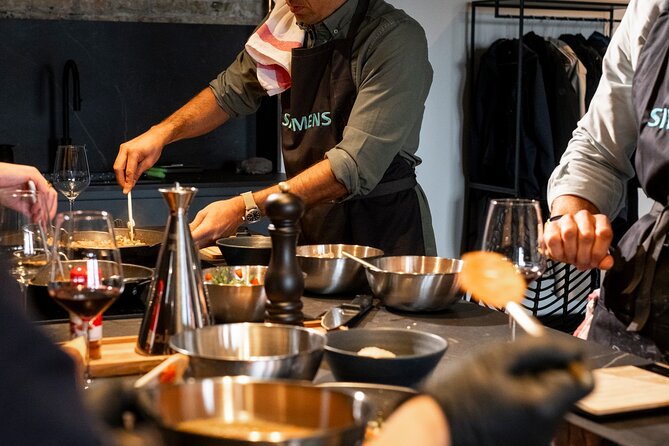
At about $84.69 per person for roughly 4 hours (daytime class), the math only works if the meal and drinks are doing real work—and they are.
You’re getting:
- lunch (and snacks)
- wine, beer, and sangria
- a regional wine element in the flow of the experience
- gazpacho, paella, and churros
- a take-home Kulinarea apron at the end
So you’re paying for a guided food experience plus ingredients plus a cooking lesson plus drinks, all in one package. Since paella classes often end up being mostly “show and taste,” this one stands out because you cook and then eat what you make, with plenty of drink included during the meal.
Just remember: private transportation is not included. So if you’re far from Centro, factor in your own getting-there cost.
Logistics You Can Handle: Meeting Point, Timing, and Directions
You’ll meet at Kulinarea, Avenida de Manuel Agustín Heredia, 24, Distrito Centro, Málaga. The activity ends back at the meeting point, and it’s near public transportation. A mobile ticket is provided.
Now the one caution: directions have been an issue for at least one participant who landed at the wrong kind of shop before finding the right spot. So do yourself a favor:
- double-check the exact street address
- arrive a few minutes early so you can confirm you’re outside the right place before the group moves
Timing-wise, expect:
- daytime class: about 4 hours
- evening and Sunday class: 3 hours
If you’re trying to fit this into a tight itinerary, daytime gives you more time (especially if you want the market visit). Evening and Sunday shorten the meal-and-cook block.
Who Should Book This Paella Class (and Who Should Skip It)
This class is a great fit if you want more than a recipe card. You’ll enjoy it if you like:
- learning real technique in a kitchen
- eating what you cook
- food culture through a market visit (when you book the daytime slot)
It may not fit if you have dietary or allergy needs that require strict avoidance of cross contamination. The experience is not recommended for celiac disease or severe allergies that need to avoid cross contamination. It’s also not recommended for vegans.
So if you’re vegan, you might find the menu options don’t meet your needs. And if you need gluten-free or strict allergy safety, you should think twice and look for a class that explicitly guarantees that standard.
Should You Book Kulinarea’s Paella Class in Malaga?
Book it if you want a small-group, English-guided cooking class that actually feeds you: market (daytime), olive oil tasting, seafood paella plus substitutions, and a full meal with sangria, wine/beer, and churros. The price feels reasonable for the amount of food and drink you get during the session.
Pass or reconsider if:
- you need vegan-only options
- you have celiac disease or severe allergies tied to cross contamination risk
- you’re traveling during a holiday window when the market is closed (if you specifically want the market part, choose your dates carefully)
If you can do those checks, this is one of the more efficient ways to get real paella skills plus a proper Malaga food experience in a half-day.
FAQ
How long is the paella cooking class?
The daytime class is about 4 hours. The evening and Sunday class lasts about 3 hours.
Is the class offered in English?
Yes, it’s offered in English.
Do you always visit Atarazanas Market?
No. The market visit is included only in the daytime class from Monday to Saturday.
Are there any dates when the market is closed?
Yes. The info provided lists market closures on several holidays and specific dates, including 1/1, 6/1, 28/2, and multiple dates around Holy Week and other holidays.
What’s included in the meal?
The class includes lunch, snacks, and the menu elements such as gazpacho, paella (with adaptations), and churros.
What drinks are included?
Alcoholic beverages are included, including wine and beer, plus sangria.
Can the paella be adapted for dietary needs?
Yes. The paella can be adapted for vegetarians (vegetable paella) or for people who do not eat fish (meat paella).
Is the class suitable for vegans?
No. It is not recommended for vegans.
Is it recommended for celiac disease or severe allergies?
No. It is not recommended for celiac disease or any severe allergy that needs to avoid cross contamination.
What’s the meeting point?
The class meets at Kulinarea, Avenida de Manuel Agustín Heredia, 24, Distrito Centro, 29001 Málaga, Spain, and it ends back at the same meeting point.