Curry lessons in a village kitchen feel special. In Sigiriya, you’ll cook with Malee in an authentic home setup, using traditional methods and a mix of old and newer tools, then eat a full Sri Lankan meal you helped make.
I like that this is a truly hands-on class with Malee and her daughter pitching in during prep, so you’re not just watching. I also love the 8-dish format, including a seafood option, which means you leave with a bigger picture of how Sri Lankan flavors build.
One thing to consider: there’s at least one seafood dish, so if seafood is a no-go for you, tell the host ahead of time and plan accordingly.
In This Review
- Key highlights at a glance
- Where You Cook in Sigiriya: Malee’s Village Kitchen Feel
- Price and Value: $30 for 8 Dishes You Can Recreate
- The 3-Hour Flow: From Prep to Eating Together
- 1) Arrive and get oriented
- 2) Prep and work alongside the kitchen
- 3) Cook multiple curries the traditional way
- 4) Taste and eat as a group
- Eight Sri Lankan Curries: What You Learn by Doing
- Expect variety across the meal
- Traditional tools, practical results
- The Side-Dish Stars: Sambal and More
- Ingredients From Malee’s Garden: Freshness You Can Taste
- Who This Cooking Lesson Fits Best
- Practical Tips Before You Go
- Should You Book Malee Cookery Lessons?
- FAQ
- How long is the Malee Cookery Lesson?
- What time does the experience start in Sigiriya?
- How much does it cost?
- Is pickup offered?
- Is this a private group activity?
- What kind of food will you cook?
- Can I cancel for a refund?
Key highlights at a glance
- Village-kitchen setting run by Malee’s local family, not a showroom kitchen
- 8 dishes cooked during the session, including a seafood curry
- Primitive tools + a few modern helps, so you learn the method and the shortcuts
- Sambal and side dishes feature prominently, not just main curries
- Garden-sourced ingredients from Malee’s place, so everything feels fresh
- You eat what you make (and it’s a lot), so show up hungry
Where You Cook in Sigiriya: Malee’s Village Kitchen Feel
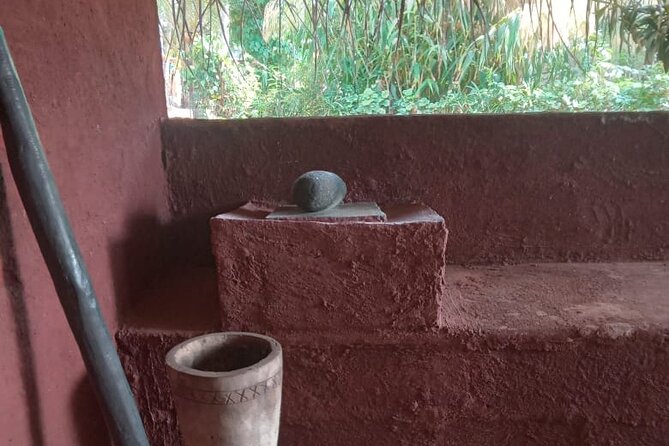
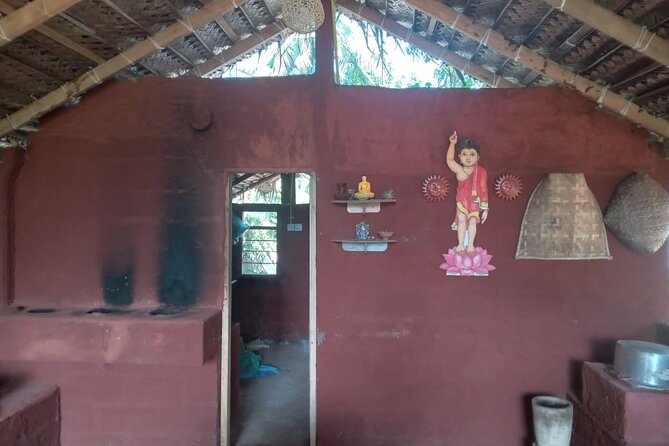
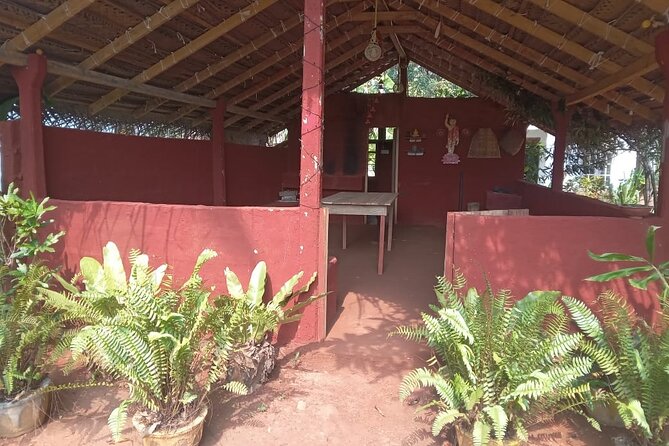
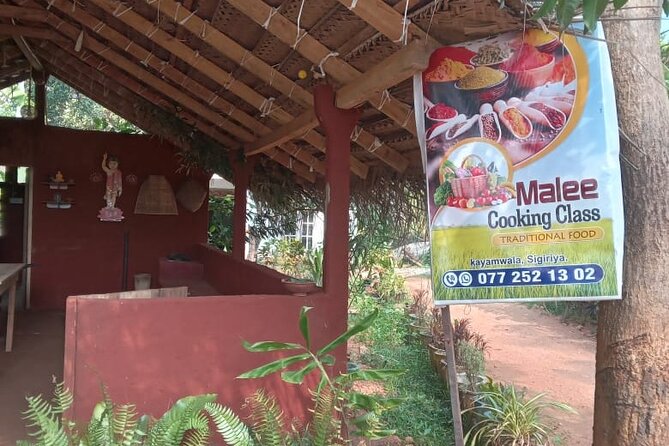
This lesson is set up for one goal: you learn Sri Lankan cooking by doing it where the food culture actually lives. You’re not bouncing between multiple venues. Instead, the class happens in an authentic village kitchen hosted by a local family. That matters because Sri Lankan home cooking isn’t only about recipes. It’s about pace, tools, and little choices that make the final taste.
The host is Malee, and the family helps run the cooking flow. You’ll often see extra hands during prep, including support from her daughter, which keeps the experience social but still structured. The overall vibe is relaxed and friendly, not formal or rushed. If you’ve ever taken a class where you feel like an observer, this one aims to make you part of the work from early on.
You’ll start at 1:00 pm, and the session is about 3 hours. Pickup is offered, and it uses a mobile ticket, which is handy if you’re already juggling a packed Sigiriya day.
You can also read our reviews of more tours and experiences in Sigiriya.
Price and Value: $30 for 8 Dishes You Can Recreate
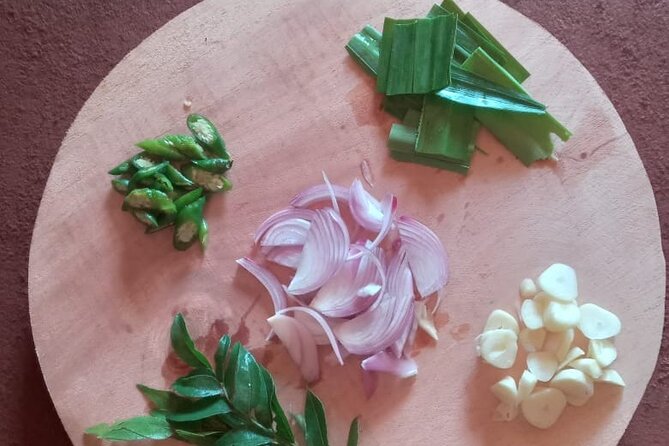
At $30 per person for roughly three hours, the value comes from how much food you end up making and tasting. This isn’t a tiny sampler. You cook multiple curries and sides, using both traditional-style tools and some more modern ones. That gives you two wins:
- You learn traditional technique so the dish has that home-cooked profile.
- You pick up practical workflow you can repeat later, even without every old tool.
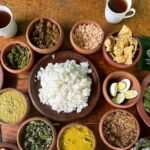
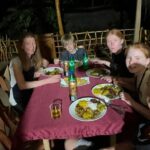
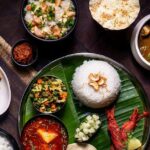
The meal is plentiful. In the class, you don’t just taste a bite and leave. You dig in with what you cooked, plus things like rice and fruit are part of the spread. If you’re worried about value, think of it like this: your cost is paying for instruction, ingredients, and a full lunch-like outcome in one sitting.
The 3-Hour Flow: From Prep to Eating Together

Even though this is one continuous experience, the time tends to move in clear stages. Here’s the practical rhythm you can expect based on how the lesson is described.
1) Arrive and get oriented
You’ll be welcomed into the kitchen and shown how the class works. Because it’s hosted by a family, you get a real feel for how the kitchen is used day to day. Also, since this is a private tour/activity, only your group participates, so you can ask questions without feeling like you’re taking space.
2) Prep and work alongside the kitchen
From the start, the emphasis is on hands-on prep. You’ll be engaged in cooking activities rather than standing around. That’s where the experience becomes memorable: chopping, mixing, and working through each curry step with help from the hosts.


3) Cook multiple curries the traditional way
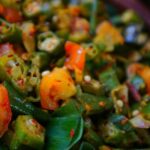
As the session moves along, you cook the different dishes. The format includes eight different curries, and one of them is seafood. The cooking is taught in a way that highlights how Sri Lankan flavors connect across regions—low country, hill country, and northern styles are specifically referenced in the lesson description.
4) Taste and eat as a group
When the food is ready, you eat. This is a key part of the value: you can directly compare what you made, how different curries taste, and what changes when you tweak ingredients and side dishes. One useful tip from the overall vibe of the class: don’t come stuffed. You’ll likely want full space on your plate because the spread is big.
Eight Sri Lankan Curries: What You Learn by Doing
This is the core of the class. You’re not learning one curry in isolation. You’re learning how a Sri Lankan meal is built from several parts that each bring a different flavor job.
Expect variety across the meal
You’ll cook 8 dishes, described as healthy Sri Lankan curries taught using traditional methods. That “healthy” angle is part of the framing—more about cooking style and ingredient choices than dieting trends.
The standout is that there’s one seafood dish among the curries. That’s useful even if you don’t eat seafood, because it teaches you how the kitchen treats the seafood curry style compared with meat- or veggie-based options.
Traditional tools, practical results
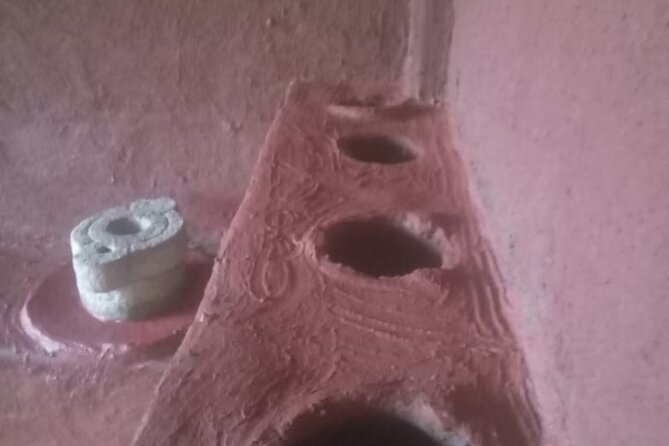
A big part of why this lesson feels authentic is the blend of primitive tools with a few modern aids. You get to see how cooks historically handled key prep tasks, and you also understand where modern tools save time without ruining flavor.
When you leave, you’ll be able to recreate the method more than the exact equipment. That’s what you want from a cooking class: usable skills, not just photos of a kitchen.
The Side-Dish Stars: Sambal and More
Sri Lankan curries are rarely just about the main sauce. The side dishes—especially sambal—are where punch and texture show up. This class includes multiple sambal options, and that focus is a real strength if you like learning how flavor gets layered.
One of the most practical ways this helps you at home is that sambal teaches balance:
- heat and aroma
- crunch or texture
- acidity and punch
- how it changes the way you experience rice and curry
Based on what’s described in the lesson experience, you’ll cook curries plus sides that can include sambal variations such as banana flower sambal. Even if you don’t cook that exact ingredient at home later, you’ll get the pattern: how sambal works as a companion that changes the whole meal.
Ingredients From Malee’s Garden: Freshness You Can Taste
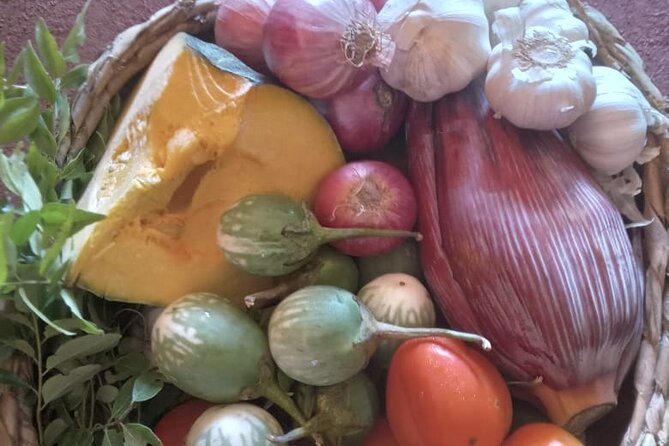
Ingredients are a big part of why this class is rated so well. The lesson includes the idea that ingredients come from Malee’s garden, and you’ll see the emphasis on freshness during cooking.
That matters for two reasons:
1) It improves flavor fast. Fresh produce tastes different, especially when you’re cooking curries and sides where herbs and aromatics matter.
2) It helps you understand what’s essential. When you cook with quality ingredients, you can better tell which flavors are doing the heavy lifting.
Even if you can’t source the exact same local plants at home, this class should make you more confident about swaps. You’ll know what role each ingredient plays in the curry or sambal, instead of just chasing a list of names.
Who This Cooking Lesson Fits Best
This class is a great match if you want authentic food without turning it into a stiff lecture. The tone is described as friendly, easy to follow, and hands-on, so you don’t need to be a confident cook to keep up.
It’s also a strong pick if you like:
- learning how curries differ across regions in Sri Lanka
- cooking with real tools and real kitchen workflow
- eating everything you make (and learning why it tastes the way it does)
If you have dietary needs, the one clear caution is the seafood dish. The info says there’s seafood included, so if you avoid seafood, ask ahead so they can guide you on what you can participate in.
Practical Tips Before You Go
A few things will make your afternoon smoother.
- Come hungry. The class feeds you, and it’s a lot of food for 3 hours. Plan not to eat a heavy lunch first.
- Expect active participation. This is hands-on cooking in a home kitchen, so you’ll likely do prep and cooking tasks rather than just watch.
- Plan for the ride. Pickup is offered, and it’s near public transportation, so you can choose what works with your Sigiriya day plan.
- Use the mobile ticket. It’s part of the setup, so keep it accessible on your phone.
If you’re the type who likes to learn by tasting while the food is still hot and fresh, you’re going to like how this class is structured.
Should You Book Malee Cookery Lessons?
If you want a cooking class that feels like a real home experience—one where you cook 8 dishes, learn both traditional and practical tool methods, and end with a big shared meal—this is a smart booking. The price is modest for the amount of instruction and food you get.
I’d book it especially if you’re the kind of traveler who wants more than a photo. You want skills you can repeat at home, and you want to understand how curry and sambal parts work together as one meal.
If seafood is a problem for you, or you’re looking for a quick snack-style demo instead of full hands-on cooking, then it might not fit. But for most people heading into Sri Lanka’s curry world, this class hits the sweet spot: authentic, friendly, and practical.
FAQ
How long is the Malee Cookery Lesson?
The lesson runs for about 3 hours.
What time does the experience start in Sigiriya?
The start time is 1:00 pm.
How much does it cost?
The price is $30.00 per person.
Is pickup offered?
Yes, pickup is offered.
Is this a private group activity?
Yes. Only your group will participate.
What kind of food will you cook?
You’ll cook Sri Lankan healthy curries in a traditional village-kitchen style. The session includes 8 dishes, including one seafood dish, plus side items like sambal.
Can I cancel for a refund?
Yes. It offers free cancellation. You can cancel up to 24 hours in advance for a full refund. If you cancel less than 24 hours before the start time, the amount paid is not refunded.