REVIEW · SIGIRIYA
Organic Cooking Class with Garden Visit by Sinhagiri
Book on Viator →Operated by Sinhagiri Tours · Bookable on Viator
Sigiriya at 4:00 pm sounds simple, until you’re standing in an organic kitchen garden with dinner in your hands. I like the small group size (max 5), which keeps the class relaxed, and I also love the garden-to-plate flow: pick fresh produce, cook it, then sit down to eat. One note to keep in mind: if you’re picky about garden upkeep, the garden walk can feel a bit thin in parts.
This is a 3-hour session focused on organic Sri Lankan cooking with a home chef. You’ll get step-by-step help, then enjoy the rice-and-curry dish you make yourself. The format is friendly, practical, and ideal if you want skills you can actually use later, not just a one-time food experience.
You’ll meet at Green Hut Nature Resort on Temple Road in New Town, Sigiriya (mobile ticket on arrival). Expect a hands-on garden walk followed by cooking, with a casual tasting at the end.
In This Review
- Key Highlights You’ll Notice Right Away
- Green Hut Nature Resort Meeting: 4:00 pm Start in Sigiriya
- Garden Visit and Organic Picking: Choosing Produce for Your Curry
- The Home Kitchen Setup: Cooking With a Local Housewife Guide
- Making Sri Lankan Rice and Curry: Step-by-Step Skills You Can Repeat
- The Meal at the End: Eating Your Garden-to-Plate Curry
- Price and Value at $28 for 3 Hours in Sigiriya
- Who Should Book This Organic Cooking Class (And Who Might Skip It)
- Should You Book Sinhagiri’s Organic Cooking Class With Garden Visit?
- FAQ
- What time does the cooking class start in Sigiriya?
- How long is the organic cooking class with the garden visit?
- How many people are in the group?
- What will I do during the class?
- Where does the activity take place, and where do I meet?
- Is there free cancellation?
Key Highlights You’ll Notice Right Away
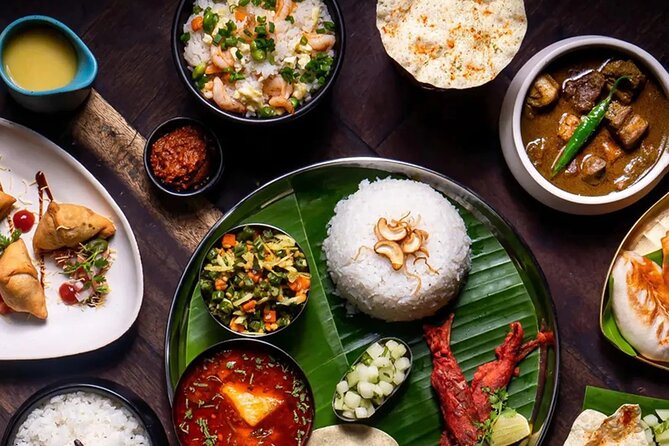
- Max 5 travelers, so questions don’t get lost in the crowd
- Garden picking first, then cooking with what you chose
- Step-by-step instruction from a home cook in a traditional kitchen setup
- Fresh welcome drink reported as mango juice on arrival
- Clean, well-prepared cooking space, with a calm teaching pace
Green Hut Nature Resort Meeting: 4:00 pm Start in Sigiriya
Your afternoon begins at Green Hut Nature Resort on Temple Road in New Town, Sigiriya. The start time is 4:00 pm, which is a smart choice: you’re not racing the heat, and you’re heading into dinner-mode by the time you reach the kitchen. The total experience runs about 3 hours, and it ends back at the meeting point.
For practical travelers, the location is also close to public transportation, so it’s easier to slot into a wider Sigiriya plan. And since you get a mobile ticket, you won’t be scrambling for paperwork before you start.
In a small-group class like this, what matters most is how quickly you feel comfortable. With a group limit of 5, you can usually hear instructions clearly and get help when you need it. That’s a big deal when cooking techniques move faster than you think—chopping, timing spices, and adjusting flavors all require attention.
Also, you’re going to be doing real tasks. This isn’t a sit-and-watch cooking show. If you’re the type who likes to learn by doing, the timing and format make it feel natural.
You can also read our reviews of more tours and experiences in Sigiriya.


Garden Visit and Organic Picking: Choosing Produce for Your Curry
First comes the garden. You’ll walk through the growing area, and then you’ll pick vegetables for your cooking. This is where the organic angle becomes more than a marketing word. When you select ingredients yourself, you start noticing the difference between what looks similar on a market shelf—size, texture, and freshness—and you understand how those traits affect cooking.
The experience is designed around farm-to-feast logic: you gather produce, then later cook an authentic rice-and-curry dish using those ingredients. That connection helps you remember what you learned. It also helps you understand why certain ingredient choices matter—like what happens when a vegetable is still tender versus when it’s more mature.
Here’s the one caution from the feedback you should take seriously: the garden walk can feel a bit thin, and some people felt parts of the garden weren’t as well kept as expected. If you’re coming for a photo-perfect garden stroll, you might feel slightly underwhelmed. If you’re coming for the ingredient experience and the cooking lesson, it still does the job.
If you want to get the most out of the picking portion, come with one mindset: look, touch, and ask. Even simple questions—what this vegetable is used for, or how it changes in curry—turn the garden walk into a real lesson instead of a quick stop.
The Home Kitchen Setup: Cooking With a Local Housewife Guide
After the garden, you move into the kitchen. You’ll cook alongside an experienced home cook (described as a Housewife) in a traditional home-kitchen setting. This is the part that often makes classes worth it: you’re not learning in a showroom kitchen. You’re learning in a working style of kitchen where the process feels normal and repeatable.
The tone is relaxed, and the teaching style is practical. One review specifically praised that the instructor’s English is excellent, which matters more than people think. When you can understand every step—especially spice timing and texture cues—you’ll cook with confidence at home later.
You’ll also notice cleanliness and preparation. Clean work surfaces, organized ingredients, and a kitchen that feels ready for guests makes a difference when you’re chopping and cooking. It lowers stress, and that makes it easier to focus on technique rather than logistics.
In this kind of class, you’ll likely handle key tasks yourself: prepping ingredients, building flavor, and assembling the curry alongside the rice component. Even if you’ve cooked curry before, you’ll probably learn small Sri Lankan-specific approaches—how flavors are balanced and how the final dish should look and taste.
And yes, you get to taste what you cook. That step is huge. Cooking is easy to mess up without feedback. Here, you’ll end by eating your own results, which closes the loop.
Making Sri Lankan Rice and Curry: Step-by-Step Skills You Can Repeat
The main event is preparing an authentic local rice-and-curry dish, with a focus on curry cooking guided step by step. This is where the class moves from experience to skill-building.
Here’s what this format does well: you’re not just learning a recipe name. You’re learning the workflow. You gather ingredients first, then cook them in sequence, then eat. That makes the whole thing easier to repeat back home because you remember the order and the reason behind it.
Based on the class description, you’ll be making a curry and pairing it with rice. Sri Lankan curries often rely on layering flavor—aromatics, spices, and cooking time. Even when you don’t get exact measurements, step-by-step guidance helps you understand how to adjust. You learn what “right” feels like: the smell when spices bloom, the point where ingredients soften, and the final thickness or richness you’re aiming for.
You’ll also get technique ideas meant for home use. The goal is not to copy the entire kitchen setup you see in Sigiriya. The goal is to take what you learned—like how to handle fresh produce, when to add ingredients, and how to judge doneness—and apply it with the tools you have.
If you’re worried about difficulty, the reviews point to clear, easy-to-follow instruction. That means this class is more approachable than many advanced cooking experiences. Still, you’ll get the best results if you’re willing to jump in and do the prep work instead of hovering and hoping someone else handles it all.
The Meal at the End: Eating Your Garden-to-Plate Curry
At the end, you sit down and eat what you cooked. This is more than a simple meal break. It’s your feedback session.
If you notice flavors are too strong, watery, or bland, you start connecting what you did during cooking to the outcome in the bowl. That connection is how cooking lessons become real knowledge instead of just a fun activity.
The experience includes a welcome drink—described as fresh mango juice. It’s a small touch, but it sets the tone: you’re treated like a person joining a home-style cooking moment, not like an order number walking through an attraction.
I also like that the tasting is part of the learning arc. You’re not sent back out to explore while you wonder if your curry worked. You eat it while everything is still fresh in your mind, which makes it easier to remember what you’d repeat next time.
One practical tip for this part: don’t overload your first plate. Take a moment to taste, then decide if you want seconds. It’s easy to go straight into enthusiastic eating, then realize you missed your best chance to notice texture and spice balance.
Price and Value at $28 for 3 Hours in Sigiriya
At $28 per person for about 3 hours, this class sits in the “worth it if you value hands-on learning” zone. The price isn’t just for cooking instructions. You’re paying for three things that don’t happen in a typical rice-and-curry meal:
- Ingredient picking in an organic garden setting
- Personal, small-group coaching in a home-style kitchen
- The full experience loop: cook, then eat what you make
So for the value-minded traveler, the key question is: do you want a food experience where you actually learn, or do you mainly want a meal? If you’re the first type, $28 tends to feel fair. If you’re the second type, you could probably eat cheaper elsewhere.
Group size also supports the value. With a max of 5 travelers, you’re more likely to get direct help than you would in a larger cooking class. That reduces frustration and makes the lesson more effective.
Also, the 4:00 pm timing can be a value in itself. You’re turning a late-afternoon slot into a complete activity with a built-in dinner moment at the end. It can simplify your day: no extra planning for where you’ll eat after.
Who Should Book This Organic Cooking Class (And Who Might Skip It)
You’ll likely enjoy this class if you want:
- Hands-on cooking with step-by-step guidance
- A small group so the experience feels personal
- A clear connection between fresh produce and flavor
- A chance to learn techniques you can use back home
It’s also a strong fit for food lovers who like learning the how and why, not just the what. The garden-to-kitchen sequence makes the cooking feel logical.
You might consider skipping (or at least adjusting expectations) if:
- You’re focused mainly on a lush, perfectly maintained garden walk
- You’re only interested in a quick meal with minimal participation
The class still centers on cooking, so even if garden upkeep isn’t what you hoped, the core value should come from the ingredient picking and the rice-and-curry lesson.
Should You Book Sinhagiri’s Organic Cooking Class With Garden Visit?
I’d book it if you want an affordable, small-group food lesson in Sigiriya that includes real tasks: picking vegetables, cooking curry, and eating your own results. The best part is the pacing—garden first, kitchen next, tasting at the end—so you’re always connected to what you’re doing.
If you’re the type who cares a lot about garden presentation, go in knowing the garden walk may feel a bit thin in places. If you’re there to learn and cook with fresh organic ingredients, you’ll probably feel satisfied.
FAQ
What time does the cooking class start in Sigiriya?
It starts at 4:00 pm at Green Hut Nature Resort on Temple Road, New Town, Sigiriya.
How long is the organic cooking class with the garden visit?
The experience lasts about 3 hours (approx.).
How many people are in the group?
It’s a maximum of 5 travelers, so it stays small and more personal.
What will I do during the class?
You’ll walk through the garden and pick vegetables, then cook in the kitchen guided by a home cook, and finally taste what you’ve cooked.
Where does the activity take place, and where do I meet?
Meet at Green Hut Nature Resort, Temple Road New Town, Sigiriya 21120, Sri Lanka. The tour ends back at the meeting point.
Is there free cancellation?
Yes. You can cancel for a full refund up to 24 hours before the start time.