REVIEW · SIGIRIYA
Organic cooking class sigiriya (kumara & family)
Book on Viator →Operated by Organic Cooking & lesson [Treditional Sri Lanka Foods] · Bookable on Viator
This is dinner with dirt under the nails. You step into Kumara’s family home near Sigiriya and start with a garden-to-kitchen walk, picking herbs and vegetables before heading to the outdoor cooking area. I love how the food is fully organic, and I love the hands-on way you learn to prep curries from scratch, including making spices in a traditional way. The only real drawback is that you’ll be cooking outdoors, so you’ll want decent weather.
Expect a private half-day workshop where you cook a multi-dish Sri Lankan dinner, then sit down to eat as the family arranges the traditional dinner table. You’ll be guided through the process from ingredient prep to tasting, with herbal tea served along the way.
In This Review
- Key things to know
- Finding Kumara’s Organic Kitchen near Sigiriya Rock
- The Garden Walk: where the ingredients start
- Spice Lessons that feel hands-on, not theoretical
- Cooking several curries (and a few surprises)
- Building a full Sri Lankan dinner table
- Price, timing, and what you’ll realistically get for $28
- Who should book, and who might skip it
- Should you book this Organic Cooking Class in Sigiriya?
- FAQ
- How long is the organic cooking class in Sigiriya?
- Where does the class start, and when does it end?
- What does the class include?
- Is it organic?
- Will I be able to taste the food after cooking?
- Do I need to worry about weather?
- Is free cancellation available?
Key things to know
- Garden-to-kitchen start: you begin by seeing what’s grown right on site
- Traditional spice prep: you learn how spices are prepared by hand
- Hands-on cooking: you’re not stuck watching from the sidelines
- A full Sri Lankan spread: curries plus accompaniments and dessert
- Eat like a family: the table is arranged in a traditional way
Finding Kumara’s Organic Kitchen near Sigiriya Rock
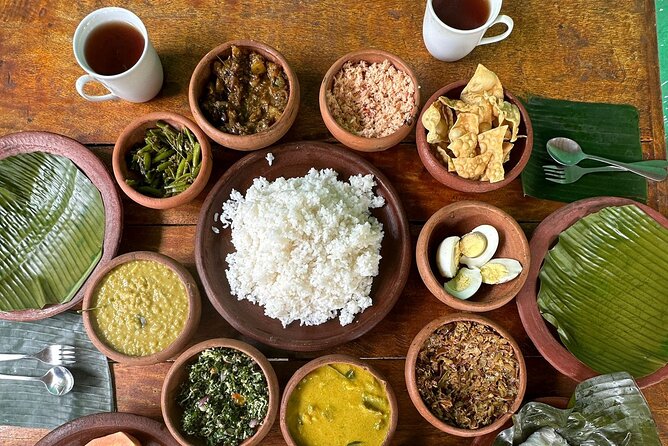
This class runs as a home-based workshop with Organic Cooking & lesson [Treditional Sri Lanka Foods], hosted by Kumara and his family. The start point is listed at Organic cooking class sigiriya (kumara & family), 284 kahatagahayaya, kalapuraya, Sigiriya 21120, Sri Lanka. It ends back at the same meeting point, so you’re not left wandering through town after you’re done cooking.
Timing is practical: about 2 hours 30 minutes. That’s long enough to learn real steps (not just a quick demo), but not so long that you’ll feel fried by the end—especially if you’re also planning to visit Sigiriya Rock later or earlier the same day.
The workshop is described as private, and the feel is family-run. In many cases it’s a small group, with Kumara doing the teaching and family members pitching in. One thing to note: because it’s an outdoor kitchen style experience, the weather really matters. When conditions are good, the whole thing feels relaxed and natural. When conditions turn, you may need to reschedule.
Also, you’ll get a mobile ticket, and confirmation is provided at booking. So you can keep your travel day simple: bring your phone, show up a bit early, and let the family do what they do best—feed people.
You can also read our reviews of more tours and experiences in Sigiriya.
The Garden Walk: where the ingredients start
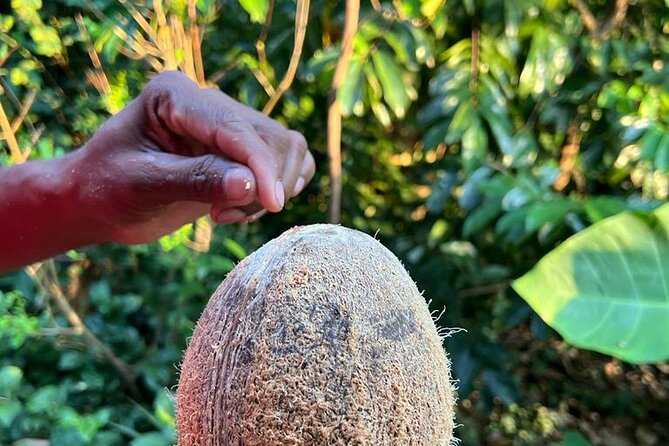
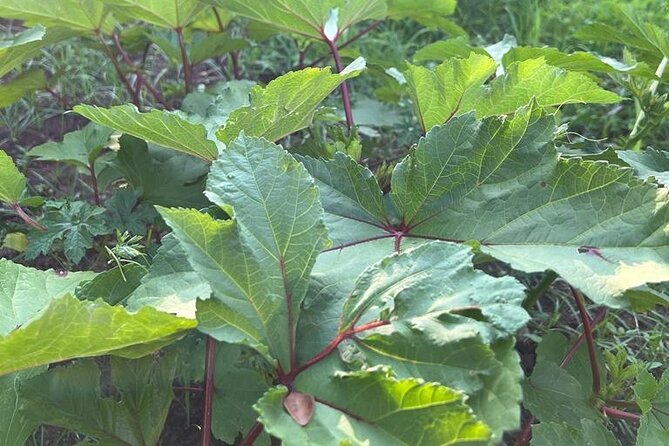
The most memorable part is the opening garden visit. You’re not just told that the ingredients are organic—you get to see it in front of you. Kumara takes you around the garden where vegetables and herbs are grown, and you learn how the plants fit into Sri Lankan cooking.
A few useful themes show up again and again in how this is taught:
- What you’re cooking with: you’ll see the actual produce that may end up in your curries
- Herbs and plant use: you’ll hear explanations about herbs and traditional use, including how people think about health and eating plants
- Small practical details: you learn what to pick, what matters, and how it connects to flavor
Even if you’re not a serious foodie, this part is worth your time. It gives you context. Instead of eating a curry that feels like a restaurant trick, you understand where the ingredients came from and what they’re meant to do on the plate.
You might also notice the warmth of the family vibe. In past visits, people have described being welcomed in a friendly, personal way (including little touches like flower crowns). The point isn’t the accessory—it’s the tone. You’re treated like someone helping out, not like a customer standing behind glass.
Spice Lessons that feel hands-on, not theoretical
After the garden, you move into cooking with a clear focus: curries, spices, and how to prepare them in a traditional way. The class is built to answer two big questions you probably have:
1) Why do Sri Lankan curries taste the way they do?
2) How do you actually make the base work?
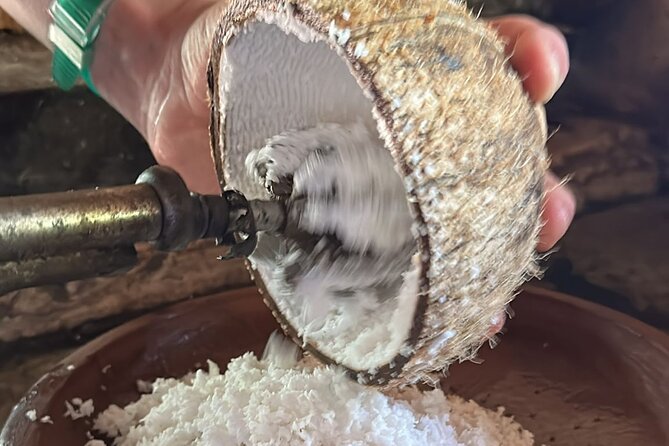
You’ll get an introduction to the curries you’ll cook and how they’re prepared, plus an introduction to the ingredients and spices used. Then comes the part that makes this class different from the usual follow-the-chef routine: you’ll learn how the spices are prepared in a traditional way.
In plain terms, that means you’re doing more than sprinkling seasoning at the end. You’re learning how spices are handled and used as part of the cooking process. Some classes also include the option for you to buy spices afterward if you want to take that flavor home.
The instruction emphasizes quantities and preparation steps. You’ll learn how the ingredients are prepared based on what the recipe needs (not generic amounts). That matters because curry flavor is about balance—too much of one spice or not enough acid or salt can shift everything.
One more practical note: some people note that they cook over wood-fired setups outdoors. So expect real heat and the smell of wood smoke. If you like food that tastes like it came from real cooking, this part is a big win.
Cooking several curries (and a few surprises)
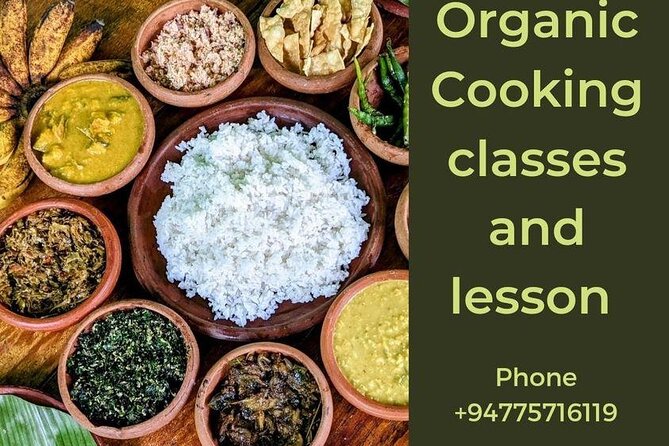
This is a multi-dish cooking experience. The workshop is aimed at a traditional Sri Lankan dinner table, so you’ll typically make several dishes—not just one curry.
What dishes show up? Based on what’s been taught in similar sessions, you should expect a mix that might include items like:
- Dahl (lentil curry)
- Aubergine curry
- Pumpkin curry
- Sweet potato curry
- Sambal (a spicy condiment)
- String hoppers (a Sri Lankan staple)
- And sometimes a dessert
Some menus also include things like coconut-based rotis. The exact mix can vary, but the pattern stays consistent: you learn curry-making steps and you help prepare more than one component of the meal.
You’ll also get cooking tips while you’re working. That’s important because it turns the class into a skill you can repeat later. You’re not just collecting photos. You’re learning what to watch for: texture changes, when a spice blend should smell right, and how ingredient prep affects the final dish.
Here’s what I’d call the real value: this teaches you the logic behind Sri Lankan cooking—spices, preparation, and building a meal. That means when you eat later (even in a restaurant), you’re more likely to recognize what’s happening in the flavors.
Building a full Sri Lankan dinner table
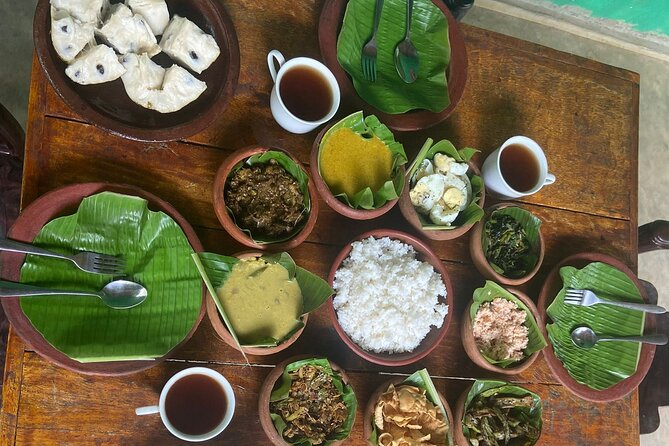
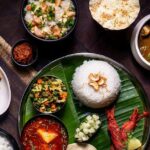
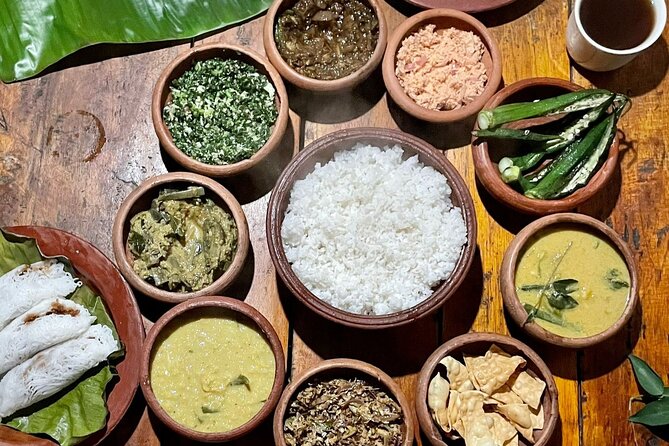
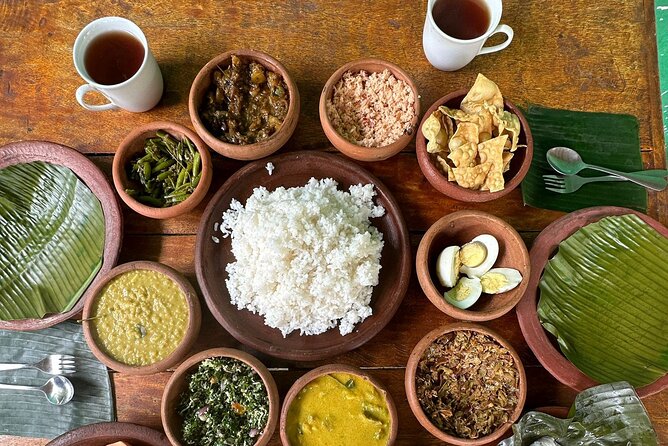
Once the cooking phase starts wrapping up, you shift from making to serving—because this class includes the cultural part too. You’ll learn how the table is arranged in a traditional Sri Lankan way, not just how to cook food.
That detail sounds small until you sit down. Sri Lankan meals are meant to feel like a shared spread, with dishes placed to make sense together. Learning the arrangement helps you understand how people eat at home: you’re not separating dishes into individual plates the way some Western meals do. Instead, you see how the meal works as one combined experience.
After the table is set, you taste what you helped make. The tour description says you’ll enjoy a freshly prepared evening meal, plus bottled water and herbal tea.
Now, here’s a practical caution from real-world experience: some people advise bringing your own bottled water because bottled water might not always be what’s available on-site, even if water is provided. Best move: bring a bottle or two so you don’t have to guess mid-class. Herbal tea is mentioned as part of the experience, and that’s a nice reset once you’ve been tasting spices all morning.
Another nice extra: you can end up with recipes afterward. Some guests mention receiving recipes in detailed form after the course, which is exactly what you want if you plan to recreate the dishes at home.
Price, timing, and what you’ll realistically get for $28
At $28 for roughly 2.5 hours, this is one of those prices that makes sense only if you understand what’s included: garden visit, ingredient and spice instruction, hands-on cooking, and the actual dinner you prepare. You’re paying for more than a meal. You’re paying for guided learning and a private home-style food experience.
If you’ve spent time around Sigiriya, you know how easy it is to end up in standard restaurant meals. This class fights that. For this money, you trade predictable dining for a story: you see the ingredients where they grow, you learn the spice work, and you cook with the family.
One reason the class feels like good value is the structure. It’s not just a single curry session. It’s multi-dish. And it includes the meal setup, plus tasting and herbal tea. That turns it into a half-day moment that feels tied to the place, not a generic activity you could do anywhere.
What you should bring:
- A water bottle just to be safe
- Comfortable shoes for outdoor kitchen conditions
- A phone charger (if you want to save recipes or photos)
- Some patience for spice smells—your clothes will remember it
Who should book, and who might skip it
This is best for you if you want:
- Hands-on cooking (not just observation)
- A true organic garden-to-plate start
- Real Sri Lankan home cooking, including curries and sides
- A family-run cultural experience in Sigiriya that feels personal
It can also work well for couples and solo travelers. Many people mention doing it as a couple, and the atmosphere is social even if you’re not traveling with a big group. In smaller settings, you can get more direct help with chopping, spice prep, and timing.
You might reconsider if you:
- Hate outdoor cooking in heat or you’re very sensitive to strong spice aromas
- Prefer very polished, factory-style organization (this is home kitchen energy)
- Want a super quick activity with zero hands-on work
But if you’re the type who likes learning how food is actually made—spices included—this is the kind of class that sticks with you.
Should you book this Organic Cooking Class in Sigiriya?
If you’re deciding between another meal out and a cooking class, I’d choose this—especially if you care about organic ingredients and traditional spice work. For $28, you’re getting a full dinner experience built around the family’s garden and cooking style. The chance to make several dishes, learn spice prep, and then eat a meal set up the way Sri Lankan families actually eat is the real win.
Book it if you want a memorable Sigiriya day that doesn’t feel like a tourist shortcut. The only thing I’d watch is the weather, since the cooking is outdoors and the experience depends on decent conditions.
If that fits your travel style, don’t overthink it.
FAQ
How long is the organic cooking class in Sigiriya?
The experience is about 2 hours 30 minutes (approx.).
Where does the class start, and when does it end?
It starts at Organic cooking class sigiriya (kumara & family), 284 kahatagahayaya, kalapuraya, Sigiriya 21120, Sri Lanka, and it ends back at the meeting point.
What does the class include?
You’ll get an introduction to the curries and how they’re cooked, learn ingredients and spices used, see how spices are prepared traditionally, prepare ingredients by quantity, cook with tips, learn how the table is arranged traditionally, and then enjoy the freshly prepared meal with herbal tea and water.
Is it organic?
Yes. The experience is described as organic, and the cooking uses garden vegetables and ingredients grown on site.
Will I be able to taste the food after cooking?
Yes. The class includes tasting and enjoying the meal prepared by you during the workshop.
Do I need to worry about weather?
Yes. The experience requires good weather. If it’s canceled due to poor weather, you’ll be offered a different date or a full refund.
Is free cancellation available?
Yes. You can cancel up to 24 hours in advance for a full refund. Cancellation less than 24 hours before the start time isn’t refundable.