REVIEW · COLOMBO
Market Tour and Hands-On Cooking Class Colombo
Book on Viator →Operated by Ceylon Rustic Guide · Bookable on Viator
A market walk plus real home cooking makes this day feel different. You start with menu selection, shop Colombo’s produce, then cook a full 5-course Sri Lankan feast with chef Nim in a villa setting.
What I like most is how much you learn as you go—especially about spices and everyday ingredients you may not recognize. I also like that dining is treated like culture, not just food, with Sri Lankan table manners worked into the experience.
One consideration: this is a slower, hands-on meal. Plan for a 5-hour block and know that hotel pickup isn’t included in the base price.
In This Review
- Key highlights worth planning around
- Picking your 5 courses before you ever hit the market
- The Colombo market walk: spices, produce, and small wins
- Chef Nim’s hands-on methods: measuring tricks and kitchen confidence
- Sri Lankan dining etiquette: manners that change how you eat
- What you actually eat: welcome drinks, tea, and your 5-course finish
- Timing, transfers, and small-group realities in Colombo
- Price and value: why $80 can feel fair here
- Who this Colombo class suits best
- Should you book this cooking class in Colombo?
- FAQ
- How long is the cooking class?
- Where does the tour start?
- Can I choose lunch or dinner?
- Is there a vegetarian option?
- What’s included in the $80 price?
- What isn’t included?
- How many people are in the group?
- Do I need local cash?
- Is airport pickup available?
Key highlights worth planning around
- Menu selection from family-style recipes before you cook
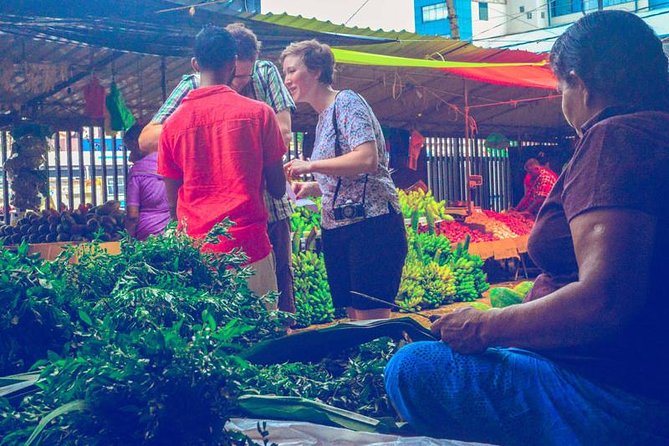
- Market shopping with guidance on unfamiliar fruits, vegetables, and spices
- Clay-pot cooking included, with practical techniques you can repeat later
- Dining etiquette lessons, including serving manners that shape the meal
- Small group size (max 8) for a quieter, more personal pace
- Recipes and a certificate so you can cook again at home
Picking your 5 courses before you ever hit the market
This is built around one smart idea: you choose what you’re going to cook, then you go get the ingredients you need. At the start, you’ll settle into the villa with a welcome drink—fresh fruit juice or an herbal drink—then get a rundown of how the day will flow. After that, you select a menu based on family recipes, and the chef builds the day around your choices.
That menu-first approach matters for two reasons. First, it makes the market walk feel purposeful. You’re not just sightseeing. You’re gathering ingredients for dishes you’ll actually cook later. Second, it helps you pay attention in the moment. When you learn the name of a spice or the role of a vegetable, you can connect it to a dish right away.
You’ll also get a clear sense that this is home-style Sri Lankan cooking, not a demo. You’re taught the techniques people use day to day, including tips that don’t always show up in cookbooks or short videos. The pace is intentional. Sri Lankan meals take time because you’re doing the work: cleaning, measuring, and cooking step by step.
You can also read our reviews of more tours and experiences in Colombo.
The Colombo market walk: spices, produce, and small wins
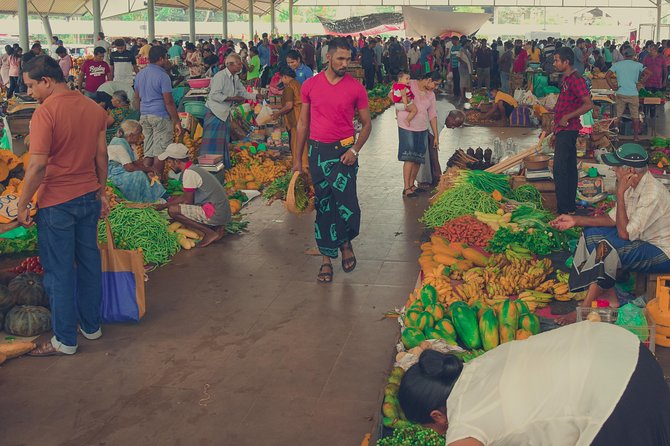
The market part is where this tour earns its keep. You’ll join chef Nim for a guided walk focused on ingredients—especially fruits and vegetables you might not see back home. Expect a lot of practical talk: what to look for, how ingredients smell and perform, and how certain items show up in Sri Lankan cooking.
One of the best practical moments is learning what’s real and what’s not. A key example is cinnamon, where you can hear the difference between genuine cinnamon and substitutes. It’s the kind of detail that makes you a better cook after the class, not just a better tourist for a few hours.
You’ll also hear how Sri Lankan flavor comes together. It isn’t only heat from chili. It’s about layers—aroma, toasted notes, and spice balance—along with vegetables and fresh components that bring color and body to the dishes.
If you’re the type of traveler who likes food markets but gets tired of fluff, this works. It’s not a rushed pass-through. It’s a guided shopping session with real cooking outcomes at the end.
Chef Nim’s hands-on methods: measuring tricks and kitchen confidence
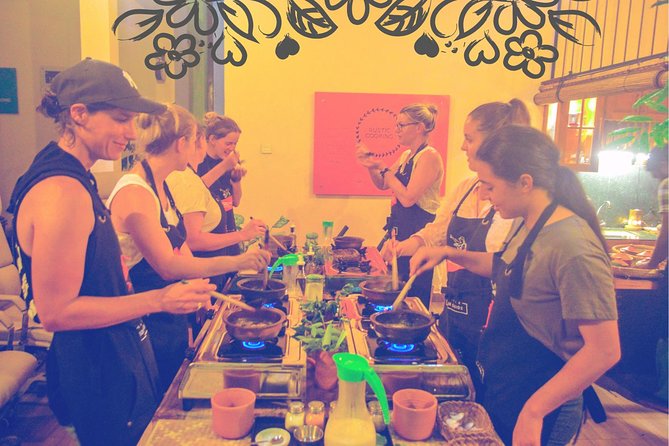
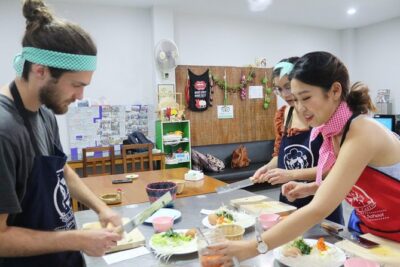
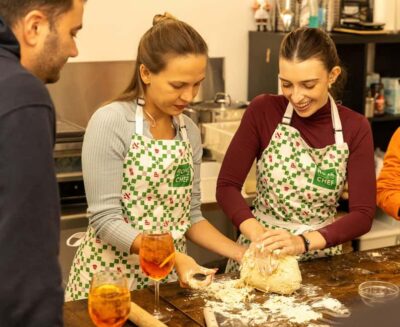
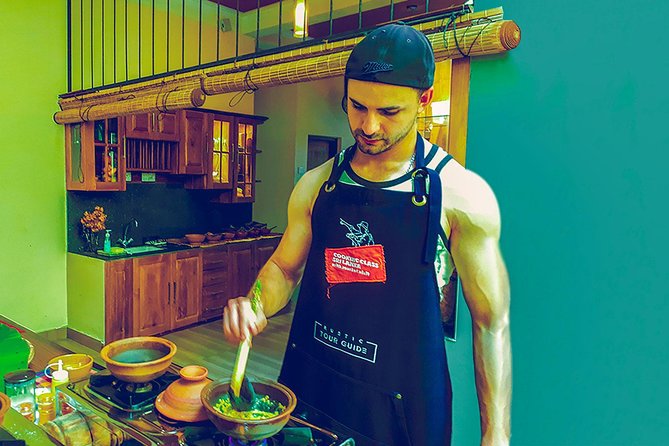
Back at the villa, you shift from shopping mode to cooking mode, and you’ll be involved in the process from start to finish. The chef takes you through the meal in a way that’s designed for beginners. You’ll learn by doing: how ingredients are prepped, how they’re measured, and how each step affects flavor and color.
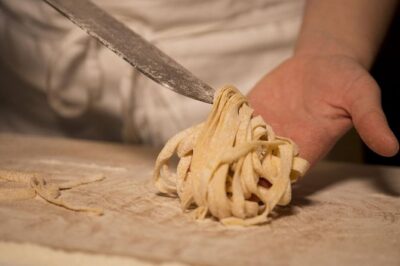
One standout teaching style is the explanation of traditional cooking measurements. There’s a classic example compared to how Italians measure pasta by technique, not by guesswork. You’ll hear about similar traditional tactics used in Sri Lankan home cooking. The point isn’t nostalgia. The point is repeatable method.
You’ll also get clay-pot cooking as part of what you prepare. Even if you don’t know clay pots today, you’ll likely understand why the chef uses them: the way heat behaves and how the cooking environment supports flavor development.
And here’s the thing: the class takes longer than the fast, “we’ll make one dish and call it education” model. But that’s not a flaw. It’s why you leave feeling like you can reproduce what you learned. When someone shows you how to handle ingredients, not just when to stir, you walk away with confidence.
Sri Lankan dining etiquette: manners that change how you eat
Food culture is built into the meal. Before you sit down, you’ll learn that eating like a local has rules—some obvious, some not. A key message is that the first rule is to serve others before yourself. That changes the tone of the table. It also turns the meal into something communal instead of individual plates you grab and rush through.
You’ll learn general manners for dining, with the chef and guide helping you understand what’s expected at the table. This isn’t only about politeness. In many cultures, table etiquette also shapes portioning, pacing, and the flow of conversation.
Expect that you’ll be guided during dining rather than left to figure it out. If you’ve ever felt awkward trying to copy local customs, this part is a big win.
What you actually eat: welcome drinks, tea, and your 5-course finish
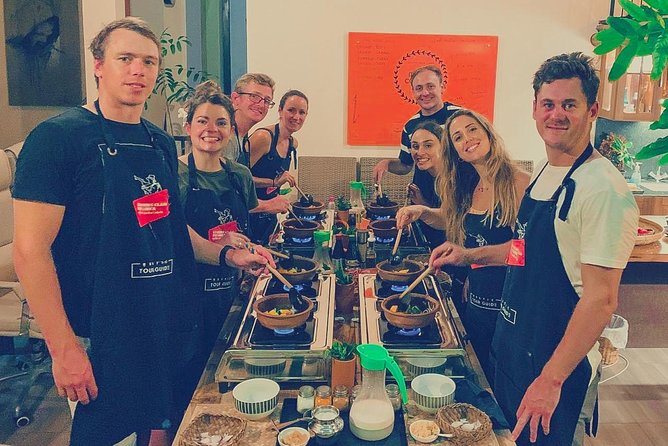
This is not a snack-and-smile experience. You’re preparing a 5-course lunch or dinner, and you’ll eat the meal you made. Along the way, you’ll get light refreshments and also afternoon tea, so you’re not stuck waiting hungry between market and cooking.
The meal itself is the payoff. You’ll taste what you built: the aromas, the spice balance, and the textures that come from cooking the way Sri Lankan home kitchens do it. Because you help with prep and cooking, you can identify what you did that changed the final dish. That makes the food feel personal, not just delicious.
Also, you’ll get learning support that extends beyond the table. The experience includes recipes and a certificate, which is useful if you want to recreate the menu at home instead of relying on memory.
One small practical note: alcohol isn’t included. If you want beer, you’ll need to plan for purchasing it separately, and you may want local cash for any extra beers beyond what’s covered.
Timing, transfers, and small-group realities in Colombo
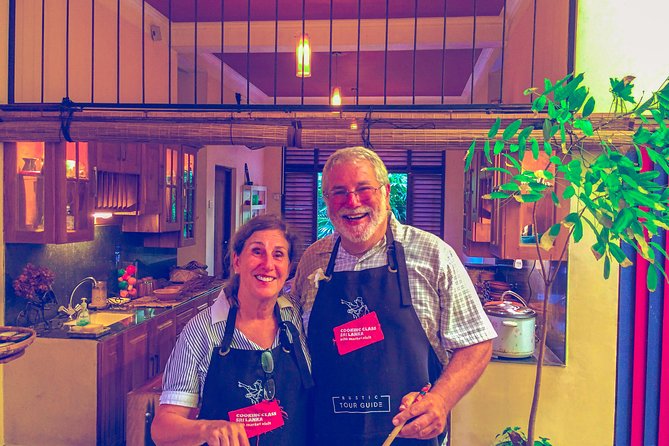
The total duration is about 5 hours. Transfers depend on your schedule and where you’re staying, and you should treat timing as flexible due to traffic.
Here’s the practical transport picture:
- Your starting point is the villa area: Villa Ivy Crest. The activity also references VW99+VCV, Sri Jayawardenepura Kotte as a start point.
- The exact meeting point for your booking may be sent by WhatsApp.
- Hotel pickup isn’t part of the $80. You can request it, but the cost depends on mileage, so you’ll want to confirm ahead of time.
- Airport pickup is available at $38, with a fully conditioned car for up to 2–3 people, including a welcome board and express way entrance.
Group size is capped at 8 travelers, which is great for a cooking class. You get more attention, fewer long waits, and a more relaxed rhythm while you work.
If you’re planning dinner plans afterward, give yourself a buffer. Cooking classes run on kitchen time, not tourist time.
Price and value: why $80 can feel fair here
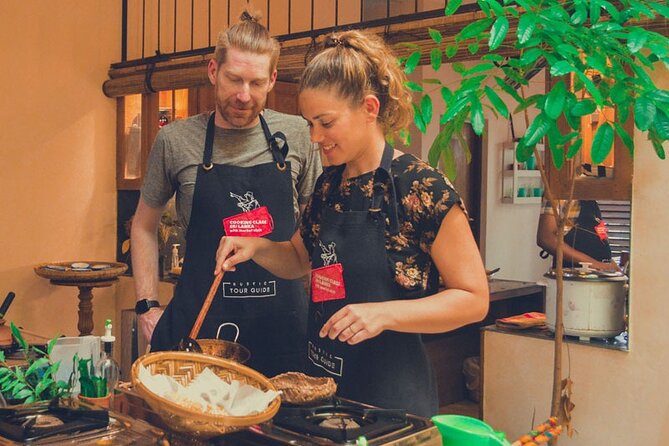
At $80 per person, the price lands in the mid-range for Colombo food experiences. What justifies it is the structure: market shopping, guided cooking instruction, and a full 5-course meal you prepare yourself, plus refreshments and tea.
A lot of cheaper food tours give you tasting only. Here, you pay for skills. You’re learning ingredient behavior, spice use, and step-by-step cooking methods, with recipes to take home. That’s why the cost can make sense even if you’re not buying souvenirs.
It also helps that the class is limited to a small group and run in a home-villa environment. That’s not just atmosphere. It affects how much time the chef can spend with you while you cook.
One caution on value: if you need hotel pickup, that can add cost. Alcohol is also not included, so if you plan to drink, budget for it separately.
Who this Colombo class suits best
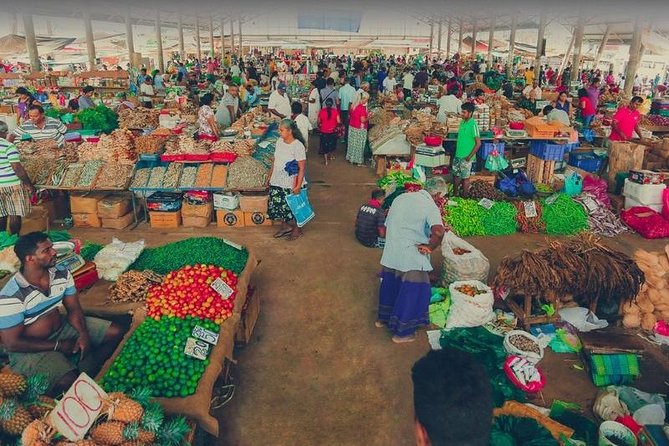
This fits travelers who want more than a meal—they want the process. I’d put it at the top of the list if you:
- like food markets but want a cooking link, not just sightseeing
- want a hands-on Sri Lankan cuisine class with practical methods
- enjoy learning table manners and culture around food
- prefer small groups and direct teaching
It’s also a good option for couples or small groups, since the format works well in a villa setting. The experience specifically recommends couple/family/friends, and the cap of 8 supports that.
If you’re allergic to slow cooking time or you hate being hands-on in the kitchen, this might feel like more work than you want. But if you like learning by doing, you’ll likely appreciate the extra time.
Should you book this cooking class in Colombo?
Book it if you want a meal that teaches you how to cook it, not just something you eat once. The combination of market shopping, a guided, step-by-step cooking session, and dining etiquette makes it feel like a real window into Sri Lankan food culture.
I’d say skip or consider something else if:
- you need fast, low-effort activities
- you’re not interested in cooking or spice education
- hotel pickup logistics are a deal-breaker for you and you don’t want to arrange it separately
If you’re flexible on timing and you’re excited to cook and eat what you make, this is a strong choice in Colombo—one where $80 buys real kitchen know-how and a 5-course payoff.
FAQ
How long is the cooking class?
The class runs about 5 hours.
Where does the tour start?
It starts at Villa Ivy Crest (and the activity references VW99+VCV, Sri Jayawardenepura Kotte). For your specific booking, you’ll receive the exact meeting point via WhatsApp.
Can I choose lunch or dinner?
Yes. You can choose between a lunch class or a dinner class to fit your schedule.
Is there a vegetarian option?
Yes. A vegetarian option is available. Tell them you need it at the time of booking.
What’s included in the $80 price?
It includes welcome refreshment, light refreshments, bottled water, a professional guide, and the 5-course lunch or dinner you prepare, plus recipes and a certificate.
What isn’t included?
Alcoholic drinks are not included, and hotel pickup/drop-off isn’t included. Extra beers may require local cash.
How many people are in the group?
There is a maximum of 8 travelers.
Do I need local cash?
You may want local cash for extra beers (beyond what’s included). The tour notes local cash is needed for extra beers.
Is airport pickup available?
Yes. Airport pickup is available at $38, using a fully conditioned car for up to 2–3 people, with a welcome board and express way entrance.