REVIEW · COLOMBO
Authentic Sinhalese Cooking Class in Colombo with a Local Family
Book on Viator →Operated by Traveling Spoon · Bookable on Viator
Cooking curry where locals actually live. This Sinhalese class in Colombo pairs a market walk with real cooking in a family home. I especially like the private, home-kitchen feel and the hands-on focus as you make dishes from scratch. The one thing to consider is that hotel pickup isn’t included, so you’ll need to get yourself to the meeting point on your own.
You’ll start at Shasikala’s family place in Bellanthara, Dehiwala, and settle in with milk tea or fresh juice while you meet the family. Then you’ll either head to the Kirulapone neighborhood market (by tuk-tuk) to shop for ingredients and taste local fruit, or go straight into the kitchen. Either way, the menu can shift with the seasons, and you’ll choose from the core dishes the class is built around.
The overall experience runs about 3 hours, with around 1 hour of hands-on cooking time. You can pick lunch or dinner, and you can request vegetarian, vegan, or halal meals (or flag allergies and dietary preferences when you book). If you want a “see it, then watch it” class, this isn’t that. This is more you-hands-on-your-own-pan, with an actual home kitchen and an actual local cook—Shasikala, plus her mother in the background.
In This Review
- Key highlights at a glance
- A Colombo cooking class that feels like a visit, not a show
- Getting to Bellanthara and what the start feels like
- The optional Kirulapone Market stop: spices, fruit, and local shopping
- Inside Shasikala’s traditional kitchen: simple setup, real guidance
- The three dishes: what you’ll cook and why each one matters
- 1) A seasonal vegetable dish
- 2) Coconut sambol
- 3) Fish or chicken curry
- Lunch or dinner timing: how to pick what fits your day
- What you get for $148: value breakdown that makes sense
- Dietary needs and allergies: tell Shasikala early
- What to watch for on the day (so it goes smoothly)
- Who this Colombo class is best for
- Should you book this Sinhalese cooking class in Colombo?
- FAQ
- How long is the cooking class experience?
- Where do I meet the host?
- Is this experience private?
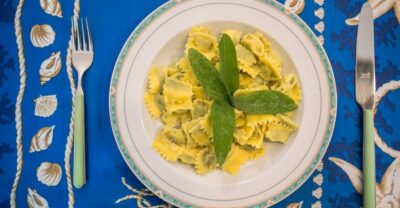
- What dishes will I cook?
- What’s included in the price?
- Can you accommodate vegetarian, vegan, halal, or allergies?
- What is the cancellation policy?
Key highlights at a glance
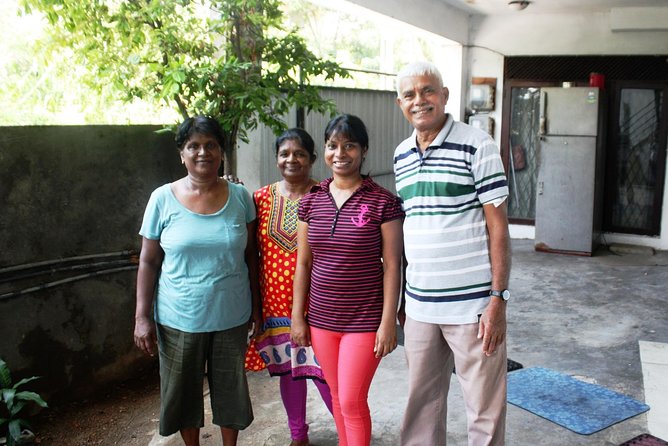
- Meet Shasikala in her family home in Bellanthara, Dehiwala
- Optional Kirulapone Market stop to buy spices and a seasonal vegetable
- Cook three Sinhalese dishes from scratch in an old traditional kitchen
- Learn coconut sambol plus fish or chicken curry and a seasonal vegetable dish
- Choose lunch or dinner timing for the best fit with your day
- A real family meal at the end, with non-alcoholic drinks included
A Colombo cooking class that feels like a visit, not a show
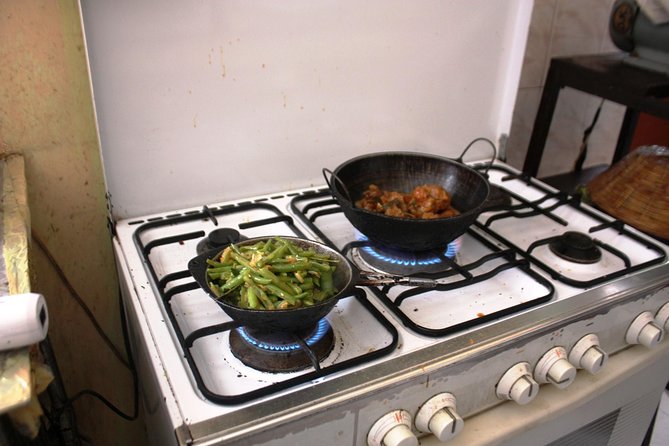
There are cooking classes, and then there are home-cooking experiences. This one is firmly in the second category. You meet Shasikala directly at her family home, and you cook in her kitchen. That matters, because you’re not trying to recreate a meal on a studio schedule. You’re learning how these dishes are made in the rhythms of daily life, with ingredients that are local and season-driven.
I also like that the focus stays practical. The class isn’t built around vague “flavor tips.” You make three dishes yourself, with a clear set of targets: a seasonal vegetable dish, coconut sambol, and fish or chicken curry. When you leave, you’re not just hungry. You know what to do, step by step, the next time you’re in a grocery store and trying to reproduce Sri Lankan flavors.
One more real-world consideration: since this is an at-home experience, the kitchen setup is what it is. It’s described as an older traditional kitchen, not a polished commercial space. That tends to make the class feel more authentic, but it also means you should expect a simple home environment rather than a sleek cooking school.
You can also read our reviews of more tours and experiences in Colombo.
Getting to Bellanthara and what the start feels like
Your start point is Mayura Mawatha, Dehiwala-Mount Lavinia, Sri Lanka. The experience ends back at the same meeting point, so you’re not dealing with a complicated drop-off plan at the end.
Because hotel pickup and drop-off aren’t included, plan to travel there the way locals do. If you’re using public transport, the description notes it’s near public transportation, which is helpful. If you’re staying far out, give yourself extra time—this is one of those experiences where being early helps you relax.
When you arrive, Shasikala welcomes you into the family’s home and introduces you to the household. There’s time to sip on milk tea or fresh juice, and that small break does more than fill time. It helps you settle into the flow of a real family visit before the knives come out.
The optional Kirulapone Market stop: spices, fruit, and local shopping
If you choose the market tour option, the experience adds a Tuk-tuk ride from Shasikala’s home to the nearby neighborhood market. Once you’re there, you walk through the stalls and get a sense of what locals actually buy: fruits, vegetables, spices, seafood, and meat.
This part is one of the best value-add sections of the experience because it changes what “cooking” means. Instead of only hearing about ingredients, you see them in context. You’ll also have a chance to taste a few locally grown fruits, and you can purchase a seasonal vegetable that you’ll later cook together in the class.
If you like souvenirs that you can actually use later, this is the section to pay attention to. The market format makes it easy to find ingredients you can bring home. One of the big takeaways from high ratings is that people love being able to buy spices during the visit and then connect those purchases to what they cook later.
Inside Shasikala’s traditional kitchen: simple setup, real guidance
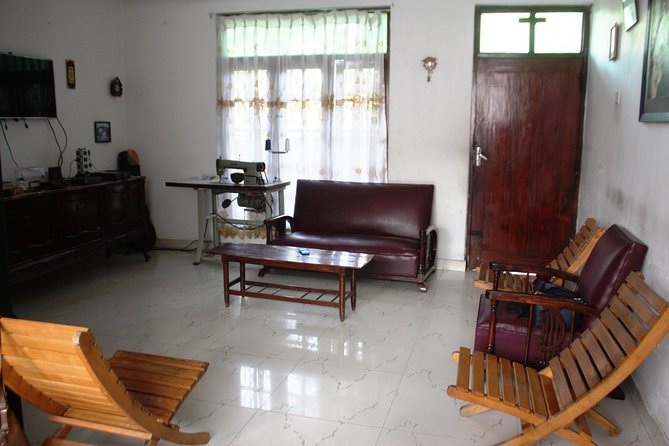
After the market (or straight after you meet if you skip it), you move to Shasikala’s home kitchen. The class is described as a hands-on session in an older traditional kitchen. In practice, that means you’ll likely work close to the cooking area, using the pots, pans, and prep style a family uses.
This is where the private format really pays off. Only your group participates, which means you’re not competing for attention with a dozen other people. You can ask questions as you go, and Shasikala can adjust explanations based on what you seem to be getting stuck on.
The class starts with Shasikala guiding you through what’s needed, then you get to work. The hands-on part is about 1 hour, so the pacing stays focused. You’re not wandering around for 45 minutes learning theory. You’re actively cooking, which makes the final meal feel like something you truly created.
The three dishes: what you’ll cook and why each one matters
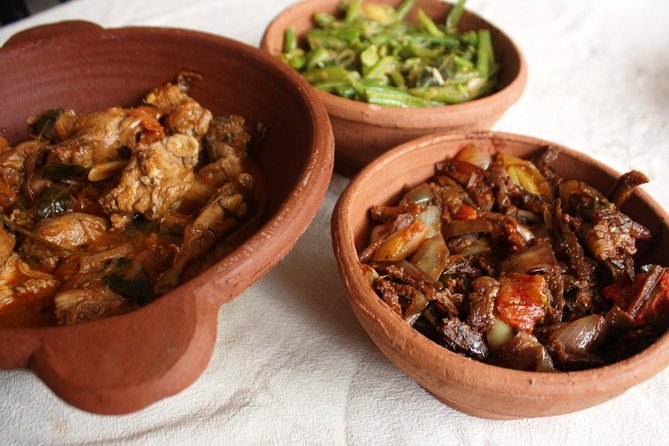
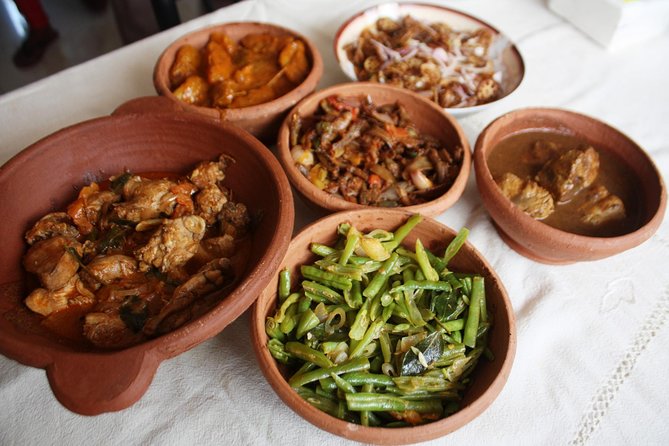
The class gives you a clear set of targets, and that’s what makes it easy to commit to. You’ll prepare three different dishes of your choosing, drawn from the Sinhalese core described in the experience.
1) A seasonal vegetable dish
You’ll cook a vegetable that matches the season. When the market option is included, you can purchase that vegetable during the visit, which makes this dish feel extra personal. Seasonal choices also matter because they affect texture and flavor. You’re practicing Sri Lankan cooking where ingredients drive the outcome.
You’re not just learning one recipe. You’re learning how to handle a vegetable in a Sri Lankan home-style approach, including how you season and cook it so it works with coconut and spices.
2) Coconut sambol
Coconut sambol is one of those dishes that instantly signals Sri Lankan cooking. It’s also a great teaching dish because it shows how different flavors can be balanced in small amounts: coconut, spice, and the right mix of ingredients and texture.
This class includes coconut sambol as a core part of the meal. That’s a win for value, because it’s a dish people often want to recreate after they leave. Once you’ve made it from scratch here, you’ll know the feel of the process instead of guessing from the final look.
3) Fish or chicken curry
For the curry, you’ll learn to make fish or chicken curry from scratch. The description leaves the choice open, and you should expect the flavor profile to match the home-cooking style Shasikala is teaching.
Curry is where technique matters. Even if you’ve cooked curry before, Sri Lankan versions are often built on different spice habits and mixing methods. Learning this in a home kitchen is helpful because you’re watching how the cook builds the base and then brings the main ingredient into the sauce.
Lunch or dinner timing: how to pick what fits your day
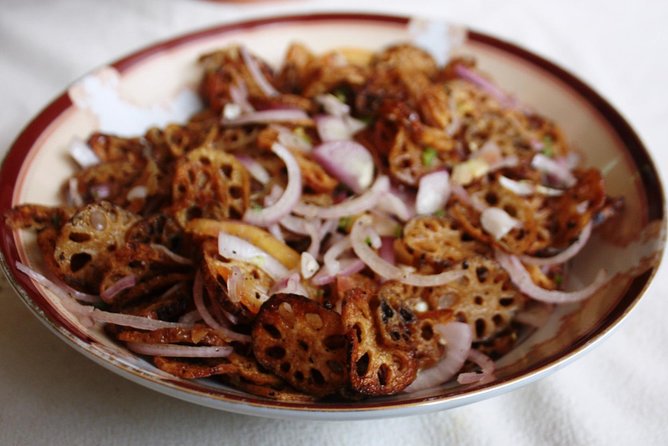
You can choose between lunch and dinner class times. If your goal is comfort and a smooth day, I’d lean toward the meal time that lines up with when you want to eat your biggest food moment.
Dinner can feel more relaxed if you’ve already spent your afternoon seeing Colombo sights. Lunch can be great if you’d rather lock in food plans early and keep the rest of your day flexible. Either way, the class ends with the hearty meal you helped prepare together, so you won’t be scrambling for dinner afterward.
One small note: menu may vary depending on the season, so treat the dishes as a consistent set (vegetable, sambol, curry) while staying open to the exact vegetable and details.
What you get for $148: value breakdown that makes sense
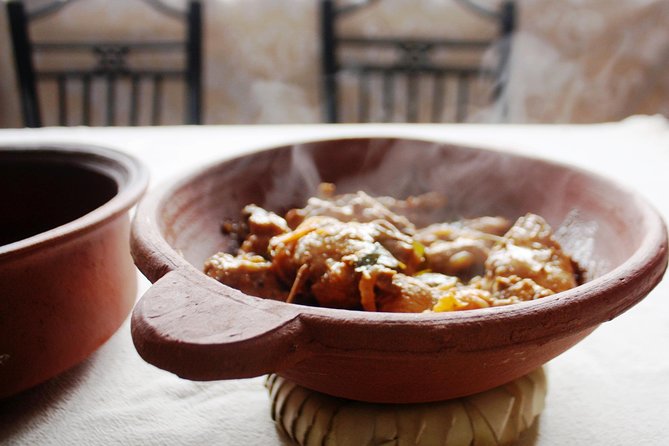
At $148 per person, this isn’t a budget cooking class. But it’s also not a “cheap and cheerful” demo. The price reflects what you’re actually buying: a private class in a local home, plus the meal.
Here’s what’s included:
- Private cooking class and meal with your host Shasikala
- Non-alcoholic beverages
- All taxes, fees, and handling charges
- Gratuities
What’s not included:
- Hotel pickup and drop-off
For me, the value comes from three things. First, it’s not a commercial class aimed at mass throughput. Second, you’re cooking three dishes, not just one. Third, the optional market stop can make your ingredients feel connected to the cooking, which is the kind of practical souvenir that lasts.
If you’re traveling with a partner or a small group, the private format can feel like the sweet spot: you’re paying for time and attention, not a crowded classroom experience.
Dietary needs and allergies: tell Shasikala early
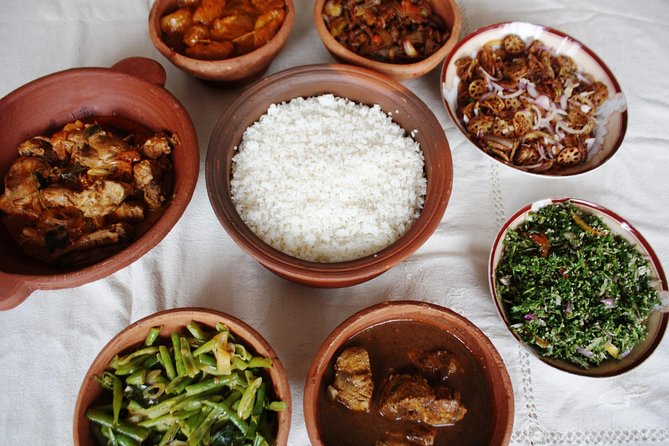
The experience notes that Shasikala can offer vegetarian, vegan, and halal meals on request. If you or anyone in your group has allergies or dietary restrictions, you need to advise at time of booking.
That’s important because the menu may vary by season and the dishes are built around specific ingredients. Sharing restrictions early gives the host a real chance to adjust the plan so you’re not stuck with a “side dish substitute.”
If you’re booking as a solo traveler, this is also one of those experiences that can work well because the class still runs in a private format. You can still ask questions and move at a pace that makes sense for your comfort level.
What to watch for on the day (so it goes smoothly)
Keep your expectations tied to the format. This is a visit into a local’s home to meet a local expert cook and share Sri Lankan culture and cuisine together. The description is very clear that it’s not a commercial cooking class.
That means:
- The setting is a real household kitchen, not a polished cooking studio
- You’re doing the work for the dishes, not just observing
- The market option adds more walking and ingredient shopping
Also, since the experience ends back at the meeting point, plan how you’ll get home after your meal. One of the positive notes from people who did the class is that Shasikala helped coordinate a fast, safe tuk-tuk ride after the experience. Even if that specific help isn’t guaranteed for every situation, it’s a good sign that the host takes real care of how you finish the evening.
Who this Colombo class is best for
This experience is ideal if you want:
- Authentic Sinhalese home cooking, not a tourist-style buffet lesson
- A market component where you shop for spices and fruit
- A private setting where you can ask questions without feeling rushed
You’ll especially like it if you’re the type of traveler who wants to bring cooking skills home, not just photos. The class targets dishes you’re likely to want to recreate later: coconut sambol and a fish or chicken curry.
It can also be a good fit for couples and friends because you can personalize your menu and choose lunch or dinner. Solo travelers should feel comfortable too, since the class is hosted in a home setting and the host is explicitly described as welcoming.
Should you book this Sinhalese cooking class in Colombo?
I’d book it if you want a real “learn by doing” cooking session with a local family, a market option, and a meal that’s the payoff, not an afterthought. The private setup, the hands-on cooking of three dishes, and the inclusion of non-alcoholic drinks and a full meal all support the price.
Pass or rethink if you strongly prefer hotel pickup and drop-off, because you’ll need your own transport to the meeting point. Also, if you want a purely commercial, high-tech kitchen experience, this is intentionally not that.
Overall, for travelers chasing practical skills and a home-style meal you can’t get from a standard restaurant visit, this is a strong pick in Colombo.
FAQ
How long is the cooking class experience?
The class is approximately 3 hours in total.
Where do I meet the host?
The meeting point is Mayura Mawatha, Dehiwala-Mount Lavinia, Sri Lanka, and the activity ends back at the same meeting point.
Is this experience private?
Yes. It’s a private tour/activity, and only your group participates.
What dishes will I cook?
You’ll learn to make three Sinhalese dishes: a seasonal vegetable, coconut sambol, and fish or chicken curry. The menu may vary depending on the season.
What’s included in the price?
Included are the private cooking class and meal with Shasikala, non-alcoholic beverages, all taxes, fees and handling charges, and gratuities.
Can you accommodate vegetarian, vegan, halal, or allergies?
Yes. Shasikala can offer vegetarian, vegan, and halal meals on request. If anyone has allergies or dietary restrictions, you should advise at time of booking.
What is the cancellation policy?
Free cancellation is available. You can cancel up to 24 hours in advance for a full refund. If you cancel less than 24 hours before the experience’s start time, the amount paid is not refunded.