REVIEW · HOI AN
Cooking Class in Tra Que Organic Vegetable Village
See Prices & Book →Operated by Lemon Basil Cookery & Restaurant
A trip to Tra Que feels simple at first: you shop, you farm, you cook. But the real magic is the hands-on rhythm—market ingredients to your hands, then to your plate. I especially loved the time spent working the organic vegetable fields and the calm, unhurried way the cooking class is run. One thing to consider: this is an active day, so you’ll want comfortable shoes and a bit of flexibility for hands-on farming tasks.
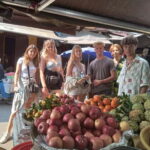
After hotel pickup around Hoi An, you head into the local market, then transfer out to Tra Que Organic Vegetable Village with your guide and chef team. The day blends three parts that don’t usually happen together: market practice (including bargaining tips), real farm chores with local farmers, and a chef-led cooking session finishing with the meal you made.
In This Review
- Key Things I’d Mark on Your Mental Map
- From Hoi An Market to Tra Que Fields: How the Day Actually Plays Out
- Hoi An Market Shopping: Learning the Real Skill of Buying Food
- The Organic Farm Experience at Tra Que: Seaweed, Hoeing, Watering
- The Chef-Led Cooking Class: From Ingredients to a Finished Plate
- The Menu You’ll Cook: Four Vietnamese Favorites, Done Your Way
- Traditional Foot Massage: The Reset You Didn’t Know You Needed
- Price and Value at $38: What You’re Really Paying For
- Who Should Book This Cooking Class (and Who Might Skip It)
- Should You Book Tra Que Organic Vegetable Village Cooking?
- FAQ
- How long is the Cooking Class in Tra Que Organic Vegetable Village?
- Where does the tour start, and is pickup included?
- What food is included in the price?
- Can the menu be adapted for dietary needs?
- What dishes will I cook and eat?
- Do I do farming during the experience?
- Is there any massage included?
Key Things I’d Mark on Your Mental Map
- Hoi An market shopping with practical bargaining tips and direct seller interaction
- Hands-on farm work with local guidance, including organic practices like seaweed and manures
- A break that actually helps: traditional foot massage with medicinal herbs
- Chef-led cooking where you prepare dishes rather than just watching
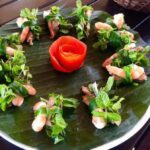
- A satisfying, specific menu: spring rolls, bánh xèo, banana flowers salad, and fish in clay pot
From Hoi An Market to Tra Que Fields: How the Day Actually Plays Out
This is a 5-hour experience that moves in logical steps, so you’re never waiting around thinking, What am I doing next?
You start with pickup from your hotel lobby in the Hoi An area. Then you meet your English-speaking guide and chef (this is run through Lemon Basil Cookery & Restaurant) and go over the day’s flow. From there, the first stop is Hoi An’s local market. This matters because it sets you up for cooking with ingredients you’ve picked yourself—so the meal feels personal, not generic.
Next you head to Tra Que Organic Vegetable Village, where the focus shifts from city energy to farm work. You’ll learn how organic vegetables are grown and then try a few of the tasks yourself. After that comes the reset: a traditional foot massage with medicinal herbs. Only then do you step fully into the kitchen mode—cooking the dishes you helped create.
You can also read our reviews of more tours and experiences in Hoi An.

Hoi An Market Shopping: Learning the Real Skill of Buying Food
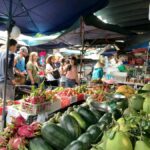
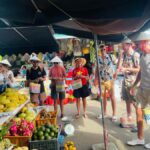
The market is where the day becomes more than sightseeing. It’s busy, loud, and full of people who sell because they know their customers are looking closely. You’ll pick up ingredients needed for your class, but you’ll also learn how to speak to sellers in a way that doesn’t feel like guesswork.
A great part here is the emphasis on bargaining tips. Even if you don’t consider yourself a “market person,” these small pointers help you understand what sellers expect and how to negotiate without getting stuck in awkward back-and-forth. You get a chance for direct contact with sellers, which also helps you understand what ingredients are fresh and what’s worth paying attention to.
Practical tip: if you’re the type who hates negotiating, tell your guide you’d like a lighter, simple approach. The point isn’t to win—it’s to leave the market knowing you bought the right ingredients at a fair price.
The Organic Farm Experience at Tra Que: Seaweed, Hoeing, Watering
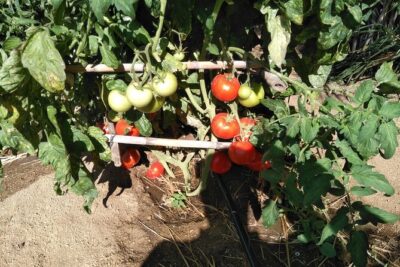
Tra Que Organic Vegetable Village is famous for its organic approach, and this tour doesn’t treat that like a poster claim. You learn the basics of how farmers grow vegetables using organic fertilizers such as seaweed and manures, then you step into the real work that supports it.
You’ll be guided through farming activities like:
- Hoeing the soil
- Collecting seaweed
- Transplanting seedlings
- Watering
Why I think this matters: cooking classes can stay surface-level—chop a few things, follow a recipe, done. Here, the food story starts in the soil. When you later cook with these ingredients, you understand why certain flavors taste the way they do and why farmers care about the process.
Also, the pacing is a big deal. The tour structure gives you time for the work, then time to reset. That makes it feel more like joining a day in the village than rushing through a photo stop.
Practical tip: you’ll likely get muddy or dusty. Wear closed-toe shoes you don’t mind getting dirty. If you’re sensitive to smells, the farm part is earthy and natural, but it is still a farm.
The Chef-Led Cooking Class: From Ingredients to a Finished Plate
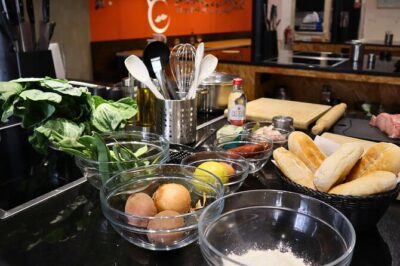
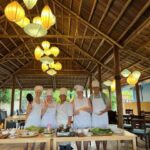
After the farm portion, you head to a local restaurant in the vegetable village setting. This is where the cooking class becomes the centerpiece.
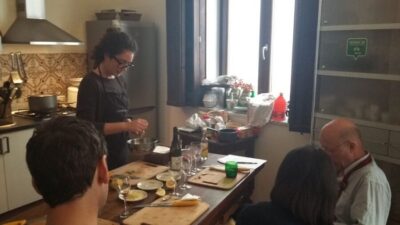
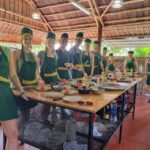
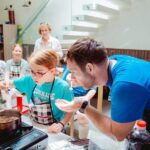
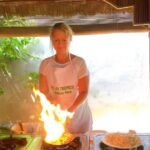
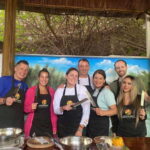
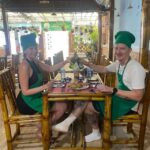
An English-speaking guide and chef support you, and the style is hands-on: you prepare and cook the dishes yourself rather than watching from the sidelines. The chef also keeps the momentum steady—enough instruction to feel confident, not so fast that you miss what you’re doing.
One detail I really appreciate from how the day is run is that cooking doesn’t feel rushed. The sequence gives you enough time to focus on technique and taste as you go. By the time the dishes come out, you’re not just eating—you’re recognizing the steps you performed.
If you like learning food basics (not just memorizing recipes), this setup works well. It’s practical cooking you can recreate later, and it connects directly to ingredients you saw at the market and helped handle in the farm.
The Menu You’ll Cook: Four Vietnamese Favorites, Done Your Way
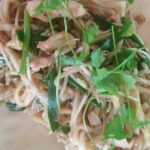
This tour’s standard menu is a solid mix of textures and flavors—fresh, crispy, tangy, and savory. You’ll cook:
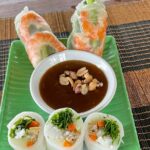
- Fresh spring rolls
- Bánh xèo (rice pancake)
- Banana flowers salad
- Fish in clay pot
What makes this menu a smart choice is balance. You’re not doing four variations of the same flavor profile. Instead, you get:
- A lighter start (fresh rolls)
- A crisp, savory centerpiece (bánh xèo)
- A cool, tangy side (banana flowers salad)
- A deep, comfort-style dish (clay pot fish)
Also, the tour is flexible with dietary needs. Ingredients can be adapted for vegan, vegetarian, gluten-free, or allergies—but you’ll need to tell the operator about your requirements in advance.
Practical tip: if you have allergies, don’t wait until the day-of. Contact the provider so they can adapt the ingredients properly.
Traditional Foot Massage: The Reset You Didn’t Know You Needed
Between farm work and cooking, you’ll get a break and then a traditional foot massage using medicinal herbs. This fits the day perfectly because it gives your body a chance to recover after time outdoors and on your feet.
Even if you’re not a “massage person,” this part is functional. It helps you stay comfortable through the rest of the program, and it also adds a cultural layer beyond just food.
This is the kind of detail that makes the experience feel thoughtfully assembled: farm chores require energy, cooking requires focus, and the massage helps you keep both.
Price and Value at $38: What You’re Really Paying For
At $38 per person, this isn’t just a ticket to a kitchen. You’re paying for a full, structured half-day that includes:
- Hotel pickup and return in the Hoi An area
- English-speaking guide and chef
- Market shopping for ingredients
- Farming activities with local farmers
- Traditional foot massage
- Lunch or dinner included
When you price it out like that, it becomes easier to see the value. Many food experiences only cover one piece—either cooking or sightseeing. Here you get the full chain: market → farm → kitchen → meal. It’s also a small-group style experience (you’ll be guided through the steps), which keeps it personal instead of factory-like.
One more value point: the menu includes multiple dishes, not just a single “signature” item. You’ll leave with a full meal you made, plus the satisfaction of understanding the process behind it.
Who Should Book This Cooking Class (and Who Might Skip It)
This is a great fit if you want a local day that goes beyond tasting. I’d especially recommend it to:
- Food lovers who want practical cooking skills, not just a demonstration
- Travelers who like hands-on experiences and don’t mind getting a little dirty
- People curious about how organic farming works in real life
You might want to skip or choose another option if:
- You’re looking for an easy, low-movement activity
- You want a mostly indoor, relaxed outing (this includes farm tasks)
- You have concerns about working with farm-related smells and textures
One more note: pets aren’t allowed.
Should You Book Tra Que Organic Vegetable Village Cooking?
If you’re in Hoi An and want one experience that ties together culture, food, and real farm work, this is a strong booking choice. The best reason to go is the sequence: you don’t just eat Vietnamese dishes—you build them from ingredients you select, with guidance that connects the kitchen back to the soil.
Book it if you’re open to hands-on work and you like learning by doing. If you prefer strictly hands-off activities, you may find the farm portion too active. But for most travelers who want a meaningful food day, this one is very hard to beat for the money.
FAQ
How long is the Cooking Class in Tra Que Organic Vegetable Village?
It lasts about 5 hours. Starting times vary, so you’ll want to check availability.
Where does the tour start, and is pickup included?
Pickup is included from your hotel lobby in the Hoi An area. The tour also returns you to your hotel after the experience.
What food is included in the price?
A lunch or dinner is included, and it covers the dishes you prepare in the cooking class.
Can the menu be adapted for dietary needs?
Yes. Ingredients can be adapted for vegan, vegetarian, gluten-free preferences, and allergies. You should contact the provider to share your needs.
What dishes will I cook and eat?
The standard menu is fresh spring rolls, bánh xèo, banana flowers salad, and fish in clay pot.
Do I do farming during the experience?
Yes. You’ll farm with local farmers, including tasks like hoeing soil, collecting seaweed, transplanting, and watering.
Is there any massage included?
Yes. There’s a traditional foot massage using medicinal herbs before you cook and eat your meal.