REVIEW · PADUA
Padua: Cooking Class at a Local’s Home
Book on GetYourGuide →Operated by Cesarine · Bookable on GetYourGuide
A home kitchen beats any restaurant demo. I like that this Padua class puts you in a local family home, guided by a certified home cook, so it feels personal from minute one. It is not a staged performance, it is practical cooking and real conversation over a shared meal.
I also love the combo of hands-on instruction and immediate tasting. You learn three local recipes (starter, pasta, dessert), then you get to eat what you make, with wine included. One thing to keep in mind: the exact address stays private until after you book, so you’ll need to plan to arrive using the details in your confirmation.
In This Review
- Key Highlights You’ll Feel Right Away
- A Local Home in Padua Turns Cooking Into Real Life
- What Happens in Those 3 Hours: Cook, Then Eat Everything
- The Menu Structure: Starter, Pasta, Dessert (and Why That Works)
- Starter: first taste, first technique
- Pasta: the skill that rewards attention
- Dessert: the surprise you’ll remember
- Learning From Family Cookbooks (Not Just Recipes on Paper)
- Wine, Coffee, and the Tasting Table: How the Meal Becomes the Lesson
- Why the Cesarine Home-Host Format Feels Different
- Price in Perspective: Is $164.26 Worth It?
- Timing in Padua: 10 AM or 5 PM (and Flexibility)
- Dietary Requests and Language Support, Without Confusion
- Who This Cooking Class Is Best For
- Should You Book This Padua Local-Home Cooking Class?
- FAQ
- Where does the cooking class take place?
- How long is the Padua cooking class?
- How many people are in the group?
- What dishes will I cook and taste?
- Are drinks included?
- What time does the class usually start?
- What languages does the instructor speak?
- Can dietary restrictions be accommodated?
Key Highlights You’ll Feel Right Away
- Local-home setting in Padua: you cook where Italians actually live, not in a studio kitchen
- Small group (max 8): you get more attention while you cook and plate
- Three recipes, one full experience: starter, pasta, dessert, plus tasting at the end
- Wine paired with your work: water, wine, and coffee are part of the meal
- English + Italian instruction: your host can switch between Italian and English
- Dietary needs can be handled: request vegetarian, vegan, gluten free, and more
A Local Home in Padua Turns Cooking Into Real Life
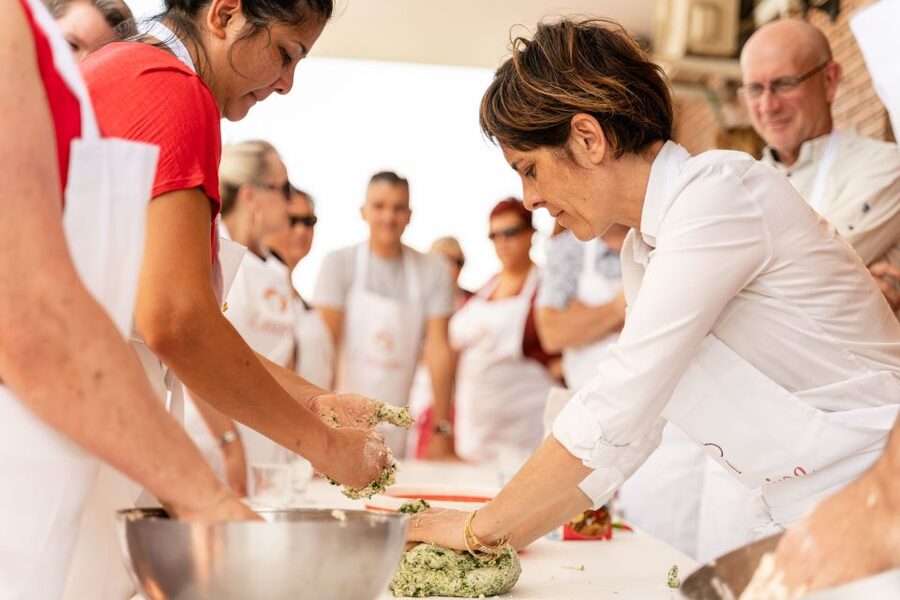
Padua is the kind of city where food is not just a theme—it is daily habit. This class leans hard into that. You’ll be in a local family’s home, which instantly changes the vibe. It’s quieter, warmer, and you end up noticing the little rhythms of a real kitchen: how people prep, how they taste, how they talk while they cook.
The best part is the people side. You’re with a certified home cook (and program provider Cesarine), and the instruction comes from lived experience, not just a script. Reviews also point to what you should expect: the atmosphere, the host’s personality, and clear teaching. That combination matters because cooking classes can go one of two ways—either you’re left standing back while someone else cooks, or you’re actively shaping the meal. This one is built for you to get your hands involved.
There’s a practical downside: you won’t see the full address until after booking. For a private-home experience, that’s normal. Just don’t plan to stroll in relying on guesswork—use the exact meeting point details you receive.
You can also read our reviews of more tours and experiences in Padua.
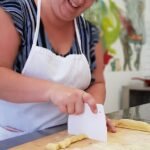
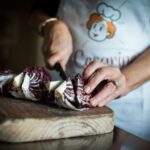
What Happens in Those 3 Hours: Cook, Then Eat Everything
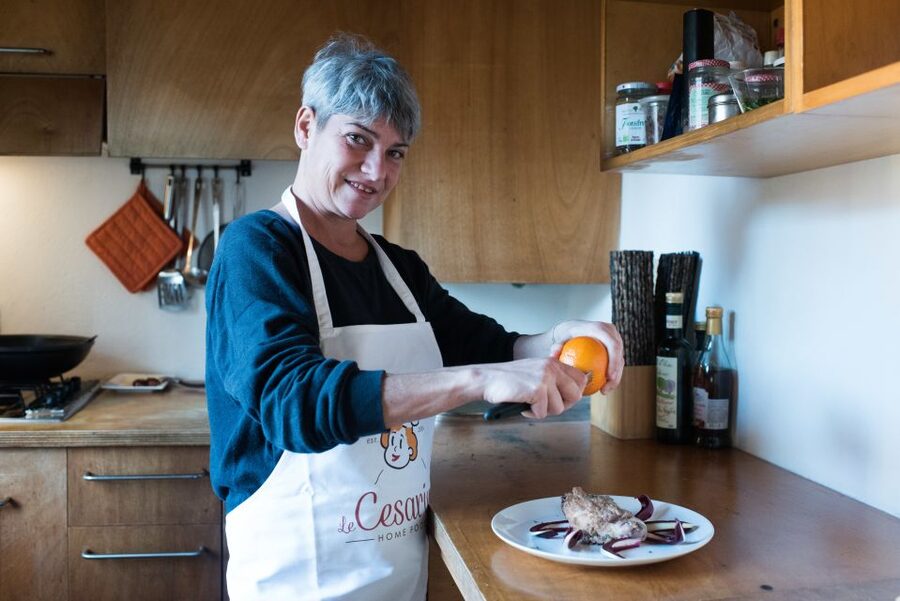
This is a focused, 3-hour session, and the flow is simple. You start cooking, you learn three local recipes through a mix of hands-on work and guidance, and then you sit down to taste everything you made.
Here is the typical arc:
- You get your workstation and ingredients: you’re not hunting for supplies or piecing together your own mini dinner. The set-up is meant for class learning.
- Your cook shares tricks of the trade: you’ll learn specific methods tied to the dishes you’re making, not generic theory.
- You build starter, pasta, and dessert: each part has its own rhythm and skills.
- You taste the full result at the end: tasting is not optional here. It’s the payoff.
Because the class ends back at the meeting point, it is also easy to fit into a day in Padua. Three hours is long enough to learn real steps, but short enough that you can still plan a sunset walk afterward or a casual dinner out—if you still have room.
And yes, wine is included. You’re not just sipping alongside; you’re tasting the meal you made while the table is set.
The Menu Structure: Starter, Pasta, Dessert (and Why That Works)
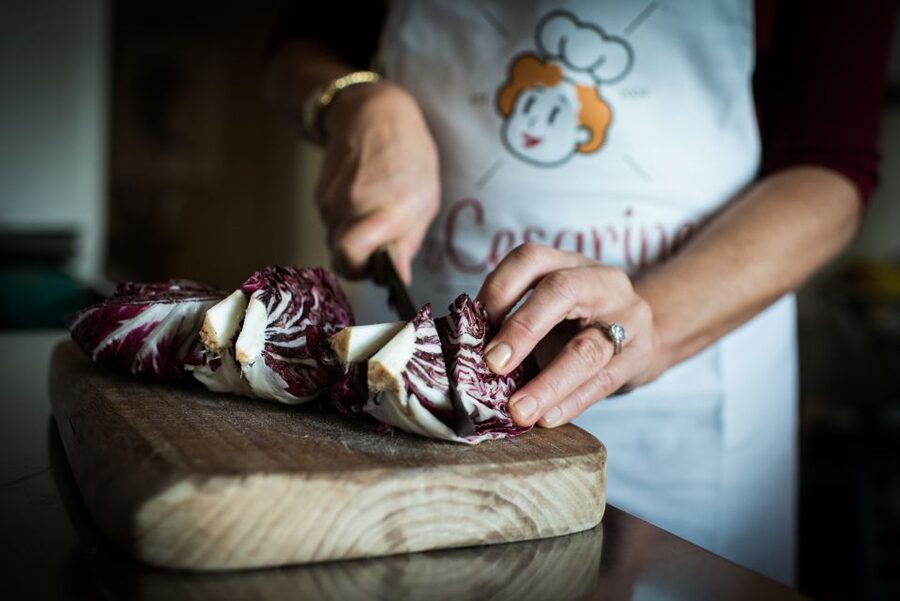
One reason this class is a smart use of your time is the structure. Many cooking classes teach one main dish and stop there. Here, you get a full arc—starter, pasta, dessert—which mirrors how Italians think about a meal.
Starter: first taste, first technique
The starter is where you learn foundational habits: cutting, seasoning, balancing flavor, and understanding how a first course sets expectations. Even if you’ve cooked before, you’ll likely pick up new timing habits—when to stir, when to adjust, and how to keep the dish from getting bland.
Pasta: the skill that rewards attention
Pasta is the centerpiece skill, and it’s usually where people feel the difference between watching and doing. Your cook will reveal methods for the dish you’re preparing, including how to work with texture and consistency. Pasta is also where tasting becomes useful immediately—you can often adjust as you go, instead of waiting until the end.
Dessert: the surprise you’ll remember
Dessert often gets treated as the fun extra in cooking classes. Here it’s part of the lesson, which means you leave with a complete skill set. You’ll learn a local dessert approach tied to the regional tradition you’re covering, then you taste it alongside the other courses.
This three-part setup makes the experience feel like a real meal you could recreate later, not just a series of demos.
Learning From Family Cookbooks (Not Just Recipes on Paper)
You’ll hear your cook talk about the way the dishes are made locally—how recipes get passed down, what people watch for, and which steps really matter. The class includes the idea of learning from family cookbooks, which changes how the info lands.
Here’s why that matters for you as a traveler: you don’t just collect instructions; you start understanding the logic behind them. In practice, that means the recipes are easier to repeat at home because they come with context. Instead of memorizing exact actions, you learn what the dish should look and taste like as you cook.
The feedback you should pay attention to from the experience is the teaching style. Reviews emphasize the knowledge and the host’s personality. That’s not fluff. In a home setting, good chemistry matters. If the instructions are clear and the cook is comfortable with questions, you’ll actually learn—quickly.
Wine, Coffee, and the Tasting Table: How the Meal Becomes the Lesson
A lot of cooking classes end with you tasting one small bite and moving on. This one is structured so your final tasting is the point. You’ll taste everything you prepared—starter, pasta, dessert—accompanied by local wines, plus water and coffee.
This matters more than it sounds. When you taste the dish you made, you notice details you might miss while cooking:
- How seasoning shifts the moment you add it
- How texture changes when it cools slightly
- How the flavors connect across courses
And with wine at the table, the tasting becomes a complete Padua moment rather than a rushed finish. The drinks are also practical: water, wine, and coffee are included, so you’re not stuck paying for extras mid-experience.
One more small tip: pace yourself early. If you jump into wine immediately while you’re cooking, you may feel it later. A few sips with the meal is a better match for a 3-hour cooking flow.
Why the Cesarine Home-Host Format Feels Different
This is hosted through Cesarine, and the biggest difference is that it’s truly a home class. That affects everything: the pace, the tone, and how much you participate.
You’re also in a small group limited to 8 participants. That size is the sweet spot for learning. You’re close enough to see what your cook is doing, and you’re not competing for attention like you would in a bigger tour.
Also, the instructor is Italian and English. In real life, that means you won’t have to guess your way through steps. If Italian is your weak spot, you can still follow along and ask questions.
This kind of setup is great if you want more than a meal. You’re building a personal connection to local food habits—something you can’t replicate from a quick restaurant order.
Price in Perspective: Is $164.26 Worth It?
At $164.26 per person, this is not a budget activity. But for what you get, it can be good value if cooking is your kind of travel.
Here’s what you’re paying for:
- A 3-hour hands-on class in a private home
- Instruction from a certified home cook
- Tasting of three dishes you prepare (starter, pasta, dessert)
- Drinks included: water, wine, and coffee
- A small group size (up to 8), so you actually get attention
If you compare it to paying for a nice restaurant meal plus a separate cooking workshop, the math gets clearer. This experience bundles learning and eating together. You leave with skills you can use later, not just a full stomach and a few photos.
Is it worth it for everyone? Not necessarily. If you only want a quick snack experience, you may find the cost steep. But if you like learning by doing, this price can feel fair—especially because wine and the full tasting are included, and you’re not in a huge crowd.
Timing in Padua: 10 AM or 5 PM (and Flexibility)
The class usually starts at 10 AM or 5 PM. That’s useful because it fits common travel rhythms:
- 10 AM works well if you want a morning activity and still have your afternoon open for walking, museums, or a relaxed lunch.
- 5 PM works if you want an earlier dinner-plan or to end your day with something social and delicious.
One more helpful detail: the guides can be flexible if you ask in advance. If your day is tight because of connections or a morning reservation, message ahead and see what’s possible.
Dietary Requests and Language Support, Without Confusion
Good to know: dietary requirements can be catered to upon request, including vegetarian, vegan, gluten free, and more. That means you should not assume you will be stuck eating only a small portion. Ask before you go so the cook can plan accordingly.
Language is also covered. The instructor speaks Italian and English, so you can follow instructions and explanations in the language that works best for you.
Practical tip: when you request dietary options, be specific about what you can and can’t eat. Vague notes lead to vague results, and a home-cooked menu needs clarity.
Who This Cooking Class Is Best For
This experience shines if you fit one of these profiles:
- You want authentic local home cooking rather than a generic tasting menu
- You enjoy learning skills you’ll use at home
- You like small groups and conversation while you cook
- You want wine and a proper meal as part of the class
It’s also a great choice for couples or a small group of friends who can enjoy a shared table and a shared project. If you’re traveling solo, you can still jump in easily—the class size keeps you from feeling lost.
If you’re the type who hates getting hands dirty, you might still enjoy it, but you’ll need to go with a mindset of participating. This is a cooking class, not a lecture.
Should You Book This Padua Local-Home Cooking Class?
Book it if you want your Padua trip to include real cooking skills, a full starter-pasta-dessert meal, and a small-group setting in a local home. At $164.26, the value is strongest when you count the included wine, coffee, and the fact that you’re learning multiple recipes with hands-on help.
Skip it if you’re mainly looking for a quick, low-cost food stop or if you know you won’t be comfortable in a private home setting where the address is shared only after booking.
If you want a memorable, practical experience that goes beyond eating, this is one of those rare tours that makes the lesson part of the meal.
FAQ
Where does the cooking class take place?
It’s held in a local family’s home in Padua. For privacy, you receive the full address after you book.
How long is the Padua cooking class?
The duration is 3 hours.
How many people are in the group?
The group is limited to 8 participants.
What dishes will I cook and taste?
You will cook and taste three local dishes: a starter, pasta, and dessert.
Are drinks included?
Yes. Beverages included are water, wine, and coffee.
What time does the class usually start?
The class usually begins at either 10 AM or 5 PM. You can ask in advance if you need flexibility based on your travel requirements.
What languages does the instructor speak?
The instructor speaks Italian and English.
Can dietary restrictions be accommodated?
Dietary requirements can be catered to upon request, including vegetarian, vegan, gluten free, and more.