REVIEW · CHIANG MAI
Chiang Mai: Half Day Cooking Class at Organic Farm
Book on GetYourGuide →Operated by LocalCNXTours · Bookable on GetYourGuide
A market walk, then your own spicy curry. That’s the magic.
This half-day Thai cooking class in Chiang Mai is built around hands-on cooking and a guided look at real ingredients, so the food feels practical, not just showy. I really like that you can choose how hot you want it (mild or spicy) and that the class supports vegetarian and vegan cooking without making it feel like an afterthought. One thing to watch: the experience runs with different garden options (city yard, city organic garden, or a farm outside town), and the outside-farm setting can be switched if that option isn’t available.
You’ll spend about 5 hours learning classic Thai patterns you can reuse later: curry paste, curries, stir-fries, soup, and spring rolls—often with a main dish choice like Pad Thai or chicken fried rice. The group stays small (up to 10), and the instruction is in English. Whether your instructor is Wave, Anya, Toy, Balloon, or another member of the team, the vibe I’d expect is clear, friendly, and very focused on getting your food right at your own cooking station.
In This Review
- Quick hits: what makes this class worth your half day
- Market Stop: learning Thai flavors before the stove
- Organic farm option vs city yard: choosing your setting
- What you cook in 5 hours: curry paste, curries, stir-fries, soup, rolls
- Vegetarian and vegan Thai cooking that still feels like Thai food
- Your station, your pace: how the class keeps it hands-on
- The guide experience: English instruction and friendly team energy
- Price and value: is $31 a good deal in Chiang Mai?
- Timing and logistics: how to plan your half day
- Who should book this class (and who might skip it)
- Should you book Chiang Mai: Half Day Cooking Class at Organic Farm?
- FAQ
- How long is the Chiang Mai cooking class?
- Where do I meet if I don’t have hotel pickup?
- What if I want mild or spicy Thai food?
- Are vegetarian and vegan dishes available?
- How big is the group?
- Is this experience wheelchair-friendly?
Quick hits: what makes this class worth your half day
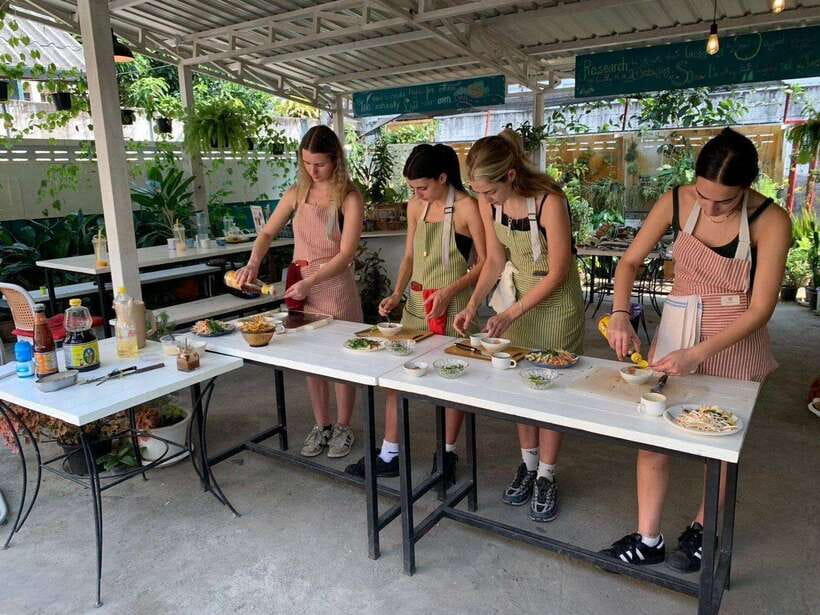
- Market-first ingredient learning so you understand what you’re buying and why it matters
- Organic garden choices: city organic garden, city yard garden, or a farm option outside the city
- Curry paste + classic Thai categories (curries, soup, stir-fry, spring rolls) in one session
- Spice control that’s actually allowed: pick mild or spicy to match your stomach
- Small group coaching with individual cooking stations and an English-speaking instructor
- Take-home support via a PDF recipe book (step-by-step) plus photos in an online album
Market Stop: learning Thai flavors before the stove
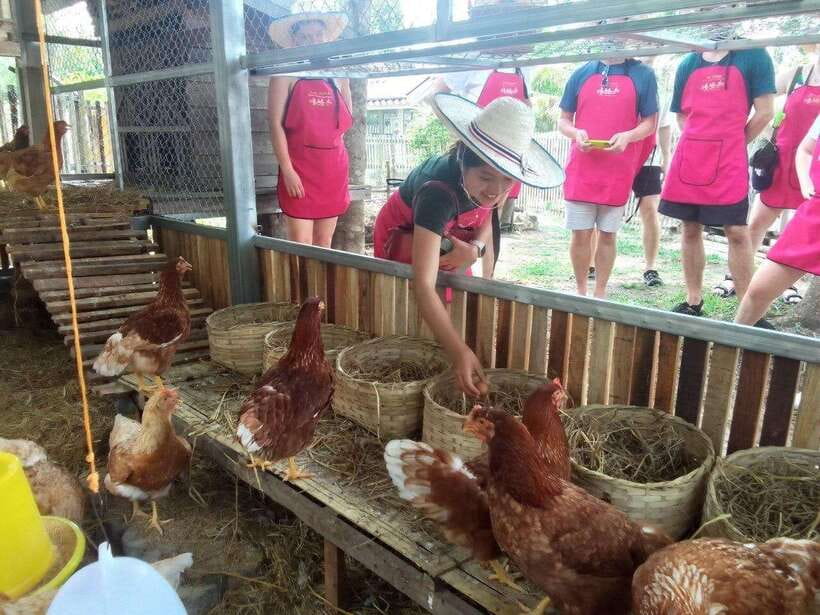
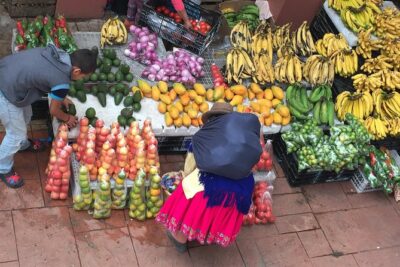
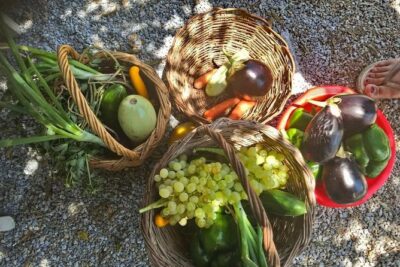
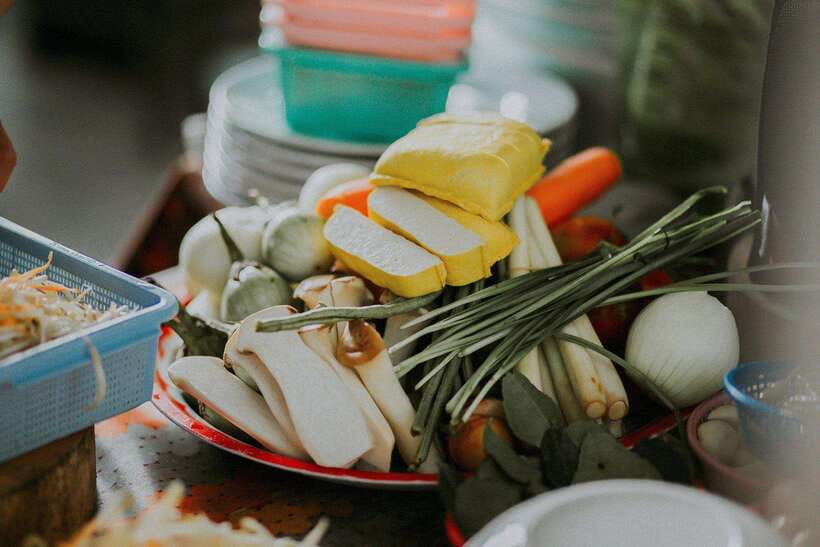
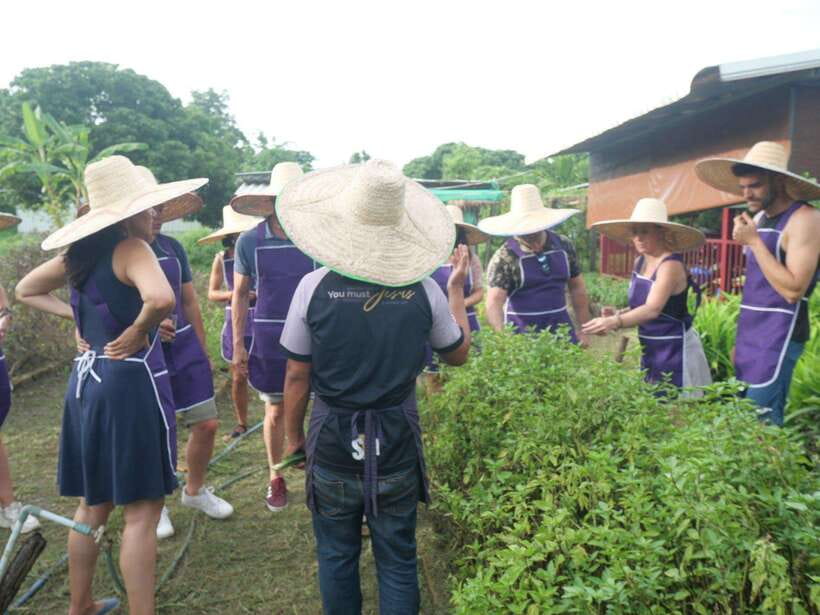
The class starts with a local market visit. This is not a quick drive-by photo stop—it’s meant to help you recognize ingredients you’ll use later at your station. You’ll get a guided explanation of key items (herbs and produce from the local food world), plus tasting herbs grown for the class from their own garden.
Why this matters: Thai cooking is ingredient-driven. If you only learn the technique, you can end up stuck when you try to recreate dishes at home with different brands or textures. Seeing the herbs, aromatics, and produce in context gives you the “what to look for” knowledge you can carry forward.
A practical tip: come ready to snack lightly. You’ll have a welcome snack, drinking water, and seasonal fruit during the class, and you’ll cook multiple dishes, so a big breakfast can make you feel cramped near the tasting and eating part.
You can also read our reviews of more tours and experiences in Chiang Mai.
Organic farm option vs city yard: choosing your setting

This experience is offered in three garden settings, and you should choose based on the mood you want:
- City with organic garden
You keep things close to town, with a garden feel attached to a more central setup.
- City with yard garden
Similar idea—still a garden environment in the city, but with a different space style.
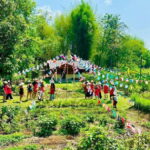
- Farm garden outside the city
This is the most “get out of town” option, and it tends to appeal if you want the farm rhythm and greenery experience.
Here’s the balanced reality: there have been cases where the outside-farm option wasn’t available and the provider switched people to a city option. So if the farm setting is your top priority, it’s smart to book with the understanding that the organizers may reassign the garden when needed.
No matter which setting you get, the goal is the same: you cook in an environment connected to where ingredients come from, then you eat in a Thai style that fits the place.
What you cook in 5 hours: curry paste, curries, stir-fries, soup, rolls
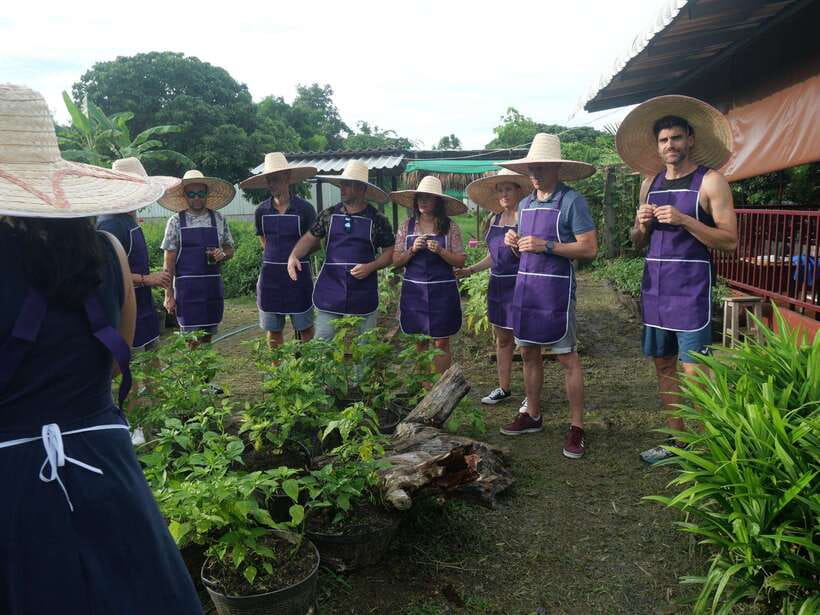
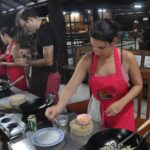
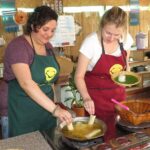
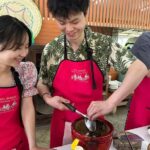
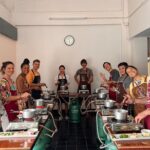
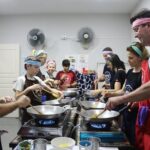
The half-day format is designed so you’re not just watching. You’ll cook your own dishes at an individual station, guided by an English-speaking instructor, and you’ll learn how Thai flavors build across categories.
Typically, you learn 5–6 categories, including:
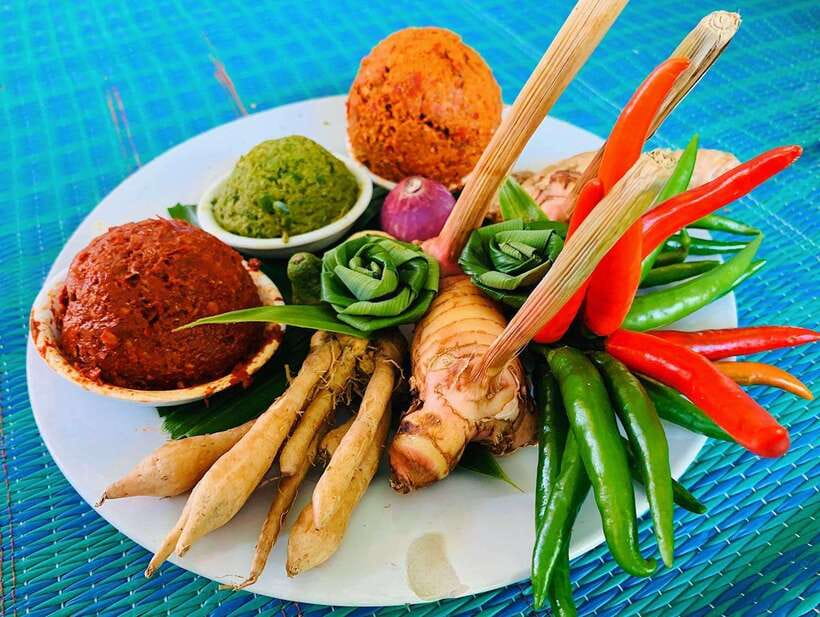
- Curry paste
- Curry
- Stir-fried dishes
- Soup
- Spring rolls
You also get clear customization options. For curries, you can choose curry paste types like red, green, Phanaeng, Massaman, or Khao Soi curry paste. That choice is one of the best “value multipliers” in this class: it lets you steer the session toward the flavors you actually crave, instead of being locked into one recipe.
For mains, the class may include classics such as Pad Thai or chicken fried rice. Other options can include Pad Kra Pao or fried chicken with cashew nuts—while the kitchen setup supports vegetarian or vegan versions too.
And spice is truly in your control: you can decide whether to make dishes spicy or mild. That’s huge in Thailand, where “mild” is still sometimes ambitious for non-heat lovers.
Vegetarian and vegan Thai cooking that still feels like Thai food
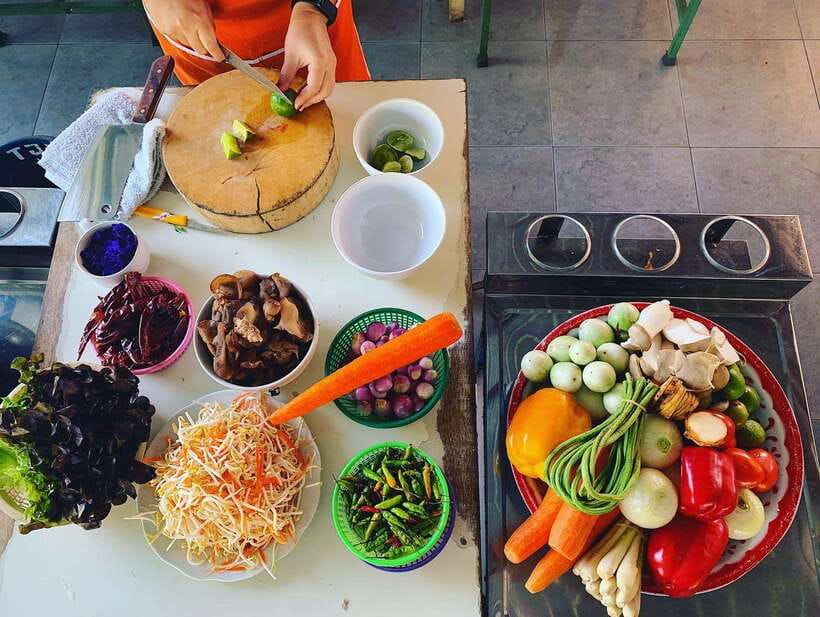
This class is explicit about it: all dishes are available as vegetarian or vegan. That’s not a minor detail. It changes what you choose at the market, what you prepare at your station, and how you think about balance in Thai cooking.
You can also match your preferences to your comfort level. If you’re vegetarian or vegan, you don’t have to guess how substitutes might work—you cook dishes in a guided format built for those options.
The instructors are also a big part of why this works. People remember specific teachers and helpers (for example, Wave, Anya, Toy, Balloon, and others), and the common thread in the teaching style is support. You’re not just dumped into a kitchen chaos scenario. You get step guidance and time to get the texture and taste right.
Your station, your pace: how the class keeps it hands-on
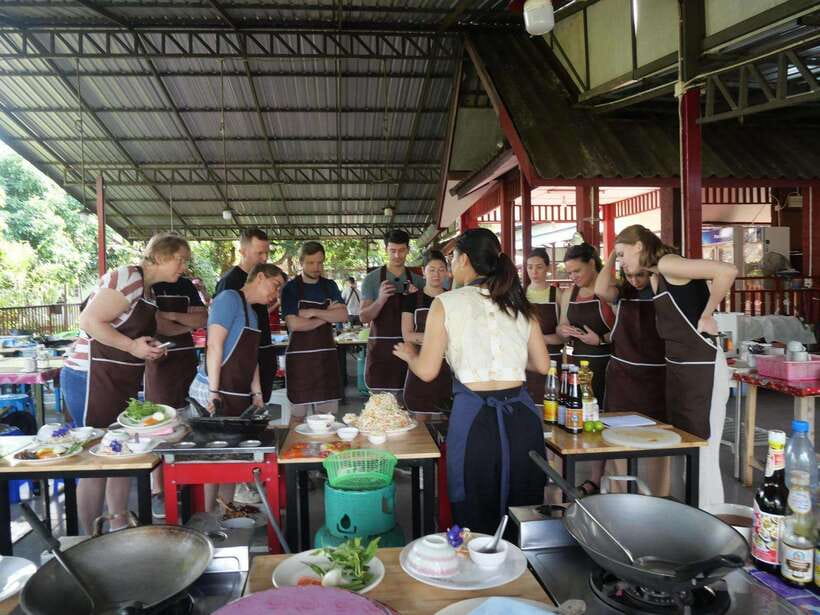
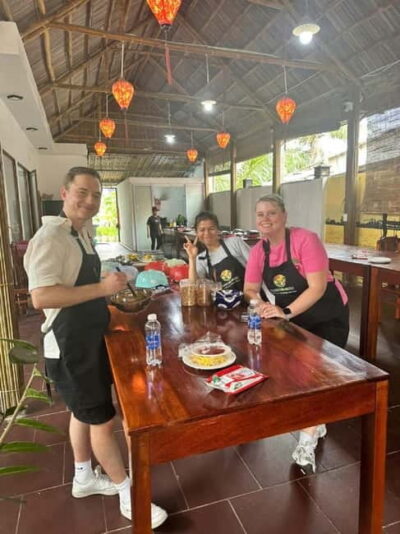
One of the strengths here is the structure: you get your own cooking station, the ingredients for the class are provided, and you’re working through recipes with a step-by-step format.
You also get:
- A welcome snack
- Drinking water
- Seasonal fruit
- All necessary ingredients
- An e-book / PDF recipe book that’s easy to follow after you leave
- A photo album posted online
- Food you cook that you can take away (when you want it)
Why this is practical: Thai cooking is physical. The “how” is in your chopping speed, your heat control, and your timing for adding aromatics and sauces. Individual stations make it more likely you’ll actually practice rather than just share a bowl and hope.
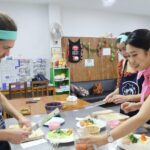
Also, you’ll eat after cooking in a traditional Thai style in the organic kitchen garden. That’s an underrated part of the day: it locks in what you made while it’s fresh, so you don’t leave with only notes. You leave with a taste memory you can replicate.



The guide experience: English instruction and friendly team energy
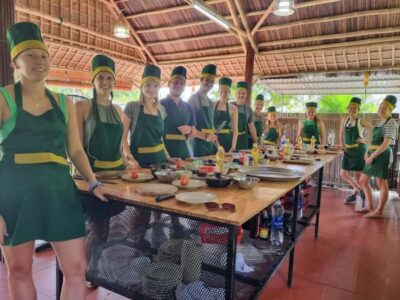
This is an English-taught cooking class, with small group size limited to 10 participants. That keeps questions from getting swallowed by the room volume.
You may see different instructors and team members depending on the session—names like Wave, Anya, Toy, Balloon, Auntie Sawat, Smiley Anya, and Aryun show up as part of the teaching staff in different runs. The common benefit is a teaching style that combines recipe instruction with ingredient context.
Here’s what you should look for during the class:
- Ask how to adjust spice while you’re making curry paste or stir-fry sauce
- Pay attention to herb handling, especially if you plan to cook at home
- Watch the cues for when to add paste vs. when to add liquid
If you’re new to Thai cooking, this format helps you build the foundation quickly: market ingredients, paste making, then full dishes.
Price and value: is $31 a good deal in Chiang Mai?
At $31 per person, this class can be strong value—especially because you’re paying for more than a recipe sheet.
You’re getting:
- A local market visit (ingredient education)
- An organic garden-guided segment (herb and garden context)
- A hands-on cooking class (multiple dishes at your station)
- English instruction
- A PDF recipe book you can use later
- A meal that includes what you cook
- Welcome snacks, seasonal fruit, and water
Several people highlight that the food quantity is generous and that you cook several dishes per person. Even if your exact dish list varies by curry and meal choices, you’re not paying for a token demonstration. You’re paying for practice, plus take-home tools.
My rule of thumb: if you want Thai food as a hobby (not just a one-time meal), this price makes sense. If you only want a casual tasting, you might find cheaper ways to eat. But if you want to learn how to repeat the results, this is the kind of activity that earns its cost.
Timing and logistics: how to plan your half day
This experience runs for about 5 hours, with both morning and evening sessions.
Meeting point can be a little different from hotel-to-door comfort. The guidance is to stand by at Burger King about 10 minutes before the activity starts. Pickup and drop-off may be offered within a 3 km radius of Chiang Mai old city, but the clean way to plan is to check whether your option includes pickup before you rely on it.
In plain terms: treat Burger King as your main anchor, then be pleasantly surprised if pickup is added.
Also note a couple of practical limits:
- No pets
- No alcohol and drugs
- Not suitable for wheelchair users
- Not suitable for people over 95 years
If you fit within the normal mobility range, the schedule should feel manageable, because the day is organized around cooking stations and set categories rather than wandering all day.
Who should book this class (and who might skip it)
I’d put this on your list if:
- You want a real cooking lesson, not a meal with a side of instructions
- You care about ingredient choices and spice control
- You want vegetarian or vegan options that still feel authentic
- You like small groups and direct coaching
You might skip it if:
- You hate heat and fear cooking smells might linger on your clothes (it’s a cooking class, so plan accordingly)
- You need full wheelchair accessibility (this one isn’t set up for that)
- You’re only looking for a short bite and no cooking work
And one more choice tip: if garden setting matters to you, pick your option carefully (city organic garden vs city yard vs farm outside the city). It can affect the atmosphere of the day.
Should you book Chiang Mai: Half Day Cooking Class at Organic Farm?
Yes—if your goal is to leave with cooking skills you can use again. For the money, you get market ingredient context, a hands-on class with your own station, and a take-home PDF recipe book. The small group size and English instruction make it easier to ask questions while you cook.
My advice: pick the garden option that matches the mood you want, and be open to the possibility that an outside-farm setting can change if it’s not available. If you’re flexible, you’ll get a memorable half day where the food tastes like effort—in the best way.
FAQ
How long is the Chiang Mai cooking class?
The duration is about 5 hours, with both morning and evening sessions available.
Where do I meet if I don’t have hotel pickup?
If there is no hotel transfer, you should standby at Burger King about 10 minutes before the activity start time.
What if I want mild or spicy Thai food?
You can choose to cook dishes to your own taste, including making them spicy or mild.
Are vegetarian and vegan dishes available?
Yes. All dishes in the class are available as vegetarian or vegan.
How big is the group?
The class is a small group, limited to 10 participants.
Is this experience wheelchair-friendly?
No. It is not suitable for wheelchair users. It also isn’t suitable for people over 95 years.