REVIEW · PADUA
Vegetarian Cooking Class from Veneto Region by a local
Book on Viator →Operated by eatwith · Bookable on Viator
Fresh pasta, a vegetarian heart, and a home table. This Vegetarian Cooking Class with Catia in Padua is special because you’ll learn fresh pasta techniques and use vegetables that come from her garden, not a random market basket. The one thing to plan for: you’re on your feet for the full 4 hours, so it’s not the class for a sit-and-watch afternoon.
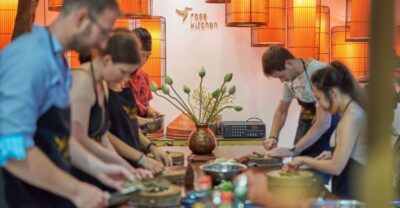
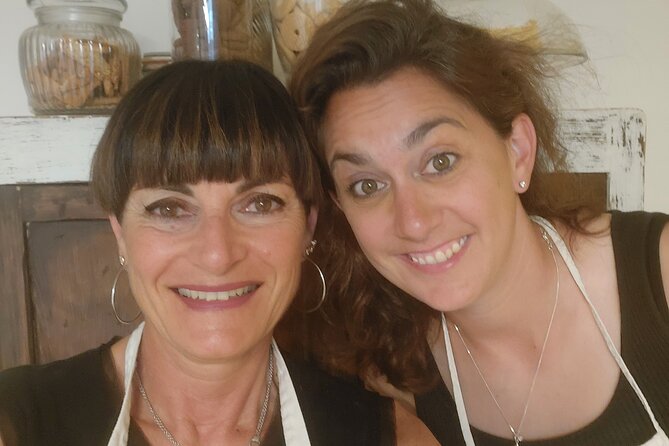
Catia’s vibe is part cooking lesson, part culture hangout. She’s an animal-and-nature lover who chose vegetarian for her own reasons, and she also paints and sings—so the day feels warm and personal, not like a scripted demo. You meet at Via Tre Ponti, 35136 Padova PD, and the experience runs in English with a maximum of 6 travelers, which is perfect when you want real hands-on guidance.
In This Review
- Key Things to Know Before You Go
- A Veneto Vegetarian Class That Feels Like a Home Meal
- Padua Start Time and the Meeting Point Reality
- Inside Catia’s Kitchen: Cicchetti, Ravioli, Bigoli
- Venetian cicchetti starter
- Handmade ravioli (where the real skill shows up)
- Venetian bigoli
- The sauce-and-ingredient approach
- The Tiramisù Moment: Classic Dessert, Made Properly
- Eating Lunch Where the Lesson Ends
- Price and Value: What You Really Get for $129.77
- Who Should Book This Vegetarian Cooking Class
- Practical Tips So You Get the Most Out of the Day
- Should You Book This Vegetarian Cooking Class in Padua?
- FAQ
- Where does the vegetarian cooking class start in Padua?
- What time does the class begin?
- How long is the experience?
- Is the class offered in English?
- How many people are in the group?
- What dishes are included in the menu?
- What should I do if I have food restrictions or allergies?
- Can I get a refund if I cancel?
Key Things to Know Before You Go
- Catia’s vegetarian choices connect food to animals and the environment
- Small group size (max 6) means more time with the dough
- Venetian cicchetti starter sets the tone for the meal
- You’ll make classic pasta shapes by hand, then learn to sauce them
- Tiramisù is made from scratch and you eat what you make
A Veneto Vegetarian Class That Feels Like a Home Meal
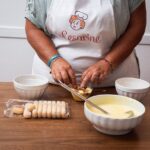
If you want Italian food that goes beyond ordering and sightseeing, this class is built for you. It’s not a big studio setup. It’s Catia’s home, her kitchen, and her way of sharing Veneto-style vegetarian cooking.
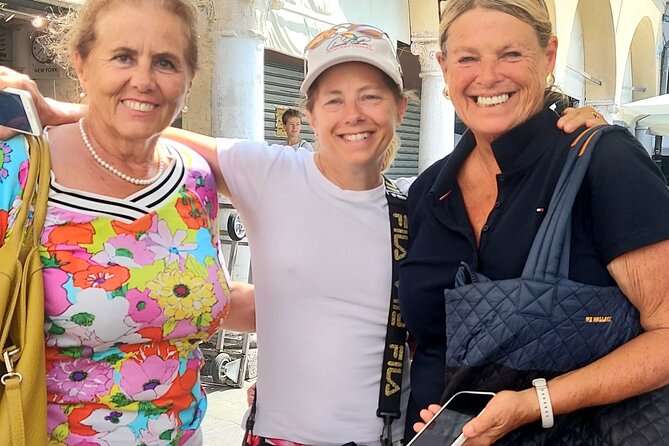
I like that it’s clearly vegetarian by design, not vegetarian as an add-on. Catia’s connection to animals and nature shows up in the choices she makes, from ingredient care to how she frames the food. That perspective matters because it turns cooking into a story, not just a recipe list.
You also get a very practical payoff: you’re not only tasting. You’re learning how to form pasta and how to build flavor with sauces. And when lunch comes, you eat at the table instead of in a hurry. That combination—hands-on technique plus a meal you actually sit down to—drives the value of the experience.
You can also read our reviews of more tours and experiences in Padua.
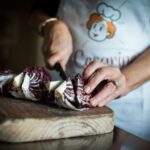
Padua Start Time and the Meeting Point Reality
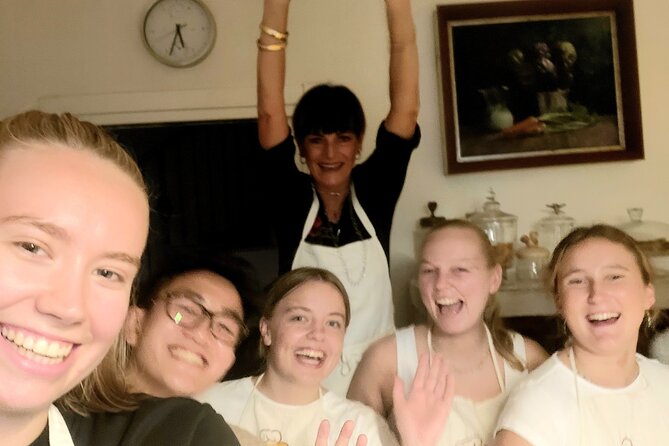
The class starts at 11:00 am in Padua at Via Tre Ponti, 35136 Padova PD, Italy. It ends back at the meeting point, so you don’t need to puzzle out your own logistics afterward.
It’s also described as near public transportation, which is a big deal in a city where buses and tram connections can make life easier. Still, because this is in a residential setting, give yourself a few extra minutes to find the exact spot and settle in before cooking starts.
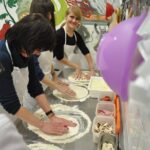
One timing note: the 4 hours (approx.) isn’t a quick taste-and-leave session. Even with guidance, you’ll be working with dough, chopping, and assembling dishes. Comfortable shoes make a difference here, especially since the cooking is hands-on and you’ll likely stay active for most of the lesson.
Inside Catia’s Kitchen: Cicchetti, Ravioli, Bigoli
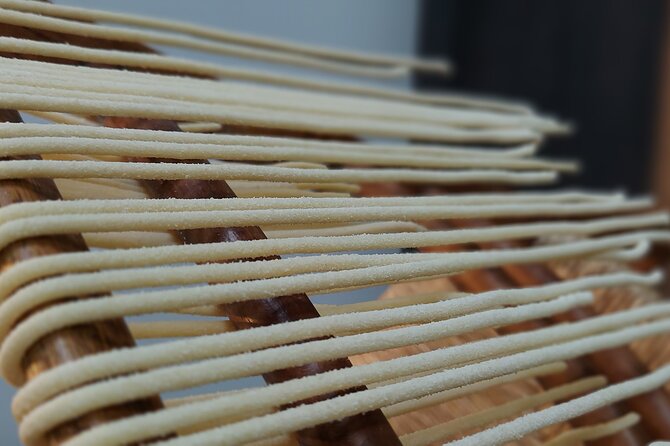
This is a vegetarian cooking class centered on Veneto favorites, and the day’s menu gives you a clear arc: starter → pasta mains → dessert.
Venetian cicchetti starter
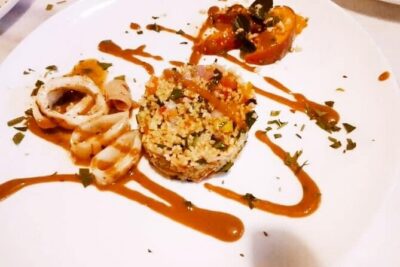
You’ll begin with Venetian cicchetti, which are small bites—think of them as the kind of food you might associate with Venetian aperitivo culture. In this class, it’s a starter designed to ease you into Italian rhythms: prep, assemble, taste, and adjust. It’s also a nice warm-up before the heavier pasta work.
Handmade ravioli (where the real skill shows up)
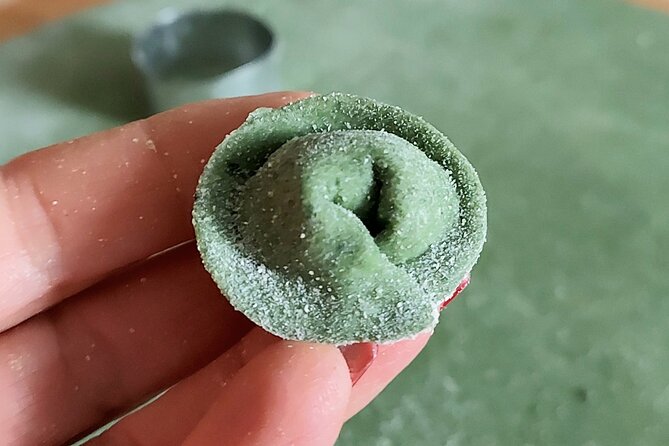
The menu highlights handmade ravioli, and that’s usually the point where a cooking class earns its keep. Learning pasta from scratch means understanding texture, thickness, and handling—things that don’t come through in a written recipe.
From the experience description and the emphasis on traditional technique, you can expect that the lesson focuses on proper methods and using the tools involved in pasta making, not shortcuts. If you’ve ever struggled with dough that tears or sauce that tastes flat, this is the kind of class that helps you correct the issue the next time you cook.
Venetian bigoli
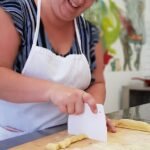
Next comes Venetian bigoli, another pasta choice that fits the Veneto vibe. Bigoli is different from the more familiar shapes, and learning it helps you leave with variety, not just one signature pasta.
Vegetarian cooking here isn’t about substituting randomly. The point is learning how vegetables, herbs, and sauce behavior work together. That’s why these pasta lessons are valuable for your future cooking at home: you’ll start thinking about sauce texture and ingredient balance in a more Italian way.
The sauce-and-ingredient approach
While the menu is defined, the teaching emphasis is broader than names on paper. You’ll work with sauces and see ingredient usage that’s typical to the region. A key detail from the experience: vegetables come from Catia’s garden, so you’re cooking with produce that’s treated as something worth appreciating, not just background flavor.
That matters. Garden-fresh ingredients tend to taste brighter, and that makes it easier to understand why Italian vegetarian cooking feels different. Instead of relying on heavy cheese or creamy substitutes, you learn to let vegetables carry the dish.
The Tiramisù Moment: Classic Dessert, Made Properly
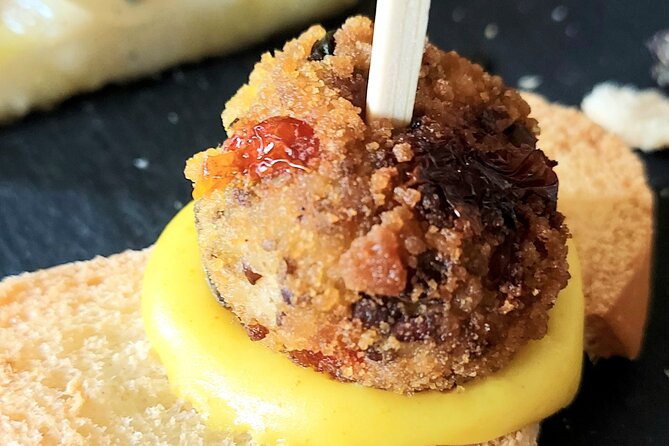
The dessert on the menu is tiramisù, and the emphasis is that it’s made from scratch. This is another place where “cooking class” can mean anything from assembly to real technique—here it’s presented as a hands-on lesson.
Tiramisù is deceptively simple. If you get the balance wrong, it can turn watery, too sweet, or oddly textured. A good class helps you learn pacing—when to mix, how to layer, and what consistency should look like as you go.
Even if you’ve made tiramisù before, there’s value in learning a method from someone who cooks it as part of their home routine. The joy is that dessert isn’t treated as a rushed finale. It’s part of the full cooking education, with the same hands-on attention as the pasta.
Also, because Catia’s style is personal and welcoming, this part of the day tends to feel relaxed rather than academic. You’re learning technique, but you’re also enjoying the process.
Eating Lunch Where the Lesson Ends
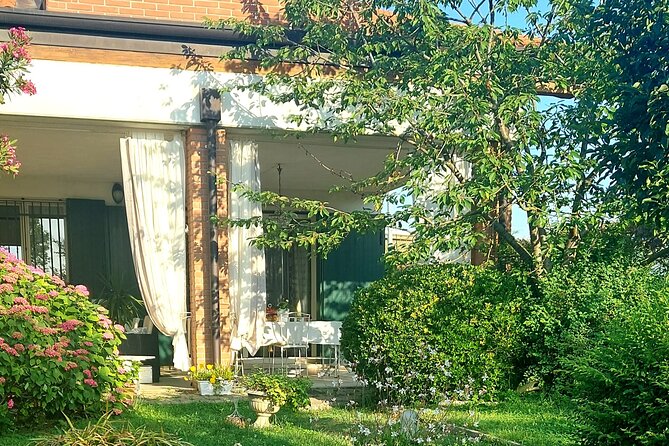
A key part of the experience is that you eat what you prepare. After you cook the cicchetti and pasta dishes, you sit down to enjoy the meal in Catia’s home setting.
The vibe is homey and real: you’re not rushed out, and you’re not eating in a separate “waiting room.” One review highlights that there’s an outdoor dining area, which is exactly the kind of detail that makes a meal feel like a small vacation even though you’re not leaving the neighborhood.
There’s also mention of local wine being part of the experience. That matters for value because it turns lunch into a fuller “Italian table” moment, not just tasting what you cooked.
And you’ll leave with more than full stomach energy. Cooking classes like this often end up as the best kind of souvenir: a sense of how to make the dishes again, and not just the memory of eating them once.
Price and Value: What You Really Get for $129.77
At $129.77 per person, this isn’t a cheap afternoon. But the price makes sense when you look at what’s included and how it’s delivered.
You’re paying for:
- A hands-on, small-group lesson (max 6)
- Ingredient prep and teaching through multiple dishes (cicchetti, handmade ravioli, bigoli, tiramisù)
- The value of cooking in someone’s home, not a generic classroom
- A full meal at the end, so the food isn’t just a sample
If you compare this to paying for a pasta class plus separate lunch, the math often works out better here because you get the complete meal in the same ticket. And because Catia uses garden vegetables, the ingredient story is part of the cost too.
One more point: this is English-friendly. For many food classes in Italy, language can turn a great class into frustration. Here, the experience is offered in English, which makes the technique transfer more real.
If you want the cheapest option, cookbooks and YouTube don’t cost much. But if you want real technique feedback and a home-cooked meal in Padua, this class is priced in the right range for that kind of day.
Who Should Book This Vegetarian Cooking Class
This class is a strong match if you like food in an active way. Here’s who tends to benefit most:
- You want to learn pasta from scratch and get comfortable with the basics of dough and shaping.
- You’re interested in Veneto vegetarian cooking that relies on technique and ingredient flavor, not just meatless swaps.
- You want a small group with more direct instruction.
- You care about the story behind food, not only the taste—Catia’s love of animals and nature adds meaning to the lesson.
- You like the idea of a warm, personal host who also paints and sings. That kind of energy makes cooking feel easier.
It may be less ideal if you want a fully relaxed, sit-only experience. Between cooking and preparation, you’ll be busy for the full 4 hours.
Practical Tips So You Get the Most Out of the Day
A cooking class is only as good as how ready you are. Here are a few small things that help a lot:
- Bring your appetite. You’ll make several dishes and then eat them.
- Wear comfortable shoes since the day is hands-on and you’ll likely be on your feet.
- If you have allergies or diet needs, communicate them ahead of time. The experience asks guests to share restrictions (allergy, special diet, etc.), which is smart for both safety and recipe adjustments.
- If you like to preview the vibe, you can search for Catia’s cooking presence online using her Instagram handle mentioned in the description: la_cesarina_catia_padova.
Should You Book This Vegetarian Cooking Class in Padua?
Yes, if your goal is a real Italian food day with teaching you can use later. I think you should book if you want hands-on pasta skills, a vegetarian menu that feels intentional, and a meal you eat in a local home setting.
Skip it only if you’re looking for a brief stop, a purely observational experience, or a big, formal food show. This is about working with your hands, learning the how, and ending with a table you actually get to enjoy.
If you’re in Padua and you want something that feels like Veneto—not just something you can do anywhere—this is the kind of class that turns your trip into a food memory you can repeat.
FAQ
Where does the vegetarian cooking class start in Padua?
It starts at Via Tre Ponti, 35136 Padova PD, Italy, and it ends back at the same meeting point.
What time does the class begin?
The start time is 11:00 am.
How long is the experience?
It lasts about 4 hours.
Is the class offered in English?
Yes, the experience is offered in English.
How many people are in the group?
The experience has a maximum of 6 travelers.
What dishes are included in the menu?
The sample menu includes Venetian cicchetti, handmade ravioli, Venetian bigoli, and tiramisù.
What should I do if I have food restrictions or allergies?
You need to communicate any food restrictions (allergy or special diet) in advance.
Can I get a refund if I cancel?
Yes. You can cancel for free up to 24 hours in advance for a full refund.