REVIEW · MUMBAI
Private Market Tour and Vegetarian Cooking Class in Mumbai
Book on Viator →Operated by Traveling Spoon · Bookable on Viator
A great meal starts with shopping and small choices. This private cooking class in Mumbai pairs a short local grocery visit in Matunga with a home-kitchen session run by Shilpa. You’ll learn the basics for Punjabi vegetarian dishes step by step, then sit down to eat what you make.
I especially love how practical the lesson is: you’ll handle roti/paratha techniques the traditional way, not just watch. I also like that the menu is flexible—Shilpa’s vegetarian cooking can be adapted to a complete vegan meal on request, so you’re not forced into a compromise. One thing to consider: this is a covered grocery store stop (not an open-air market), so if you’re craving street-market chaos and wandering stalls, you may want to pair this with another activity.
In This Review
- Key Things To Know Before You Go
- Matunga at Home: What Makes This Cooking Class Feel Local
- Meeting Point and Timing: How the 3 Hours Usually Flow
- The Covered Grocery Store Stop: A Smart Way to Learn Spices
- Punjabi Cooking in a Real Home Kitchen
- Roti or Paratha: The Technique That Changes Everything
- Paneer Makhni and Dal: How Punjabi Comfort Food Builds Layers
- Paneer Makhni
- Dal
- How You’ll Eat What You Make
- Vegan Options Without Losing the Punjabi Focus
- Who This Tour Suits Best (And Who Might Want Something Else)
- Value for $64: What You’re Really Paying For
- Practical Tips So Your Day Goes Smooth
- Should You Book This Private Cooking Class?
- FAQ
- How long is the private market tour and cooking class?
- Is this a private tour or a group class with other people?
- What dishes will I learn to cook?
- Can the menu be made vegan?
- What kind of market is included in the tour?
- Is beer included?
- Do I choose lunch or dinner?
- Where does the experience start and end?
- Is there flexibility for the start time?
- What is the cancellation policy?
Key Things To Know Before You Go
- A covered grocery store in Matunga (about 30 minutes) instead of a typical open market
- Hands-on Punjabi cooking for up to three dishes, including roti or paratha
- Paneer makhni and dal are part of the core meal you’ll eat during lunch or dinner
- Vegan-friendly by request while keeping the class strictly vegetarian at the source
- Complimentary beer plus your choice of lunch or dinner
- Flexible timing if you message Shilpa in advance via WhatsApp
Matunga at Home: What Makes This Cooking Class Feel Local
This experience is built around a simple idea: in India, food starts with ingredients you can actually find nearby. Instead of making you rely on a supermarket shopping list, you’ll do a short local grocery stop and learn what people commonly buy for everyday meals. Then the cooking happens in Shilpa’s home, where the pace feels more like a family lesson than a demo.
The neighborhood matters too. You’ll start around Matunga East (in the Five Gardens area) at Indu Villa, then move through the area at a comfortable rhythm. That makes it easier to focus on the food—not on chasing far-flung sights.
Because it’s private, you’ll also get closer attention. Even if you’re an absolute beginner with Indian cooking, this format is friendly: the instructor can slow down if you need clarification, and you can ask questions while you work.
You can also read our reviews of more tours and experiences in Mumbai.
Meeting Point and Timing: How the 3 Hours Usually Flow
The plan runs about 3 hours total. It starts and ends back at the meeting point near Lady Jehangir Road in Matunga East, so you’re not stuck with complicated end-of-tour logistics.
You’ll meet Shilpa at her home (Indu Villa, Plot no Five Garden, 602-C, Lady Jehangir Rd, Matunga East, Mumbai 400019). From there, the day breaks into two clear parts:
1) a covered grocery-store tour for ingredients and labels you can find later
2) a cooking session where you’ll make up to three Punjabi dishes
A nice detail: Shilpa is flexible with the start time if you coordinate in advance by WhatsApp. That’s helpful in Mumbai, where the day can shift quickly depending on your other plans.
The Covered Grocery Store Stop: A Smart Way to Learn Spices
This is not the dramatic, open-air bazaar experience. The market stop is a covered grocery store where Mumbai locals shop daily. The benefit is that it’s easier to understand the real supply chain of ingredients: you’ll see the produce, spices, grains, and pantry staples that are normal for this neighborhood.
Your grocery tour lasts about 30 minutes, which is short enough to keep the tour from eating all your cooking time. But it’s long enough for Shilpa to introduce what matters: what to look for, which spices get used for what, and how ingredients connect to the flavors you’ll taste later.
You may also buy a few ingredients during the stop. If you’re planning to cook at home, this part is where you can think practically:
- Pick up the spices you’ll actually use again (the class focuses on Punjabi-style cooking)
- Choose ingredients that won’t be a one-time novelty
- Ask questions while you’re still standing in front of the shelves
One note: the menu is seasonal and subject to availability. If there’s a specific dish you want to learn, reach out to Shilpa in advance so she can plan accordingly.
Punjabi Cooking in a Real Home Kitchen
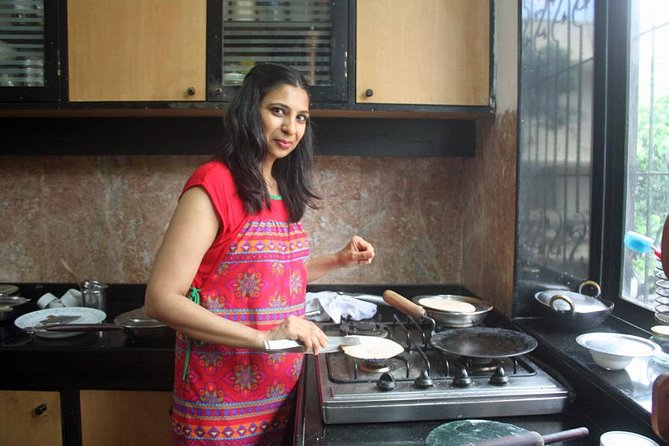
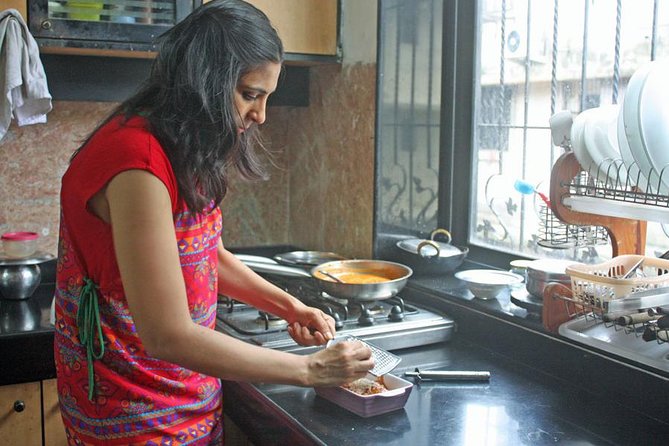
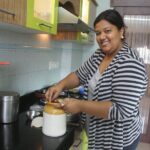
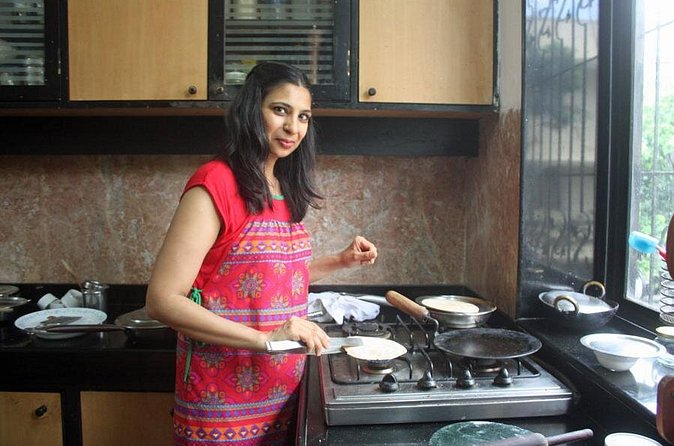
After the grocery stop, you head back to Shilpa’s home for the cooking class portion. This is where the lesson becomes more than “recipes.” You’ll learn the steps in a way that connects technique to results.
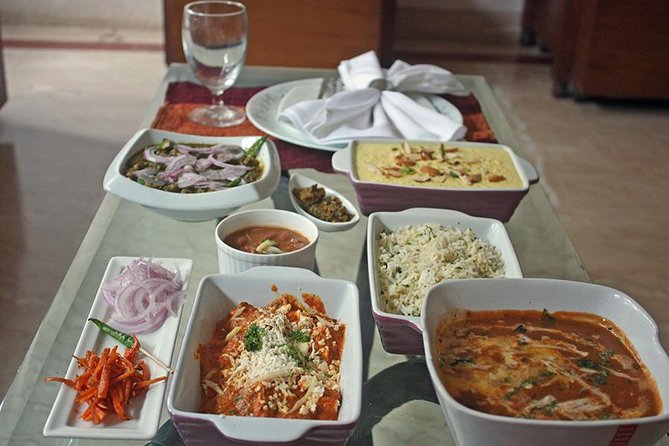
You’ll be making up to three Punjabi dishes, and the core menu is described clearly:
- Roti or paratha (flatbread) using a traditional approach
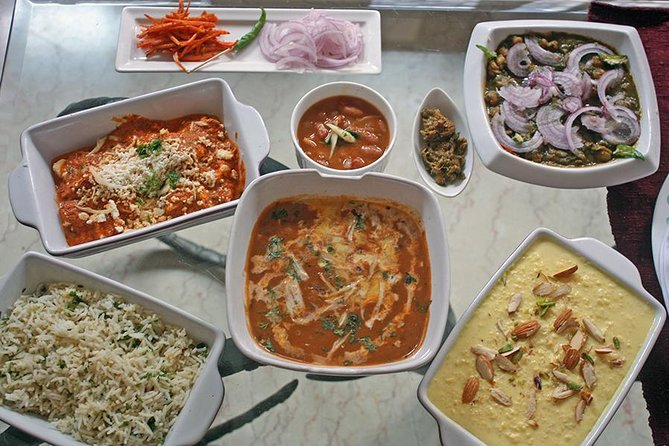
- Paneer makhni (fresh cheese in tomato gravy)
- Dal (lentils), served with rice or Indian breads
The pace is hands-on. You’ll work through the processes, not just observe. That matters because Indian cooking often depends on timing, heat control, and texture. When you handle the dough and the simmering sauces yourself, you’ll understand what “right” feels like.
A couple practical points to keep in mind:
- Flatbreads depend on dough consistency and heat. If your first one is imperfect, that’s normal. This kind of class is meant to teach you how to recover fast.
- Gravy-based dishes are forgiving in flavor but less forgiving in timing. Getting a feel for simmer duration helps you recreate the dish later.
In the reviews, people praised Shilpa’s explanation and her willingness to slow down or repeat steps when needed—especially when someone felt a technique moved too quickly at first. If you’re a slow-cook learner, tell her up front. She’s flexible and wants you to succeed.
Roti or Paratha: The Technique That Changes Everything
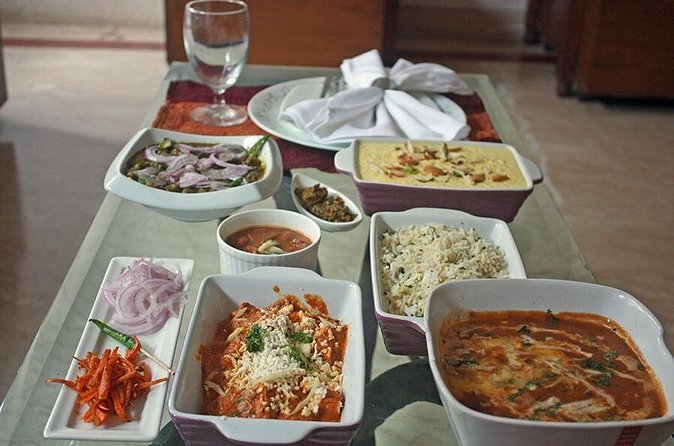
In many cooking classes, roti is treated like a side dish. Here, it’s central. You’ll learn roti or paratha—flatbread made using the traditional way. That means you’re not only learning a recipe, you’re learning the logic behind it.
Why this matters for cooking at home: Indian restaurants can mimic flavor, but they can’t fix your technique. If you can make good flatbread, the rest of the meal feels more authentic, and your home cooking stops tasting like a takeout reheating session.
What you’ll focus on is basic but crucial:
- Preparing the dough properly
- Rolling or shaping with the right feel
- Timing and heat so the bread cooks evenly and doesn’t dry out
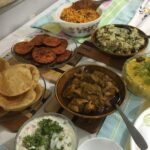
You’ll also see how bread fits into the wider meal. In Punjabi vegetarian setups, breads are not just for eating. They’re part of how you scoop, balance spice, and create a satisfying bite with gravy or lentils.
Paneer Makhni and Dal: How Punjabi Comfort Food Builds Layers
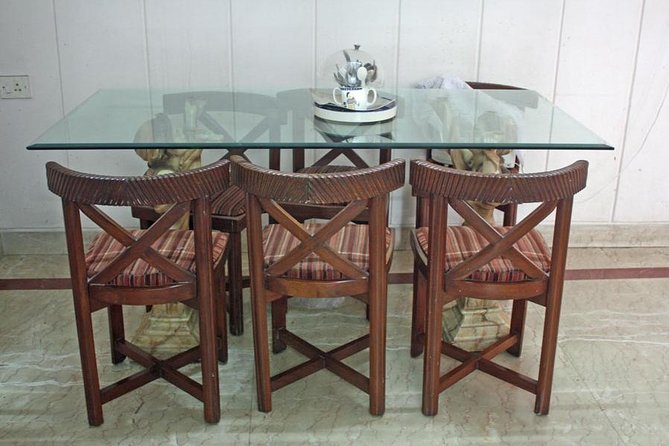
Once the flatbreads are in motion, the class shifts to Punjabi-style comfort cooking: tomato gravy, fresh cheese, and lentils.
Paneer Makhni
You’ll learn paneer makhni, described as fresh cheese in tomato gravy. This is one of those dishes where texture and timing matter. The tomato base needs to taste cooked, not sharp. The paneer needs enough contact with sauce to absorb flavor without turning rubbery.
If you’ve never cooked with paneer, you’ll appreciate the focus on how to work it into the sauce. Even without advanced culinary tools, this class is designed to show you the steps in a way that stays workable later.
Dal
Next comes dal, made from lentils. In this meal, dal is paired with rice or Indian breads. That pairing is important: dal often acts like the meal’s backbone, bringing warmth and depth that balances richer dishes like paneer makhni.
The lesson helps you understand why dal tastes different from a plain lentil soup. In Punjabi homes, dal is about seasoning balance and consistency. The goal is a spoonable texture that soaks into bread or pairs well with rice.
How You’ll Eat What You Make
You’re not cooking in a vacuum. The lesson is followed by a sit-down meal, where you eat the dishes you prepared along with rice or breads. This is a big value piece: you’ll taste what your technique produced and connect that outcome to the steps you just did.
And yes, there’s a complimentary glass of beer included, plus your choice of lunch or dinner. It’s a simple perk, but it also makes the meal feel celebratory without turning the experience into a bar crawl.
Vegan Options Without Losing the Punjabi Focus
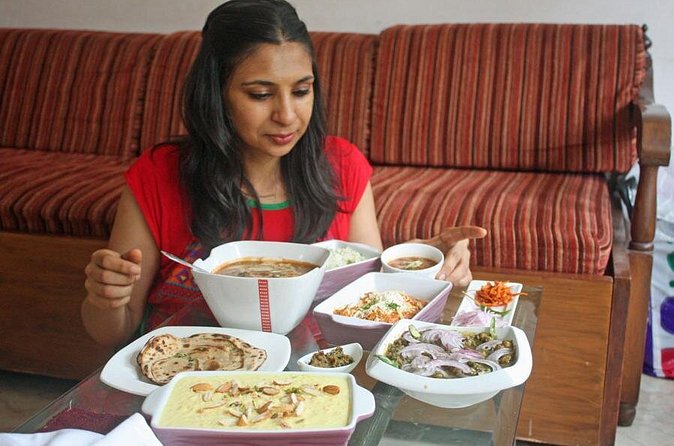
Shilpa offers only vegetarian food, and she can also do a complete vegan meal on request. That’s a meaningful difference. Many vegetarian-focused classes offer an incomplete substitute rather than reworking the menu to stay coherent.
If you’re vegan, message Shilpa ahead of time about your needs and allergies so she can adapt properly. The class is described as accommodating vegan requests, but the seasonality and ingredient availability can affect what’s possible.
This is also why it’s worth reaching out with any specific dishes you want to learn. Vegan adaptations can change ingredient choices and even texture—so the earlier you communicate, the smoother the experience will be.
Who This Tour Suits Best (And Who Might Want Something Else)
This is an excellent fit if you want:
- a vegetarian Punjabi cooking class in Mumbai with real ingredient guidance
- a home-kitchen experience in Matunga rather than a large studio setup
- a class that teaches technique you can repeat at home, especially for roti/paratha
- a meal that works for vegans (with request) without feeling like an afterthought
It’s less ideal if your dream day is wandering through an open-air bazaar with street theater. The grocery stop is covered and practical. You’ll learn a lot, but you won’t get the same outdoor spectacle.
Value for $64: What You’re Really Paying For
At $64 per person for roughly 3 hours, this isn’t a “quick cookbook taste test.” You’re paying for three things that cost time and expertise:
1) a private, instructor-led market visit (about 30 minutes)
2) hands-on instruction for up to three dishes
3) a sit-down meal plus a complimentary beer
The ingredient guidance is the hidden value. If you’ve ever tried to cook Indian food at home and failed because you didn’t know which spices to buy or what to look for, you’ll recognize why a grocery stop matters.
Also, the tour includes mobile tickets and group discounts. If you’re traveling with friends or family, splitting the logistics can be a smart way to get even more value. And since it’s private, you’re not squeezed into a mass group pace.
Practical Tips So Your Day Goes Smooth
Here are a few ways to make this kind of cooking day easier, especially in Mumbai:
- Bring a short list for Shilpa: any allergies, dietary restrictions, and what you want to focus on.
- If you’re vegan, request it early so the menu can be adapted. Shilpa can do a full vegan meal, but planning helps.
- Expect a covered grocery store. If you want outdoor market photos, plan that separately.
- Wear something comfortable for rolling dough and standing during cooking steps. Home kitchens are real workspaces.
- If you feel the pace is too fast, say so. The experience includes a willingness to instruct again, and you’ll learn more if you ask immediately rather than waiting.
Should You Book This Private Cooking Class?
Yes—if you want a hands-on Punjabi vegetarian cooking experience in Mumbai that teaches technique and ties it to real ingredients. The roti/paratha focus, plus the core dishes like paneer makhni and dal, make it a strong “cook again at home” choice.
I’d pass or add something else if you mainly want an open-air market adventure. This experience is more practical than theatrical: a covered store, a home lesson, then a sit-down meal.
FAQ
How long is the private market tour and cooking class?
It’s approximately 3 hours total, including a market visit that lasts about 30 minutes.
Is this a private tour or a group class with other people?
It’s a private tour/activity, and only your group will participate.
What dishes will I learn to cook?
You’ll learn to make roti or paratha (flatbread), and you’ll also learn paneer makhni and dal. The class includes a meal with rice or Indian breads.
Can the menu be made vegan?
Yes. Shilpa offers vegetarian food, and she can do a complete vegan meal on request.
What kind of market is included in the tour?
The market stop is a covered grocery store where locals shop for produce and pantry items daily, not a traditional open-air market.
Is beer included?
A complimentary glass of beer is included.
Do I choose lunch or dinner?
Yes. You’ll be offered your choice of lunch or dinner.
Where does the experience start and end?
It starts at Indu Villa, Plot no Five Garden, 602-C, Lady Jehangir Rd, Matunga East, Mumbai, Maharashtra 400019, India, and ends back at the meeting point.
Is there flexibility for the start time?
Shilpa is flexible with her start time if you inform her in advance via WhatsApp.
What is the cancellation policy?
You can cancel for free up to 24 hours in advance for a full refund.