REVIEW · SAMARKAND
Plov Cooking Class at Local Uzbek House
Book on Viator →Operated by Travel with Ali · Bookable on Viator
Plov gets personal when you cook it. In Samarkand, this class starts at Siyob Bazaar, where Ali helps you pick ingredients that actually shape the flavor of the dish. Then you head to a real Uzbek home to learn the steps behind the iconic plov.
I especially love the way the meal begins at the market level. Siyob Bazaar is lively, and the ingredient selection feels practical, not touristy. The shopping part also sets you up to cook with purpose, because you know what each ingredient is doing.
One thing to consider: this is a hands-on cooking class with a fixed morning-style window (about 4–5 hours total). If you’re hoping for a slow, sit-down, sightseeing-only afternoon, plan your expectations accordingly.
In This Review
- Key things I’d bet on
- From Siyob Bazaar to plov perfection: the flow of your morning
- Why Siyob Bazaar ingredient picking changes the whole class
- Learning plov in a qozon: the skill behind the comfort food
- The dastarkhan meal: what you eat is part of what you learn
- How long is it, and how does timing affect your day?
- Value and price: is $65 per person worth it?
- Who this fits best (and who should skip it)
- Small practical tips to make the class easier
- Should you book this plov cooking class in Samarkand?
- FAQ
- How long does the plov cooking class last?
- Where does the experience start in Samarkand?
- Does the class include transportation?
- What’s included in the meal?
- Is an English-speaking guide provided?
- Is this experience private?
- What is the price per person?
- Are alcoholic beverages included?
- What are the operating hours for booking?
Key things I’d bet on
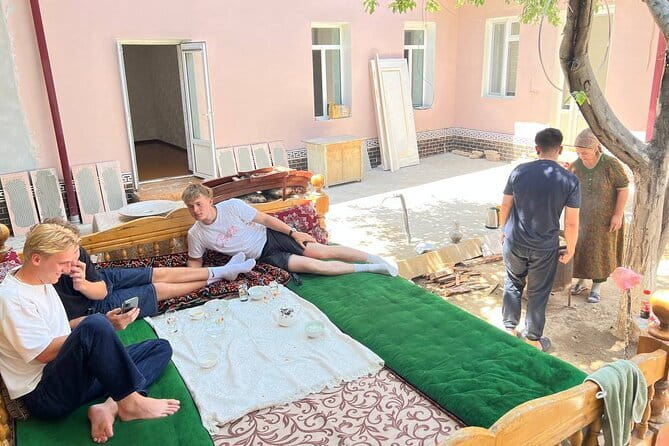
- Market shopping with Ali at Siyob Bazaar so you understand the ingredients, not just the final plate
- Hands-on cooking in a traditional qozon (cauldron) with step-by-step guidance
- A real dastarkhan meal with tea, bread, and fresh salads after you cook
- Private transportation with hotel pick-up and drop-off for an easy start and finish
- Only your group participates, keeping the experience personal and relaxed
From Siyob Bazaar to plov perfection: the flow of your morning
This experience runs in the morning hours, with activity set between 9:00 AM and 1:30 PM. That timing matters because it keeps the day from feeling fragmented: you’re basically “on the plov track” from the moment pickup happens. You’ll also avoid the midday rush that can make market visits feel like a sprint.
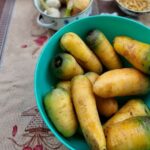
You’ll start with hotel pick-up, then head to Siyob Bazaar. The market visit is more than a photo stop. You’re choosing ingredients that go straight into your cooking lesson, so you’ll pay attention to what looks fresh and what you recognize for later in the kitchen. In particular, you’ll get that sense of how locals shop day to day, not just what a guide thinks looks good.
Next comes the move from public market life into a home kitchen. In one account from the host, Ali’s brother drove the group to their home, which was about 10 minutes from the city centre. That short ride is a big part of the comfort factor here. You’re not doing a long transfer that eats into your class time—you’re getting to cook while everything still feels focused.
You can also read our reviews of more tours and experiences in Samarkand.
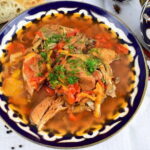
Why Siyob Bazaar ingredient picking changes the whole class
Most cooking classes skip the market portion or turn it into a quick walk-through. Here, the bazaar step is central. Ali shows you around and helps you pick ingredients for plov, so you learn by doing, not just by watching.
What’s valuable for you is the cause-and-effect. When you later handle the ingredients in the kitchen—chopping, stirring, and cooking—you’ll remember the choices you made. Even if you don’t memorize every Uzbek term, you’ll build a mental map of the dish: what’s used for sweetness, what adds richness, and what brings that signature savory balance.
A market visit like Siyob Bazaar also gives you a feel for everyday Samarkand. You’ll see how people move through the stalls, how they talk to vendors, and what they consider fresh enough for a family meal. That context makes the home cooking feel less like a “show” and more like you’ve been invited into real life for a few hours.
One practical note: markets can be crowded. Wear comfortable shoes and keep your phone ready, but don’t expect a quiet, museum-style atmosphere. You’re there to shop and learn.
Learning plov in a qozon: the skill behind the comfort food
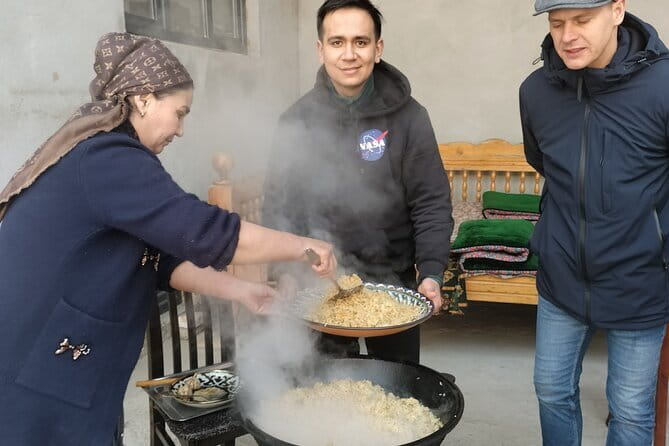
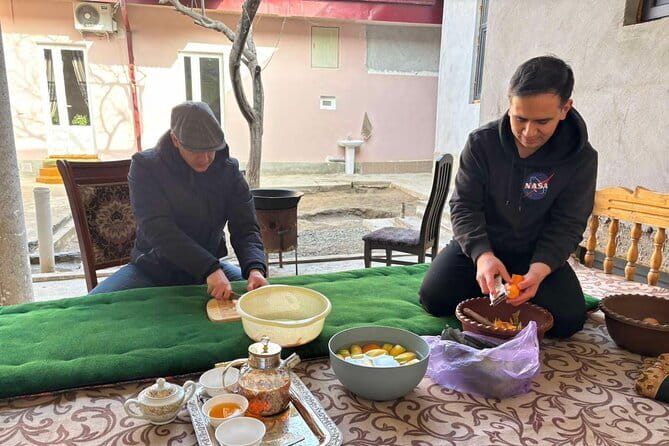
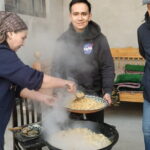
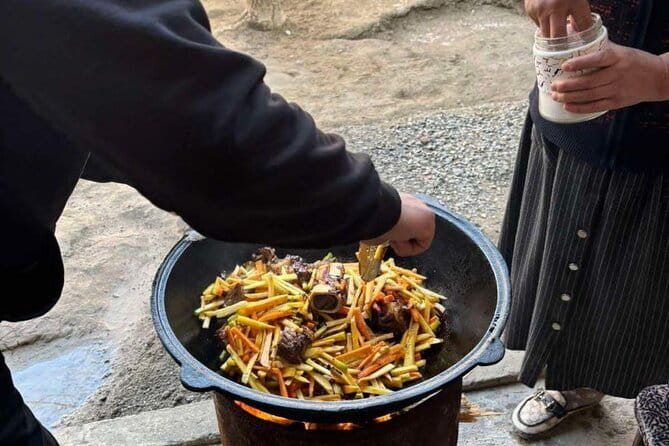
The main event happens in an Uzbek home kitchen, using a traditional qozon, which is a cauldron-style setup made for this kind of cooking. That matters because plov isn’t just a recipe you read—it’s a technique you practice. The qozon approach helps with the way heat moves and how the dish cooks together.
You’ll get step-by-step guidance from the English-speaking guide and local chef support. Expect active instruction, not a lecture. You’ll be chopping, stirring, and helping cook along the way. Even if you’re an experienced cook, I like how this format forces you to slow down and understand the steps instead of rushing to plate.
The “from scratch” part is also key for value. You’re not just assembling a pre-made component. You’re learning the process that gives plov its character. And once you’ve watched (and done) the stages, you can recreate the dish later at home with much more confidence.
A small expectation reset that helps: you may get flourished instruction, adjustments, and reminders as the cooking progresses. That’s normal. Cooking plov correctly is time- and heat-sensitive, so build in a mindset of learning as you go.
The dastarkhan meal: what you eat is part of what you learn

After cooking, you’ll sit down at a dastarkhan to enjoy your homemade plov. This is one of the most satisfying parts because it closes the loop. You don’t just make food—you taste the result of your work in the same social setting where you learned it.
The meal includes tea, bread, and fresh salads, plus the plov you made. In other words, you’re getting the full table feel: warm, filling comfort food balanced with crisp sides. It’s also a chance to ask questions in real time. Food conversations are easier when everyone is already connected to the same pot.
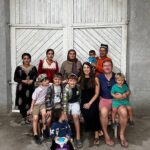
From the accounts shared by people who joined, the hospitality element is real. Ali and his family welcome you in, and the conversations are part of the day’s rhythm. That makes the experience feel less like a workshop you attend and more like a meal you’re honored to share.
If you’re curious about Uzbek daily life, this is where it shows. You’ll see how the kitchen and dining table connect culture with food, and how a homemade meal can be both an event and an everyday act of care.
How long is it, and how does timing affect your day?
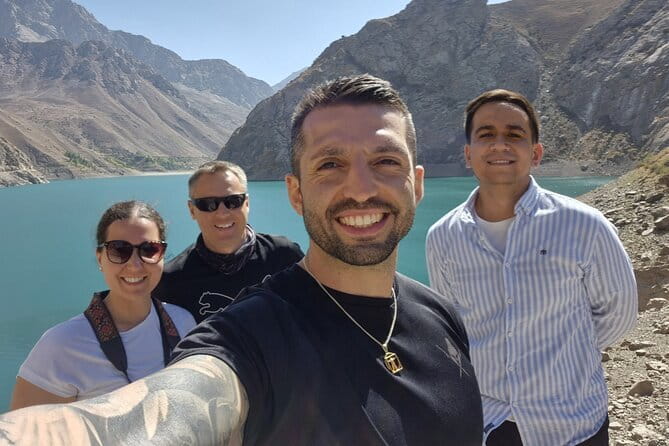
The experience runs about 4–5 hours. That includes the pick-up and drop-off, the bazaar ingredient shopping, the cooking lesson, and the sit-down meal.
This length is practical for two reasons:
- It’s long enough to actually learn and cook, not just sample.
- It’s short enough that you can still plan an evening in Samarkand without feeling rushed.
Your best day planning move is to schedule it earlier in your trip. Getting your food knowledge early makes later meals more interesting. You’ll start noticing how ingredients behave, what styles of plov you like, and what you want to try again when you’re eating out on your own.
Value and price: is $65 per person worth it?
At $65 per person, this is not a bargain-bin activity. But the value is more than just “a cooking class.”
Here’s where your money goes:
- Hotel pick-up and drop-off via private transportation
- All groceries and cooking ingredients
- A guided step-by-step cooking lesson using a traditional cooking setup
- A full meal: plov plus tea, bread, and salads
- An English-speaking guide and local chef guidance
When you compare that to the cost of buying ingredients yourself, paying for transport, and then trying to figure out technique alone, the price becomes easier to justify. You’re paying for guidance and access: getting into a home setting, cooking in a traditional way, and sitting down with people who do this as part of their routine.
There’s also a “soft value” factor. You’re leaving with a story, not just a recipe. That matters when you travel—food memories tend to stick longer than facts.
One detail to keep in mind: alcoholic beverages are not included. If you drink alcohol, factor that into your day budget.
Who this fits best (and who should skip it)
This plov cooking class fits travelers who want hands-on cultural food. I’d put it at the top of the list if you:
- like learning through doing (chopping, stirring, timing)
- enjoy local markets and ingredient stories
- want a home-cooked meal in Samarkand, not just a restaurant stop
- travel as a couple or a small group and want a more personal experience since it’s private
It may be less ideal if you:
- hate cooking or prefer purely observational activities
- need a flexible schedule with lots of slack time
- are looking for a long afternoon of sightseeing instead of a focused food experience
Small practical tips to make the class easier

A few things will help your day run smoothly:
- Wear comfortable shoes for the market segment.
- Expect a hands-on pace, so don’t plan heavy extras right after pickup.
- Bring a normal appetite. The meal is part of what you’re paying for, and it’s filling.
- If you want to cook again later, take mental notes during the steps. You’ll remember more than you think once you’ve tasted the outcome.
Should you book this plov cooking class in Samarkand?
Yes, if you want an authentic food experience with real local hospitality. The combination of Siyob Bazaar shopping, cooking in a traditional qozon, and eating at a dastarkhan makes this more than a recipe lesson. It’s a Samarkand morning that teaches you how plov fits into everyday life.
Book it especially if you value guidance. You’re not left to guess your way through heat, timing, and technique. And with private transport plus hotel pick-up and drop-off, you spend less energy on logistics and more on the meal.
If you want a quiet, museum-style day, this won’t match that mood. But if you’re game to roll up your sleeves and eat what you make, this is a strong choice.
FAQ
How long does the plov cooking class last?
The experience lasts about 4–5 hours, including pick-up, the bazaar visit, cooking, and the meal.
Where does the experience start in Samarkand?
It begins with hotel pick-up, followed by a visit to Siyob Bazaar to choose fresh ingredients.
Does the class include transportation?
Yes. Private transportation is included, with hotel pick-up and drop-off.
What’s included in the meal?
Your meal includes plov plus tea, bread, and salads.
Is an English-speaking guide provided?
Yes. The experience includes an English-speaking guide.
Is this experience private?
Yes. It’s private, meaning only your group participates.
What is the price per person?
The price is $65.00 per person.
Are alcoholic beverages included?
No. Alcoholic beverages are not included.
What are the operating hours for booking?
The listed opening hours are Monday through Sunday from 9:00 AM to 1:30 PM.