REVIEW · SAMARKAND
Samarkand: Uzbek Cooking Class in a Village Home
Book on GetYourGuide →Operated by UniqueUzTravel · Bookable on GetYourGuide
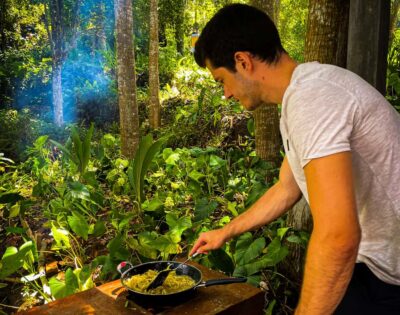
Cooking plov in a village yard beats city classes. I love how Bekjon and his family run the whole day like a real household activity, from the ride out of Samarkand to the wood-fired cooking in a qozon.
You’ll also make your own mantu from thin dough and steamed dumplings, then cool off with green tea while you watch village life (animals, garden, grapevines). One catch: the day involves meat, so strict vegetarian or vegan diets may not feel like a perfect fit.
In This Review
- Key Highlights You Should Know
- From Samarkand to Countryside Cooking in One Hour
- Meeting Bekjon’s Family: What the Welcome Really Means
- Plov Over a Wood-Fired Qozon: Technique You Can Actually Use
- Mantu Workshop: Rolling Dumplings and Learning the Steam Logic
- The Village Tour: Garden, Animals, and Quiet Moments
- What a Typical Day Feels Like, Step by Step
- English Guidance That Doesn’t Make It Feel Like Class
- Price and Value: Why $52 Works Here
- Who Should Book This (and Who Should Skip It)
- Tips to Have a Smooth, Enjoyable Day
- Should You Book the Samarkand Plov and Mantu Class?
- FAQ
- How far is the village from Samarkand?
- What dishes will I learn to cook?
- Is pickup included, and where can it be from?
- How long is the experience?
- What should I bring?
- Is it okay for vegetarians or vegans?
Key Highlights You Should Know
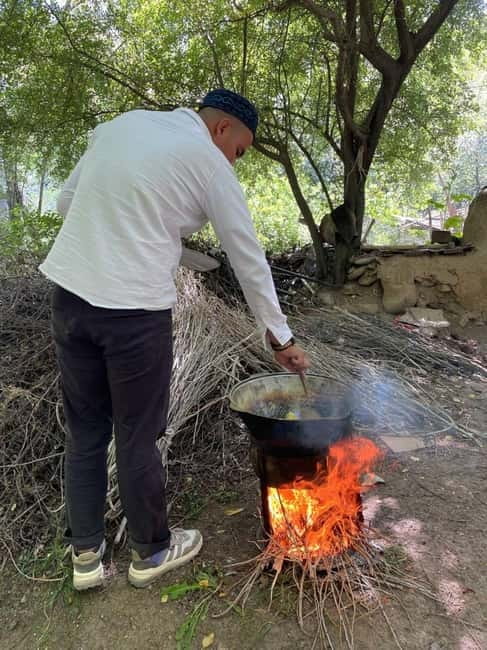
- Wood-fired plov in a qozon: the kind of cooking that changes how rice turns out.
- Handmade mantu: you’ll shape dumplings, not just watch.
- A village tour inside a working home: garden time plus animals like cows, sheep, chickens, and even donkeys.
- Tea under a grapevine: a real break, not a scripted photo stop.
- English help that feels personal: Bekjon communicates well and asks what you want to avoid.
- Extra cultural stops sometimes happen: some days include things like a local market, paper-making, or stories tied to Amir Temur.
From Samarkand to Countryside Cooking in One Hour
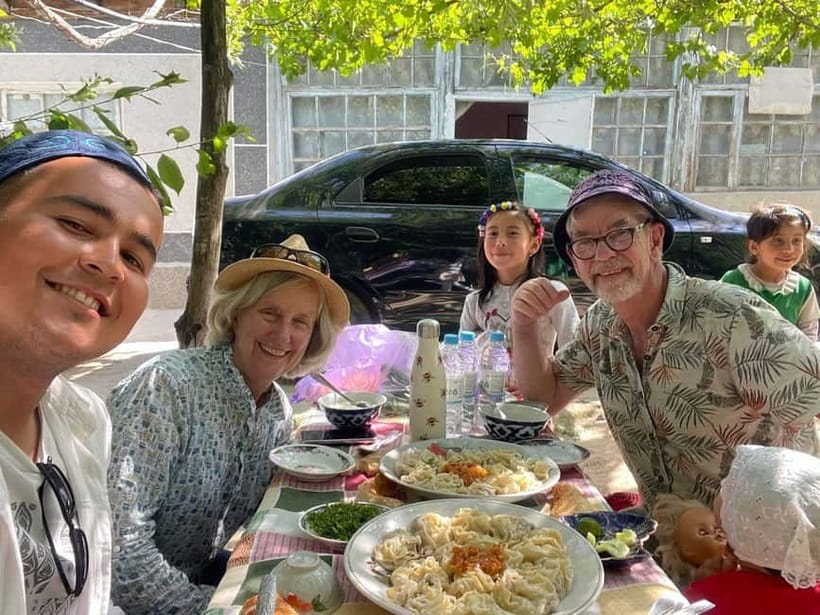
This experience starts with a short escape from Samarkand, about one hour each way. You’re not just changing scenery—you’re changing pace. In the city, you’re an observer. In the village, you’re part of the rhythm of a household.
The day runs about 5.5 hours total, which is a nice length: long enough to learn real technique, short enough that you don’t feel trapped in a full-day tour machine. Pickup is included, and you can arrange it by giving your hotel, train station, or airport details.
One practical note: you’re leaving the comfort of indoor kitchens. You’ll be outdoors for the main plov cooking, and the village home will have its own natural rhythms (light, heat, space). Bring comfortable clothes you don’t mind getting a little cooking smell on.
You can also read our reviews of more tours and experiences in Samarkand.
Meeting Bekjon’s Family: What the Welcome Really Means
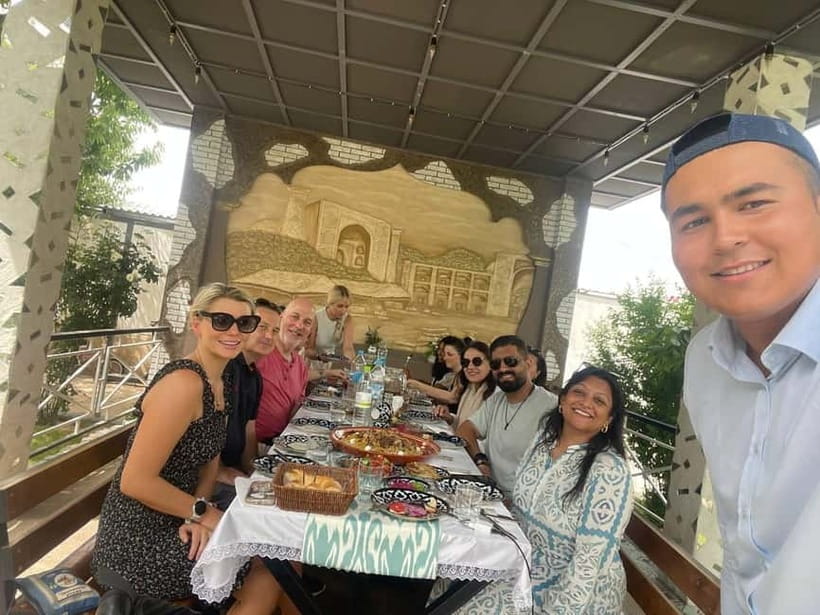
The best part here isn’t the recipe list. It’s the way the family treats you like a temporary member of the home.
Bekjon is the English-speaking guide, and multiple experiences with him mention quick communication before pickup and clear expectations about what you want from the day. That matters, because cooking classes can feel awkward if the host doesn’t know your pace or preferences. Here, you should feel guided from the first hello.
When you arrive, you’ll be welcomed into a clay-brick village home among fruit trees and vegetable patches. You’ll likely meet the household’s rhythm right away—where the ingredients come from, what’s growing, and how village life works day to day. Several accounts also mention an extra cultural layer during the day, like learning about local traditions and visiting a market for food.
If you’ve ever wanted a “real contact” experience instead of a staged demo, this is the kind of day that can deliver it—especially because the cooking isn’t separated from life around you.
Plov Over a Wood-Fired Qozon: Technique You Can Actually Use
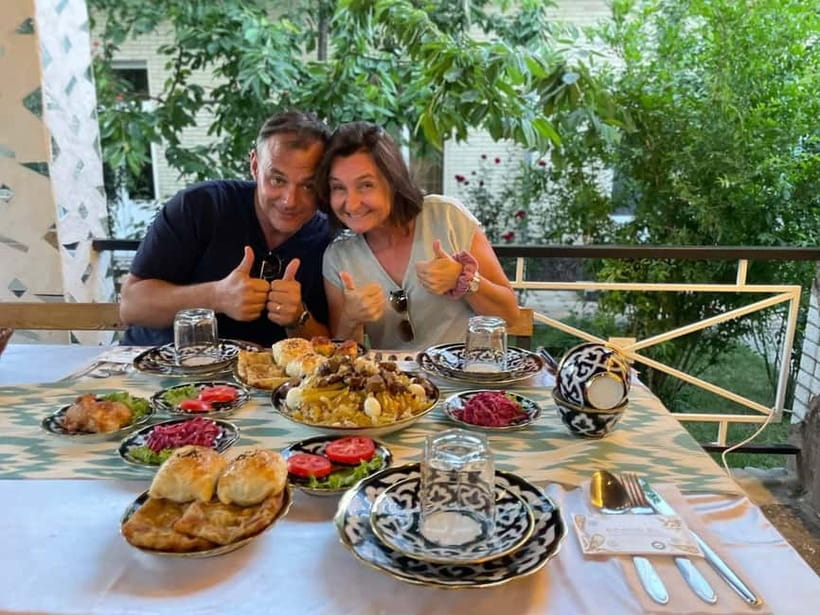
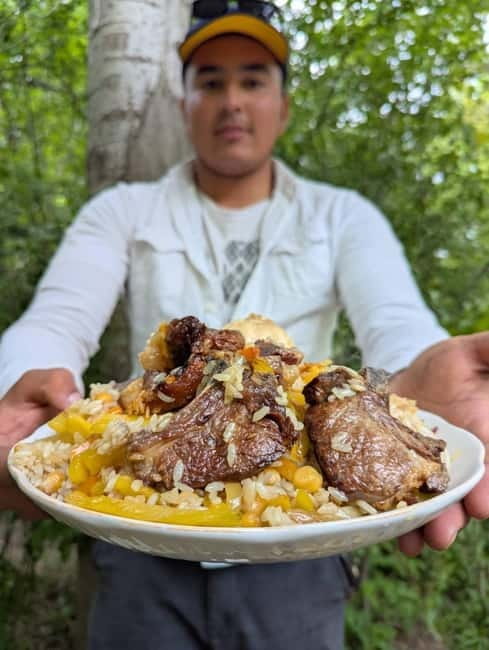
Plov is Uzbekistan’s most famous dish, and the point of this class is to learn it the way locals cook it: in a qozon (a large cast-iron pot), over a wood-fired setup.
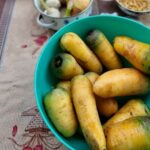
You’ll usually begin with the hands-on work—selecting and preparing fresh ingredients, with ingredients tied to what’s grown locally: rice, carrots, onions, and lamb or beef. Then comes the part many cooking classes skip: learning the logic behind the layers and timing, not just the steps.
Plov is all about heat control and order. Over open fire, you can’t pretend everything is perfectly regulated like a stovetop at home. So you’ll learn how cooks adjust while it’s cooking—how the aroma builds, what you should watch for, and when you can taste-test along the way. You’ll also stir and assist, which turns the experience from passive to practical.
While the plov simmers, this is also when you get a breather. Instead of waiting bored, you’ll have time to check out the garden, feed animals, or just relax with tea. That waiting-to-eat time matters because plov is not a quick dish. It’s a patient one, and you learn to respect that.
Mantu Workshop: Rolling Dumplings and Learning the Steam Logic
After plov, the class shifts to mantu—delicate steamed dumplings filled with minced meat and onions, wrapped in thin handmade dough. This isn’t just a “mix and fold” task. You’ll practice rolling dough and shaping dumplings using traditional techniques, then steam them properly in a mantuvarka (the multi-layer steaming pot).
What I like about this part is that it teaches a different skill set. Plov is about timing, layering, and heat management. Mantu is about dough thinness, filling balance, and sealing so the dumpling holds up during steaming.
If you’re vegetarian, the info you have says the class involves meat overall, so it may not fit strict vegetarian or vegan diets. That said, vegetarian alternatives like pumpkin or potato-filled mantu are offered. So if you’re flexible and communicate your needs clearly, you might be able to get a good version of the experience without feeling left out.
For anyone with food allergies or animal allergies, this is the area to take seriously. The class includes meat cooking and a home setting with animals, so you’ll want to confirm what you can safely participate in.
The Village Tour: Garden, Animals, and Quiet Moments
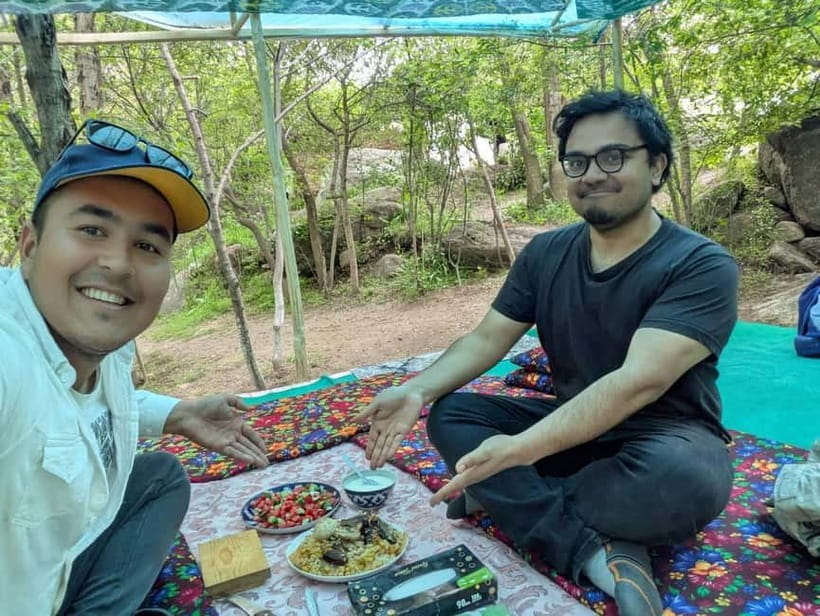
Cooking is the headline, but the village visit is what makes the day feel grounded.
You’ll spend time exploring the property—fruit trees, vegetable patches, and a shady spot for tea under a grapevine. It’s a simple setup, but it’s the kind of break you don’t get in typical city food tours. You can slow down, look around, and understand what the food depends on.
Then there’s the animal time. You may get to meet animals like cows, sheep, chickens, and even donkeys. In a lot of places, animal encounters are scripted. Here it’s part of daily life, which changes how you experience it. Just be ready for the practical side: you’re in a working village environment, so there may be farm smells, sounds, and surfaces that aren’t designed for walking shoes that expect polished floors.
If you like nature and rural routines, this is where you’ll feel the day’s value most.
What a Typical Day Feels Like, Step by Step
Here’s the flow in plain terms:
- Pickup from Samarkand (hotel/train station/airport).
- Drive to the Samarqand Region village, about an hour away.
- Arrive at the family home and get oriented—meet the household and see where ingredients and daily life connect.
- Start preparing ingredients, then work on plov with open-fire cooking in a qozon.
- While plov cooks, you get a pause: tea and/or garden and animal time.
- Move on to mantu: rolling dough, shaping dumplings, and steaming them in the mantuvarka.
- Eat together—your work becomes part of the meal.
- Return to Samarkand.
The cooking block is about 3.67 hours, with the rest of the time for travel and transition. That split matters: you get real instruction time, but you’re not stuck doing nothing between steps.
English Guidance That Doesn’t Make It Feel Like Class
One concern with food tours is language. If you don’t understand what’s happening, you don’t learn. Here, the guide provides English interpretation, and the teaching style seems to focus on clear, step-by-step guidance.
What stands out is that Bekjon is described as friendly and attentive—often asking ahead about expectations and possible things to avoid. That’s not a small detail. It affects everything from pace to how comfortable you feel asking questions.
Also, communication can work even when translation apps are needed. That’s not magic—just practical teamwork. If you like conversations, you’ll likely get stories alongside the cooking. Some accounts mention topics like Amir Temur and local paper-making, plus traditional clothing stories during the waiting time.
Price and Value: Why $52 Works Here
At $52 per person, this isn’t a cheap “eat and leave” activity. It’s priced like a serious host-led day.
Here’s what you’re getting that supports the value:
- Round-trip transfer between Samarkand and the village (hotel-village-hotel type pickup).
- A guided village experience plus cooking instruction.
- Ingredients included for the dishes.
- Tea under a grapevine and time to enjoy the home setting.
- English live guide.
- You can learn two core Uzbek dishes: plov and mantu.
When you compare that to the cost of separate activities (transport + guide + a cooking workshop + meals), the pricing starts to make sense. The real value is the home-based learning: open-fire plov skills and mantu shaping practice are hard to replicate in a typical restaurant-only experience.
Yes, it’s still a cooking class with food and meat at its center. But if that fits you, $52 can feel like a bargain.
Who Should Book This (and Who Should Skip It)
This experience is a great match if you want:
- A hands-on day with real cooking (open-fire plov and dumpling shaping).
- Rural life and animal-garden time, not just restaurant plates.
- A family-hosted feel—warm, personal, and relaxed.
You should think twice or skip if:
- You have back problems (the setting may require bending and moving around for cooking and shaping).
- You need strict vegetarian/vegan meals (the class involves meat, though vegetarian mantu options like pumpkin or potato can be offered).
- You have diabetes or recent surgeries (the day includes food and a farm environment; the operator lists it as not suitable).
- You have animal allergies.
- You’re traveling with babies under 1 year or anyone over 95 years (not suitable).
Also, if you have major food allergies, treat this as a must-confirm situation. The class includes ingredients and cooking with meat in a home setting.
Tips to Have a Smooth, Enjoyable Day
A few practical steps can make your day better fast:
- Bring sunscreen and plan for outdoor time, especially around the plov cooking.
- Wear comfortable clothes you can move in (you’ll help with preparation and shaping).
- Bring a camera, but don’t turn every moment into a photo mission. The tea and garden breaks are part of the experience.
- If you have dietary concerns, tell Bekjon ahead of time. The info you have suggests he asks what to avoid and tailors the day where possible.
And one small reality check: by the end, you’ll smell like cooking. That’s not a flaw—it’s proof you did the work.
Should You Book the Samarkand Plov and Mantu Class?
Book it if you want an Uzbek day that feels like a real household experience, not a staged performance. This is one of those activities where you learn two dishes with real technique, eat what you made, and also get countryside life—garden, animals, and tea under grapevines—woven into the same timeline.
Skip it if you need a fully vegetarian or fully vegan setup, or if you’re sensitive to animal contact and farm environments. The cooking involves meat, and the setting isn’t designed for special diets or accessibility needs listed by the operator.
If you’re flexible and curious, this class is one of the most memorable ways to spend time near Samarkand—because the food and the place are inseparable here.
FAQ
How far is the village from Samarkand?
The village is about one hour away from Samarkand, with transfer included as part of the experience.
What dishes will I learn to cook?
You’ll learn to make plov and mantu. Vegetarian mantu alternatives like pumpkin or potato-filled options are mentioned as available.
Is pickup included, and where can it be from?
Yes, transfer is included (hotel to village to hotel). You need to let the provider know your pickup address (hotel, train station, or airport).
How long is the experience?
The total duration is 5.5 hours, with the cooking class time listed as 3.67 hours.
What should I bring?
Bring a camera, sunscreen, and comfortable clothes.
Is it okay for vegetarians or vegans?
The activity involves cooking with meat, so it may not be suitable for strict vegetarians or vegans. However, vegetarian alternatives such as pumpkin or potato-filled mantu are offered.