REVIEW · SAMARKAND
Samarkand: Village Tour with Plov Cooking Class & Home Visit
Book on GetYourGuide →Operated by Travel to Central Asia · Bookable on GetYourGuide
Plov in a real yard beats another museum stop. This Samarkand village tour mixes a guided walk, a warm home visit, and a hands-on cooking session led with English-speaking guidance like Asrorbek and others. I especially like that it’s structured enough to feel complete, yet relaxed enough to make room for real questions and back-and-forth conversation.
The best part is what you do with your hands: you cook plov, learn how non (bread) gets made, and eat together as if you’re joining an ordinary day. One consideration: it’s a walking-and-hanging-out kind of tour, not a high-energy sightseeing sprint, and the home setting can mean uneven ground and extra movement.
In This Review
- Key things I’d circle before you book
- A Full Rural Samarkand Day, Without the Crowds
- Getting Picked Up and Finding the Right Start Point
- The Village Tour: History, Houses, and Daily Life in Plain Sight
- The Home Visit: Hospitality You Can’t Fake
- The Plov Cooking Class: Your Hands Learn What Your Eyes Miss
- The Shared Meal: More Than Lunch
- Shopping and Market Stops: Ingredients With Context
- Optional Folk Music and Possible Country Extras
- Price and Value: Why $59 Can Feel Like a Deal
- What to Expect From the Group and the Guides
- Who This Tour Suits Best
- My Practical Tips Before You Go
- Should You Book This Plov + Village Home Visit?
- FAQ
- How long is the Samarkand village tour with plov cooking and a home visit?
- What language is the guide?
- Is pickup from Samarkand included?
- What do you do during the day?
- What should I bring?
- Is it suitable for wheelchair users or people with mobility impairments?
Key things I’d circle before you book
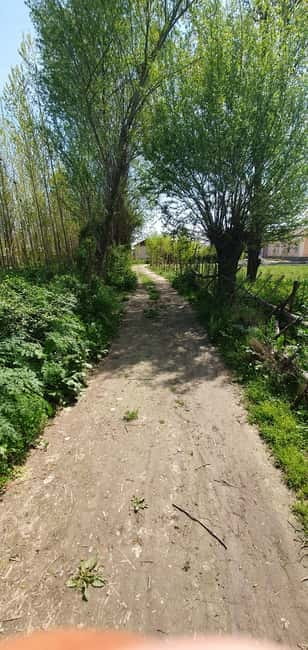
- Live-fire plov cooking, where you don’t just watch—you actively participate
- A family home meal, with communal sitting and conversation that feels personal
- Market time for ingredients, so you understand what goes into the dish before cooking
- Bread-making (non) as part of the experience, not an afterthought
- Optional folk music performance, adding a final sensory layer to the day
A Full Rural Samarkand Day, Without the Crowds
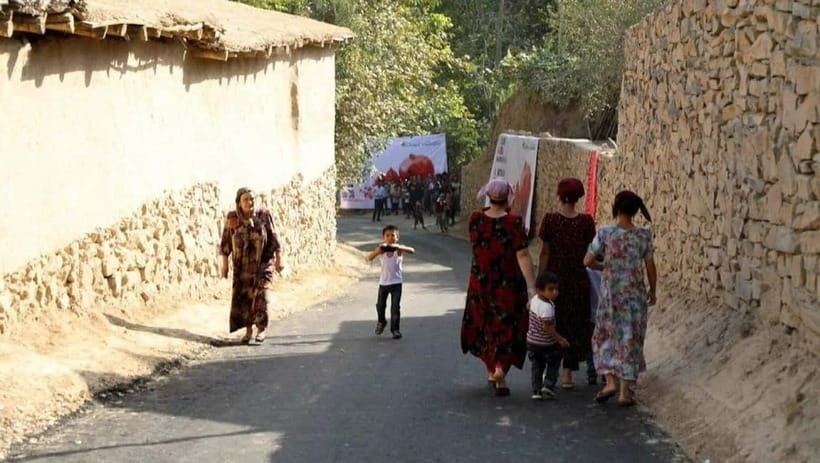
This is an 8-hour day that takes you out of Samarkand and into the rhythm of village life in the Samarqand Region. The pace is intentionally human. You get a guided portion for context, then a home portion where the day turns practical: you cook, you eat, and you chat.
The value here is that the food isn’t staged in a restaurant kitchen. Cooking is tied to where people actually live—gardens, farmland, livestock routines, and the kind of architecture and daily habits you only notice when you’re on the ground. Even a short drive (often around 40–45 minutes, depending on traffic and route) matters because you start watching how rural life changes as you move away from the city.
You can also read our reviews of more tours and experiences in Samarkand.
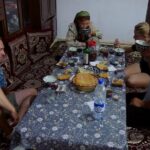
Getting Picked Up and Finding the Right Start Point
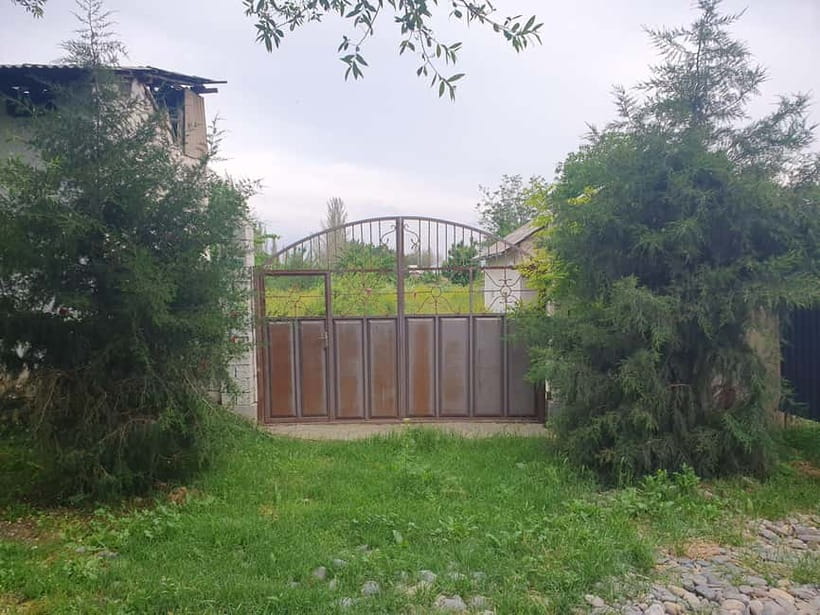
Your day starts with pickup in Samarkand. Most of the time, you’re collected directly from your hotel. If the group is larger than five people, the guide may ask you to meet at a designated point and then join the others from there.
This matters because it keeps the day simple. You’re not stuck figuring out buses or taxis mid-trip. And it helps if you’re visiting from abroad and want the first hour to feel stress-free.
What to bring right from the start: comfortable shoes (you’ll likely walk on uneven paths), plus sun protection—a hat and sunscreen. Water is provided, and you can bring your own too, which is smart since long outdoor stretches can sneak up on you.
The Village Tour: History, Houses, and Daily Life in Plain Sight
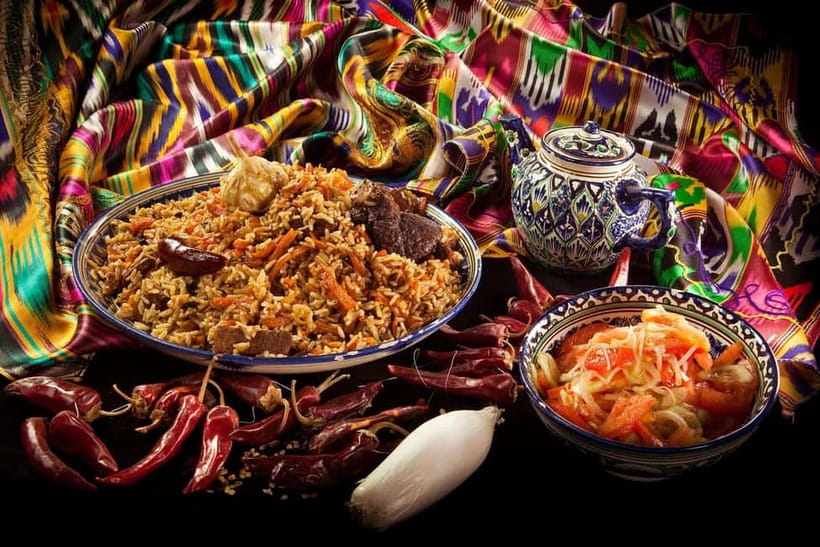
Once you arrive, the guided portion focuses on village life: history, architecture, and what daily routines look like. This isn’t just photo-taking. You’ll get explanations as you walk through homes and community areas—details like how traditional houses are built and what materials or layout choices reflect the local environment.
A standout theme in the day is that the guide doesn’t keep everything abstract. You’ll hear how families live in harmony with nature and livestock, and you’ll likely get a chance to see the surrounding fields and gardens. In one case, the group visited fields during the period when cotton planting and harvesting rhythms were in the air, which turned the tour into a real-world lesson on how the countryside works.
A possible drawback: this part can include enough walking that you’ll want to plan for it mentally. If you’re expecting a mostly sitting tour, adjust your expectations.
The Home Visit: Hospitality You Can’t Fake
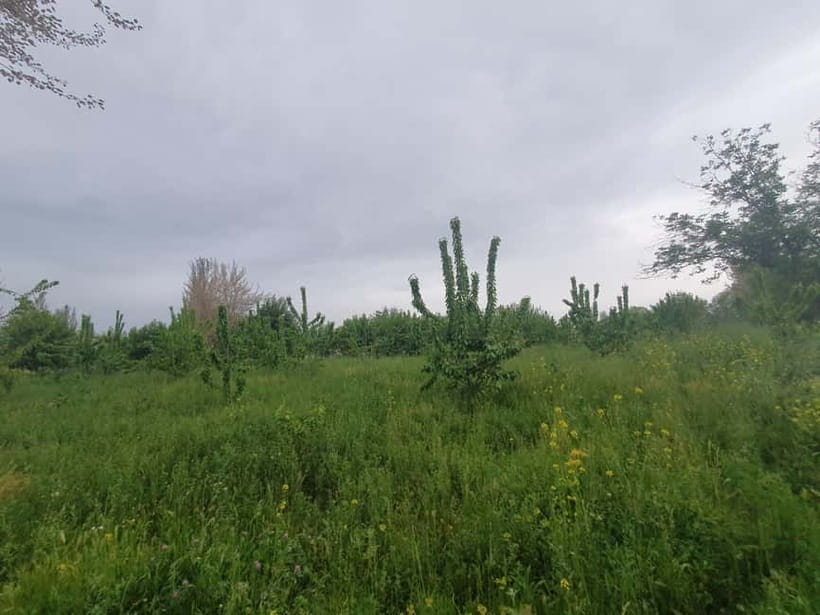
Then you cross the line from tour to guest. You’re welcomed into a local family’s home and treated with the kind of hospitality that doesn’t feel performative. The setup is built for conversation—so you can ask questions about customs, traditions, and daily routines, and the host can compare them with your home background too.
Guides such as Javokhir and Eshkuvatov (English-speaking) are noted for keeping discussions flowing in a natural way. That’s important. A home visit works best when the guide helps you connect with people, not just translate phrases.
You’ll also share snacks at the start of the home portion in some cases, which helps break the day into smaller, comfortable chunks. The communal meal later continues the same approach: you eat together, talk together, and let the day unfold rather than rushing from one moment to the next.
The Plov Cooking Class: Your Hands Learn What Your Eyes Miss
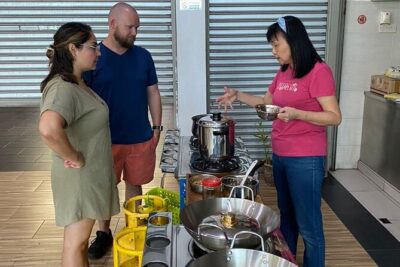
This is the heart of the experience: a hands-on cooking session focused on plov (often called osh). You don’t just stand near a stove. You learn the process as your host guides you through it.
In multiple examples, groups cooked plov using live fire and a traditional outdoor setup—sometimes cooking happens in a barn area, which changes the way you cook and the way you understand timing. You’ll also learn about technique and “secret recipe” knowledge that gets passed down in families. That phrase gets used a lot, but here it makes sense: it’s less about a magic ingredient and more about practiced method—how heat is handled, how ingredients are introduced, and how texture and flavor come together.
Alongside plov, you may also prepare staples like non (bread) and salads. That combination matters because plov is only part of the meal story. Non and fresh sides round out the flavors and help you understand how food fits into everyday Uzbek eating—not just how one dish tastes.
One practical note: cooking can get a bit hands-on and warm. If you’re sensitive to heat or messy work, wear sleeves and shoes you’re comfortable cleaning later.
The Shared Meal: More Than Lunch
You’ll sit down and eat what you helped make. The meal is part of the education. When you taste the plov you cooked, you finally connect the instructions to flavor.
This communal style is also why the day feels memorable. In different stories from the experience, the table included laughter, questions about cultural differences, and comparisons between Uzbek rural life and everyday life elsewhere. Even when the day includes walking or market time, the meal remains the emotional center.
And yes, it’s filling. One reason people call it great value is that you leave with a full stomach and a full story, not just a snack-and-photos experience.
Shopping and Market Stops: Ingredients With Context
Many days start with a market/bazar stop to buy ingredients for the plov. That’s a smart move, because it turns the cooking class into a complete loop: you see the raw components first, then you cook them, then you eat.
This also gives your guide something useful to talk about. You can ask questions about what you’re buying and what locals prioritize when choosing rice, vegetables, and other staples. It’s the kind of practical cultural learning that sticks.
If you’re trying to plan your photos, the market segment is one of the easiest places for it. You’ll get colors, faces, and everyday action—without needing to search for a “perfect” viewpoint.
Optional Folk Music and Possible Country Extras
To wrap up the day, there can be an optional live performance of folk music with traditional Uzbek instruments. Even if you’re not a die-hard music fan, it’s a nice way to end the experience because it matches the rural setting and the day’s slower rhythm.
You should also know that some versions of the day include extra countryside moments depending on the timing:
- a walk around gardens or farm areas
- time in the fields during seasonal work
- in at least one case, an opportunity to milk a cow
- and on special timing, invitations to local celebrations have happened, including a pre-wedding gathering
You can’t count on every extra happening every time. But the fact that it can happen at all tells you the hosts are genuinely connected to community life, not just a scripted program.
Price and Value: Why $59 Can Feel Like a Deal
At $59 per person for a full 8-hour day, this tour often feels like strong value because three major costs are wrapped together:
- transportation from Samarkand into the countryside
- a guided, English-speaking day of interpretation
- and a home visit plus food that includes cooking and eating together
The secret is that the experience is not limited to one “activity.” It’s stitched together: guided village context + market ingredients + cooking class + shared meal + cultural finish. That blend is harder to replicate on your own without local contacts.
When it might not be the best fit: if you only want major monuments, this day won’t replace Samarkand’s famous sites. Think of it as the human-side complement to the city.
What to Expect From the Group and the Guides
The tour is run with an English-speaking guide, and the overall transport rating is high (87% of reviewers gave it a perfect score). In many examples, guides like Bekjon were described as informative and funny, while other guides like Astro or Jahovir kept the conversation lively and helpful.
Group size can be small. Some stories mention being one-on-one or with just one other person, which usually makes the home visit feel more personal and less crowded.
Who This Tour Suits Best
This is a good match if you want:
- authentic, rural Uzbekistan life beyond the city center
- a hands-on cooking experience where you take part in making plov
- a home visit that’s conversation-driven, not just a photo stop
- a slower-paced day that lets you recharge after travel
It may not suit you as well if:
- you need low walking or fully step-free movement
- you dislike being part of a meal and conversation rather than just observing
- you expect a nonstop sightseeing itinerary
Also note the practical rules: no alcohol and drugs, and smoking indoors isn’t allowed.
My Practical Tips Before You Go
Here’s what will make the day smoother:
- Wear comfortable shoes you can walk in for hours on uneven ground.
- Pack a sun hat and sunscreen. The outdoor parts can be bright.
- Bring a camera but also give yourself time to look without it. Some of the best moments are the ones you can’t rush to photograph.
- Expect heat and food smells. Cooking days are like that. Bring patience, not perfection.
- If you’re sensitive to mobility issues, be realistic about walking and the home environment. The experience is geared toward visitors who can move around comfortably.
Should You Book This Plov + Village Home Visit?
Yes, I’d book it if your trip to Samarkand has room for a real cultural day outside the monuments. This tour scores because it connects food, people, and daily life in one package. The plov cooking isn’t treated like a souvenir class—it’s treated like a skill families live with.
Skip it only if you want a fast, landmark-heavy day or you need a very low-movement program. For the right traveler, this is the kind of experience you’ll remember when the photos fade: a shared table, the smell of bread and rice, and the sense that someone invited you into their real world for the day.
FAQ
How long is the Samarkand village tour with plov cooking and a home visit?
It lasts 8 hours.
What language is the guide?
The tour guide speaks English.
Is pickup from Samarkand included?
Yes. Pickup is included from your hotel. If the group is more than 5 people, you may be directed to a meeting point and the guide will pick you up from there.
What do you do during the day?
You visit a traditional Uzbek village, enjoy a home visit with a local family, and take part in a hands-on plov cooking class. You also share a traditional meal and may have an optional folk music performance.
What should I bring?
Wear comfortable shoes. Bring a sun hat, camera, and sunscreen. Water will be provided.
Is it suitable for wheelchair users or people with mobility impairments?
The information provided says it is not suitable for wheelchair users and people with mobility impairments.