REVIEW · SAMARKAND
Samarkand Local Family Cooking Class and Siyob Bazaar Tour
Book on Viator →Operated by Tranquil Holidays · Bookable on Viator
Samarkand gets real fast when you’re cooking in a home kitchen. This is a 6-hour day that pairs Siyob Bozori market wandering with a visit to a local family for Uzbek dishes.
I like the structure here: a market start sets the stage, then you cook and eat as part of a family day. I also really like that you’re not stuck watching. You’ll help make classics like plov, shashlik, and samsa.
One thing to plan for: you’ll want to check dietary issues ahead of time. The tour notes that special foods can be cooked for vegetarians, but you should flag needs so the family can plan meals.
In This Review
- Key highlights you’ll feel right away
- Siyob Bozori first: how the market sets up your day
- The family home visit: what you’re really paying for
- Why this home setting beats a restaurant class
- Cooking Uzbek favorites: plov, shashlik, and samsa
- Plov: learning the feel of rice pilaf
- Shashlik: grilling as a skill, not a buzzword
- Samsa: pastries that teach you patience
- What about vegetarians?
- Lunch included: how the meal fits the learning
- Timing and logistics: making the 6-hour plan feel easy
- Practical tip I’d follow
- Price and value: what $65 covers and why it can be worth it
- Who should book this class and bazaar day?
- Should you book the Samarkand Local Family Cooking Class and Siyob Bazaar Tour?
- FAQ
- How long is the Samarkand Local Family Cooking Class and Siyob Bazaar Tour?
- What’s included in the price?
- Does the tour offer pickup?
- Can vegetarians participate?
- Is this a private tour?
- What’s the cancellation policy?
Key highlights you’ll feel right away
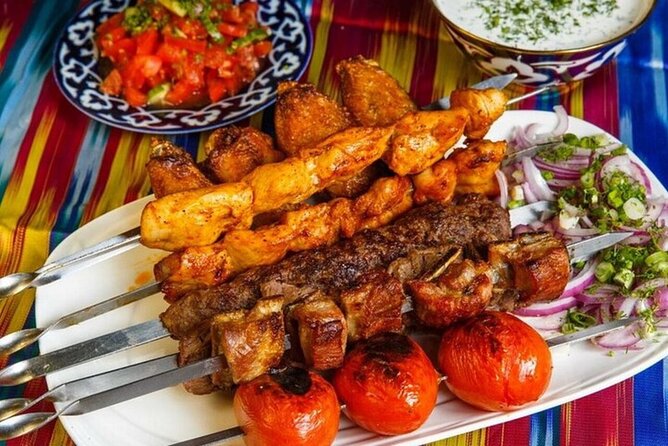
- Siyob Bozori market time to see everyday Samarkand food and products before lunch
- Home-kitchen instruction focused on Uzbek staples like plov, shashlik, and samsa
- Local hosting with names you’ll remember, including Akramjon and Rushana
- More than cooking: stories, laughter, and even a possible chess match
- Vegetarian options with advance checking, so you’re not sidelined
Siyob Bozori first: how the market sets up your day
Start at Siyob Bozori, Samarkand’s local market for food and everyday products. You’ll have about an hour here, which is a smart length. Long enough to get the rhythm—short enough that you don’t burn the day before you even eat.
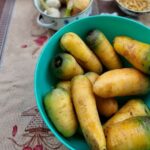
What you’ll get from this first stop is context. You’ll see where ingredients come from and how locals shop when they’re not trying to entertain tourists. Expect stalls with locally produced items, plus plenty of chances to talk with vendors. Even if you don’t speak Uzbek, you’ll pick up what people are buying, how they handle produce, and what looks fresh.
This also helps you later when you cook. When you’ve just watched the process of choosing ingredients at the market, the cooking steps make more sense. You’re not just tasting a finished dish—you’re learning the logic behind it.
Small consideration: markets can be busy and crowded. Wear comfortable shoes, and be ready for normal market smells and sounds. Bring a light layer if you get cold in air-conditioned vehicles afterward.
You can also read our reviews of more tours and experiences in Samarkand.
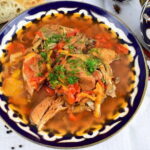
The family home visit: what you’re really paying for
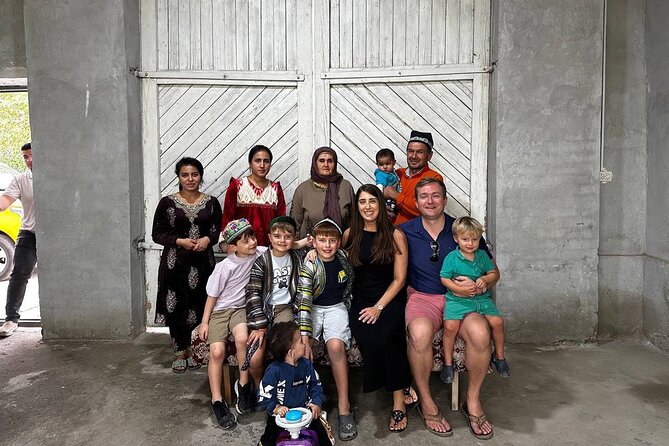
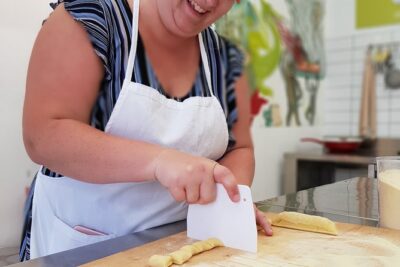
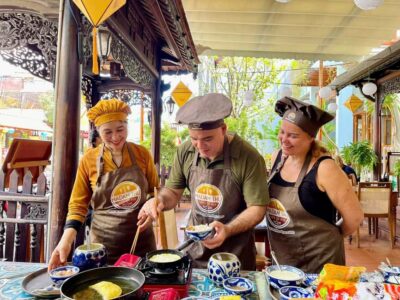
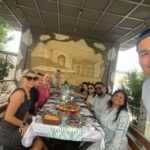
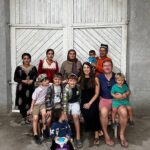
The second half is the heart of the experience: joining a local family at home. This is where the day becomes more personal than most food tours. You’re not standing in a studio kitchen with a chef talking at you. You’re invited into someone’s daily routine.
You’ll roll up your sleeves and cook alongside your hosts. Based on past experiences shared by participants, the hosts can include people like Akramjon and Rushana, who focus on explaining details, not just producing food. That kind of teaching matters because Uzbek cooking has a feel to it—timing, texture, and small choices you only understand when someone shows you the way they do it at home.
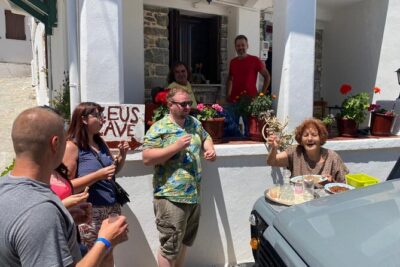
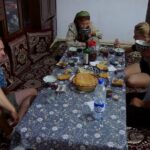
And yes, this is also social. You’ll share meals, hear stories, and have time for simple human moments like laughter and a possible game of chess. That’s not a gimmick. It’s often what turns a food class into a memory you still talk about months later.
Why this home setting beats a restaurant class
A restaurant meal is about the final result. A home visit is about the process and the people. You learn how families adapt recipes to what they have, how they plan for visitors, and what dishes matter most in daily life.
It’s also a good reality check. You see how guests are treated, what comfort looks like in an ordinary day, and how language gaps get bridged through food and gestures. Even if the conversation is limited, you’ll still feel the warmth.
Cooking Uzbek favorites: plov, shashlik, and samsa
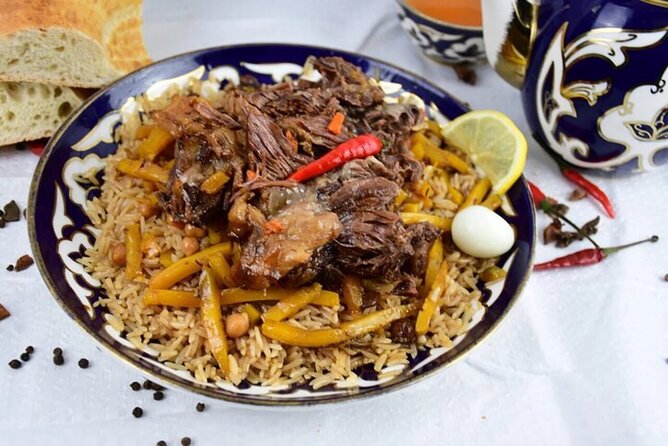
This tour is built around Uzbek cooking you can recognize on sight, even if you’ve never made it yourself. You’ll prepare traditional dishes like:
- Plov (rice pilaf)
- Shashlik (grilled meat)
- Samsa (savory pastries)
Hands-on cooking changes what you remember. When you mix, shape, and time steps yourself, you stop thinking of these dishes as just menu items. You start noticing what makes each one work.
Plov: learning the feel of rice pilaf
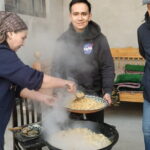
Plov is the centerpiece of Uzbek meals, and it’s more than rice. On this day, you’ll likely get guided steps that focus on technique and timing—because the result depends on how the ingredients work together.
You’ll get a better sense of why plov takes attention. It’s not the kind of dish where you can multitask without consequences. That’s part of the charm here: you’re learning how home cooks keep control.
Shashlik: grilling as a skill, not a buzzword
Shashlik is the other crowd-pleaser. You’ll work with grilled meat, and the key learning is understanding how grilling affects texture and flavor. You’ll come away knowing what to watch for as the meat cooks, and what can go wrong if heat is off.
If you’re the type who loves cooking at home later, you’ll appreciate that this isn’t theory. It’s practical.
Samsa: pastries that teach you patience
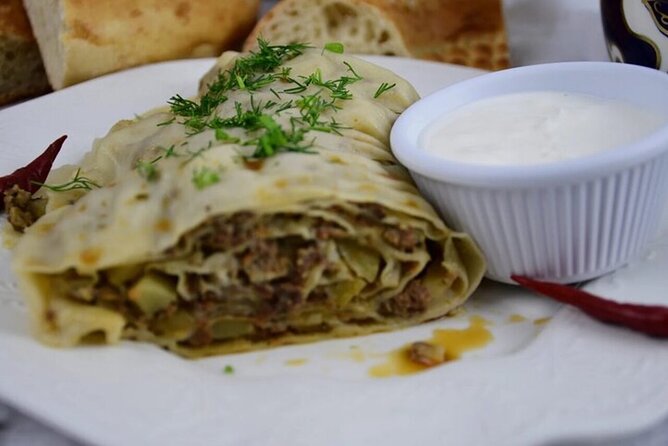
Samsa is a savory pastry, and it’s a great choice for a home class because it teaches structure. Pastry work rewards care. It also helps you understand how fillings are handled and how the shape affects the final bite.
Even if you don’t become a pastry expert overnight, you’ll leave with a stronger sense of what makes samsa samsa.
What about vegetarians?
The tour notes that for vegetarians, special foods can be cooked. That’s encouraging, but you’ll still want to check your dietary needs before the day starts. Food planning in a home depends on what the family can prepare comfortably.
Lunch included: how the meal fits the learning
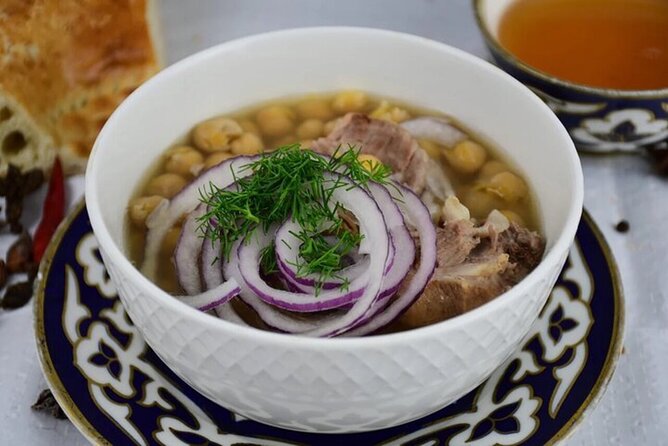
Lunch is included, which matters because it turns the cooking into a full circle. You’re not left with an empty stomach after an activity-heavy morning. You cook, then you eat what you made.
This is also where conversation tends to flow best. After a few hours of working together, your hosts can explain what you’re eating and how they think about the dish as a whole—flavor, texture, and what matters most to their family.
And since the day is centered on the home, the meal often feels like part of someone’s routine, not an event staged for photos. That’s where you get the most value: you learn how these dishes sit in real life.
Timing and logistics: making the 6-hour plan feel easy
This experience runs for about 6 hours total. It includes roughly 1 hour of transfer time, so you’re not surprised when the day feels like more than just market plus cooking.
The good news is that pickup and drop are included, and the ride is in an air-conditioned vehicle. That’s a real benefit in Uzbekistan’s weather swings—especially if you’re traveling in hotter months or you’re coming off a long sightseeing day.
It’s also set up as a private activity. Only your group participates. That can be a big advantage if you prefer a calmer experience with more attention, less waiting, and fewer disruptions.
A mobile ticket is provided, and you’ll get confirmation at the time of booking. That removes a lot of last-minute stress.
Practical tip I’d follow
Because you’re doing both a market stop and a cooking session, bring practical items:
- closed-toe shoes for market walking
- something small for water and personal items
- and check what you’re allowed to bring inside a home (you’ll be told, but it helps to keep things simple)
Price and value: what $65 covers and why it can be worth it
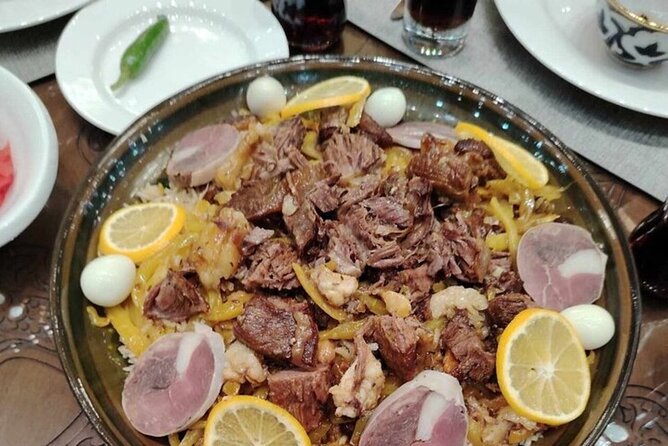
At $65 per person for a 6-hour private family experience, this isn’t a random street-food snack. You’re paying for three things:
- market time to set context
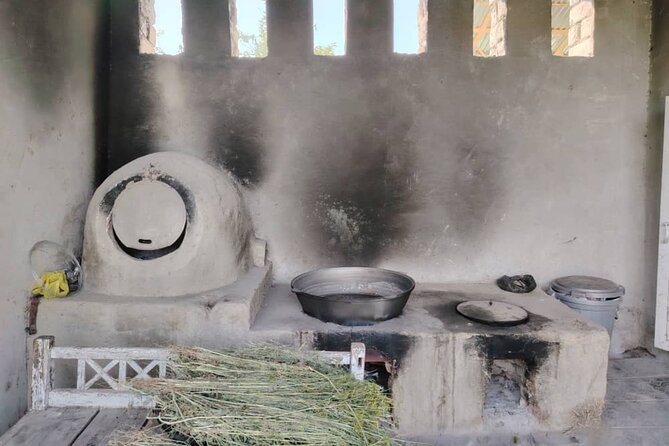
- hands-on cooking instruction in a home setting
- lunch plus pickup/drop and an air-conditioned vehicle
If you’ve done cooking classes before, the home element usually costs extra because it involves hosting, time, and preparing an actual meal for the day. Here, your lunch is included, and you’re not buying each component separately.
Also, booking average is about 53 days in advance. That tells you demand can be steady. If your dates are firm, don’t wait too long—especially during peak seasons.
The best way to judge value is to ask what you want from your day. If you want a real Samarkand experience, not just another meal, this format tends to deliver.
Who should book this class and bazaar day?
This works especially well if you:
- love food and want cooking skills, not just tasting
- want a more personal cultural day than museum time
- like meeting locals in ordinary settings
- travel as a small group and value privacy
If you’re short on time, six hours can still fit, but plan it as a “main event” day. You’ll be doing walking at the market and active cooking afterward.
If you’re very sensitive to dietary needs and food allergies, you should treat this as a must-communicate situation. The tour says special foods can be cooked for vegetarians, but it doesn’t list anything beyond that. So confirm details clearly.
Should you book the Samarkand Local Family Cooking Class and Siyob Bazaar Tour?
If you want an authentic day in Samarkand where you learn through doing, I’d book it. The standout reason is the combination: a market start that gives you ingredient context, followed by home cooking with a local family, plus lunch.
I also like that it’s private, and that the experience can include hosts such as Akramjon and Rushana who focus on sharing the details. That kind of teaching style is exactly what turns a food activity into real understanding.
Skip it only if you’d rather stay hands-off, or if you know you’ll be uncomfortable with home-cooking logistics and market conditions. Otherwise, this is the type of day that gives you both a meal and a story.
FAQ
How long is the Samarkand Local Family Cooking Class and Siyob Bazaar Tour?
It’s about 6 hours total, and the total includes around 1 hour of transfer time.
What’s included in the price?
Lunch is included, along with hotel pickup and drop and an air-conditioned vehicle.
Does the tour offer pickup?
Yes. Hotel pickup and drop are included.
Can vegetarians participate?
The tour notes that special foods can be cooked for vegetarians. You should check your dietary issues ahead of time.
Is this a private tour?
Yes. Only your group will participate.
What’s the cancellation policy?
Free cancellation is available up to 24 hours in advance for a full refund. If you cancel less than 24 hours before the start time, the amount paid will not be refunded.