REVIEW · MARRAKECH
Cooking Class in Marrakech with Fatiha and Samira
Book on Viator →Operated by Xcursion Guide · Bookable on Viator
Cooking in a Marrakech home beats any restaurant. You’ll start at the Kasbah Mosque area with a local market walk, then move into Fatiha and Samira’s family kitchen to make a 3-course lunch from ingredients you choose yourself. It’s a hands-on way to understand Moroccan flavors without standing in line or guessing what to order.
Two things I really like: the market time is practical (you learn what you actually need), and the cooking is taught like a friendly lesson, not a performance. When the ladies are guiding you through dishes like tektouka and zaalouk, the whole process makes sense fast.
One thing to consider: it runs for about four hours and relies on good weather, so plan for a midday schedule in the Old City area.
In This Review
- Key Highlights at a Glance
- Kasbah Mosque Meeting: Getting Oriented in Old Marrakech
- Market Walk With Seasonal Produce, Spices, and What You’ll Cook
- Tea, Family Welcome, and the Cooking Setup in a Home
- Starter Lessons: From Te ktouka to Zaalouk
- Pasta/Main Course and Berber Tagine: Learning the Core Dish
- Dessert Session: How Sweet Finishes Get Built
- Eating What You Cook, Plus Recipes You Can Use Later
- Price and Value: What $40.71 Buys You in Real Life
- How to Prepare So You Get the Most Out of It
- Who This Marrakech Cooking Class Is Best For
- Should You Book This Cooking Class in Marrakech?
- FAQ
- Where does the cooking class start?
- What time does the experience end?
- Is this a private cooking class?
- What will I do during the experience?
- What dishes will I learn to make?
- What’s included in the price?
- Is dinner or breakfast included?
- Do I get recipes to take home?
- What happens if the weather is bad?
- Is there free cancellation?
Key Highlights at a Glance
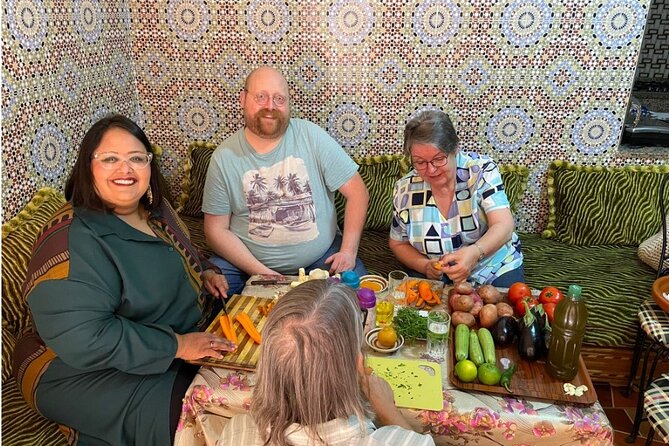
- Private home cooking taught by Fatiha and Samira in Marrakech’s Old City
- Market walk to pick seasonal produce, spices, and key ingredients
- A full 3-course lunch (starter, pasta/main course, dessert)
- Learn Moroccan standards like tektouka, zaalouk, and Berber tagine
- Tea + snacks along the way, and you eat what you cook
Kasbah Mosque Meeting: Getting Oriented in Old Marrakech
You begin near Moulay Elyazid Mosque, in the Kasbah area, close to Jemaa el-Fna Square. If you’re arriving in Marrakech and trying to get your bearings, this meeting point is handy because you’re not far from the places most first-timers aim for.
The start time is 11:00 am, so you’re doing this early enough to avoid the hottest part of later afternoons. You also stay on a tight loop: start and end back at the same meeting point. That matters in Marrakech, where navigation can feel like a puzzle until you’ve done it once.
This is a private activity, meaning it’s just your group. That usually translates into more attention while you cook, and less time waiting for instructions. In reviews, people highlight how welcoming and comfortable the home feels, and that’s the right expectation: you’re not dining in a public setting.
You can also read our reviews of more tours and experiences in Marrakech.
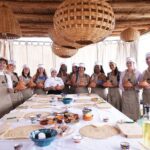
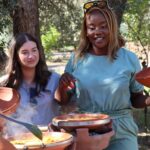
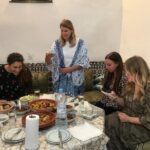
Market Walk With Seasonal Produce, Spices, and What You’ll Cook
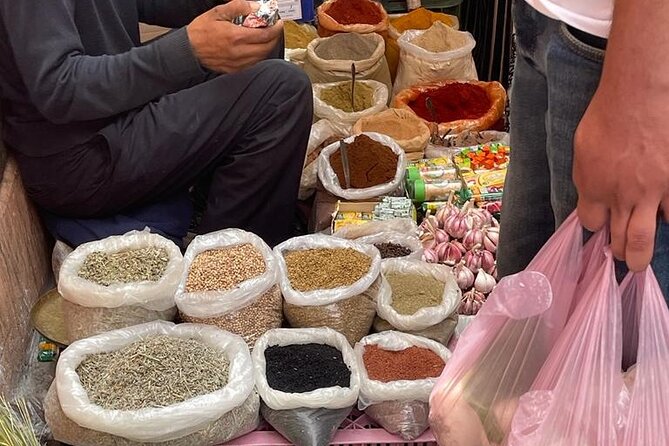
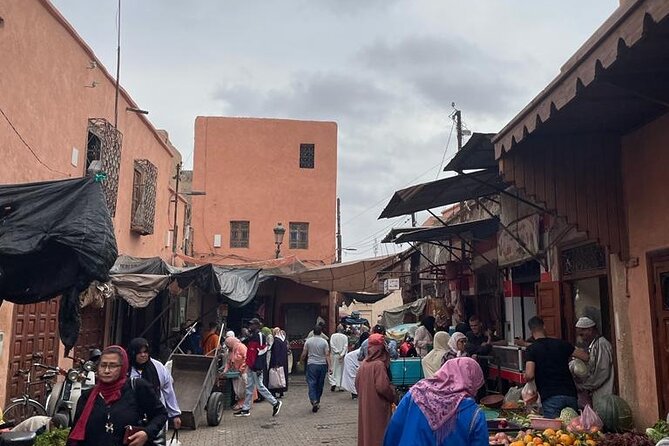
Right after meeting, you head out for the local market tour around 11:10 am. This part is more than sightseeing. You’ll see how Moroccan cooking begins with selection: the right produce, the right spices, and the right thinking about flavor combinations.
You’re specifically learning about seasonal ingredients, plus spices and other essentials used in everyday Moroccan meals. That’s valuable because Moroccan dishes are often built on pantry staples that can be hard to find exactly right later, outside the country. Knowing what you bought and why it matters makes recreating the meal at home way easier.
A good market walk also teaches you texture and timing clues. For example, when ingredients look a certain way in the market, you’ll know what they should become when they’re cooked. Even if you’re not a cook, you can pick up the logic quickly: what softens, what sharpens, what sweetens, and what should stay bright.
Tea, Family Welcome, and the Cooking Setup in a Home
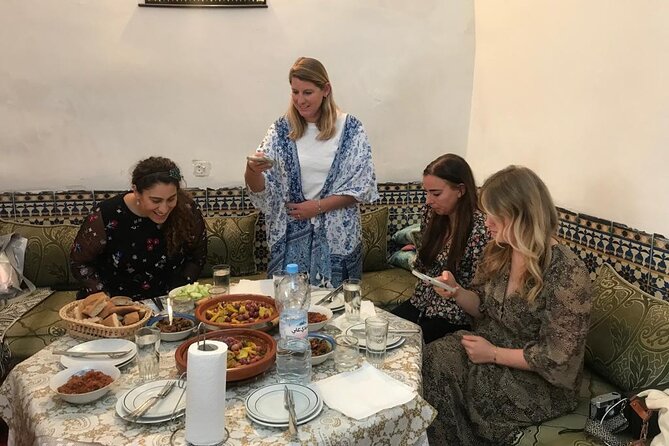
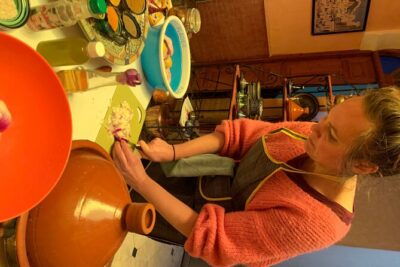
Around 11:35 am, you arrive at the family home setting (described as a house school). This is where the experience shifts from open-air shopping into a calmer, more personal rhythm.
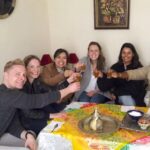
At about 11:50 am, tea is served and you get introduced to the plan. This pause matters. It helps you slow down before the cooking gets real. It also sets the tone: you’re in a family kitchen, taught by Moroccan women, with conversation and laughter that makes the session feel relaxed.
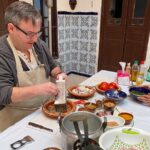
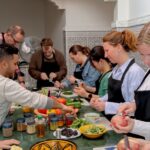
You’ll be cooking with Fatiha and Samira, plus additional family help (often described as their mother/aunt). Reviews mention feeling at home, so don’t expect a stiff class. Think more like learning from people who cook these meals for family and guests, not like a timed workshop.
Starter Lessons: From Te ktouka to Zaalouk
Once the cooking sessions begin (around noon), you’ll start with your starter course. The highlights given for the class include tektouka and zaalouk, two dishes that show you Moroccan cooking fundamentals clearly.
Here’s why these starters are a smart choice: they’re flavor-forward but not complicated. They also teach you how Moroccan seasoning works. You’ll be working with ingredients that respond well to heat and blending—so your kitchen results actually improve as you go.
Tektouka is typically about cooked vegetables and spices, where the goal is depth and a balanced kick. Zaalouk is another classic that shows how eggplant and/or vegetables become tender and savory, with seasoning that tastes better the longer it cooks. If you’ve ever struggled with dishes tasting flat at home, you’ll likely notice how Moroccan home cooks fix that: they let flavors build.
You’ll also start picking up the “cause and effect” of cooking in this class. For example, what happens when you cook spices briefly before adding vegetables, or how a tomato-forward base changes the final taste. Even without exact measurements, you learn the cues.
And since you’re cooking with ingredients you selected from the market, these starters don’t feel like random recipes. You recognize the ingredients and you remember why you chose them.
Pasta/Main Course and Berber Tagine: Learning the Core Dish
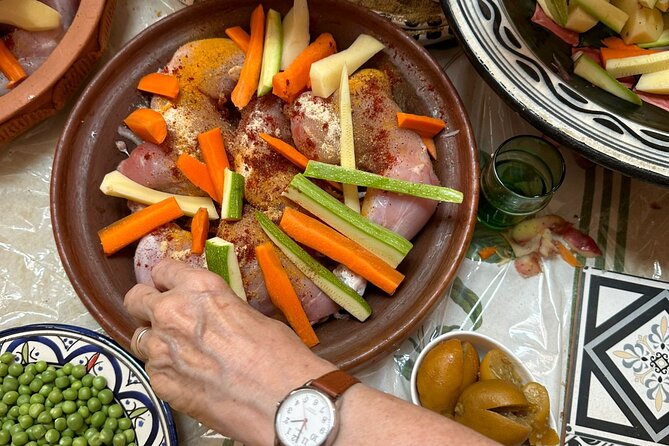
The class includes a main section that pairs a pasta component with Moroccan classics like Berber tagine. Tagine isn’t just a meal in Morocco—it’s a method and a mindset. The idea is slow-cooked flavor, where ingredients share their taste over time.
When you cook a Berber tagine, you’re learning what makes tagines different from quick skillet meals. The seasoning approach tends to be layered, and you get practice adjusting to texture: if vegetables soften too fast, you learn to manage heat; if flavors need more time, you learn patience.
The included menu structure is described as starter, a pasta/main dish, and dessert. Even when tagine is the star, the pasta course helps you see Moroccan cooking’s “everyday logic.” It’s not only about the traditional pot; it’s also about how families build meals that satisfy different tastes at the table.
From the reviews, a key theme is that people felt the dishes were delicious and filling, not just pretty. That matches the kind of teaching that aims for real results. You’re not just watching; you’re doing. You’ll leave with a meal you understand, and that’s the advantage of learning at a family home.
Dessert Session: How Sweet Finishes Get Built
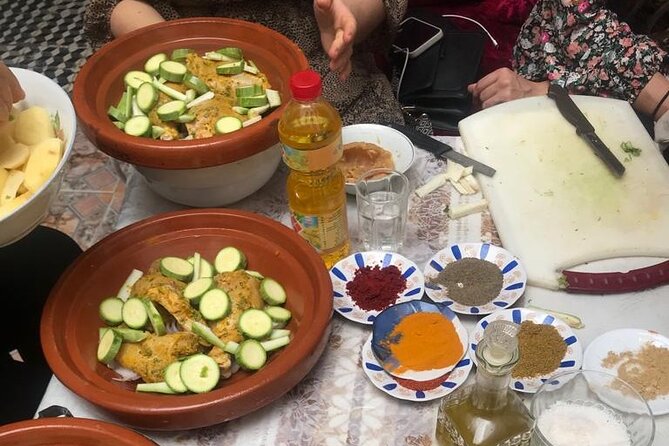
Dessert is served later in the day, after the main cooking. Around 14:00 pm, the class moves into the dessert session.
Dessert in Moroccan meals often acts like a reset button. You get the richness of the lunch behind you, then a sweeter finish that feels more balanced than a heavy restaurant dessert. In this class, it’s part of the reason the meal feels complete.
You’ll likely focus on simple techniques and ingredients that aren’t complicated to find back home, depending on your local stores. The class format is designed around approachable Moroccan home cooking. So even if dessert seems intimidating at first, the learning style helps you break it down into steps you can repeat.
And then, about 15:00 pm, you get time to enjoy what you made. This is one of the best parts of any cooking class, and the reason it works here: the lesson and the meal are one continuous experience.
Eating What You Cook, Plus Recipes You Can Use Later
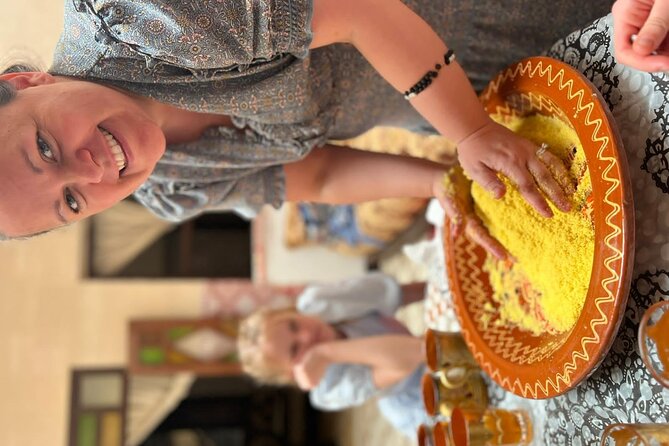
At about 15:00 pm, you eat your dish, and then the class ends around 15:45 pm. That timing keeps things practical. You’ll be done before your evening plans start to creep in, and you won’t feel like cooking stole your whole day.
One detail worth knowing: reviews say you receive the recipes afterward. That’s a big deal for value. A lot of cooking classes are “learned in the moment,” and then the recipe details vanish. Here, you get something you can actually cook with later.
What I love about this aspect is how it supports your whole Marrakech trip. If you book this early, it gives you a mental reference point. Later, when you’re reading menus or tasting street food, you’ll recognize what’s happening in the flavors: the spice logic, the vegetable cooking approach, and how sweet and savory are balanced.
Price and Value: What $40.71 Buys You in Real Life
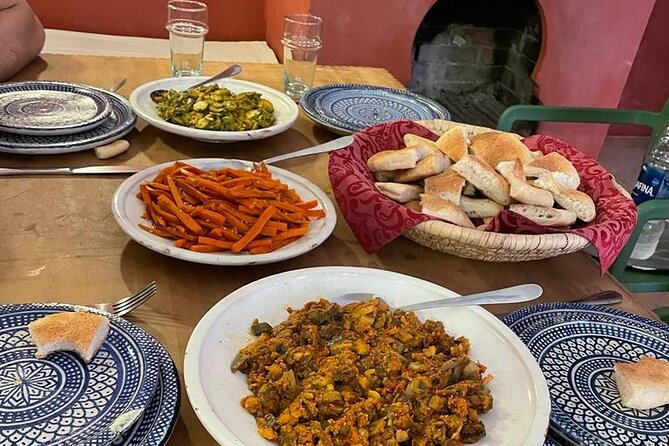
At $40.71 per person, you’re paying for more than a meal. You’re paying for three things that add up fast: guided market time, hands-on instruction in a real home kitchen, and a full 3-course lunch with coffee/tea and snacks included.
For Marrakech, that’s solid value because you avoid the common cost trap: paying restaurant prices while still not learning the “how.” Here, you get both the food and the process. Also, the private format matters. Even if the class group is small, private attention can make the difference between finishing a dish you understand and finishing a dish you only half-followed.
Also, the dishes taught—tektouka, zaalouk, and Berber tagine—are staples you can build on. You’re not only learning one impressive dish; you’re learning a few that cover different flavors and textures. That makes your money go further when you cook again later.
How to Prepare So You Get the Most Out of It
This class is about being active. You’ll walk through the market and then cook in a home kitchen. Wear shoes you can stand in for a while, since you’ll likely be on your feet during prep and cooking.
Bring a sense of humor and patience. Cooking is a team sport, and Moroccan meals are built step-by-step. You don’t need to be a confident cook, but you do need to be willing to taste and adjust. If you try to treat it like a photo shoot only, you’ll miss the best part: how you learn by doing.
If you have dietary needs, the information you provided doesn’t specify customization. That doesn’t mean it can’t happen, but it does mean you should ask when booking to see what’s possible for your group.
Who This Marrakech Cooking Class Is Best For
This experience is ideal if you want Morocco through food, not just food as a souvenir. I think it’s especially good for:
- First-timers who want a quick, friendly way to understand Moroccan ingredients
- Food lovers who want to learn technique, not only eat
- Small groups that like a relaxed home setting rather than a restaurant crowd
If you’re the type who loves the market more than the museum, this will click fast. You start in the souk zone near Moulay al-Yazid Mosque, and the shopping choices connect directly to what’s on your plate.
It’s also a great early-trip activity because it helps you recognize flavors later. People in the class mentioned using it as a way to get ideas and tips about what to do next, and that tracks. Once you understand spice and vegetable cooking here, the rest of Marrakech makes more sense.
Should You Book This Cooking Class in Marrakech?
Yes, if you’re looking for a real home-cooked lunch with guidance, not a scripted restaurant experience. The strongest draw is the combination of market learning and cooking with Fatiha and Samira, where the atmosphere is welcoming and you leave with recipes you can use again.
Only skip it if you can’t handle a midday commitment or if you prefer a more formal, restaurant-style lesson. Since it depends on good weather, keep your schedule flexible if your trip is tight.
If you want Morocco you can taste—and understand—this is a smart way to spend four hours.
FAQ
Where does the cooking class start?
It starts near Moulay al-Yazid Mosque (Kasbah Mosque) at 23 Rue de La Kasbah, Marrakesh 40000, Morocco, with a start time of 11:00 am.
What time does the experience end?
It ends back at the meeting point around 15:45 pm (about four hours total, approx.).
Is this a private cooking class?
Yes. It’s a private tour/activity, so only your group participates.
What will I do during the experience?
You’ll do a local market tour, then cook in the hosts’ home. The menu includes a 3-course lunch with a starter, a pasta/main dish, and dessert.
What dishes will I learn to make?
You’ll learn Moroccan dishes such as tektouka, zaalouk, and Berber tagine.
What’s included in the price?
It includes lunch, coffee and/or tea, and snacks.
Is dinner or breakfast included?
No. Dinner and breakfast are not included.
Do I get recipes to take home?
The experience includes getting the recipes after the class, according to feedback shared by people who booked.
What happens if the weather is bad?
The experience requires good weather. If it’s canceled due to poor weather, you’ll be offered a different date or a full refund.
Is there free cancellation?
Yes. You can cancel for a full refund up to 24 hours in advance of the experience’s start time.