REVIEW · KATHMANDU
Kathmandu: Women-Led Cooking Class & Momo Making-Local Taste
Book on GetYourGuide →Operated by Relax Getaways Pvt. Ltd · Bookable on GetYourGuide
First, food teaches faster than any book. This hands-on Kathmandu class combines a quick market shop with cooking at a modern local kitchen, then ends with the meal you made—dal bhat and momo being the stars. I like the price for what you get, and I like how the chef-led setup keeps it practical (you actually fold, stir, and plate). One heads-up: if the momo-folding technique is new to you, you’ll want to take your time—one earlier participant found the correction moment a little too tense for fun.
You’ll also get a cultural side that doesn’t feel like homework. Expect explanations tied to what’s on your plate, plus a Nepali masala tea break and a snack-style appetizer depending on the menu set. And yes, the class is small—up to 8 people—so you can ask questions without shouting across the room.
In This Review
- Key Takeaways Before You Go
- Market First: Buying Spices and Produce Like a Chef
- Picking Your Menu Set: Bara, Dal Bhat, Momo, and More
- Menu 1: Bara / Dal Bhat / Yomari
- Menu 2: Chatamari / Momo / Kheer
- Menu 3: Aloo Chop / Thukpa / Carrot Halwa
- Inside the Kitchen: From Masala Tea to Momo Folding
- Dal Bhat and Nepali Comfort Food Logic
- The Women-Led Chef Dynamic and What That Means for You
- Price and Value: Why $11 Can Make Sense in Kathmandu
- Who This Cooking Class Fits Best
- Simple Practical Tips to Get the Most Out of It
- Book It or Skip It: My Take
- FAQ
- How long is the Kathmandu Women-Led Cooking Class and Momo Making?
- Where is the meeting point?
- Is the class taught in English?
- What dishes are included?
- Do you get to visit a market?
- Is there a vegetarian option?
- Are photos or video included?
- FAQ
- How many people are in the group?
- What’s included besides cooking?
- Is the class suitable for children?
- Are alcoholic drinks included?
- Can I cancel for a refund?
- Is there a reserve now and pay later option?
- Is there a dress or footwear requirement?
- Should You Book This Kathmandu Momo and Dal Bhat Class?
Key Takeaways Before You Go
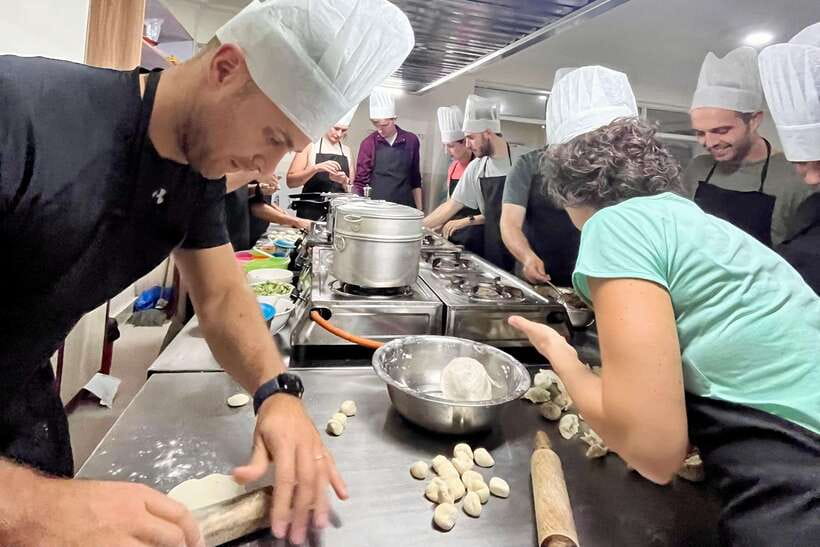
- Market shop tour for fresh vegetables, spices, and meat (so your ingredients aren’t a mystery)
- Small group (max 8) with English instruction, good for beginners and curious cooks
- Three menu sets that can include momo, dal bhat, chatamari, thukpa, and desserts
- Hands-on practice with techniques like dumpling folding and building flavor in curries
- Taste what you make, not just watch someone else cook
Market First: Buying Spices and Produce Like a Chef
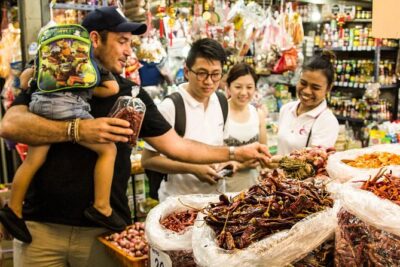
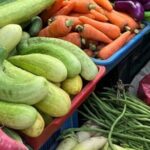
The class starts the way real cooking in Kathmandu often does: you shop. You’ll walk through local market stalls to pick up what matters for your meal—fresh vegetables, spices, and (if you choose meat dishes) the protein for the menu. This part is underrated. When you know what an ingredient smells like before it hits the pan, the whole dish makes more sense later.
It also helps with budgeting and expectations. For a class that costs around $11, the market stop is part of the value—someone is doing the planning for you, and you’re buying the inputs that affect flavor the most. You’re not just paying for a kitchen; you’re paying for the whole workflow that gets the food from market to plate.
If you’re sensitive to strong smells, go at a relaxed pace and take breaks when you need to. Spices and fried snacks in markets can hit hard, but that’s also where the real Nepal “food vibe” lives.
You can also read our reviews of more tours and experiences in Kathmandu.
Picking Your Menu Set: Bara, Dal Bhat, Momo, and More
One of the smartest things about this experience is the choice of three menu sets. You’re not stuck with a single template, and you’re more likely to find a mix that matches your appetite—vegetarian or meat.
Here are the options you might cook from:
Menu 1: Bara / Dal Bhat / Yomari
- Bara: Nepali lentil pancakes made from urad dal batter and seasoned with spices. In Newari cuisine, it can be served plain or topped (egg, minced meat, or vegetables).
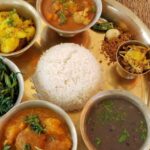
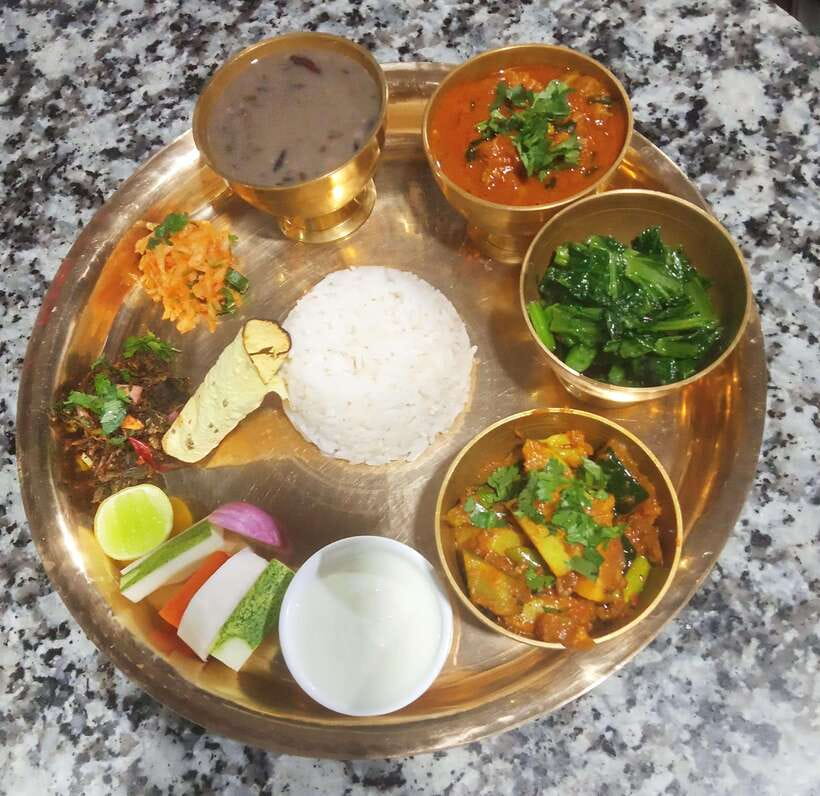
- Dal bhat: the comfort plate—steamed rice plus lentil soup, usually served with vegetables, pickles, and curry.
- Yomari: a sweet Newari dumpling with rice-flour dough filled with molasses (chaku) and sesame seeds (sometimes coconut).
This set is ideal if you want the most classic “Nepal at the table” meal structure: savory staples first, then something sweet.
Menu 2: Chatamari / Momo / Kheer
- Chatamari: often called the Nepali version of a pizza—rice flour crepe topped with things like egg, minced meat, vegetables, and spices.
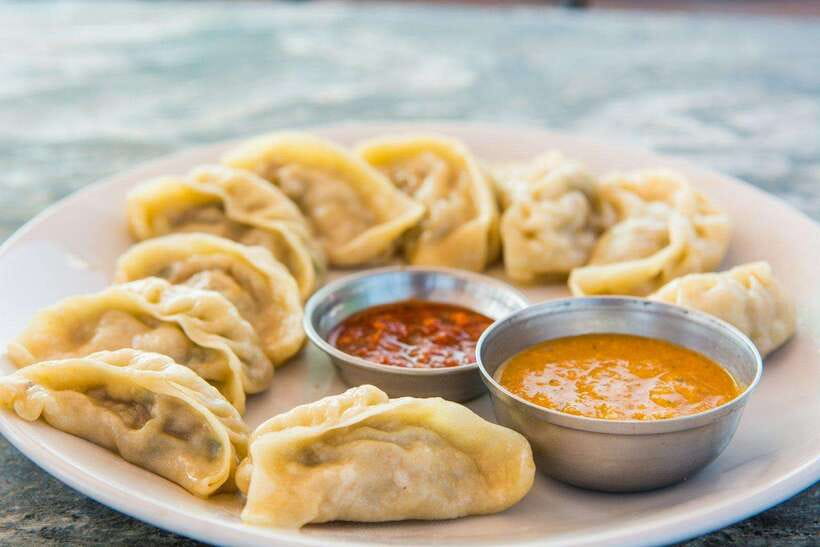
- Momo: dumplings, filled with minced meat (chicken, buff, or pork) or vegetables, then seasoned.
- Kheer: creamy rice pudding simmered with milk, sugar, and cardamom, typically topped with nuts and raisins.
Pick this if momo is your main goal. Chatamari also gives you a different texture lesson than dumplings and soup.
Menu 3: Aloo Chop / Thukpa / Carrot Halwa
- Aloo chop: spiced deep-fried potato snack made from mashed boiled potatoes.
- Thukpa: Tibetan-Nepali noodle soup with aromatic broth, often with vegetables and meat options.
- Carrot halwa: sweet dessert made by slow-cooking grated carrots with milk, sugar, ghee, and cardamom, finished with nuts and raisins.
This menu feels great for people who want variety—crispy, soupy, and sweet—without only focusing on dumplings.
Vegetarian travelers: the menu descriptions mention vegetarian and meat options, so you should be able to choose. Ask early about what’s available in the specific set you book.
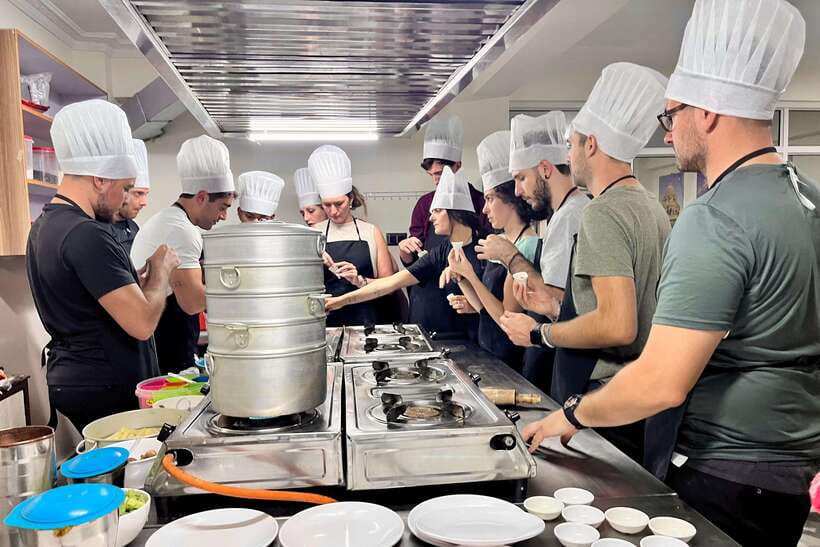
Inside the Kitchen: From Masala Tea to Momo Folding
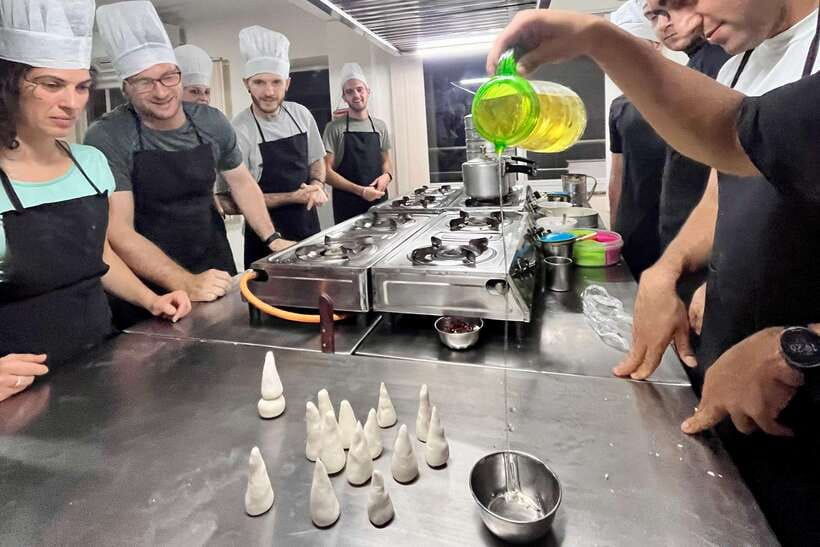
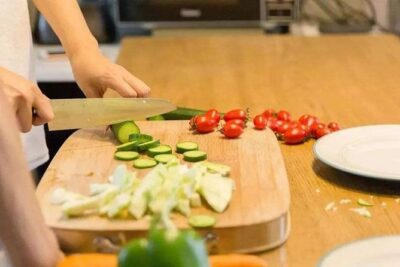
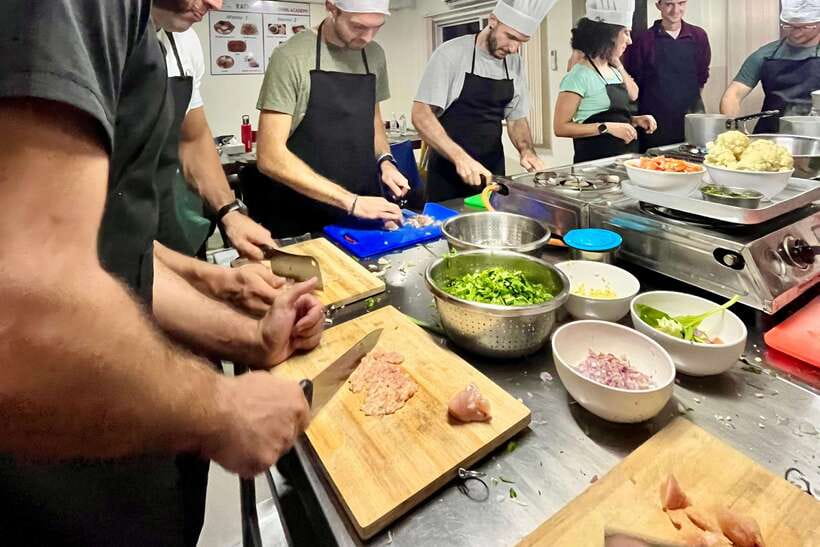
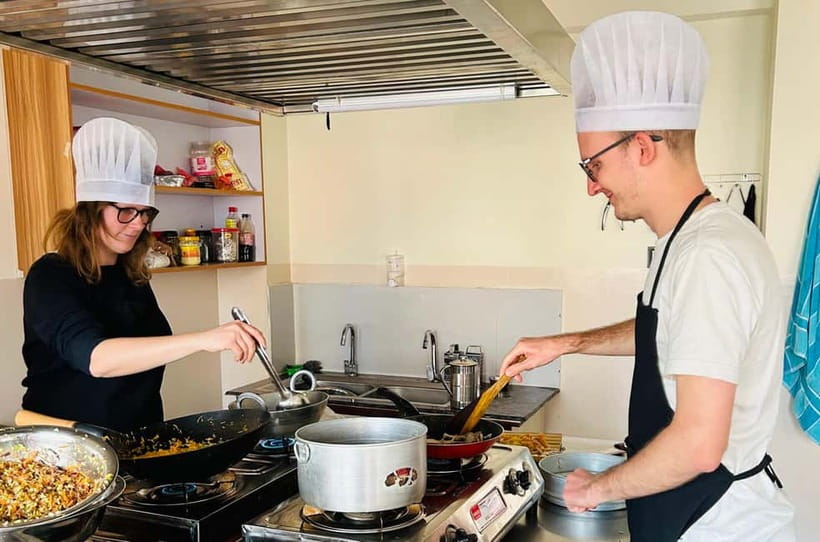
Once you’re in the kitchen, the class is built around short explanations and lots of action. You’ll get step-by-step instruction from a local chef, plus use of the cooking equipment and accessories needed to cook for real—not just a demonstration setup.
Expect this flow:
- Start with flavor basics: spices, how they’re used, and how Nepali cooking builds depth.
- Work the dough and fillings: especially for momo (and for crepe/dough items depending on your menu set).
- Cook in batches: because kitchens move faster than lessons.
- Taste immediately: the class includes a tasting session of what you made.
- Tea break: Nepali masala tea is part of the lesson, so you’ll have a comforting pause while flavors develop.
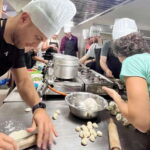
The momo part deserves its own section. Dumplings sound simple until you’re actually folding them. This is where the small-group size matters. With fewer people, the chef can correct shape, pinching, and sealing, so you learn the technique instead of just copying someone’s final result.
One earlier participant loved the atmosphere and the chance to make plenty of momo—then eat as much as they could manage. That’s the sweet spot: you’ll be working with your hands, building a rhythm, and eating your own work while it’s still at its best.
Dal Bhat and Nepali Comfort Food Logic
If you cook dal bhat during the class, you’re learning more than a recipe. You’re learning a whole meal philosophy: rice plus lentils plus sides, designed to be filling and steady. Dal bhat is a staple not because it’s fancy, but because it works. It’s balanced, it’s repeatable, and it lets you handle spicy, salty, and tangy flavors without wrecking your palate.
When you plate it yourself, notice how the meal behaves:
- Dal brings warmth and body.
- Rice resets the tongue.
- Vegetables and pickles add brightness and texture.
- Curry elements give depth.
That means you leave with more than an impression—you leave with a pattern you can recreate. Even if you only remember the order (and the general spice style), that’s still a win when you’re back home trying to cook Nepalese flavors from scratch.
Masala tea fits the same idea. It’s comforting, spiced, and made to keep you going through the cooking process.
The Women-Led Chef Dynamic and What That Means for You
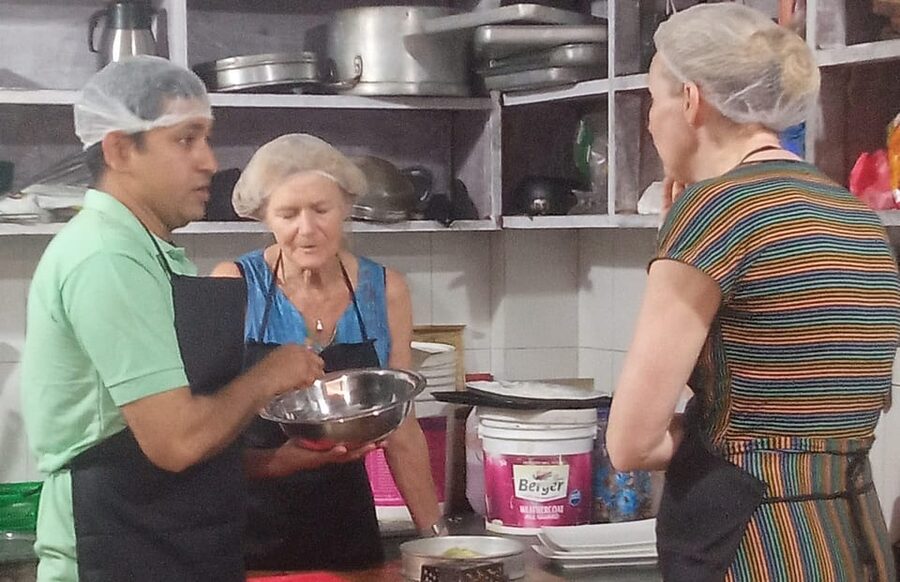
The class is women-led, and the biggest practical takeaway is how it can feel: guided, not rushed. In small workshops like this, your experience usually depends on the instructor’s tone as much as their recipe skills.
In positive experiences, the chef is described as professional and friendly, with patience for questions about ingredients and spices. That matters because Nepali cooking relies heavily on seasoning choices—if you don’t understand why something is added, the dish becomes harder to repeat.
But there is a real consideration: dumpling-folding is a specific skill. If you get stuck, you might feel the energy shift in the room. If you’re the type who needs calm, take it slow and ask for clarity on the folding technique right away rather than waiting until the end.
Price and Value: Why $11 Can Make Sense in Kathmandu
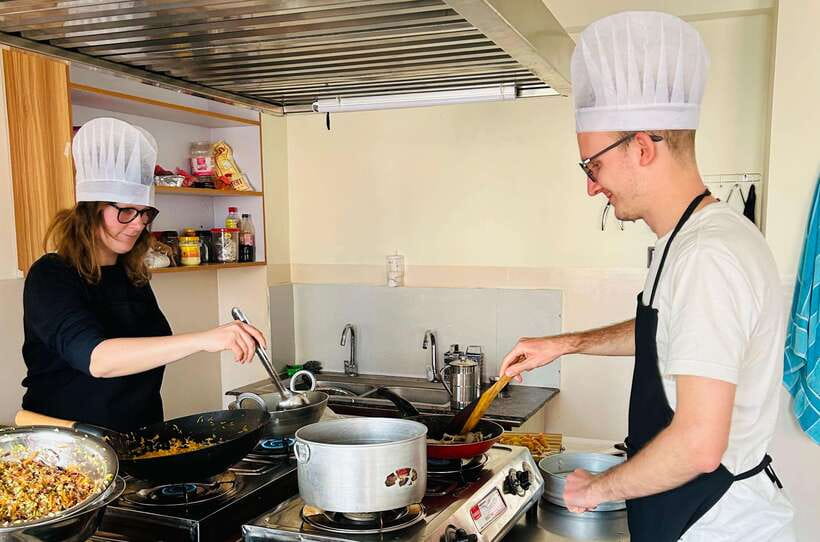
At $11 per person for 2–3 hours, this class is priced like a casual cultural activity—not like an upscale food tour. And that’s exactly why it’s a strong value for Kathmandu.
Here’s the value math that matters:
- You’re not paying just for a meal. You get market shopping, instruction, and cooking time.
- You’re not just watching. You get hands-on practice with dough, frying, boiling, or assembling (depending on your menu set).
- You’re not left with empty plates. There’s a tasting session of what you cook, plus masala tea during the lesson.
Photos and video aren’t included, but that’s common for small cooking workshops. If you want professional shots, you can usually add that later for an extra fee.
For me, the real bargain is the small-group setup. When the group is limited to 8 participants, your questions and corrections actually land. That’s often where the “cheap class” turns into a frustrating one—here, the format aims to keep it workable.
Who This Cooking Class Fits Best
This experience is suitable for people aged 8 and up, and it’s a good fit if you want a structured, friendly way to learn Nepali flavors without needing prior kitchen skills.
It’s especially good for:
- Food-first travelers who want more than restaurant eating
- Beginner cooks who learn fastest through step-by-step practice
- People who love momo and want to understand the process, not just the end product
- Anyone staying near Thamel, since the meeting point is easy to reach
It might not be perfect if you:
- Need a very strict, fully laid-back environment (because dumpling skills can come with focused correction)
- Hate market smells and prefer a purely indoor experience
Simple Practical Tips to Get the Most Out of It
- Wear comfortable clothes and be ready for the kitchen heat and spice smells.
- If momo is your priority, don’t be shy about asking about the folding steps early.
- If you have strong dietary preferences, confirm what can be made vegetarian vs meat for your chosen menu set.
- Come hungry. This class includes snacks/tea, but you’ll still want appetite for the meal you cook.
Book It or Skip It: My Take
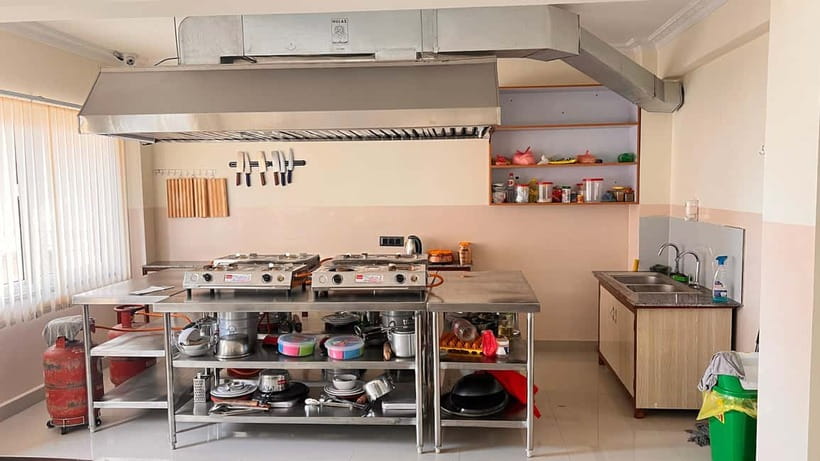
If you’re in Kathmandu and you want a hands-on way to understand Nepali food culture, I’d book this. The combination of market shopping, a small-group chef-led kitchen, and a meal you truly make (not just taste) is hard to beat for the price.
Skip it only if you know you dislike dumpling-type tasks or you prefer cooking classes with zero correction and zero technique pressure. Otherwise, this is a great way to leave Kathmandu with skills you can repeat—especially if you’re chasing that first homemade momo moment.
FAQ
How long is the Kathmandu Women-Led Cooking Class and Momo Making?
It lasts about 2 to 3 hours.
Where is the meeting point?
The workshop location is easily accessible from Thamel and the rest of Kathmandu Valley.
Is the class taught in English?
Yes, the instructor teaches in English.
What dishes are included?
The class uses three possible menu sets, which can include Bara, Dal Bhat, Yomari, Chatamari, Momo, Kheer, Aloo Chop, Thukpa, and Carrot Halwa.
Do you get to visit a market?
Yes. You’ll do a market/shop tour to buy important ingredients for the class.
Is there a vegetarian option?
The class offers different Nepali foods with vegetarian and meat options to try out.
Are photos or video included?
Photos and video are not included. Professional photography or videography is available for an additional fee.
FAQ
How many people are in the group?
The group is small, limited to 8 participants.
What’s included besides cooking?
You’ll get step-by-step instructions, equipment to cook, a tasting session of what you prepare, and Nepali masala tea during the lesson.
Is the class suitable for children?
It’s suitable for people aged 8 and above.
Are alcoholic drinks included?
No. Specialty or alcoholic drinks aren’t included.
Can I cancel for a refund?
Yes. You can cancel up to 24 hours in advance for a full refund.
Is there a reserve now and pay later option?
Yes. The option is available to book your spot and pay later.
Is there a dress or footwear requirement?
No specific dress code is listed, but you will be in a kitchen, so comfortable clothing is a practical choice.
Should You Book This Kathmandu Momo and Dal Bhat Class?
Book it if you want a compact, chef-led Kathmandu experience with hands-on cooking, market shopping, and a meal that you prepare yourself. At this price point, the small group and the “you cook it” format are the deciding factors. If you’re hoping for a high-stress, zero-guidance class, that’s not what this is. For most people—especially momo lovers—this is a smart, satisfying way to spend a few hours in Kathmandu.