REVIEW · ADDIS ABABA
Ethiopian Cooking Class and Coffee Ceremony with a Local in Addis with transfers
Book on Viator →Operated by Traveling Spoon · Bookable on Viator
A trip to Addis feels real once you cook. I love the hands-on Ethiopian cooking in Daniel and Tigist’s home kitchen, and I love Daniel’s easy conversation on food and even politics while you eat. The one thing to consider is that this is a home visit, so you’ll want to be comfortable in a local setting and follow the host’s pace.
You start late afternoon at 3:30 pm, then spend about four hours total including hotel transfers. Expect a private experience with just your group, plus time to roast coffee beans and take part in a traditional coffee ceremony right in the birthplace of coffee.
In This Review
- Key things I’d remember before you go
- The late-afternoon timing that makes it feel like part of the day
- Meeting Daniel and Tigist in their Addis home kitchen
- Hotel pickup and a straightforward flow
- Making injera the right way: pouring, cooking, and timing
- Cooking your Ethiopian dishes: shiro or tibs (plus seasonal choices)
- The meal part: eating what you made with real Ethiopian rhythm
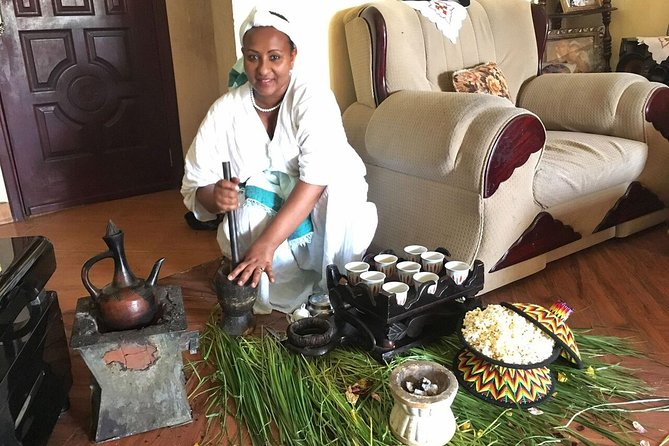
- Coffee roasting and the Ethiopian coffee ceremony
- Seeing Addis Ababa through a home visit in the hills
- Price and value: why $154 feels fair for what you get
- Who should book this (and who might prefer something else)
- Final take: should you book this Ethiopian cooking and coffee experience?
- FAQ
- What time does the Ethiopian cooking class and coffee ceremony start?
- How long is the experience?
- Are hotel transfers included?
- What dishes will I learn to make?
- Is there a vegetarian option?
- Can I cancel and get a full refund?
Key things I’d remember before you go
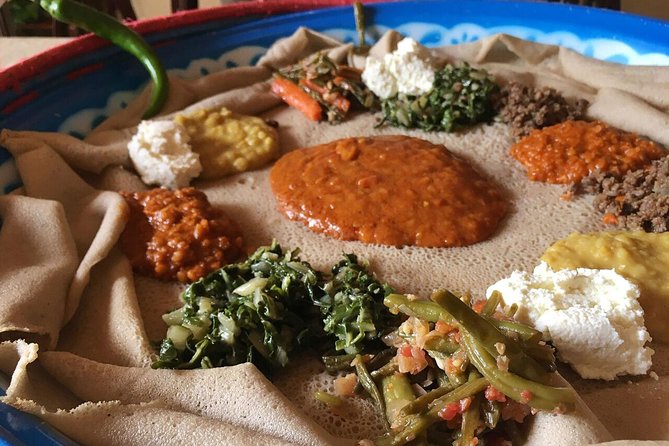
- Home-kitchen cooking, not a showroom class, so you learn the rhythm of Ethiopian meals the way locals do
- Injera focus: Tigist teaches pouring and cooking a perfect spongy flatbread
- Pan-Ethiopian choices like shiro (chickpea or broad bean stew) and tibs (stir-fried meat with vegetables and spices), depending on the season
- Coffee roasting + ceremony built into the same afternoon so food and drink connect naturally
- Daniel’s English and Q&A style, with thoughtful answers that range from food to culture and history
- Comfortable logistics: hotel pick-up and drop-off so you can spend your energy on the meal, not the route
The late-afternoon timing that makes it feel like part of the day
This experience starts at 3:30 pm and runs about 4 hours total. That timing is smart in Addis because you’re not fighting a long day in traffic or rushing to fit a meal before dark.
The pacing is also built around learning. You get a class that lasts about 1.5 to 2 hours, then you eat what you made, and then you move into the coffee roasting and ceremony portion. It’s not a quick demo followed by a sales pitch. It’s a sequence that helps you taste what you’re learning.
You can also read our reviews of more tours and experiences in Addis Ababa.
Meeting Daniel and Tigist in their Addis home kitchen
Your hosts are Daniel and Tigist, originally from Ethiopia’s Oromia region. Tigist learned cooking the way many people do there, helping her mother around the house as a child and later running her own kitchen after marrying Daniel.
Daniel brings a tourism and anthropology angle to the day. He has a master’s degree in Social Anthropology, he’s worked in tourism for over a decade, and he speaks perfect English. You’ll likely find that the conversation is just as much a part of the value as the food—Daniel seems comfortable talking about Ethiopian culture and history, and even politics, while you work.
One small human detail: they have three sons, and they may join during weekends. If you’re traveling with kids or you enjoy a lively home atmosphere, that can add warmth to the day.
Hotel pickup and a straightforward flow
Transfers are included: hotel pick-up and drop-off. That matters more than you might think, because cooking classes often turn into a stress test. Here, you can focus on the lesson instead of figuring out transport, parking, or meeting points.
The tour is private, meaning it’s personalized for your group only. Reviews that rate this experience near-perfect usually point to the same thing: you’re not sharing the host’s attention with strangers, and that helps when you’re learning hands-on techniques like injera.
You’ll also get a mobile ticket at some point during booking. Confirmation comes at booking time, and the menu can vary by season, so it’s good to expect slight changes rather than a fixed script.
Making injera the right way: pouring, cooking, and timing
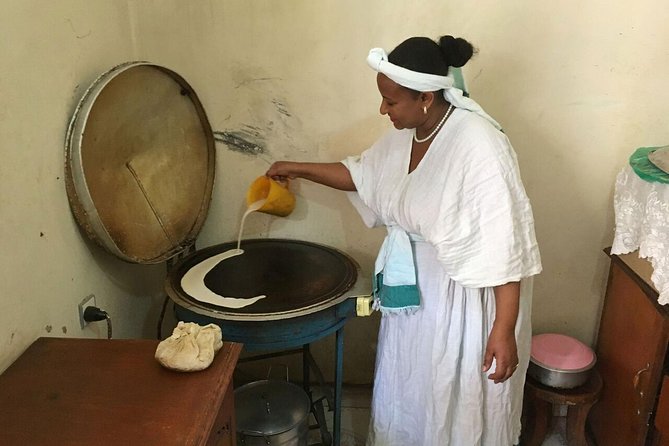
If injera is on your Ethiopian bucket list, this is where the day earns its keep. Tigist teaches you how to pour and cook the flatbread to get that distinctive, spongy texture. She guides you during the cooking class portion, so you’re not just watching someone else work.
Injera isn’t difficult in concept, but it takes attention in practice. The way you pour, how hot the pan is, and how you manage the short window while it cooks all affect the final result. The structure of the class gives you time to practice and understand what the batter needs to do.
This is also a good chance to ask questions. If you’ve ever wondered why injera changes from place to place in Ethiopia, you can likely get a real explanation from Tigist rather than generic food facts.
Cooking your Ethiopian dishes: shiro or tibs (plus seasonal choices)
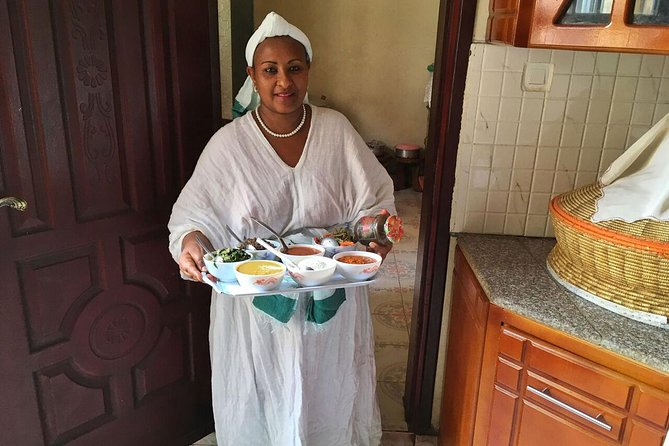
During the class, you’ll prepare a traditional dish alongside the injera lesson. The menu may vary, but the common options include:
- Shiro, a chickpea or broad bean stew
- Tibs, stir-fried meat with vegetables and spices
Because Tigist cooks from her home experience and Daniel’s background is tourism and culture, you tend to get more than a recipe list. You get context: how spices are used, how a stew thickens, and how Ethiopian meals are built around sharing.
If you want an extra dish, there’s an option to include it in advance when booking. Just note that it can extend your cooking time. This is a great choice if you already know you want a deeper skill set, or if your group loves food and you don’t mind a longer session.
Vegetarian travelers should know there’s a vegetarian option available if you request it at booking.
The meal part: eating what you made with real Ethiopian rhythm
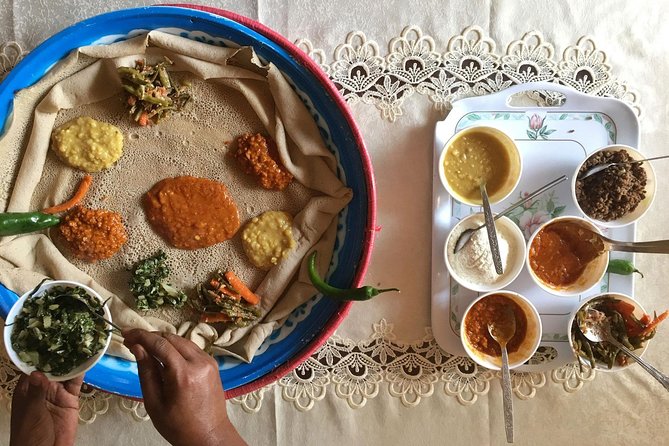
Your cooking class includes the meal with your host. That detail changes the whole experience. You aren’t tasting someone else’s version of Ethiopian food; you’re sitting down with what you helped prepare.
Ethiopian meals often feel like a coordinated system—injera acts like the edible base, and stews and meats land on top in a shared pattern. When you’ve made the flatbread yourself, the meal clicks fast. You start noticing thickness, spice level, and how the food pairs with the bread.
Beverages are included, and you’ll have coffee and/or tea during the experience, plus bottled water. Alcoholic drinks aren’t included, so if your group likes a beer or a glass of something stronger with meals, you’ll want to plan for that separately.
Coffee roasting and the Ethiopian coffee ceremony
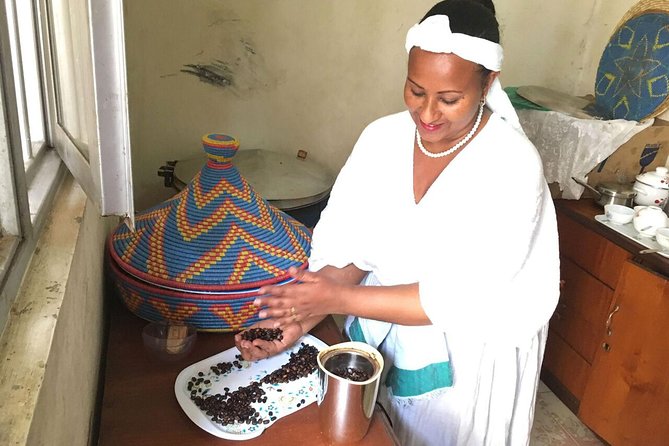
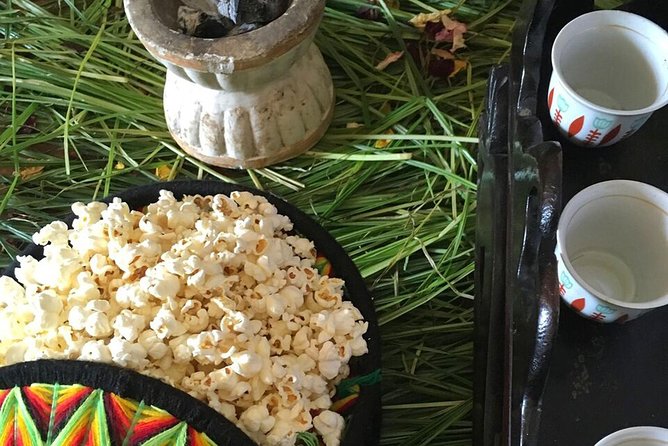
After the food, you shift from cooking to coffee. You’ll learn to roast coffee beans and then participate in a traditional coffee ceremony. This matters because the ceremony isn’t just a caffeine moment—it’s a cultural ritual with structure.
Roasting is hands-on, and it changes how you experience the coffee. You can smell the transformation and better understand why the beans are handled the way they are. From there, the ceremony turns that smell into a shared drink experience.
If you’ve heard that coffee has deep roots in Ethiopia, this is the kind of activity that makes it practical. You’re not reading about tradition. You’re seeing the steps and participating in the flow.
Seeing Addis Ababa through a home visit in the hills
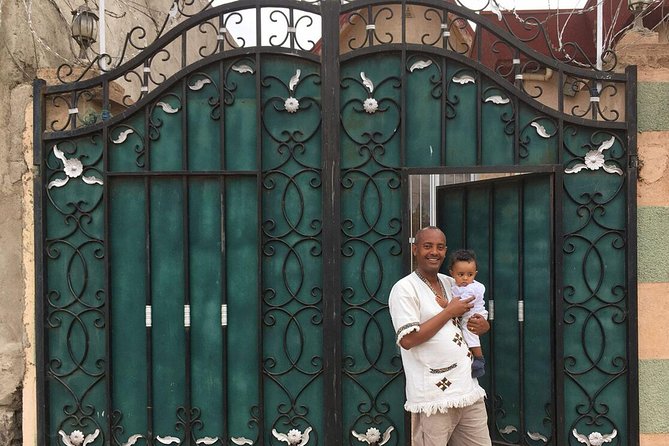
One of the strongest draws here is that you’re taken into a home setting rather than a commercial cooking facility. This gives you an everyday view of Addis Ababa life.
You’ll also likely get a glimpse of the hills on the outskirts of Addis Ababa, which helps the day feel grounded rather than staged. Daniel can answer questions not just about dishes, but about how people live and think in Ethiopia. That blend of food and context is why this experience earns such strong recommendations.
It’s also private, which helps you ask personal questions. If your travel style is “listen, then ask,” you’ll be in the right place.
Price and value: why $154 feels fair for what you get
At $154 per person for about 4 hours, this isn’t a budget snack class. But it’s also not a money-for-nothing tourist show.
Here’s what you’re getting in the package:
- Transfers (hotel pick-up and drop-off)
- Private cooking class + meal with your host Daniel
- Beverages, including coffee and/or tea
- All taxes, fees, and handling charges
- Gratuities (so you’re not doing the math at the end)
- Bottled water
And because it’s private, the cost doesn’t get diluted across a huge group the way some cooking tours do. There can also be group discounts, which helps if you’re traveling with friends or family.
If you’re comparing it to cooking classes that only include ingredients and a short demo, the value looks better. You’re paying for an experience that includes home access, hands-on skills, a meal, and a coffee ceremony, all in one afternoon.
Who should book this (and who might prefer something else)
This is a great match if you:
- Want hands-on cooking rather than watching
- Care about coffee culture and want roasting plus ceremony, not just drinking
- Like asking questions and getting answers in real conversation
- Prefer a private, personalized experience in a local home
It might be less ideal if you:
- Want a large-group, high-energy “theme” atmosphere
- Have very limited tolerance for home-style pacing and local surroundings
- Expect a fixed, classroom-like curriculum with zero flexibility (menu can vary by season)
Final take: should you book this Ethiopian cooking and coffee experience?
I’d book it if you want one afternoon in Addis that feels like culture, not just cuisine. The injera lesson and the chance to roast coffee beans make it more than a standard meal tour, and the fact that Daniel can talk about Ethiopian life beyond the stove adds real depth.
If your top priority is learning authentic techniques, and you’re open to a true home visit, this is a strong choice.
FAQ
What time does the Ethiopian cooking class and coffee ceremony start?
It starts at 3:30 pm.
How long is the experience?
The duration is about 4 hours (approx.), including transfers.
Are hotel transfers included?
Yes. Hotel pick-up and drop-off are included.
What dishes will I learn to make?
You’ll likely learn to make injera, and you may make a dish such as shiro (chickpea or broad bean stew) or tibs (stir-fried meat with vegetables and spices). The menu can vary by season.
Is there a vegetarian option?
Yes, a vegetarian option is available if you request it at booking.
Can I cancel and get a full refund?
You can cancel up to 2 days in advance for a full refund. If you cancel less than 2 days before the start time, the amount paid isn’t refunded.