REVIEW · ADDIS ABABA
Unique Ethiopian Cooking Class and Coffee Ceremony with a Local in Addis Ababa
Book on Viator →Operated by Traveling Spoon · Bookable on Viator
Cooking with a family beats any restaurant meal. In Addis Ababa, this experience puts you in Daniel Ademe Tirfe and Tigist’s home kitchen to learn injera and Ethiopian flavors, then finish with a coffee ceremony built on freshly roasted beans.
Two things I genuinely like: the class feels intimate and personal, not scripted, and you get a real window into everyday life beyond the usual sights. One thing to consider is that hotel pickup isn’t included, and the start point is specific—so you’ll want to double-check where to meet.
In This Review
- Key Points You’ll Care About
- A Real Addis Ababa Home Kitchen (Not a Show)
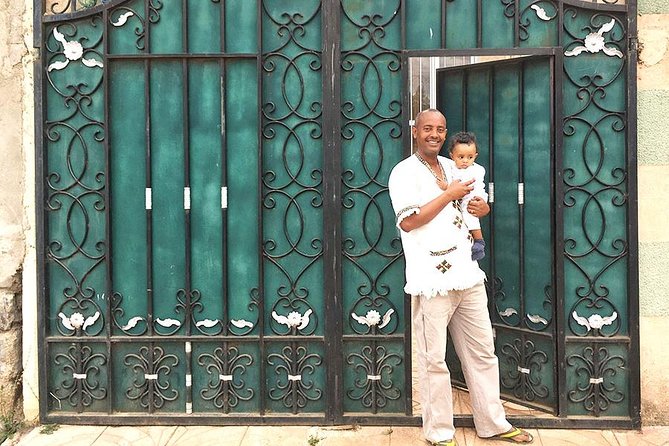
- Who You’ll Meet: Daniel Ademe Tirfe and Tigist
- How the Start Usually Works: Market to Kitchen
- Tigist’s Injera Lesson: Fermentation, Pouring, and Patience
- Choosing Your Dish: Shiro or Tibs (and Sometimes More)
- Coffee Ceremony Time: Fresh Beans, Real Ritual
- What You Actually Eat (Lunch or Dinner Options)
- Included vs. Not Included: Where the $116 Goes
- Logistics That Can Make or Break the Day
- Is This Ethiopia Food Tour Worth Booking?
- FAQ
- How long is the cooking class and coffee ceremony?
- Where does the tour take place?
- Is hotel pickup or drop-off included?
- Do I need to be experienced in cooking to enjoy this?
- What dishes might I learn to cook?
- Can I choose lunch or dinner?
- Is there a vegetarian option?
- Are dietary restrictions and allergies accommodated?
- What’s included in the price?
- Should You Book This Addis Ababa Cooking Class?
Key Points You’ll Care About
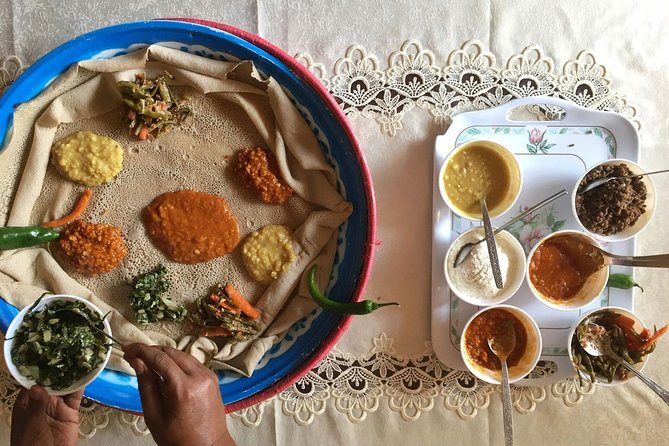
- A home-kitchen cooking class led by Daniel Ademe Tirfe and Tigist, not a commercial studio
- Injera technique focused on getting the pouring and cooking right
- Hand-roasted coffee as part of a full Ethiopian coffee ceremony
- Menu flexes by season, with options like shiro or tibs depending on what’s available
- Vegetarian option available if you request it when booking
A Real Addis Ababa Home Kitchen (Not a Show)
If your idea of a great food day is hands-on cooking plus honest conversation, this is a strong match. You’re not eating Ethiopian food somewhere loud and generic; you’re learning it where the routine happens. That matters in Addis Ababa, because Ethiopian cuisine is tied to daily rhythms—fermentation, spice choices, and patience with staples like injera.
The format is also refreshingly straightforward. You’ll spend time with Tigist in the kitchen, then transition into coffee with Daniel’s household hosting. It’s a simple arc: cook, eat, sip. And because it’s private (your group only), you can ask questions without feeling like you’re working around a crowd.
You can also read our reviews of more tours and experiences in Addis Ababa.
Who You’ll Meet: Daniel Ademe Tirfe and Tigist
The heart of the experience is the couple hosting you—Daniel Ademe Tirfe and Tigist—along with their family home atmosphere. Their place sits on the outskirts of Addis Ababa, in a neighborhood that’s calmer and greener than the central parts of the city that tourists usually target. The home itself is described as clean, comfortable, and lived-in, decorated with photos of their three boys.
If you go in the evening or on a weekend, you may get the chance to meet the kids too. That can turn the evening into more than cooking instruction—it becomes a chance to hear how people live, what they value, and what food means in a family context.
How the Start Usually Works: Market to Kitchen
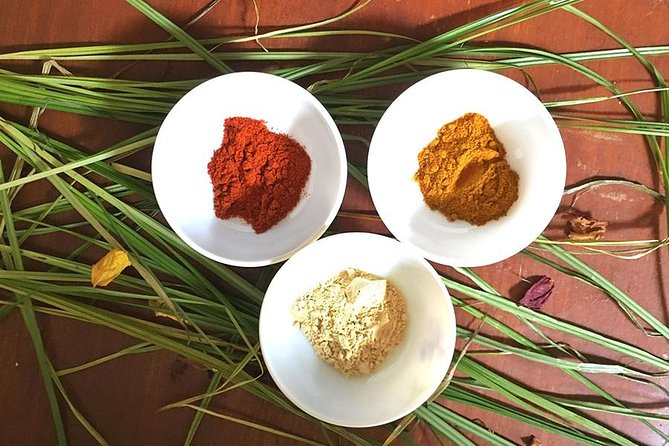
Food days in Ethiopia make a lot more sense when you see where ingredients come from. On this experience, you may start with a stop at a local market en route, where Daniel helps you pick up items they’ll use and you can talk herbs and spices along the way.
This part is valuable even if you’re not a hardcore foodie. Market time helps you understand how flexible Ethiopian cooking can be: a dish can change slightly depending on what’s fresh, what’s seasonal, and what the family already has on hand. And it sets you up for the cooking step, because you’re not just following motions—you’re connecting spices to their purpose.
Practical note: your meeting point is listed as an unnamed road in Addis Ababa, and end back at the meeting point. Since pickup and drop-off aren’t included, plan to arrive on time and confirm the exact location so you’re not standing around.
Tigist’s Injera Lesson: Fermentation, Pouring, and Patience
Injera is the headline dish for a reason. It’s fermented, it’s foundational, and it’s also one of the trickiest Ethiopian staples to get right if you’ve only had it in restaurants.
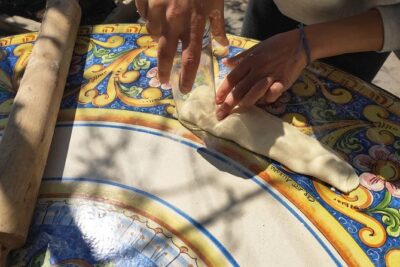
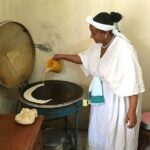
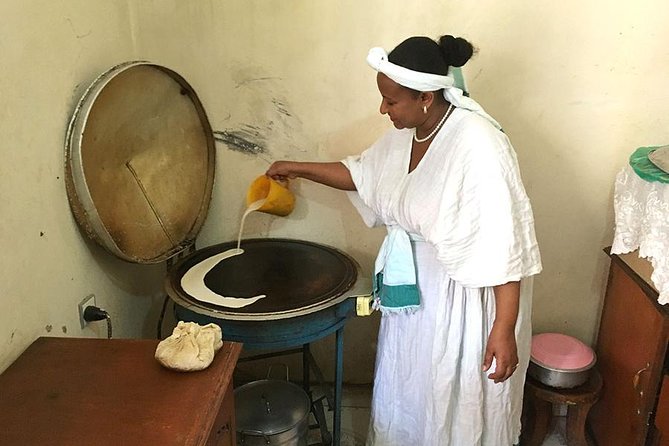
During the class (about two hours), Tigist guides you through the process and focuses on technique—especially the pouring and cooking steps. You’ll learn how injera comes together on the cooking surface, and you’ll get a feel for what to watch for as it cooks.
I like that the instruction is practical. Instead of treating injera like a mystery food, the class breaks it down into what you do with your hands and what you look for as it transforms. Even if your first attempt is imperfect, you’ll leave with a clearer sense of how injera is supposed to behave.
Also, remember that injera isn’t just something you eat alongside stew. It’s the base that carries flavor, and it shapes how you build each bite.
Choosing Your Dish: Shiro or Tibs (and Sometimes More)
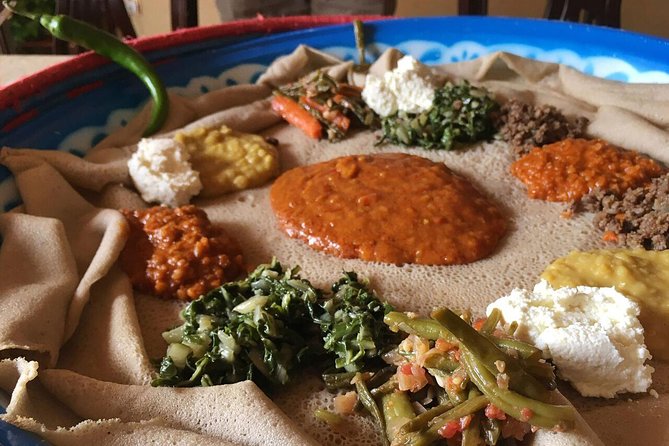
After injera, the class typically includes another dish. Depending on what’s available and what you prefer, you might make shiro (a chickpea or broad bean stew) or tibs (stir-fried meat with vegetables and spices).
Either way, you’ll learn how Ethiopian seasoning works in real time—how spices pair with the main ingredient, and how the cooking approach affects the final flavor and texture. If you’re picky about taste, this is a great moment to ask questions and adjust to what you like.
There’s also an option to add an extra dish. If you want to learn a second recipe, you include that in the booking notes. Just be aware it can extend the cooking time, so plan your day with breathing room.
Vegetarian options are available too. If you’re booking with vegetarian dietary needs, request it when you book so the menu can be adjusted.
Coffee Ceremony Time: Fresh Beans, Real Ritual
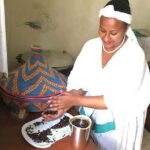
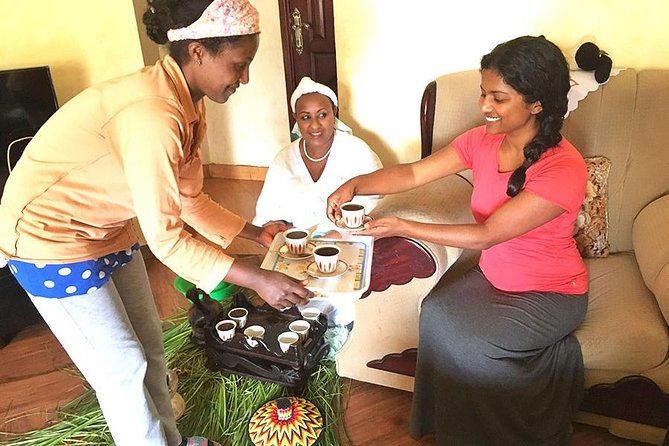
After the cooking, the experience shifts into coffee ceremony mode. You’ll get the chance to roast coffee beans and then take part in the coffee ceremony as part of the household’s tradition.
Coffee in Ethiopia isn’t just a drink—it’s a ritual with steps and timing. In this experience, you’re not stuck watching from across a room. You learn the process starting from roasting, and then you’re part of the serving and ritual flow afterward.
One practical upside: if coffee is a priority for you, this is a direct way to connect the drink to its source. You don’t need to be a coffee expert; you just need curiosity and a willingness to follow along.
What You Actually Eat (Lunch or Dinner Options)
Your meal comes as part of the hosting experience. You’ll have the cooking class meal with Daniel in his home, and beverages are included.
The schedule is flexible by choice. You can book a lunch or dinner tour depending on what fits your day in Addis Ababa. That matters because an evening session can feel different—more conversation time, and potentially more chance to meet family members at home.
Menus can vary by season. That’s normal for cooking in a real household. If you have dietary restrictions beyond vegetarian needs, advise the provider at booking so the plan can work for you.
Included vs. Not Included: Where the $116 Goes
At $116 per person for about three hours, you’re paying for a few specific things:
- A private, personalized class in a home setting
- Cooking instruction with the hosts, including injera technique
- A meal you cook and eat with them
- Beverages
- Taxes, fees, and handling charges
- Gratuities (not something you’ll have to budget separately)
What’s not included is hotel pickup and drop-off. That can be a deal-breaker only if you’re staying far from the meeting area or hate coordinating local transport. But if you’re comfortable using local taxis or public transport, it’s manageable.
You might also see group discounts depending on how the booking is set up. In general, this kind of home experience often feels more like value when you’re going as a small group rather than a single person trying to “buy” time with a couple.
Logistics That Can Make or Break the Day
A home-based tour sounds simple, but small logistics matter. Here are the points that keep things smooth:
- Bring a plan for getting there. Pickup and drop-off aren’t included, and you’ll start and end at the meeting point.
- Confirm your exact start location. The start point is listed as an unnamed road. If the meeting spot seems unclear once you receive details, ask right away so you don’t waste time crossing town.
- Communicate dietary needs. Vegetarian options exist, and you should flag allergies, restrictions, or cooking preferences at booking.
- Expect an authentic pace. This isn’t a commercial class. It’s about learning how a family cooks, eats, and hosts. That means you shouldn’t expect a rigid script or a factory-like “demo then done” flow.
One more comfort note: the home is described as clean and comfortable. That’s important for enjoying the experience instead of worrying about the surroundings while you cook.
Is This Ethiopia Food Tour Worth Booking?
If you want one standout food moment in Addis Ababa, I’d put this at the top of the list—especially if you care about technique. The injera focus isn’t just eating; it’s learning how injera is made, and the coffee ceremony includes hands-on roasting, not just a quick pour.
That said, it’s not a fit for everyone. If you want a highly packaged, easy-to-schedule experience with guaranteed pickup and zero coordination, this may feel slightly more work than larger tours. The upside is that the experience stays personal and real.
FAQ
How long is the cooking class and coffee ceremony?
The experience is about 3 hours total. The cooking class portion is about 2 hours, with the coffee ceremony and meal included within the overall time.
Where does the tour take place?
The class happens in the hosts’ home kitchen in Addis Ababa, in the outskirts area. The experience starts at a listed meeting point and ends back there.
Is hotel pickup or drop-off included?
No. Hotel pickup and drop-off aren’t included.
Do I need to be experienced in cooking to enjoy this?
No cooking experience is required based on the description. You’ll be taught injera technique and how to make dishes like shiro or tibs.
What dishes might I learn to cook?
You might learn injera and then additional dishes such as shiro (chickpea or broad bean stew) or tibs (stir-fried meat with vegetables and spices). The menu can vary by season.
Can I choose lunch or dinner?
Yes. You can pick a lunch or dinner tour to match your schedule.
Is there a vegetarian option?
Yes. A vegetarian option is available, and you should advise the provider at booking.
Are dietary restrictions and allergies accommodated?
You can advise dietary restrictions, allergies, or cooking preferences at booking so the menu can be adjusted.
What’s included in the price?
The price includes the private cooking class and meal with your host, beverages, all taxes/fees/handling charges, and gratuities.
Should You Book This Addis Ababa Cooking Class?
Book it if you want a true home-based Ethiopian food experience: injera technique with Tigist, plus a coffee ceremony that includes roasting with the hosts. It’s also a great choice for couples or small groups who don’t mind handling local meeting logistics in exchange for a more personal day.
Skip it if you strongly need hotel pickup and predictable, minimal coordination. If that’s you, consider a tour with included transport. Otherwise, this one is hard to beat for learning the food behind the flavors of Addis Ababa.