REVIEW · ROME
Rome: Traditional Cooking Class in the Jewish Ghetto
Book on GetYourGuide →Operated by Gourmetaly - for food lovers only · Bookable on GetYourGuide
Dough turns into dinner in the Jewish Ghetto. I love the hands-on Roman pasta focus and the way the host ties food to the district’s real-life stories, not just facts on a sign. One drawback to note: it’s meant to be fun and practical, not an academic cooking seminar, and the class is mostly about pasta and seasonal sides.
You start at Taverna del Ghetto, where the chef takes over and you work in a real restaurant kitchen with a small crew. The night ends with the showpiece dessert torta di ricotta e visciola, plus recipes and tips you can actually use after you’re back in your own kitchen.
In This Review
- Key highlights you’ll care about
- Meeting at Taverna del Ghetto: the neighborhood sets the mood
- Pasta from scratch in a real kitchen (the part you’ll remember)
- A quick note on gluten and dietary comfort
- Seasonal vegetables: the Roman Jewish-style difference
- Expect allergens and plan accordingly
- The evening flow: from dough to doughy confidence to a shared table
- Dessert finish: torta di ricotta e visciola
- Price and value: what $94 buys you in Rome
- A consideration before you book
- Who this cooking class suits best (and who should skip it)
- What to do with your recipes when you get home
- Should you book this Rome Jewish Ghetto pasta class?
- FAQ
- How long is the Rome Jewish Ghetto traditional cooking class?
- What is the price per person?
- Where do I meet the guide?
- Is the experience kosher?
- Is the pasta gluten-free?
- Are vegetarians or vegans welcome?
- What allergens should I be aware of?
- Is it wheelchair accessible?
Key highlights you’ll care about
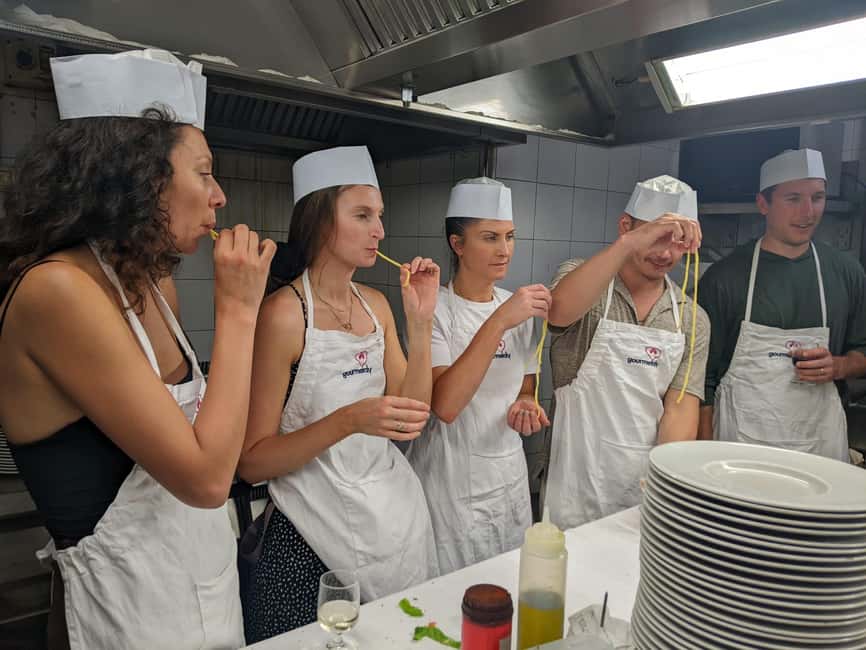
- Fresh pasta from scratch with a clear, step-by-step flow and hands-on time
- Jewish Ghetto food stories that explain why Roman-Italian tastes developed the way they did
- Seasonal cooking lessons like winter artichokes or summer zucchini flowers for fritto romano
- A full 3-course meal with wine that you help make, not just watch and snack
- Small group size (up to 10) so questions don’t disappear into the noise
- Take-home recipes and local recommendations for what to try next in Rome
Meeting at Taverna del Ghetto: the neighborhood sets the mood
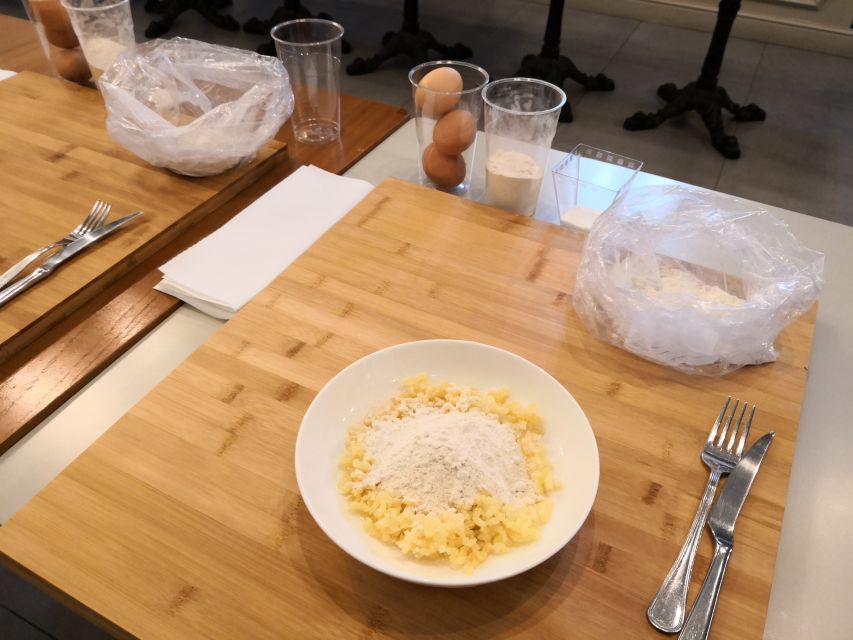
This class puts you right in the Jewish Quarter around Restaurant Taverna del Ghetto. That matters, because the experience isn’t only about food technique. It’s also about being in the place where the traditions and tastes belong.
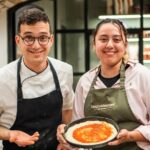
You meet outside the restaurant door, then your foodie guide brings you in and gets the evening moving. Expect a relaxed walk-through of the neighborhood’s context, including legends and history around the Jewish district and its unique food style. In past sessions, guides like Clelia, Lilli, and Elisa (plus English support such as Azia/Asia) are praised for keeping the tone friendly and the explanations clear.
One practical perk: you’re not jumping straight into work. You get a short mental setup. You’ll taste more, understand more, and waste less time guessing what’s happening.
You can also read our reviews of more tours and experiences in Rome.

Pasta from scratch in a real kitchen (the part you’ll remember)
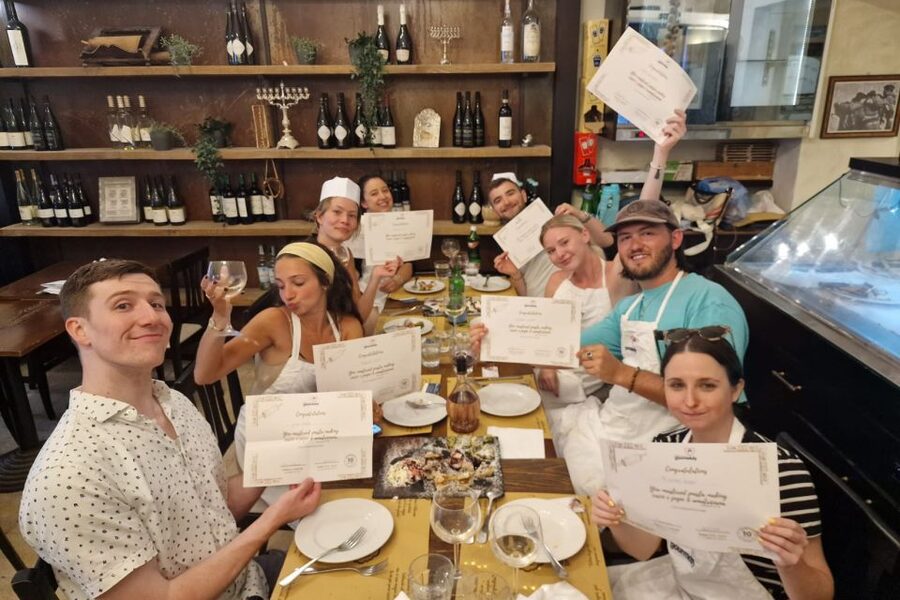
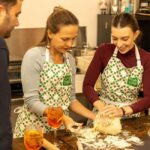
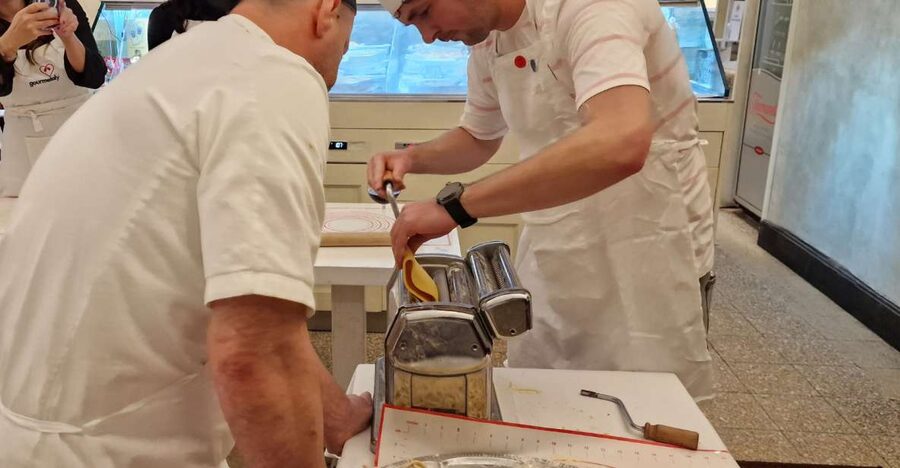
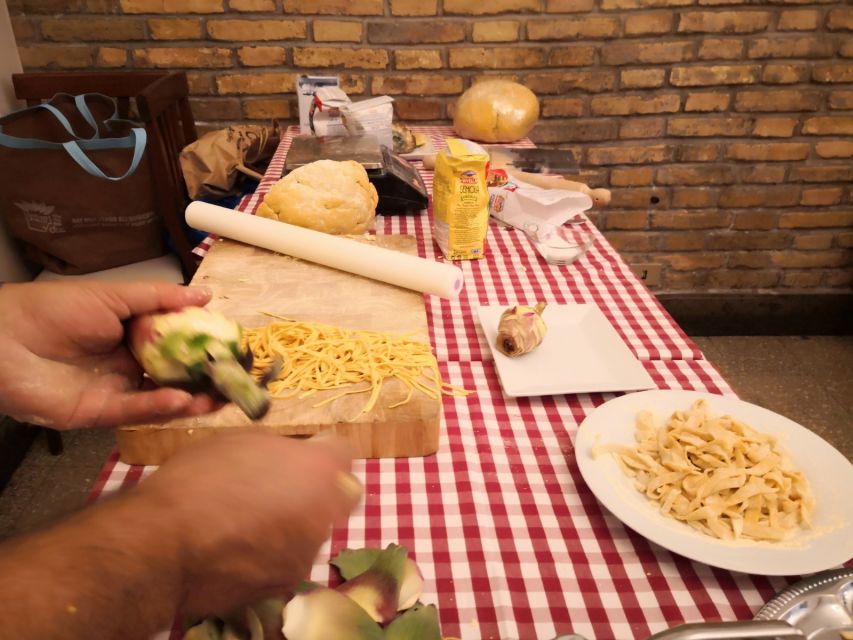
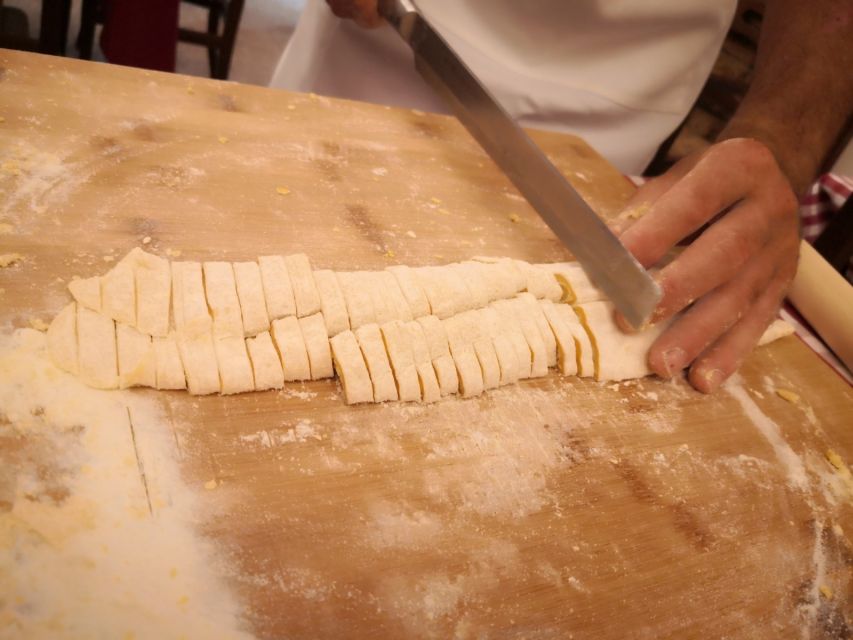
The heart of the evening is making homemade pasta. You’ll be guided through mixing, shaping, and working the dough into something you’ll actually eat soon. This is the kind of cooking where your hands learn fast, because the steps are repeated and adjusted while you’re doing them.
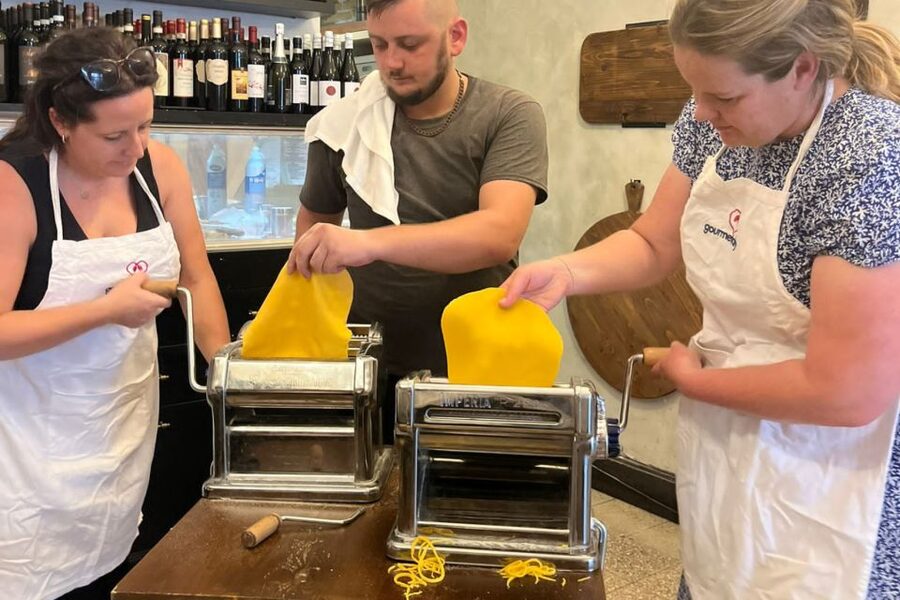
In several classes, people talk about using an old crank machine-style setup for rolling the dough. Even if your pasta doesn’t come out like a museum exhibit, that’s the point. You’re learning how the dough should feel, how it behaves, and what to look for so you can repeat it later.
You’ll also hear about Roman pasta culture through technique. That’s where a good chef earns their keep: they don’t just move you from station to station. They fix small problems in real time. Reviews specifically mention chefs like Gabriel and praise how they check on participants and guide them while the cooking is happening.
If you want a lighter role, you can usually choose to watch more than you cook. Still, the class is clearly built to be hands-on, and most people get the most value when they lean in and get flour on their sleeves.
A quick note on gluten and dietary comfort
This is not a gluten-free class. However, the information provided says packaged gluten-free pasta can be offered if you can handle touching flour. If gluten is a serious medical issue, confirm with the provider before you go, because the class environment can include gluten-containing ingredients and allergens.
Seasonal vegetables: the Roman Jewish-style difference
Rome cooking changes with the season, and this class leans into that. You’ll prepare seasonal vegetables and learn how they fit into a Roman meal style shaped by local tradition.
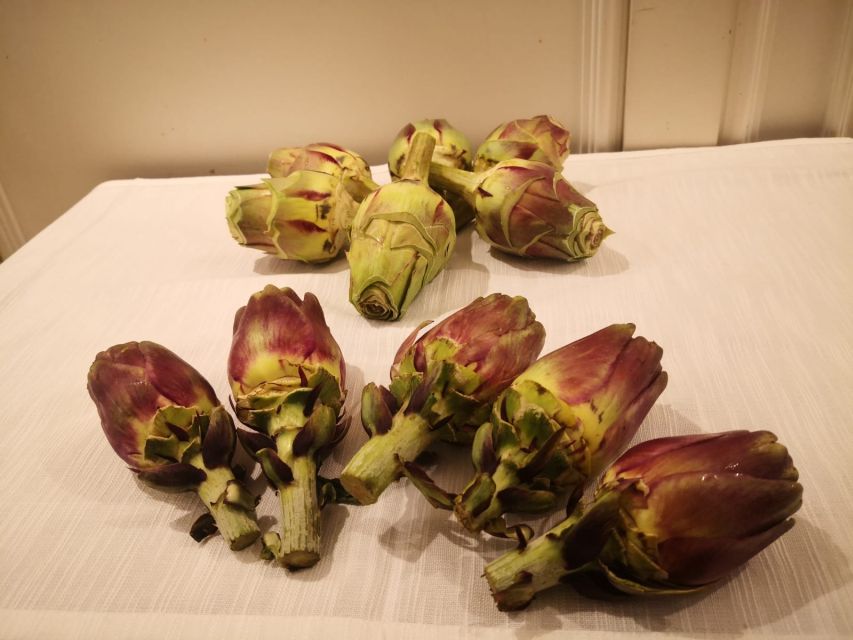
In winter, you might learn the hands-on detail of peeling artichokes to be cooked in a Jewish-style approach. People mention the artichoke prep as a highlight because it’s tactile and practical, not “just chop it and move on.”
In summer, the focus can shift to zucchini flowers, used for a fritto romano style preparation. This is another place where you learn why local dishes taste the way they do: the vegetables are fresh, and the method respects what they bring to the table.
There’s also a broader theme: seasonal cooking is a shortcut to flavor. Instead of relying on heavy sauces or complicated steps, you’re working with ingredients at their peak.
Expect allergens and plan accordingly
Allergens that can be present in tastings include milk, eggs, soya, mustard, nuts, and gluten. If you have allergies, don’t guess. Ask what’s in each part of the meal before you commit to eating.



The evening flow: from dough to doughy confidence to a shared table
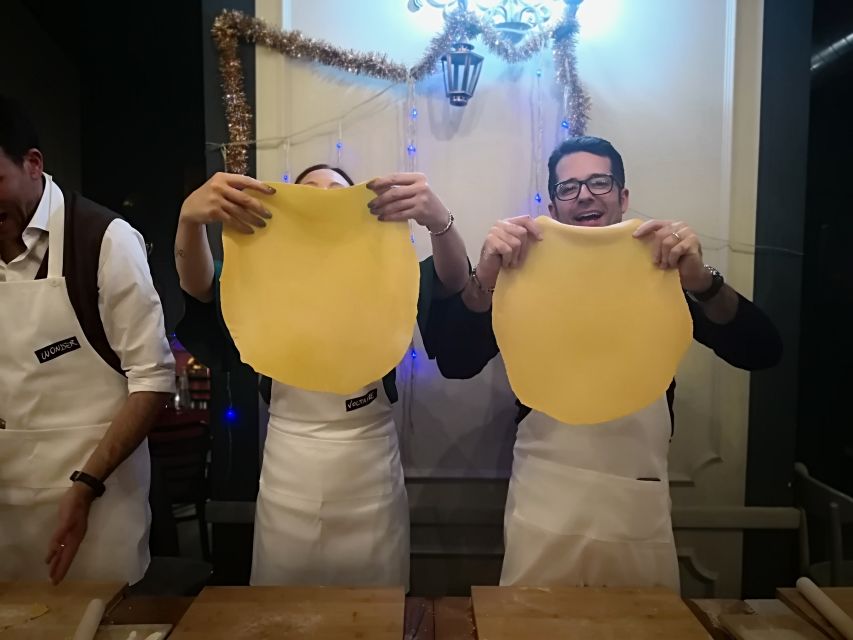
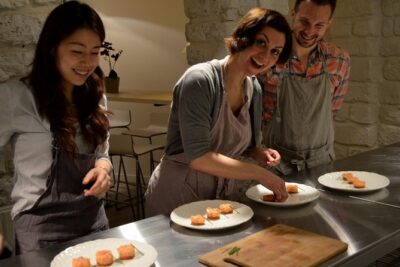
The class is structured around a 3-course Roman menu, and it moves at a good pace for a 3-hour experience. You’re not stuck standing in one spot for half the night. You cook, you eat, you taste, and you get a sense of how the dishes connect.
Here’s how it typically feels, step by step:
- Start with pasta dough and learn how to work it properly
- Prep seasonal vegetable components (artichokes in winter, zucchini flowers in summer, depending on timing)
- Taste as you go and get adjustments from the chef and host
- Finish with a sit-down meal that includes the pasta you made plus a seasonal main and dessert
Some reviews mention the chef sharing techniques for Roman favorites like cacio e pepe, and the overall approach is the same: learn the method behind the flavor, not just the final plate.
One of the nicest surprises for many people is that you’re not stuck in a classroom-like setup. Reviews say the kitchen access can be real, and in some cases you get into the working kitchen after service. That gives you a more authentic sense of how a restaurant dinner actually comes together.
Dessert finish: torta di ricotta e visciola
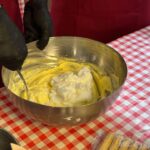
If you’re expecting a sweet ending, you’ll like this part. The class wraps up with torta di ricotta e visciola, described as a well-known ricotta cheesecake made with simple ingredients.
What makes this dessert especially good for learning value is that it’s not just frosting and fluff. It’s a “why it works” dessert: ricotta gives a soft, mild base; the flavor balance comes from the other elements.
Some sessions are described as having dessert served in a flight or multiple options. Either way, the takeaway is the same: you end with something distinctly Roman-Jewish in character, not a generic Italy dessert template.
And yes, wine is part of the included experience. Depending on the night, people report it can feel generous, but it’s always included as Italian wine and bottled water.
Price and value: what $94 buys you in Rome
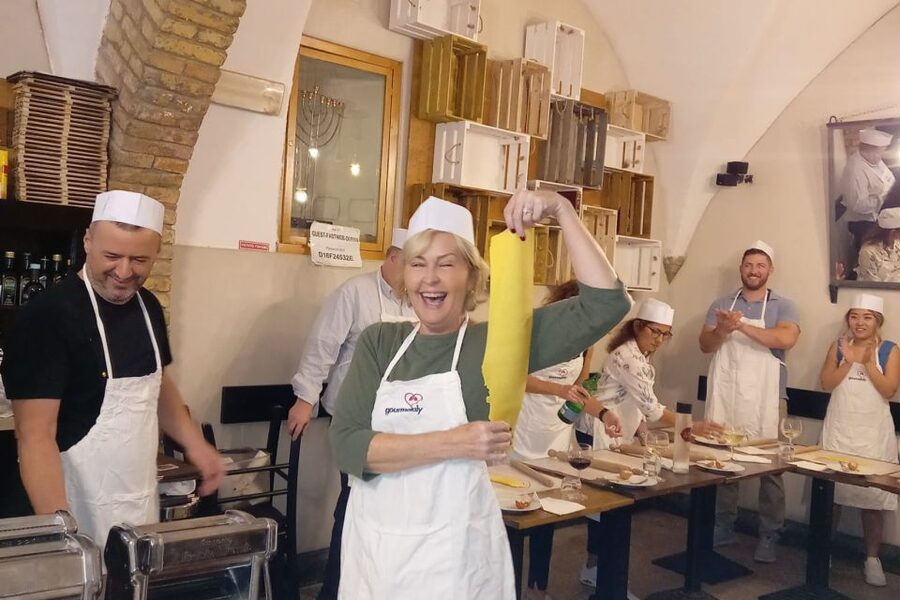
At $94 per person for about 3 hours, this isn’t the cheapest thing you’ll do in Rome. The value comes from what’s included: a real 3-course meal that includes the pasta you made, Italian wine, equipment, and take-home recipes.
This is also a small-group experience, limited to 10 participants. That size changes everything. You’re more likely to get feedback from the chef, and you’ll have time to ask questions. If you’ve done bigger cooking classes, you know the frustration: you end up cooking the same step as everyone else while the instructor handles a crowd.
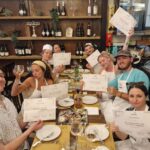
Here, the experience leans toward quality and interaction. That’s why so many reviews hit the same themes: a warm host, an engaged chef, and a social dinner that feels like being invited into a family-style kitchen.
A consideration before you book
One review note that the time and price can feel light if you want more variety beyond pasta and a couple dishes. Another says frying could be slightly less hands-on for their preference. Translation: if you’re the type who wants five separate recipes and intensive technique for each, you might want a different style of class.
But if you want to leave with confidence to repeat a Roman pasta menu and you like the idea of seasonal produce lessons, it’s a strong match.
Who this cooking class suits best (and who should skip it)
This class is generally a good fit if you:
- Want an authentic Rome food evening that isn’t another museum stop
- Like hands-on cooking with real restaurant-kitchen access
- Enjoy learning how dishes connect to a specific neighborhood’s story
- Travel with kids who will enjoy the interactive, laughter-friendly vibe (many families rate it a highlight)
The information also says it’s suitable for everyone, and vegetarian and vegan people are welcome. One review specifically praised the team’s accommodating approach for vegetarian and vegan needs, with participants still getting to enjoy the meal.
It’s not suitable for wheelchair users, based on the provided details. Also, the restaurant is not kosher, and it’s specifically stated the class is not kosher.
What to do with your recipes when you get home
A lot of cooking classes fail at the “take it home” part. This one includes recipes at the end, plus a list of tips and recommendations for your following days in Rome.
That last bit is surprisingly useful. It turns your evening into a bridge to the rest of your trip. You’ll also know what to look for in Roman food shops and markets because you tasted the ingredients and learned what matters in the process.
If you’re food-minded, this is one of those experiences that makes the next dinner in Rome feel more informed. You’ll notice texture in pasta, and you’ll remember why seasonal produce hits harder than out-of-season substitutes.
Should you book this Rome Jewish Ghetto pasta class?
Yes, if you want a small-group evening that mixes fresh pasta from scratch, neighborhood context, and a real 3-course meal with wine. It’s especially worth it when you like interactive cooking, seasonal Roman ingredients, and a warm chef-host style where your questions get answered.
Skip it if you need a very academic, multi-recipe program, or if you require kosher food. Also think twice if gluten-free needs are medical and strict, since the class itself isn’t gluten-free and the environment includes gluten-containing ingredients.
If you’re aiming for one memorable “Rome dinner night” that feels local and practical, this class is a strong choice.
FAQ
How long is the Rome Jewish Ghetto traditional cooking class?
It lasts 3 hours.
What is the price per person?
The price is listed as $94 per person.
Where do I meet the guide?
You meet your foodie guide at Restaurant Taverna del Ghetto, outside the door.
Is the experience kosher?
No. The class is not kosher, and the restaurant is also not kosher.
Is the pasta gluten-free?
The class is not gluten-free. The information says packaged gluten-free pasta may be available if you can handle touching flour, but the overall class setup is not gluten-free.
Are vegetarians or vegans welcome?
Yes. The information provided says vegetarian and vegan people are welcome, and the team has accommodating options in practice.
What allergens should I be aware of?
Allergens that can be present in tastings include milk, eggs, soya, mustard, nuts, and gluten.
Is it wheelchair accessible?
No. It is not suitable for wheelchair users.