REVIEW · PARIS
Paris: Full-Day Cooking Class, Market Tour and Lunch
Book on GetYourGuide →Operated by Le Foodist · Bookable on GetYourGuide
Paris food lessons should include a market walk. That is exactly what makes this class work: you buy ingredients locally, cook them using classic French technique, then sit down to eat a full lunch with wine, cheese, and stories from a native French guide. It all happens in the Latin Quarter area, with a small group size that keeps the day personal rather than assembly-line.
I especially love the small group setup (about 3 to 7 people), which means your questions actually get answered while you’re chopping and stirring. I also like that the class is practical: you learn menu planning and what you can prep in advance, then you cook an appetizer, a main, and a dessert using techniques like ice cream and wine sauce.
One thing to keep in mind: the market time is part of the schedule, so if you want lots of free wandering or shopping time on your own, you might wish you had more.
In This Review
- Key Takeaways
- Where Your French Cooking Day Starts: Le Foodist and the Latin Quarter Market
- 9:00 Check-In: Croissant, Coffee, Tea, and a Small Group That Actually Fits
- Picking Ingredients and Building the Menu: What Happens After the Market
- Hands-On Kitchen Time: Classic French Technique in Real-World Steps
- Lunch at Around 15:00: Wine, Cheese, and the Joy of Sitting Down
- What You Get to Take Home: English Recipes and Reproducible Skills
- Price and Value: Is $258 Worth It for Six Hours in Paris?
- Who This French Cooking Class Fits Best (and Who Should Rethink It)
- Should You Book This Paris Market Tour and Cooking Class?
- FAQ
- FAQ
- How long is the cooking class and market tour?
- Where do I meet for the experience?
- How many people are in the class?
- What do we cook and eat?
- Do I get recipes to take home?
- Is the class taught in English?
- Are kids allowed?
- What if I have dietary restrictions?
- What happens if the class doesn’t run due to low sign-up numbers?
- Is wine included during the day?
Key Takeaways
- Latin Quarter market + cooking class in one day so your ingredients and techniques connect
- Small group (3 to 7) for hands-on help and a friendlier pace
- Classic French techniques built into a real menu (appetizer, main, dessert)
- Wine and cheese lunch that feels like sitting down to a Paris meal, not ending with a snack
- English recipes in hard copy and digital form so you can cook again at home
Where Your French Cooking Day Starts: Le Foodist and the Latin Quarter Market
The best part of this experience is also the easiest to underestimate: you start with food before you start cooking it. You meet at Le Foodist, 59 rue Cardinal Lemoine, 75005 Paris, and from there you’re in the Latin Quarter area with that classic Paris feel of sidewalk cafes, close-packed streets, and vendors setting up for the day.
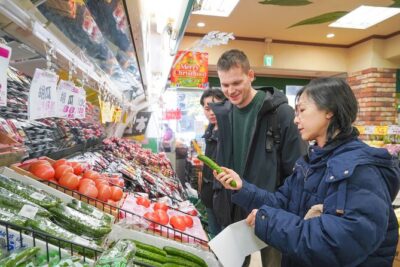
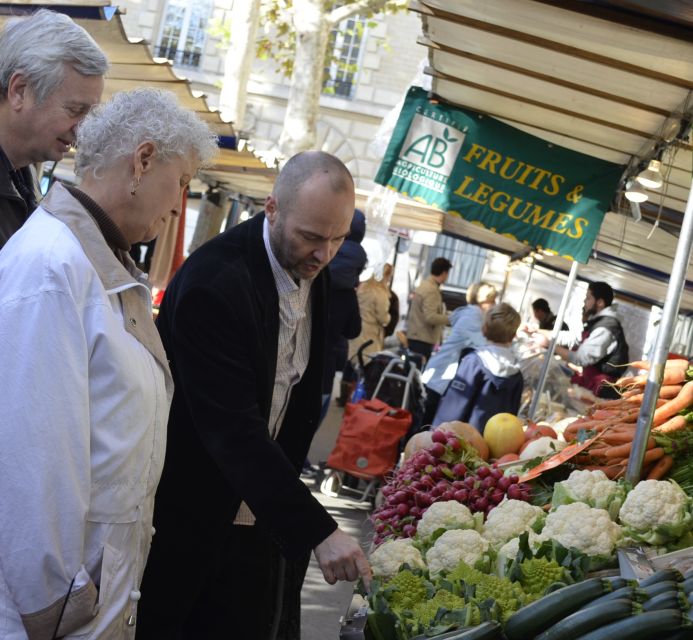
Then you head out to a local open-air market to select ingredients. This matters because French technique isn’t just about following steps. It’s about choosing the right produce, seafood, dairy, and pantry basics so your food tastes like it belongs in France. In reviews, people consistently point to the market as a standout part of the value, not a warm-up you can skip.
Also, you’re not just standing in front of stalls. You’re learning what to look for. That includes how to pick quality ingredients and how sourcing ties into flavor. One reviewer described it as a revelation if you’re used to supermarket choices, and that’s the right expectation here: your taste buds learn fast when you’re selecting the ingredients yourself.
You can also read our reviews of more tours and experiences in Paris.
9:00 Check-In: Croissant, Coffee, Tea, and a Small Group That Actually Fits
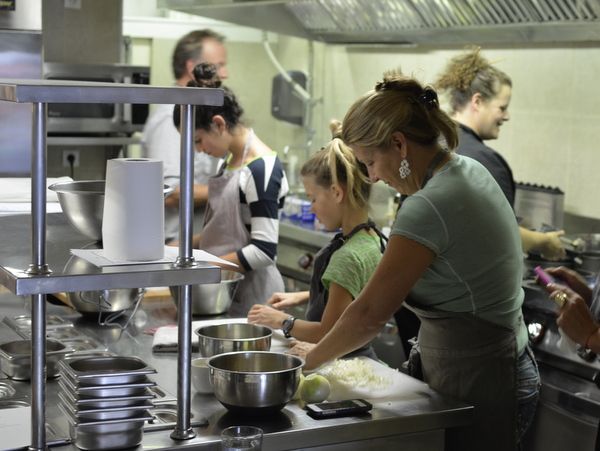
You’re welcomed at 09:00 with croissant, coffee, and tea. It’s a simple start, but it sets the tone. You get to settle in, meet the people you’ll cook with, and get comfortable before the market walk.
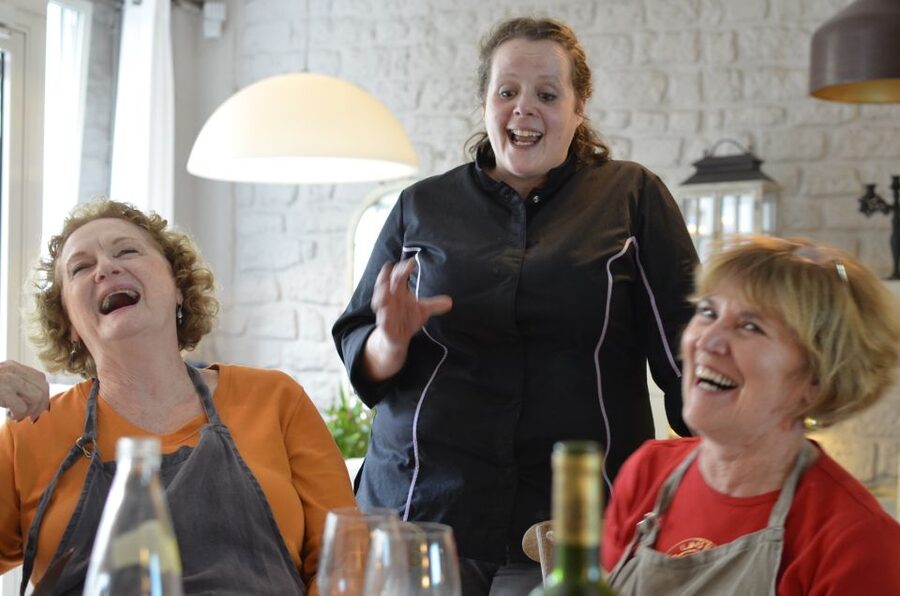
The class is typically limited to 3 to 7 people, which is a big deal for two reasons. First, you’ll be able to work at a station without feeling lost. Second, your English-speaking instructor can give you specific feedback while you’re actively cooking. In reviews, the chefs are repeatedly praised for being humorous and engaging while still giving clear guidance.
You’ll also notice this is a conversational kind of class. You’re cooking, yes, but you’re also hearing food stories and culture. One consistent theme in the feedback: you’re being taught by a convivial Frenchman who can explain how French food thinking works, not just what to do with your hands.
Picking Ingredients and Building the Menu: What Happens After the Market
After the market visit, you head back to the school. The schedule has you back around 10:30, and that timing is smart: you’re not cooking later when everything has gone stale. Your menu gets built based on what you found at the market.
Here’s what you should expect to cook:
- An appetizer
- A main course
- A dessert
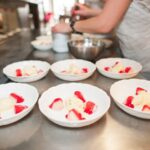
…and the day is designed around classic French techniques. The menu includes examples like ice cream and wine sauce, which are excellent choices because they show up in French cooking all the time.
You’re also taught how to plan a meal and how to think ahead. That can mean learning what can be prepared in advance, and how to time steps so you’re not panicking halfway through service-like pacing. Even if you’re not a confident cook, this part helps you translate the class into something you can repeat later.
A small but meaningful detail: the kitchen workflow matters. One review mentioned starting with skills like knife sharpening and repeated reminders like hand-washing during prep. Those aren’t flashy tips, but they’re real kitchen habits that help your food taste better and your process feel smoother.
Hands-On Kitchen Time: Classic French Technique in Real-World Steps
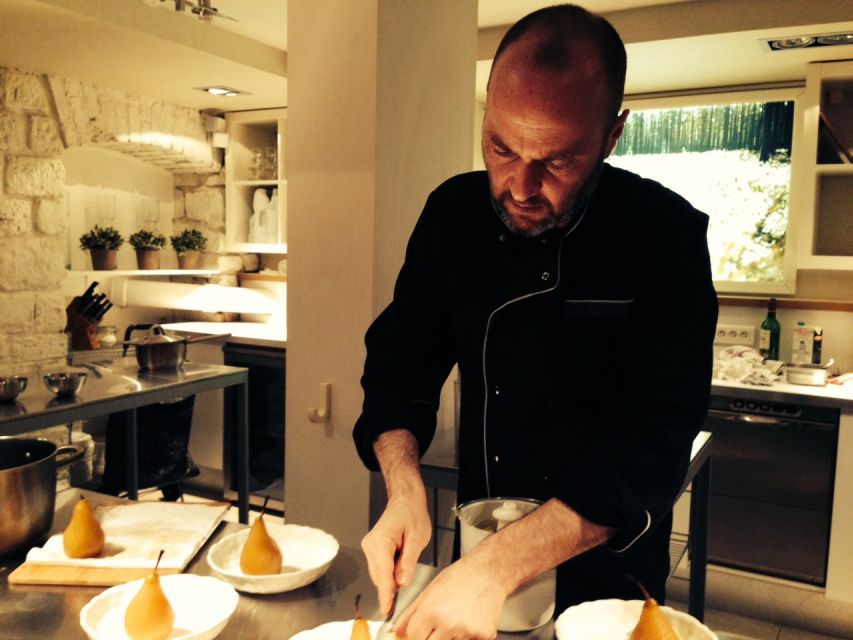
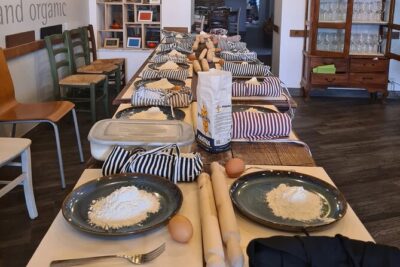
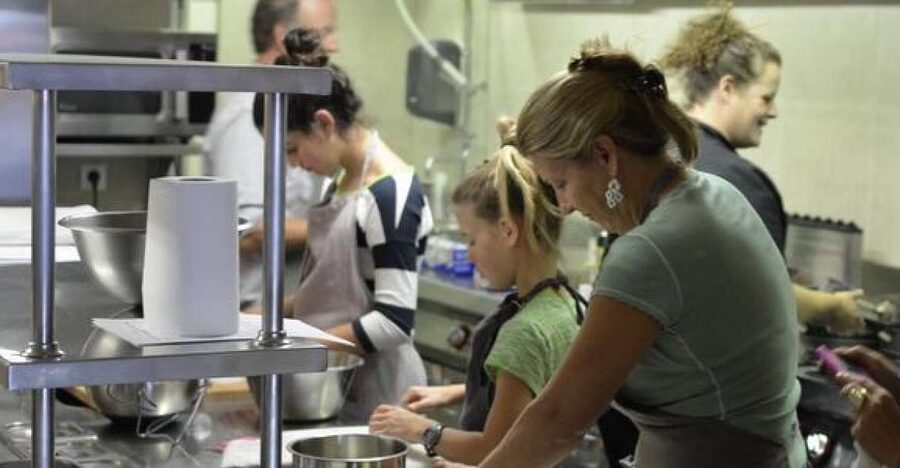
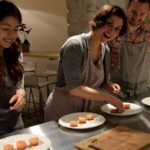
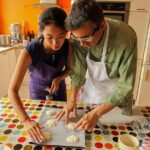
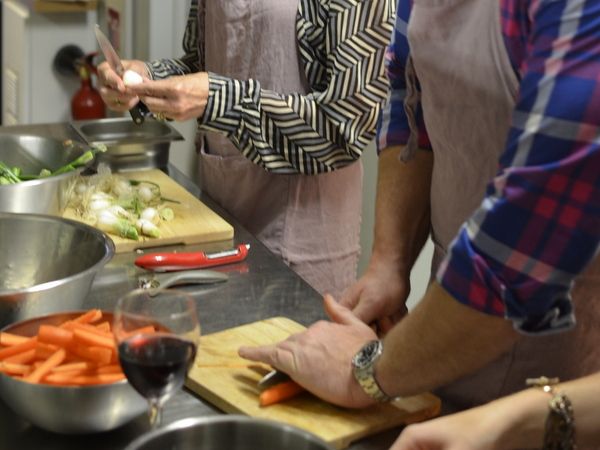
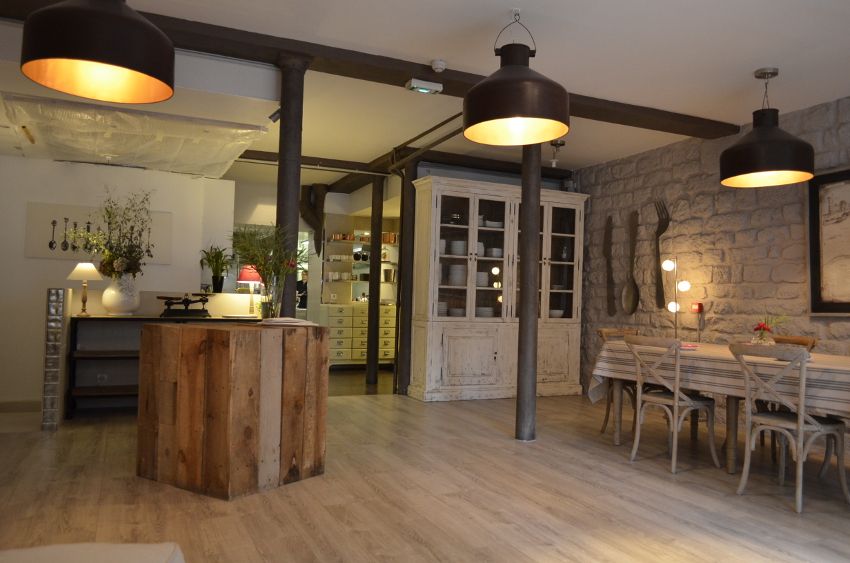
Once you’re back at the school, the cooking portion is about two hours of hands-on work. You’ll use the cooking equipment and you’re provided with an apron. The kitchen itself gets described as clean and well equipped in reviews, which matters when you’re working with sauces, dairy, and desserts.
This is not a lecture-first class. You’re learning by doing: tasting, adjusting, and following technique. Reviews repeatedly call out how clear and step-by-step the instruction is, with chefs like Luke, Fred/Frederick, Luc, and Paulo showing up in different class instances. The common thread is the same: you get guidance you can actually use in your own kitchen.
A couple of technique themes you’ll likely appreciate:
- You learn how to build flavor through classic processes, not shortcuts.
- You get a sense for timing, especially when a sauce or dessert needs patience.
- You work with a team. Since it’s small group size, you’re not watching other people cook while you wait your turn.
Also, you’re not just cooking in silence. Around the cooking time, you’re offered a glass of wine or two as part of the meal experience. One reviewer who doesn’t drink much said it wasn’t overly wine-centered, which is worth taking seriously: the class is about food first, with wine as a supporting cast.
Lunch at Around 15:00: Wine, Cheese, and the Joy of Sitting Down
After the cooking, it’s time to eat what you made. Lunch happens after about 2 hours of cooking, and the schedule places you sitting down with food paired with red and white wines. You’ll also have generous cheese as part of the meal.
You should also expect a lively table. Reviews mention a native French host telling culinary stories and sharing how French food connects to culture. Often, people highlight small details like a mini lesson on local cheeses. Even if you’re not a cheese expert, you’ll come away with a better instinct for what different cheeses are about and how they fit on a French table.
The vibe here is important: lunch usually finishes at about 15:00, and nobody is rushing you out the door. You’re not being pushed onto the next tour. Instead, you get time to eat, chat, and enjoy the result of your work.
If you’re the type of traveler who hates “activity fatigue,” this helps. You get a full day experience without the sense that you’re constantly moving.

What You Get to Take Home: English Recipes and Reproducible Skills
One of the best value points is that you leave with materials you can use. You get both:
- a hard copy of recipes
- an electronic copy (in English)
That sounds basic, but it’s actually one of the main reasons to choose a class like this over a cooking demo. If you want to cook again after the trip, you need written guidance. The fact that it’s in English helps a lot, especially for dessert and sauce steps where tiny differences can matter.
Reviews also repeatedly mention that the recipes are meant to be replicable at home, not just proof that someone cooked in Paris once. You’ll likely learn strategies you can repeat: how to plan a menu, how to time components, and how to think about ingredient quality.
And because the class emphasizes classic techniques, your takeaway isn’t just a single dish. It’s the method. That helps you when you’re not sure what to cook, because you’ll understand how to build a French-style menu rather than memorizing one recipe.
Price and Value: Is $258 Worth It for Six Hours in Paris?
At $258 per person for about 6 hours, this is not a budget activity. But it can be worth it if you compare it to what you’d otherwise spend for:
- a guided market experience
- full meal service with wine and cheese
- hands-on instruction in a real kitchen with included equipment and apron
- written recipes in English you can take home
A big value driver is the small group size. If the class were large, you’d lose some of the personal help and the day would feel more scripted. Instead, you’re more likely to actually participate in each step. That participation is where the money turns into skills you can repeat.
You’re also paying for the market sourcing. One of the biggest “aha” moments for people is realizing how much flavor comes from ingredient choice. If you’re going to shop in Paris anyway, this structure gives you a clear reason to buy the right ingredients and learn how to use them.
Still, I’d be honest: if you’re only interested in eating and not learning technique, you might feel the cost more than the value. This class is best if you want to cook and come away with methods.
Who This French Cooking Class Fits Best (and Who Should Rethink It)
This works well for:
- couples or solo travelers who want a social day without a huge group
- food lovers who enjoy markets and want to learn what to pick and why
- people who like learning through making, not only watching
- travelers who want an English-led class in Paris with practical take-home recipes
It also helps if you’re curious about French culinary culture. Reviews repeatedly praise the chefs and hosts for food stories and culture talk, and the day doesn’t feel like a sterile kitchen session. It feels like a mini slice of Paris life.
A few clear considerations from the tour rules:
- Children under 12 are not permitted.
- If you’re traveling with a family group including children, you should advise in advance so the best solution can be discussed.
- If you have dietary restrictions, you need to notify the team at least 48 hours prior.
One more fit note: wine is part of the experience. If you don’t drink, you should know wine is offered during cooking and included with the meal. The feedback you have shows the experience isn’t meant to be alcohol-heavy, but you’ll still want to be comfortable with wine being present.
Should You Book This Paris Market Tour and Cooking Class?
If you want a Paris experience that mixes shopping, technique, and a real sit-down meal, I’d book it. This isn’t just about tasting French food; it’s about learning how French cooking thinks—through ingredient choice, classic methods, and planning what you can prep ahead.
I’d especially recommend booking if you:
- love markets and want structured guidance
- want a small group class where you’re actively cooking
- value leaving with English recipes you can actually use later
- are happy paying more for less crowding and more hands-on time
I’d reconsider if you:
- hate hands-on cooking and only want to watch
- need lots of unstructured time to wander the market freely
- are traveling with children under 12
FAQ
FAQ
How long is the cooking class and market tour?
It runs for about 6 hours, starting at 09:00 and typically finishing around 15:00.
Where do I meet for the experience?
You meet at Le Foodist, 59 rue Cardinal Lemoine, 75005 Paris.
How many people are in the class?
It’s usually a small group, typically between 3 and 7 people.
What do we cook and eat?
You’ll cook an appetizer, main course, and dessert, using classic French techniques. Lunch includes cheeses and red and white wines.
Do I get recipes to take home?
Yes. You’ll receive both a hard copy and an electronic copy of the recipes in English.
Is the class taught in English?
Yes. The instructor teaches in English.
Are kids allowed?
Children under 12 years old are not permitted.
What if I have dietary restrictions?
You need to advise of dietary restrictions at least 48 hours prior to the class.
What happens if the class doesn’t run due to low sign-up numbers?
The local supplier may cancel if only 2 people or less have signed up. You’ll be offered an alternative date or a full refund.
Is wine included during the day?
Wine is included with the meal, and you’ll also be offered a glass (or possibly more) during the cooking portion.