REVIEW · UBUD
Gianyar Market Visit & Cooking Class in Ubud with Kadek & Putu
Book on Viator →Operated by Traveling Spoon · Bookable on Viator
Market smells plus knives equals learning fast. In Ubud, this cooking class pairs a Gianyar market walk with a hands-on Balinese cooking session in a family compound. I like how the hosts, Kadek and Putu, explain ingredients as you select them, so the recipe makes sense, not just tastes good. I also love the pay-off: you cook from scratch and then sit down to eat what you made, including dessert.
The one thing to consider is that this is timed to a specific 4-hour block, and your hotel pickup only covers places inside Ubud. If you’re staying farther out, plan on an extra transport charge or get closer for the day.
In This Review
- Key things to know before you go
- How Gianyar Market sets up your Balinese cooking
- The private family compound kitchen: where the class really happens
- What you’ll cook: Balinese dishes you can replicate later
- Savory mains and proteins
- Soups and vegetables
- Dessert: black sticky rice or fried banana
- Dietary needs and vegetarian options
- Timing and what the 4 hours feels like
- Meal time: enjoying what you made (and a drink or two)
- Price and value: is $80 a good deal here?
- Who should book this cooking class—and who might skip it
- Tips to get the most out of your day
- Should you book Gianyar Market Visit & Cooking Class with Kadek & Putu?
- FAQ
- FAQ
- How long is the cooking class and market visit?
- What does the tour cost?
- Is pickup included?
- What’s included in the class?
- Is the experience private?
- Can I eat vegetarian?
- Can the menu change?
- Are dietary restrictions or allergies handled?
- What’s the cancellation policy?
Key things to know before you go
- Gianyar market ingredients, explained: fruits, vegetables, and herbs used in Balinese cooking
- From-chop-to-stove, not a demo: you’ll do the work, all the way through cooking
- Kadek & Putu lead the experience: plus family members in their home compound
- Dessert is part of the class: fried banana with coconut and palm sugar, and black sticky rice options
- Vegetarian is available: but tell them your preferences when you book
- Pickup in Ubud, then return: round-trip transport is included only within Ubud
How Gianyar Market sets up your Balinese cooking
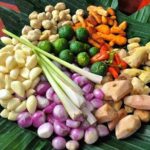
Start with a market visit that feels like a living ingredient list. Kadek picks you up from your Ubud hotel and brings you to Gianyar, where you’ll walk with him through stalls of local produce. This is where the class earns its value: instead of receiving recipes with names you can’t picture, you learn what the ingredients look like, what they taste like, and how they show up in Balinese dishes.
Kadek also shows regional fruits, vegetables, and herbs that are used in everyday Balinese cooking. You’ll see how local dishes rely on fresh produce and aromatics, not just spice blends. That matters later in the kitchen, because Balinese cooking is often about balance—sweet, savory, fragrant, and spicy in the right places.
If you’re curious, there’s an extra option before the cooking starts: Kadek can show you how he grows local fruits and vegetables at home, a few doors down from his sister’s house. Along the way, he may offer a fresh juice made from just-picked seasonal fruit like mulberry, passion fruit, papaya, mango, or jackfruit. Even if you skip the garden portion, the market alone is useful because it teaches you what’s worth looking for if you try to re-create the dishes later.
Practical tip: markets are busy and active, and the same sorts of items show up in many stalls. You’re not shopping a quiet grocery aisle—you’re learning how locals shop. Go with a curious mindset, not a strict shopping plan.
You can also read our reviews of more tours and experiences in Ubud.

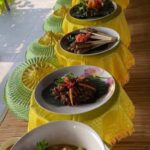
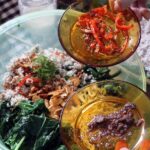
The private family compound kitchen: where the class really happens
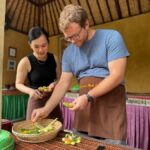
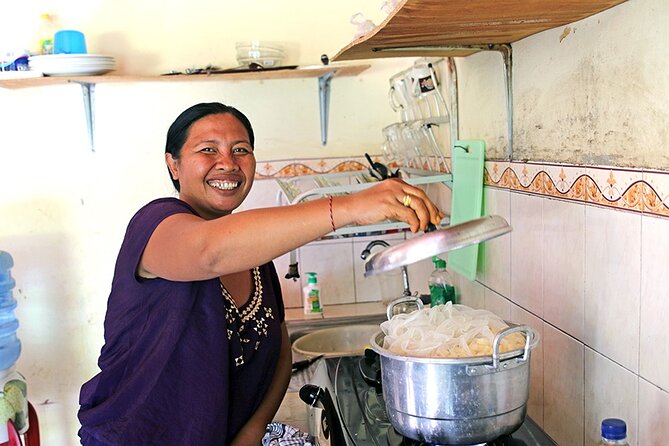
After the market, you head to Kadek’s home base on the family compound grounds, where Kadek’s sister Putu and family members join in. This part feels less like a “tour” and more like joining a household workflow. You’ll cook together, using the ingredients you picked, which makes everything feel tied together.
What I like about this setup is that it’s private and personalized for your group. You’re not sharing your cutting board with a dozen strangers or rushing because someone else needs attention. It’s also structured enough that you know what comes next. Expect step-by-step guidance rather than a vague “watch and hope” approach.
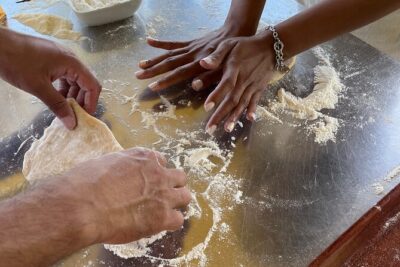
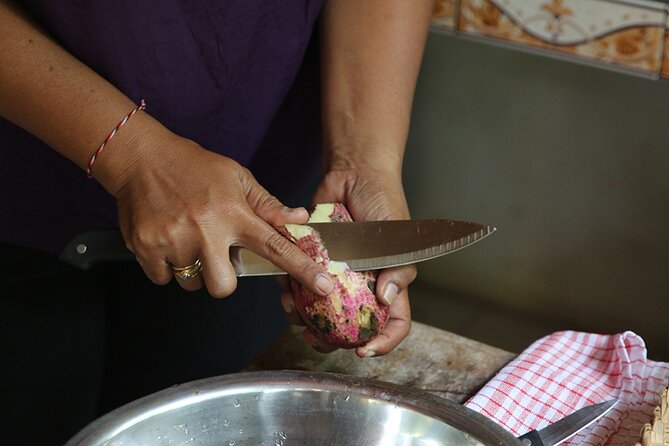
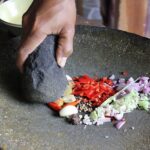
Because the class is hands-on, you’re not just tasting. You’ll chop, mix, and cook the dishes from scratch. One review noted how every ingredient was broken down before cooking. That’s key. When you understand why an ingredient is there, you can adjust later at home—less salt, different heat level, substitutions for ingredients you can’t find.
Also, the teaching style seems to lean warm and practical. Putu and the family don’t just hand you a dish; they help you understand how the kitchen works.
What you’ll cook: Balinese dishes you can replicate later
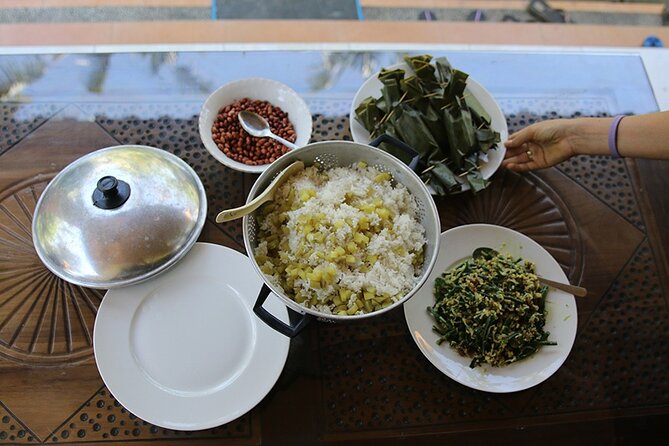
The menu can change by season, but the overall mix is built around classic Balinese flavors and familiar comfort food, with some heat. You’ll typically cook several dishes—often around five—and you’ll have options if you want vegetarian.
Here’s what you can reasonably expect to see on the table, based on the class examples:
Savory mains and proteins
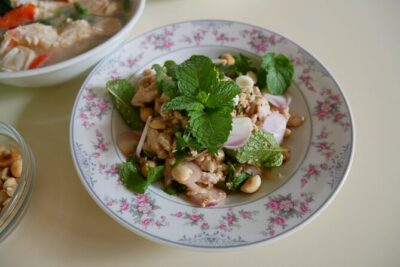
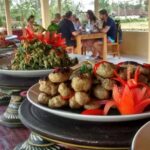
You may cook piquant chicken satay, plus dishes like stir-fried vegetables and steamed fish. There’s also rice, which matters because Balinese meals often rely on the sauce and spice flavors to bring everything together.
One of the best reasons to book a class like this is the satay connection. Satay often feels like something you buy. In this format, it becomes a technique you learn—how to season, cook, and build that signature savory bite.
Soups and vegetables
Fresh vegetable soup is on the possible menu, along with stir-fried vegetables. These dishes are a great lesson because Balinese flavor isn’t only about meat. You’ll see how herbs and aromatics show up in veggie-friendly dishes too.

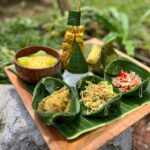

Dessert: black sticky rice or fried banana
Dessert is not an afterthought here. Expect black sticky rice pudding with fresh coconut cream, and/or fried banana with grated fresh coconut and palm sugar. If you love cooking in a way that feels satisfying, dessert is where your “I can make this” confidence really kicks in.
One review emphasized how hands-on the class is, going from chopping all the way to cooking. That’s the goal: you leave with skills, not just memories.
Dietary needs and vegetarian options
Vegetarian options are available—just tell the host when you book. Also, if anyone has allergies or dietary restrictions, advise them at booking so the menu can be adjusted. This is important because Balinese cooking relies on fresh produce and seasonings, and small ingredient swaps can be the difference between safe and unsafe meals.
Timing and what the 4 hours feels like
Plan for about 4 hours total. That time window is tight enough that you’ll stay focused, but not so rushed that you barely get to cook. Expect the flow to go like this: pickup in Ubud → market walk → return to the family compound → cook multiple dishes → sit down and eat together.
Because you’ll be active most of the time, wear something you can move in. Kitchens get warm, and you’ll be standing, chopping, and stirring. Also, bring patience for the fact that the market is lively and the kitchen is busy in a good way.
If you prefer a slow-paced, hands-off experience, this might not match your style. If you want skill-building, it’s a strong fit.
Meal time: enjoying what you made (and a drink or two)
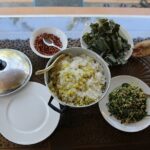
After cooking, you eat an authentic Balinese meal made from the dishes you prepared. This is where the class pays off: you get to taste your work while the flavors are still fresh in your mind. The meal can include items like chicken satay, stir-fried vegetables, steamed fish, rice, and a dessert course like fried banana or black sticky rice pudding.
Alcoholic beverages are included. I found that detail worth noting because it changes the “feel” of the meal afterward. Instead of eating quietly and leaving immediately, the experience supports a relaxed sit-down.
This is also the moment you’ll likely appreciate the ingredient learning from the market. When you taste a sauce or spice blend, you can trace it back to something you saw earlier. That turns dinner into a lesson you can actually remember.
Price and value: is $80 a good deal here?
At $80 per person, this can be good value—especially because you’re getting three things in one package:
- A private market tour with a local host (Kadek)
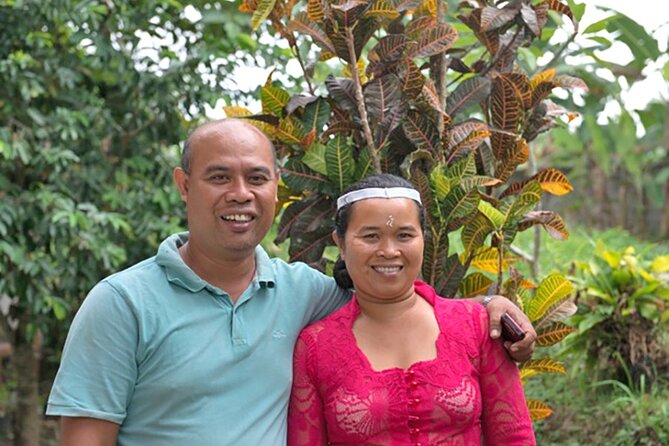
- A hands-on cooking class in a family home kitchen with Putu
- A full homecooked meal you help prepare, plus alcoholic beverages
If you’ve done cooking classes elsewhere where you pay similarly but only watch or taste small samples, the difference here is the work you do. Multiple reviews point to strong hands-on teaching and ingredient breakdowns. That’s what you want when the goal is replication at home.
The other value factor is transport. Pickup and drop-off to Ubud hotels is included. That matters because Ubud traffic can steal your time. If you’re staying outside Ubud, there can be an additional charge, so factor that in before you book.
Bottom line: it’s not the cheapest way to eat in Ubud. It is a very efficient way to learn cooking techniques and Balinese flavor logic while spending time with a real household.
Who should book this cooking class—and who might skip it
You should book if:
- You want hands-on cooking, not a lecture
- You care about learning ingredients and methods you can recreate at home
- You like market-to-kitchen experiences where the shopping matters
- Your group includes people who want different meal styles, since vegetarian options are available
You might skip it if:
- You prefer a more relaxed sightseeing day with minimal time in a kitchen
- You’re staying well outside Ubud and don’t want extra transport costs
- You have strict time constraints, since the experience runs about 4 hours and works from scheduled pickup
This one is also ideal for couples and small groups. It’s private, so your attention isn’t split, and you can ask questions without feeling rushed.
Tips to get the most out of your day
Here are a few practical ways to make this experience land well:
- Ask about ingredients while you’re in the market. If you see something unfamiliar, speak up. That’s the best moment to get clear answers.
- Tell the hosts your dietary preferences early. Vegetarian is available, and they can adjust the menu based on your needs.
- Go hungry for the market. You’ll see fruit, herbs, and vegetables, and the class ends with a sit-down meal.
- Wear clothes that handle a warm kitchen and some chopping. Practical footwear helps too.
Also, remember that the market is busy. Your job is to learn, not to find the “perfect” stall.
Should you book Gianyar Market Visit & Cooking Class with Kadek & Putu?
If your goal is to bring home Balinese cooking skills, I’d strongly consider booking. This isn’t just eating. It’s ingredient education in the morning and real cooking work in the kitchen, followed by a full meal you helped make.
Choose this class if you want a private experience with warm hosts and structured guidance, and if you’re happy to spend a few hours cooking instead of touring temples back-to-back. If you’re short on time, the upside is that the market and cooking are neatly tied into one package, without extra guesswork.
FAQ
FAQ
How long is the cooking class and market visit?
The experience runs for about 4 hours.
What does the tour cost?
The price is $80.00 per person.
Is pickup included?
Pickup and drop-off to Ubud hotels are included. Pickup isn’t included for hotels outside Ubud, and an additional charge may apply.
What’s included in the class?
You get a private market tour and cooking class with your hosts Kadek and Putu, a homecooked Balinese meal, and alcoholic beverages.
Is the experience private?
Yes. It’s private for your group only.
Can I eat vegetarian?
Yes. A vegetarian option is available. You should advise the host when booking.
Can the menu change?
Yes. The menu may vary depending on the season.
Are dietary restrictions or allergies handled?
You can advise any allergies, dietary restrictions, or cooking preferences at the time of booking so the host can accommodate them.
What’s the cancellation policy?
Free cancellation is available up to 24 hours in advance for a full refund.