REVIEW · NEW DELHI
Vegetarian : Private Cooking Class in Delhi home ( Learn 7 meal)
Book on Viator →Operated by Indian Food Cooking Class · Bookable on Viator
Spices have a way of turning dinner into a story. In this private Delhi cooking class, you cook and taste your way through a vegetarian (or vegan) menu in a local family home, with step-by-step help that makes the food feel doable, not mysterious. You’ll start with a spice rundown, then move into snacks, and finish with a full plate of curries, bread, and rice you helped create.
Two things I’d put at the top: first, the focus on spices and how they work (not just what to add). Second, the personal instruction inside a real home setting, which makes it easier to ask questions and adjust as you go. The one thing to consider is practical: there’s no hotel pickup, so you’ll need to reach the meeting point on your own and plan a little extra time.
In This Review
- What You Really Get in 3 Hours
- Key Highlights
- Why a Delhi Home Cooking Class Beats a Standard Workshop
- The 7 Dishes You’ll Learn (And Why They Matter)
- Snacks and starter flavors
- Main-course anchors
- The hidden lesson in this menu
- Spice Lesson First: The Fastest Way to Cook Like You Mean It
- The Snack Session: Masala Tea, Pakora-Style Cooking, and Mint Sauce
- Main Course Cooking: Paneer Curry, Lentil, Seasonal Veg, Rice, and Bread
- Paneer curry and lentil curry
- A dry vegetable for contrast
- Cumin rice and Indian bread
- Lunch or Dinner Choice: Pick the Meal Timing That Fits Your Day
- Private Group, Real Questions: How This Format Helps You Learn Faster
- Price and Value: What $47 Covers (And What You Should Expect)
- Getting There Without Stress: Meeting Point Tips That Matter
- Who This Class Is Best For (And Who Might Skip It)
- Should You Book This Delhi Vegetarian Cooking Class?
- FAQ
- What kind of food will I cook and eat?
- Does the class include lunch or dinner?
- How long is the cooking class?
- Is hotel pickup and drop included?
- Where do I meet for the class?
- What is the cancellation policy?
What You Really Get in 3 Hours
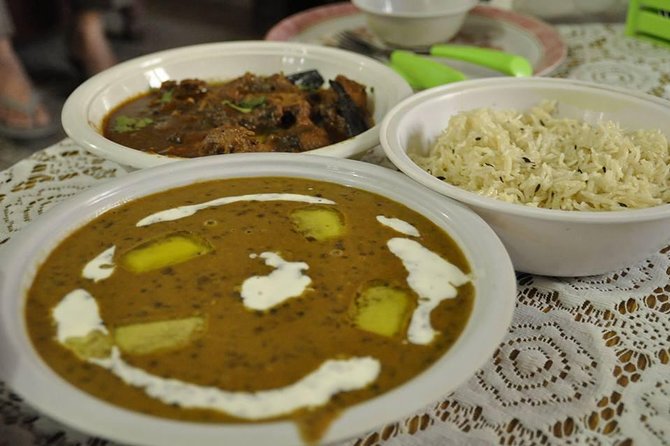
This is a 3-hour class built around learning by doing. You’ll prep snacks, cook multiple main dishes, and wrap up by eating what you made. It’s hands-on and social without feeling like a factory line, which is great if you want a more personal, everyday side of Delhi food culture.
The potential drawback is that since you’re meeting at a specific address in Uttam Nagar, getting there matters. Wear casual clothes and show up early, because the class flow starts right away.
Key Highlights
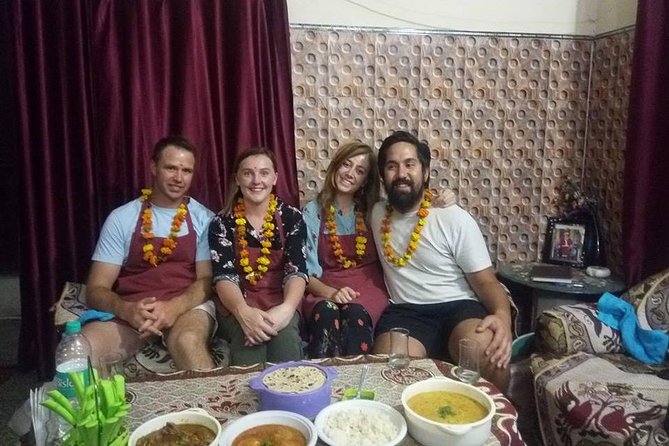
- Spice-first orientation so you understand what’s going into dal, curries, and breads
- Private, home-kitchen format where your group cooks together with a real host
- Snacks + mains in one session including pakora-style cooking and mint sauce
- Menu choices between lunch or dinner, and vegetarian or vegan options
- Recipe follow-up shared after the class by the host, which helps you repeat the results at home
You can also read our reviews of more tours and experiences in New Delhi.


Why a Delhi Home Cooking Class Beats a Standard Workshop
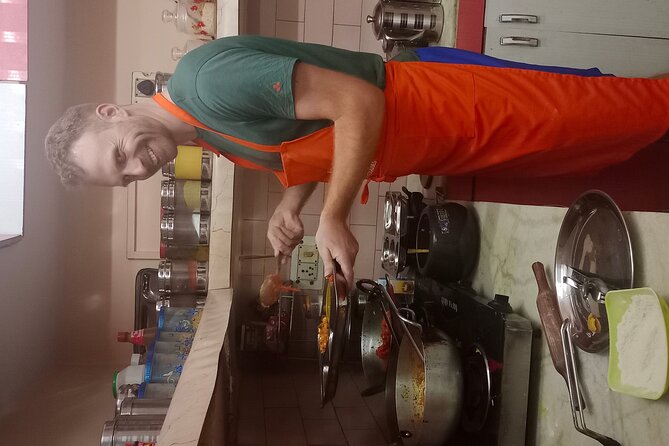
Delhi cooking is about technique and timing as much as it is about flavor. What I like about this format is that it starts with spices before you touch the stove. That shift matters: instead of memorizing a recipe like a checklist, you learn why certain ingredients show up together and how they behave when heated.
Also, the class happens in a local family home. That usually means you’re working with a practical kitchen setup and learning what people actually cook and eat, not just performing dishes for tourists. It’s the kind of experience that makes you leave with confidence, not just photos.
Finally, it’s private. You’re not squeezed into a big group where questions get lost. You can ask the small stuff that makes a real difference, like how to balance spice heat or what consistency you’re aiming for in a lentil curry.
The 7 Dishes You’ll Learn (And Why They Matter)
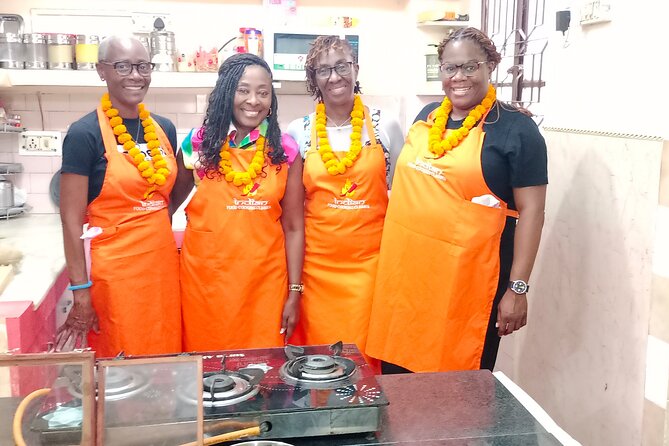
Even though the menu can vary by choice, the class is designed around learning a full set of vegetarian staples that show how Indian meals are built.
Here’s the lineup based on what’s included:
Snacks and starter flavors
You’ll begin with a snack session that includes 2–3 types of snacks, plus an Indian drink such as masala tea or lassi (you get one of them). You’ll also make mint sauce, which is one of those small components that changes the whole experience. It adds cool, herby contrast to spiced, fried, or savory elements.
Main-course anchors
Then you move into the main cooking portion, where you learn several dishes such as:
- Any paneer curry
- Lentil curry (dal-style)
- Any dry vegetable (seasonal)
- A rice base and bread to bring everything together
The dishes you’ll make aren’t just random picks. They cover the building blocks of a typical meal: a creamy or spiced gravy (paneer curry), a comforting lentil curry (dal), a simple vegetable component (dry seasonal veg), and then cumin rice plus Indian bread (roti-style flatbread).


The hidden lesson in this menu
This set of dishes teaches you how to think in categories:
- Spices that create flavor depth
- Sauces or gravies that carry that flavor
- Bread and rice that bring it to the plate
That’s a big deal if you want to cook beyond one-off meals later.
Spice Lesson First: The Fastest Way to Cook Like You Mean It
Your class starts with a warm welcome, then a guided explanation of spices. That initial session sets you up for everything after it.
In practical terms, this is where you learn to recognize:
- Which spices are meant for aroma versus heat
- How spice timing affects flavor
- What makes certain dishes taste Indian even when you’ve never made them before
It’s not just trivia. When you understand what spices are doing, you can adjust at home. If something tastes flat, you’ll know what to try next. If it tastes too sharp, you’ll understand how to soften it with technique.
This is also the part where a good host makes a difference. In one review, Preeti was praised for explaining things clearly and paying close attention while you cook. That kind of guidance turns a confusing “sprinkle this and hope” situation into something you can actually control.
The Snack Session: Masala Tea, Pakora-Style Cooking, and Mint Sauce
After the spice introduction, you’ll start your first hands-on cooking segment: snacks. Based on what’s included, you’ll make mix vegetable pakora, and you’ll do it with the sort of step-by-step attention that helps you avoid common mistakes like incorrect batter consistency or uneven frying.
You’ll also get mint sauce as part of the snack experience. Even if you don’t call it that at home, you’ll recognize the role: it’s the cooling partner to fried or spiced bites. It keeps your palate from getting overwhelmed and makes the whole snack plate feel balanced.
Then you’ll sit down for those first bites with your drink. The drink choice is masala tea or lassi (you’ll receive one). That matters because it’s part of learning the pacing of an Indian meal. Snacks aren’t a separate event; they’re a warm-up for what comes next.
Main Course Cooking: Paneer Curry, Lentil, Seasonal Veg, Rice, and Bread
Once snacks are done, the class moves into the main cooking portion with 4–5 main dishes. This is where you’ll feel the biggest jump in confidence because you’ll be working with multiple dishes in a sequence.
Paneer curry and lentil curry
The included menu includes any paneer curry and a lentil curry (dal-style). Paneer and lentils give you two different textures and two different ways to build flavor:
- Paneer curry teaches gravy thickness and spice bloom in a creamy base
- Lentil curry teaches seasoning depth and the importance of simmer time
A dry vegetable for contrast
You’ll also make any dry vegetable (seasonal). Dry styles matter because they show you how Indian cooking can be flavorful without relying only on thick gravies. It’s a useful skill if you want variety later.
Cumin rice and Indian bread
You’ll learn to make cumin rice and Indian bread. Rice is the practical “glue” for soaking up curry flavor, and bread is the tool for scooping. Learning both gives you a full plate strategy, not just a set of dishes.
A nice detail from the class flow: you don’t just cook and run. You cook, then eat what you made, which makes it easier to understand how the pieces work together.
Lunch or Dinner Choice: Pick the Meal Timing That Fits Your Day
You can choose between a lunch or dinner class. The content is structured similarly, but timing affects the feel of the experience.
If you’re spending a day exploring Delhi, a lunch class can help you lock in something meaningful earlier. A dinner class can work well if you want a slower evening and a sit-down meal right after.
Either way, the goal is the same: learn the dishes, then eat them in the home setting you just cooked in.
Private Group, Real Questions: How This Format Helps You Learn Faster
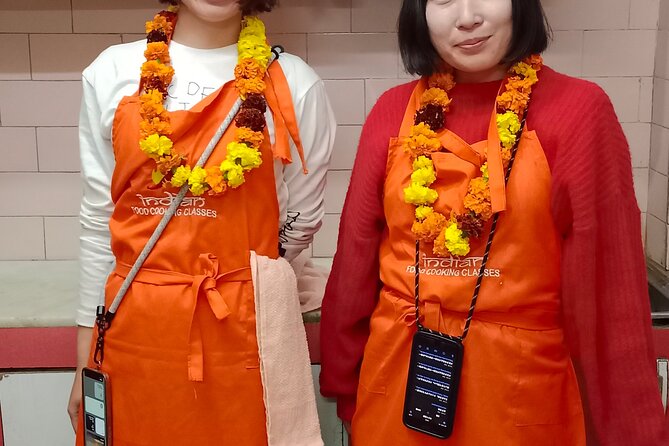
A private class sounds like a luxury, but here it’s actually a learning advantage. Since it’s just your group, you’re more likely to:
- get answers on-the-spot
- adjust cooking steps while they’re still happening
- avoid getting rushed
This matters most for spices. If you’ve never cooked with Indian spice blends, small differences in amounts and timing can change the entire dish. A host who can correct you mid-process makes the biggest difference.
In reviews, the host Preeti is repeatedly mentioned as attentive and good at explaining. One review also noted that Preeti’s husband was kind enough to help with the short ride from the metro to the class location. Even if you handle the walk yourself, it’s still a reminder that this is a family-run setup where people look out for you.
Price and Value: What $47 Covers (And What You Should Expect)
At $47 per person, this class feels like strong value if you care about real skill-building, not just watching someone cook.
Why the price works:
- It’s a private experience, not a crowded group demo
- You learn a full set of 7 dishes components, from snacks to mains
- Meals and drinks are included, so you’re not paying extra to eat
- You get instruction in a home kitchen, which usually means hands-on time is real
What you should expect not to be included: hotel pickup and drop. You’ll meet at the class address in Uttam Nagar and handle local transit yourself.
If you’re comparing this to restaurant tasting tours, this is different. You’re paying for the ability to recreate the flavor at home, which is worth more if you like to cook.
Getting There Without Stress: Meeting Point Tips That Matter
The meeting point is at A1, 63 Hastsal Rd, near Sunil Dairy, Block A 1, Uttam Nagar, New Delhi, 110059, India. The guidance also references Uttam Nagar West Metro station, outside gate no. 4 as a pickup place.
Two practical tips:
- Plan to arrive 15 minutes early so you can settle in before cooking starts.
- Wear casual clothes you don’t mind getting splashed with cooking activity.
If you’re coming by metro, give yourself a little buffer for walking and finding the exact spot. Home kitchens are easy once you know where to go, but you don’t want to cut it close.
Who This Class Is Best For (And Who Might Skip It)
This is ideal for:
- vegetarians who want to learn Indian staples like dal, paneer curry, and roti
- anyone curious about how spices create flavor, not just how dishes taste
- food lovers who prefer a family-home experience over a commercial studio
- couples or small groups who like private instruction
You might skip it if:
- you want a big sightseeing package tied to major attractions (this is a food-centered class)
- you strongly prefer having someone pick you up from your hotel
Should You Book This Delhi Vegetarian Cooking Class?
I think you should book it if you want a practical, skill-based food experience. The biggest pull here is the spice-first approach plus the chance to cook a complete meal set, not just one dish. You’ll leave knowing how to build a vegetarian Indian plate, from snacks with mint sauce to a main meal with dal, paneer curry, dry seasonal veg, cumin rice, and Indian bread.
If you’re comfortable getting to Uttam Nagar on your own, this feels like a high-value meal-and-learning combo at a fair price. If not, you may find the meeting logistics slightly more work than you want.
FAQ
What kind of food will I cook and eat?
You’ll cook a vegetarian menu (and you can choose vegan or vegetarian options). The class includes snacks like mix vegetable pakora and mint sauce, plus main dishes such as a paneer curry, lentil curry, a seasonal dry vegetable, cumin rice, and Indian bread.
Does the class include lunch or dinner?
You can choose a lunch or dinner class.
How long is the cooking class?
It runs for about 3 hours.
Is hotel pickup and drop included?
No. Hotel pickup and drop are not included.
Where do I meet for the class?
You meet at A1, 63 Hastsal Rd, near Sunil Dairy, Block A 1, Uttam Nagar, New Delhi, 110059, India. There is also reference to Uttam Nagar West Metro station outside gate no. 4.
What is the cancellation policy?
You can cancel for a full refund if you cancel at least 24 hours before the experience starts. If you cancel within 24 hours, no refund is given. Free cancellation is available.