REVIEW · ROME
Rome: Cooking Class of fresh Pasta and Tiramisu Cake
Book on GetYourGuide →Operated by Pink Umbrella Tours · Bookable on GetYourGuide
Fresh pasta starts with your hands, not a menu. In this 2.5-hour class in a real Roman osteria, you learn fresh hand-made pasta technique and finish with tiramisù you made yourself, plus a glass of wine. It’s the kind of food experience that feels practical, not performative.
Two things I love: you get hands-on coaching (knead, roll, and cut), and you also learn how to build the creamy tiramisù properly, not just assemble it. One consideration: this class is not suitable for vegans, or for anyone who needs gluten-free or lactose-free food, since pasta and tiramisù involve wheat and dairy.
In This Review
- Key highlights you should know
- Why this Roman cooking class feels practical (and not touristy)
- Your 2.5 hours at Osteria San Giorgio: what the time really includes
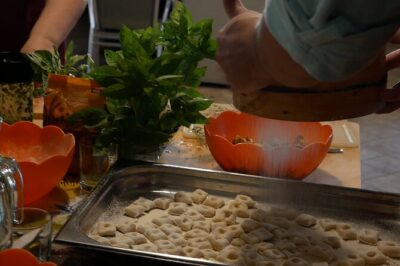
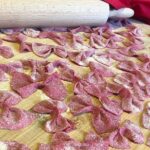
- Fresh hand-made pasta: kneading, rolling, and cutting the Roman way
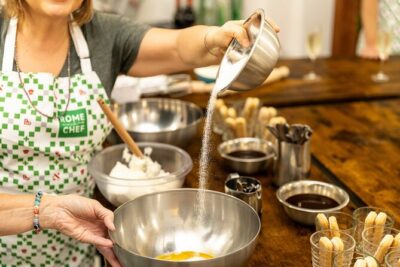
- Tiramisù from scratch: whipping and mixing for that creamy texture
- The meal part: eating a Roman dinner you built with your own hands
- Why the Italian food culture talk is actually worth your attention
- Price and value: does $58 make sense for what you get?
- Who this cooking class suits best (and who should skip)
- What to bring to get the most out of it
- Should you book this Roman pasta and tiramisù class?
- FAQ
- How long is the Rome cooking class?
- Where is the meeting point?
- Is the instructor English-speaking?
- What’s included in the price?
- Will I eat the meal I make?
- Is this class suitable for vegans or people with gluten or lactose intolerance?
- Can I reserve now and pay later?
- Is free cancellation available?
Key highlights you should know
- Make pasta from dough to cut shapes: You’ll knead, roll, and cut fresh pasta, which is the real skill.
- Tiramisù gets taught, step by step: You’ll whip, mix, and create the creamy final dessert.
- Roman osteria setting at Osteria San Giorgio: You’re cooking in the atmosphere, not a demo room.
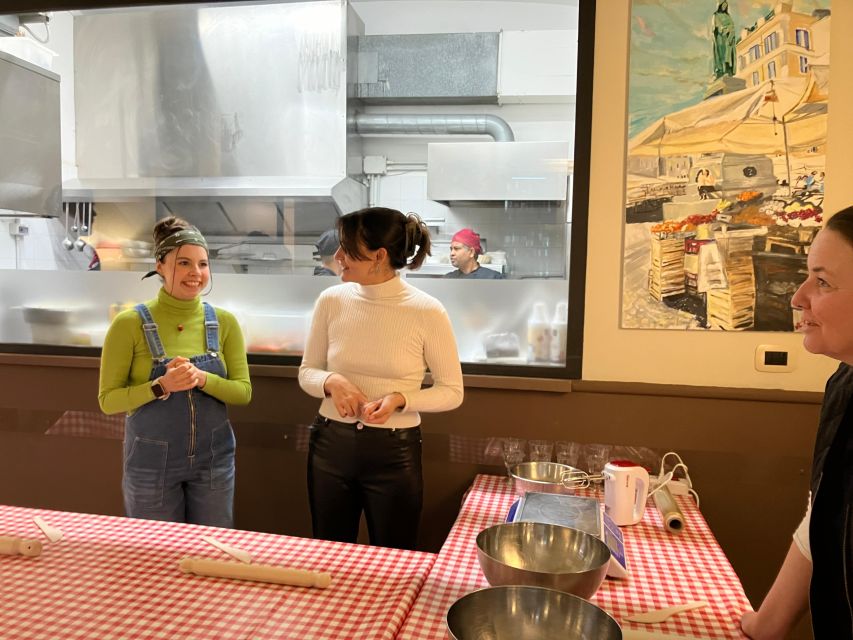
- Patient English instruction: Instructors like Kris, Kristian, Luca, and Elisabeth are praised for being friendly and easy to work with.
- You eat what you make, with wine: The meal is part of the experience, not an afterthought.
- You can repeat it at home: The recipes are built to be repeatable once you’re back in your kitchen.
Why this Roman cooking class feels practical (and not touristy)
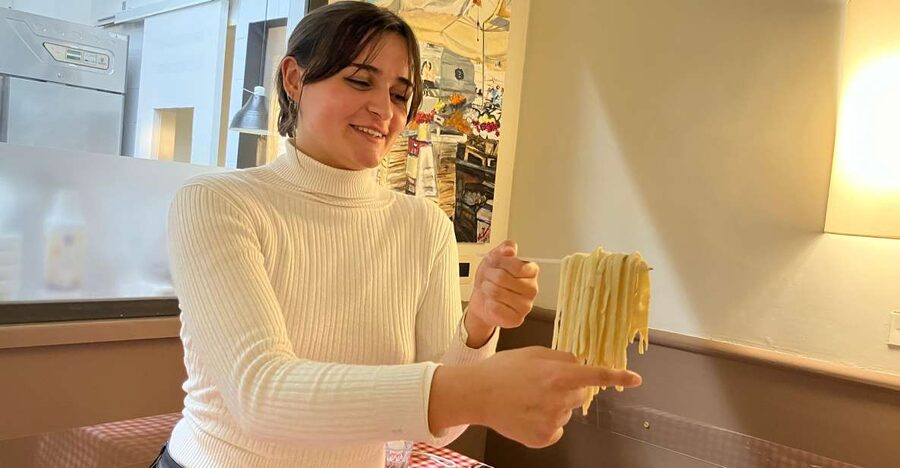
Some cooking classes teach you a recipe. This one teaches you a process. That matters because Roman food isn’t about fancy tricks. It’s about doing the basics correctly—dough texture, thickness, cutting shape, and a dessert cream that holds together.
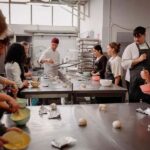
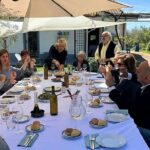
You’ll spend 2.5 hours in Osteria San Giorgio, with an English-speaking instructor. The setting is an authentic Roman osteria, so you’re not removed from the culture. You’re learning inside it, surrounded by the kind of casual, everyday food energy Rome does well.
And for $58 per person, the value is more than just the “fun activity” factor. You get an expert instructor, all ingredients and utensils, food, and a glass of wine included. That turns the price into something closer to a meal plus a hands-on lesson, not a ticket to watch someone else cook.
You can also read our reviews of more tours and experiences in Rome.

Your 2.5 hours at Osteria San Giorgio: what the time really includes
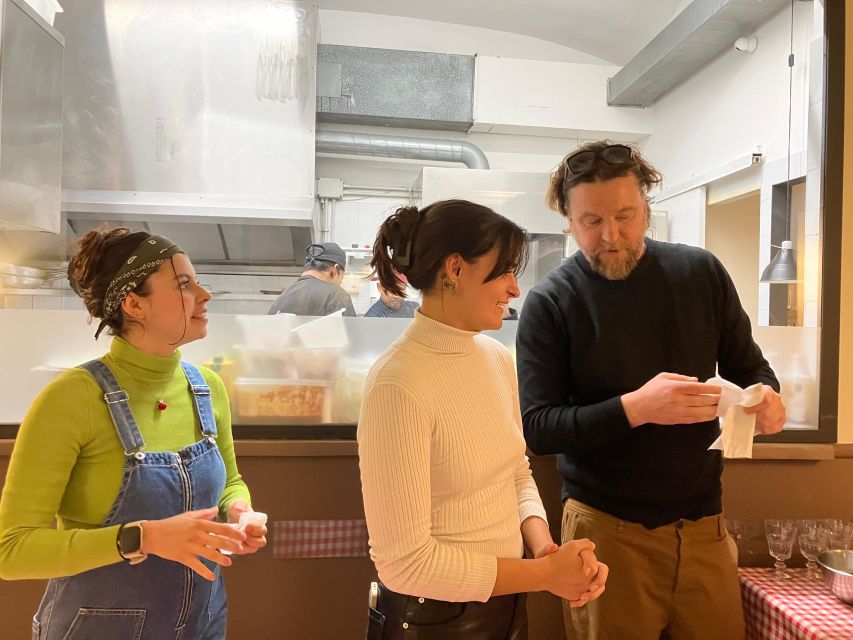
The class runs for 2.5 hours. That timing is long enough to actually practice dough and learn dessert technique, but short enough that you’ll still have the rest of your day free in Rome.
Here’s how the flow feels in real time:
- Get oriented and start the pasta
You begin with the pasta station and the basics of dough handling.
- Knead, roll, and cut fresh pasta
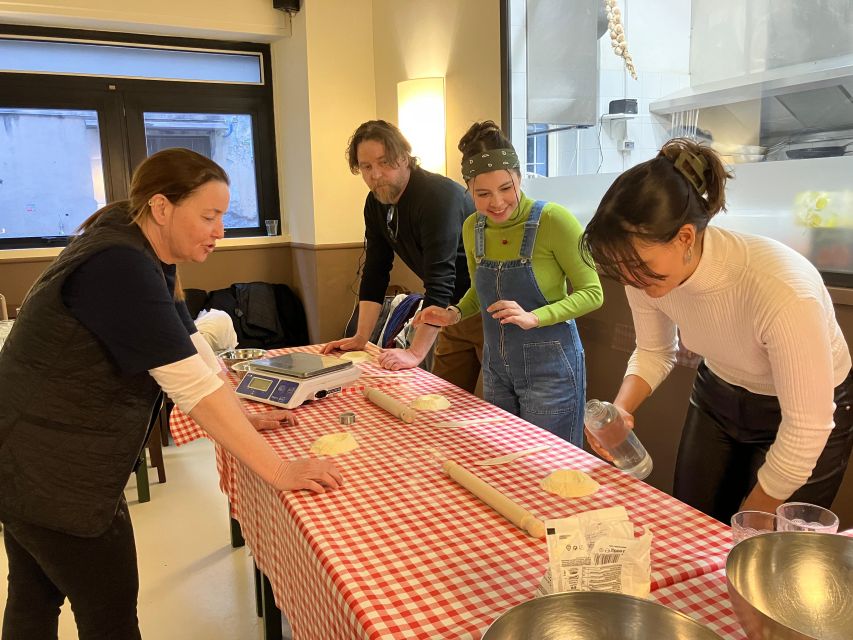
This is where the class becomes “do it yourself.” You’re not just learning words like al dente—you’re working the dough until it behaves.
- Move to tiramisù prep
Then the dessert takes over: whipping, mixing, and building that creamy texture.
- Eat the meal you made with wine
At the end, you enjoy your self-made pasta and tiramisù, plus a glass of fine wine.
One reason I like this pacing is that you get two different skill types in one session. Pasta teaches technique and texture. Tiramisù teaches mixing and consistency. By the time you sit down, you’ve already earned your dinner.
Fresh hand-made pasta: kneading, rolling, and cutting the Roman way
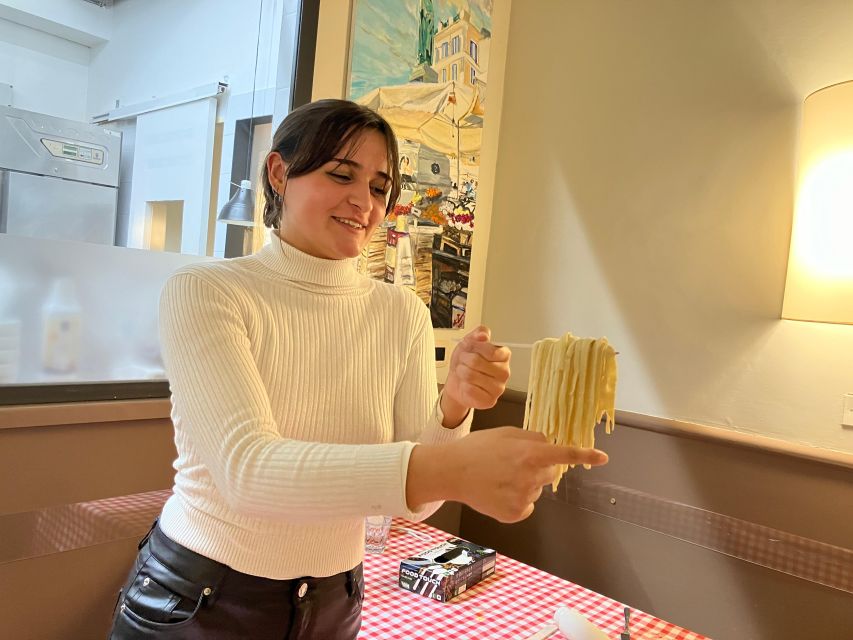
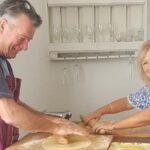
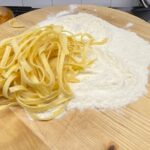
If you want a class where you leave with real capability, focus on the pasta portion. Here you actively learn the entire chain: knead, roll, and cut fresh pasta.
Why that matters: most people can boil dried pasta at home. Very few people can confidently make fresh dough that rolls without tearing, then cut it evenly enough that it cooks well and tastes right. That’s the difference between a one-time kitchen experiment and something you can repeat.
During your hands-on work, you’ll be guided on what to look for as you handle the dough—how it feels, how it stretches, and how to get consistent thickness. Rolling and cutting are also where you’ll learn how “Roman simple” actually works. It’s not about fancy shapes. It’s about getting the fundamentals right.
Also, the class is taught in English, which helps a lot when you’re learning tactile steps. With names like Luca, Kris, Kristian, and Elisabeth showing up in the instructor feedback, the common theme is patience—people mention being comfortable and guided through the process instead of thrown in at full speed.
Tiramisù from scratch: whipping and mixing for that creamy texture
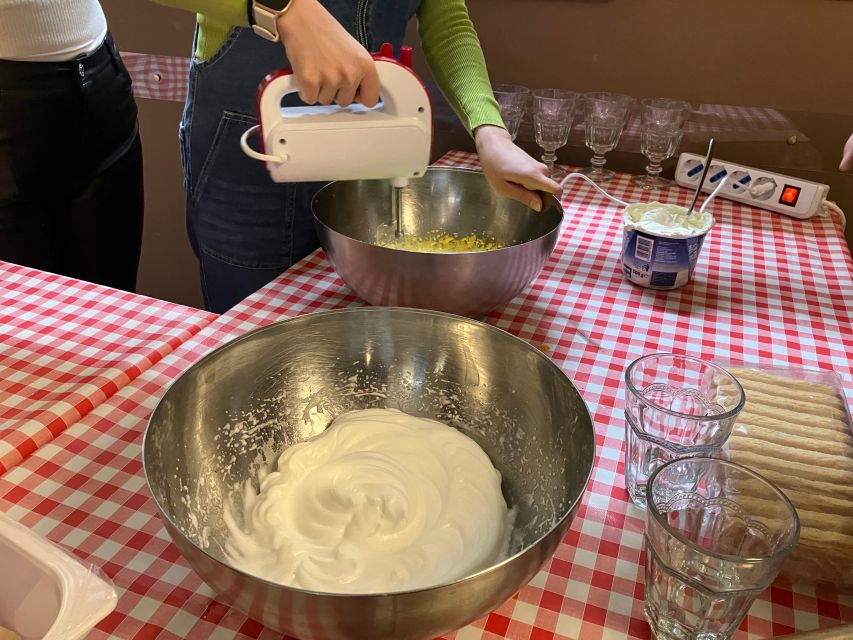
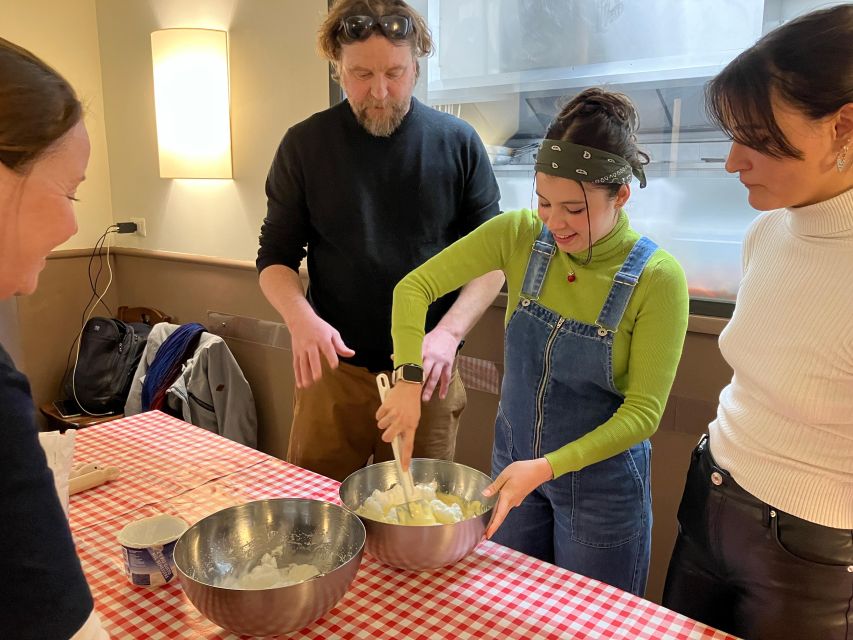
After pasta, you switch gears to dessert: tiramisù. And unlike some cooking experiences where tiramisù is treated as a quick assembly job, you’ll actually learn the component work.
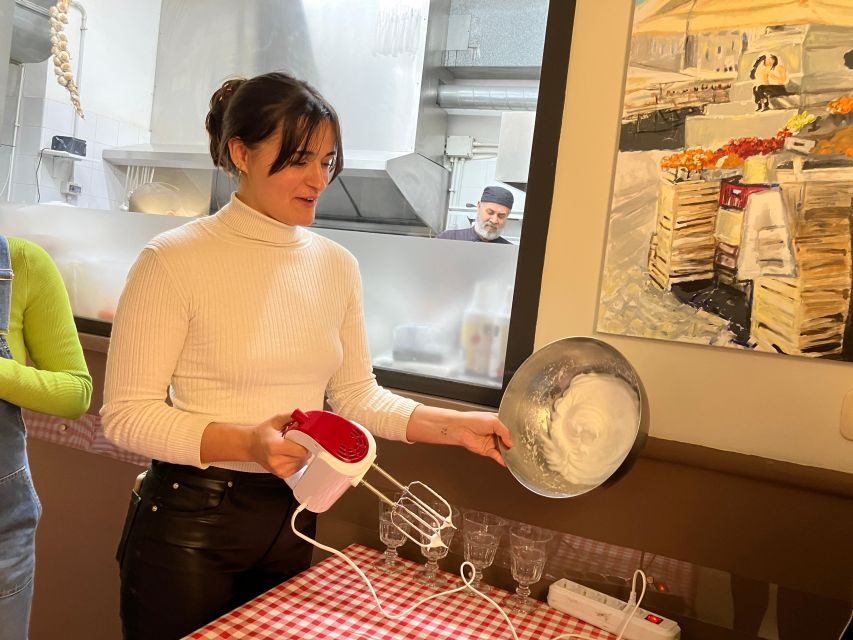
You’ll whip and mix to create the creamy tiramisù. That means you’re paying attention to texture, not just following steps. This is the part many home cooks mess up when they try to make tiramisù later—either the cream is too loose, too heavy, or doesn’t get the right smooth feel.
The nice thing is that you’re doing it under guidance. You get to see how the mixture should look and feel as it comes together, then you carry that logic home. That’s why this class is especially useful if you like making dessert but usually avoid it because it feels like it has strict “rules.”
And yes, it ends with you eating what you made. Having the dessert in front of you at the end makes it easier to remember how the texture should land.
The meal part: eating a Roman dinner you built with your own hands
This class is one of those rare formats where the food isn’t just a reward at the end—it’s the payoff for the skills you practiced.
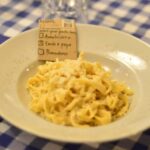
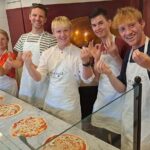
You’ll enjoy your self-made meal plus a glass of wine. That’s important because it turns the lesson into an experience. You don’t just learn; you also taste the result right away, while your technique is still fresh in your brain.
One useful mindset: try the pasta and dessert as if you’re troubleshooting. If something was hard while you were cooking—maybe getting consistent thickness or keeping the cream smooth—notice how the final product reflects your choices. That’s what helps you replicate the recipes later.

Why the Italian food culture talk is actually worth your attention
You’re not only cooking. You’re getting plenty of information about Italian food culture during the class.
Even when a class includes recipes, cultural context is what keeps you from copying blindly. For example, understanding how Italians think about simple ingredients and proper technique makes you more confident when you experiment at home. You’re not chasing perfection—you’re learning what “correct” looks like.
And the “osteria” setting supports that. An osteria is where people go for comfort food done well. The vibe helps you connect the cooking steps to real Roman eating habits, rather than treating pasta and tiramisù like museum pieces.
Price and value: does $58 make sense for what you get?
Let’s break it down plainly.
You’re paying $58 per person for a 2.5-hour hands-on class that includes:
- an expert instructor
- all ingredients
- all utensils
- your food
- a glass of fine wine
So you’re not just buying a lesson. You’re also buying the meal and the materials needed to cook it.
If you’ve done other activities that cost more but barely cover ingredients, this feels like better value. You leave with practical skills you can repeat, not just a memory of how dough looks when someone else handles it.
Is it a bargain? It’s not “cheap.” But it’s priced like a real cooking experience: guided practice, full materials, and food included. For many people, that’s exactly what makes the class feel worth it.
Who this cooking class suits best (and who should skip)
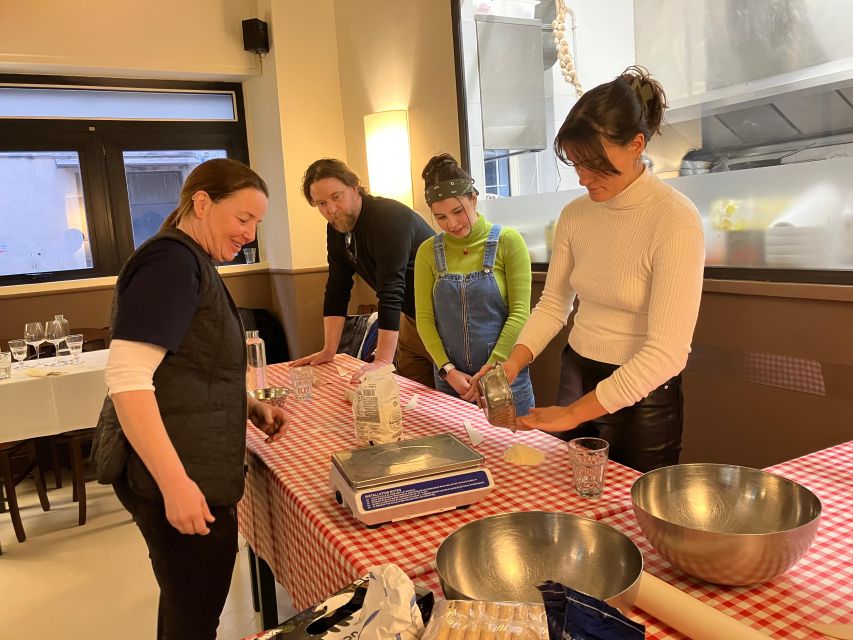
This is ideal if you:
- want to learn fresh pasta technique you can use again at home
- enjoy making dessert and want tiramisù that’s more than guessing
- like guided, hands-on instruction in a friendly setting
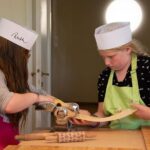
It also sounds like a good family option. One review specifically notes a 6-year-old and a 10-year-old had a great time and were able to do everything. That suggests the teaching style can work even when people need extra patience.
Who should skip:
- vegans
- anyone with gluten intolerance
- anyone with lactose intolerance
And one practical note: the class is wheelchair accessible, which is a strong plus if you need that.
If you’re sensitive to dairy and gluten, you already know the answer. This isn’t built as a substitute-free class, so don’t count on swaps.
What to bring to get the most out of it
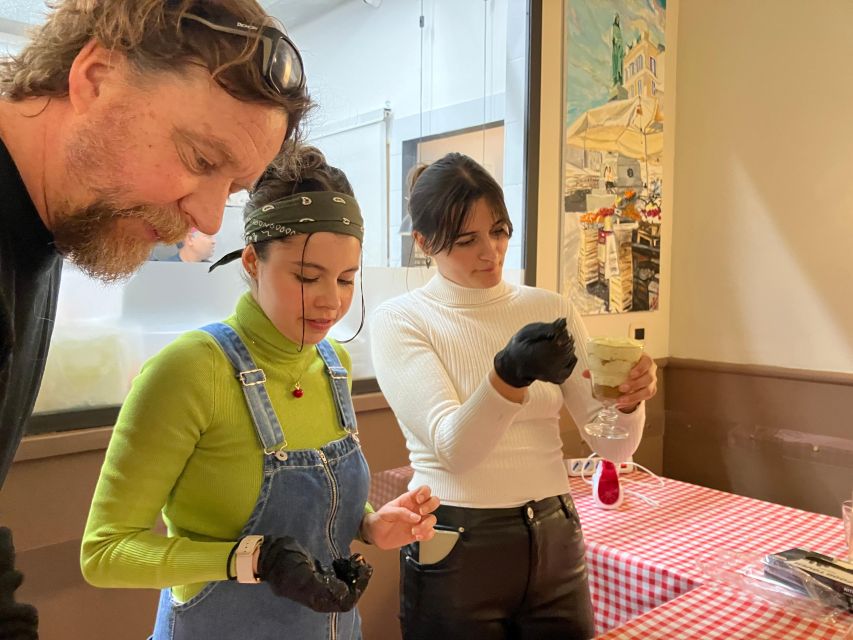
You don’t need to show up as a home cook already. But you should show up ready to work.
I’d recommend you:
- wear clothes you don’t mind getting lightly messy
- bring a good attitude about practice (your first few cuts might not be perfect, and that’s fine)
- be ready to taste and learn, not just photograph
Also, since the class is taught in English, you’ll get the best results if you listen for the technique cues. When instructors guide kneading and rolling, those small cues matter a lot.
Should you book this Roman pasta and tiramisù class?
If you want skills you can repeat later, I think this is a strong yes. The reason is simple: you’re not watching. You’re kneading, rolling, cutting, whipping, mixing, and then eating the result with wine in a real Roman osteria atmosphere.
Book it if:
- you’re excited to make fresh hand-made pasta
- you care about learning the texture of tiramisù cream
- you want an English-taught, friendly class where instructors like Kris, Kristian, Luca, and Elisabeth get praised for being patient and fun
Skip it if:
- you need vegan options, gluten-free food, or lactose-free food
Overall, with a 5/5 average rating from 8 reviews and consistent praise for instructor friendliness and teaching style, this is the kind of experience that’s more likely to make you confident in the kitchen than just entertained for a couple of hours.
FAQ
How long is the Rome cooking class?
It lasts 2.5 hours.
Where is the meeting point?
You meet at Osteria San Giorgio.
Is the instructor English-speaking?
Yes, the instructor teaches in English.
What’s included in the price?
The class includes the professional expert, all ingredients, all utensils, food, and a glass of wine.
Will I eat the meal I make?
Yes. You enjoy your self-made meal along with a glass of fine wine.
Is this class suitable for vegans or people with gluten or lactose intolerance?
No. It’s not suitable for vegans, and it’s also not suitable for people with gluten intolerance or lactose intolerance.
Can I reserve now and pay later?
Yes. You can reserve your spot and pay later.
Is free cancellation available?
Yes. You can cancel up to 24 hours in advance for a full refund.