REVIEW · ROME
Rome: “Rooftop Pasta and Cocktails Cooking Class”
Book on GetYourGuide →Operated by Roman Eyes Tours · Bookable on GetYourGuide
Rooftop pasta with spritz tastes like Rome. This 3-hour class in Lazio is a hands-on way to learn fresh pasta from scratch while you cook with city views. You’re not just watching food happen.
I also really like the drink-and-dish rhythm here: you sip three classic Spritz cocktails while you work. Based on the experience style people praise most, hosts such as Saverio and Angela keep things warm, funny, and easy to follow, with language support in English, Italian, and Spanish, and additional help credited to Pietro.
One drawback to think about: this isn’t a sober cooking class. It includes three Spritz cocktails, so if you’d rather keep things alcohol-free, you may want to choose a different format.
In This Review
- Key highlights worth clocking
- A rooftop kitchen above Rome: why the setting matters
- What you’ll actually cook: from dough to Roman dishes
- Fresh pasta from scratch
- Two traditional Roman dishes
- The Spritz factor: Aperol, Campari, and Limoncello pairing
- Hosts and teaching style: what Saverio, Angela, and Pietro signal
- Timing and flow: a realistic 3-hour plan
- Early on: orientation and pasta groundwork
- Middle: cooking the Roman dishes while you snack and sip
- Later: eat what you made, with the spritz experience still in play
- Price and value: is $71 worth a rooftop pasta class?
- Who this class is best for (and who should skip it)
- Practical tips to make your class day smoother
- Should you book this rooftop pasta and cocktails class?
- FAQ
- How long is the cooking class in Rome?
- What will I make during the class?
- Are drinks included?
- Where does the class take place?
- What languages are available for the instructor?
- Is the class wheelchair accessible?
- How much does it cost?
- Can I cancel and get a refund?
- Is reserve and pay later available?
- Is the class suitable for beginners?
Key highlights worth clocking
- Hands-on fresh pasta making from scratch, not a demo
- Two traditional Roman dishes cooked alongside your pasta
- Three Spritz cocktails included (Aperol, Campari, Limoncello)
- Rooftop cooking with Rome views while you dine at the same place you cook
- Multilingual instruction in English, Italian, and Spanish
- Host-led atmosphere with Saverio, Angela, and Pietro mentioned for keeping the mood upbeat
A rooftop kitchen above Rome: why the setting matters
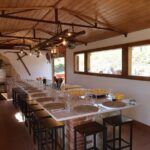
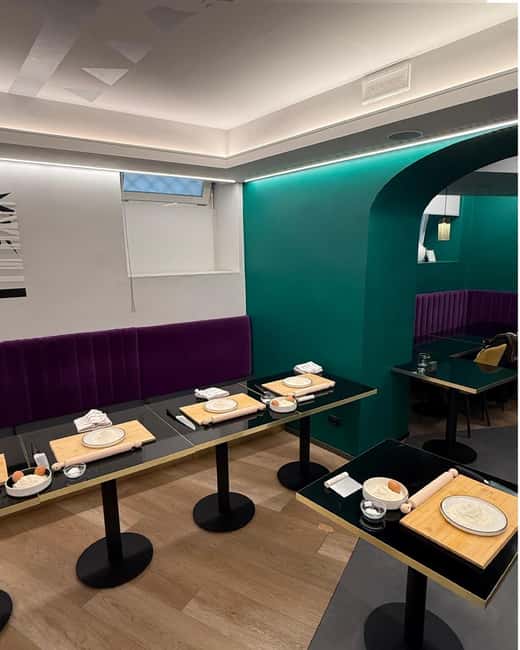
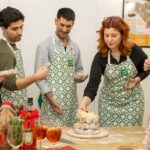
Cooking in Rome is fun, but this one adds a key ingredient: the rooftop. You’re doing real work at a real prep station, yet you get a change of pace with city views that make the whole meal feel special. That matters because pasta classes can become a single-track activity: mix, knead, wait, eat. Here, the skyline helps you feel like you’re part of the city, not just inside a workshop.
The timing also fits well for a short visit. At 3 hours, you’ll get enough structure to learn techniques and eat what you make without losing half a day. It’s a good choice when you want something cultural that still feels playful, not stiff or overly formal.
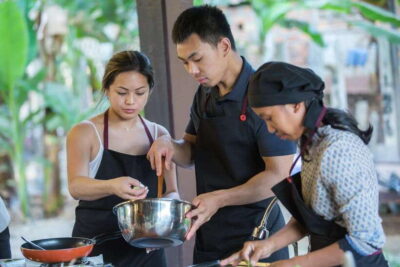
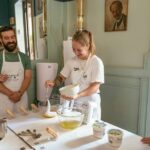
And yes, it’s hands-on. You’ll roll up your sleeves and do the messy parts. The payoff is bigger than you might expect: when you shape pasta yourself, you taste the difference right away.
You can also read our reviews of more tours and experiences in Rome.
What you’ll actually cook: from dough to Roman dishes
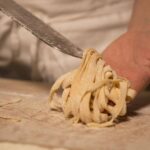
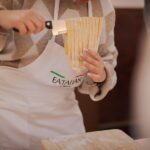
This class is built around one central idea: fresh pasta plus traditional Roman dishes you make from scratch. Even if you’re a beginner, the promise is straightforward. You’re not picking up a lecture; you’re learning the steps that create structure and texture.
Fresh pasta from scratch
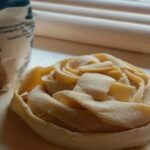
Expect to work through the basics of making dough (the part that scares many people) and then shaping it. The key value here is that you can bring the method home. Store-bought pasta is convenient. But once you know the logic of dough consistency and handling, you can recreate that comfort-food result later in your own kitchen.
If you already cook, you’ll still get something: the experience gives you a specific Roman approach and a repeatable process. That’s what you want from a cooking class in Rome—skills you can actually use again.
Two traditional Roman dishes
In addition to pasta, you’ll prepare two traditional Roman dishes. The exact dishes aren’t listed in the info you provided, so I won’t pretend I know names. But the important part is the scope: it’s not just an appetizer. You’re learning how Roman meals feel as a system—how components work together and how the kitchen timing fits into a full plate.
One practical tip: go in ready to taste as you go. That might sound obvious, but people often treat cooking classes like a chore they must finish. With this format, you’ll enjoy it more if you think like a chef: adjust, taste, and enjoy the process, not just the final photo.
The Spritz factor: Aperol, Campari, and Limoncello pairing
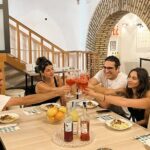
The drink side isn’t decoration here. You get three classic Spritz cocktails while you cook: Aperol, Campari, and Limoncello. That changes the experience in a few real ways.
First, it breaks up the work. Pasta making asks for focus. Having a cocktail course-along moment helps keep energy up and turns long kneading into something more social.
Second, it adds a Roman-style feel to the meal. In Italy, aperitivo culture isn’t only about drinking—it’s about gathering and pacing. Here, you’re building that pacing into the class, so the pasta and dishes don’t feel like an isolated cooking assignment.
Third, it teaches you how flavors shift. Aperol tends to feel bright and light; Campari leans more bitter-herbal; Limoncello brings citrus sweetness. You can pay attention to how those flavors interact with food as you eat. You might not become a mixologist by the end, but you’ll learn what kind of drink matches what kind of mood and bite.
Practical note: since alcohol is part of the package, pace yourself. You’ll want your hands steady when shaping pasta and your senses sharp when tasting.

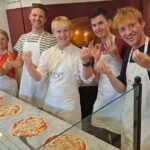
Hosts and teaching style: what Saverio, Angela, and Pietro signal
A lot of food experiences rise or fall on the hosts. What stands out from the names associated with the class—Saverio and Angela, with Pietro also mentioned—is how much people connect the quality of the food with the warmth of the service.
Here’s what you can expect from that kind of hosting style:
- Clear guidance so you don’t feel lost in dough mechanics
- A “laugh and learn” tone so beginners don’t get embarrassed
- Helpful pacing so you’re not stuck waiting while others finish
Also, the class supports multiple languages: English, Italian, and Spanish. That matters if your group has mixed comfort levels. You’ll still be able to follow what you need and ask questions without guessing.
If you’re someone who worries about doing something wrong in a kitchen, this kind of friendly instruction is the difference between enjoying the day and feeling self-conscious.
Timing and flow: a realistic 3-hour plan
You won’t see a minute-by-minute schedule in the info, but you can predict the rhythm because the class is built from three blocks: pasta, Roman dishes, and eating with drinks.
Early on: orientation and pasta groundwork
You’ll start with the pasta basics—getting the dough moving, learning handling, and understanding what “done” looks like. This is where you’ll earn the confidence that lets you enjoy the rest.
Middle: cooking the Roman dishes while you snack and sip
As the class progresses, it shifts from pasta-only work to multi-task cooking. That’s partly logistical and partly educational: you’ll see how a real meal comes together without everything stopping to reset.
Later: eat what you made, with the spritz experience still in play
The rooftop setup and social tone are meant to end with dining, not just exiting. This is the part you’ll remember, because it connects effort to reward.
One small consideration: cooking classes can move faster than casual sightseeing. If you’re prone to rushing, slow down your mindset. You’ll taste more and learn more when you don’t treat every step as a race.
Price and value: is $71 worth a rooftop pasta class?
At $71 per person for 3 hours, what you’re paying for is more than “a meal.” You’re paying for three things that usually cost separately in Rome:
- Instruction for hands-on pasta making (time and expertise)
- Raw ingredients and cooking time for fresh pasta and two dishes
- Three Spritz cocktails included while you’re cooking and dining
Add those up and it becomes a fair deal, especially compared to paying for pasta elsewhere and then paying separately for drinks. You also get a rooftop setting and an atmosphere that’s clearly built for people to enjoy being social, not just follow instructions.
The main value question isn’t the sticker price. It’s whether you’ll use the skills. If you like food enough to cook at home again, this pays off. If you only want a quick bite and don’t care about technique, a lighter food tour might suit you better.
Who this class is best for (and who should skip it)
This experience is a strong fit if you want:
- A hands-on Rome food activity, not a museum-style lesson
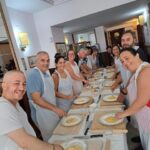
- A fun group setting where you can talk while you cook
- A mix of cooking and aperitivo with Aperol, Campari, and Limoncello
It’s also great for mixed skill levels. The class description specifically frames it as friendly for both beginners and seasoned cooks. That’s a good sign: you can learn something even if you already know your way around a kitchen.
You might want to skip it if:
- You don’t drink alcohol and don’t want a class where cocktails are included
- You want a strictly quiet, sit-down experience without multitasking
Practical tips to make your class day smoother
These aren’t listed in the basic details, but they help you get the most out of a hands-on rooftop kitchen:
- Wear clothes you’re okay getting flour on. Pasta work is messy by nature.
- Arrive ready to cook, not just watch. The best part is what you do with your hands.
- If you have strong preferences about spritz sweetness or bitterness, start by paying attention to which cocktail you like most.
- If you’re traveling with others, use the downtime between steps to chat. The atmosphere is designed for it.
And one more: take a moment before you eat to savor the fact that your plate exists because you made it. That’s the whole point of a class like this.
Should you book this rooftop pasta and cocktails class?
Yes, I’d book it if you want an enjoyable, skill-building Rome meal experience with fresh pasta, two traditional Roman dishes, and three included Spritz cocktails in a rooftop setting. The combination is exactly the kind of memory that makes a trip feel rounded.
But book with eyes open if you don’t want alcohol involved, because the Spritz lineup is part of the package. And if you’d rather collect history from guide narration, this is more hands-on and kitchen-focused than lecture-heavy.
If you want a practical “Rome highlight” that feels like la dolce vita rather than another line you stand in, this is a solid bet.
FAQ
How long is the cooking class in Rome?
The class runs for 3 hours.
What will I make during the class?
You’ll make fresh pasta from scratch and prepare two traditional Roman dishes from scratch.
Are drinks included?
Yes. You’ll sip three classic Italian Spritz cocktails while cooking: Aperol, Campari, and Limoncello.
Where does the class take place?
The experience is described as a rooftop cooking class in Lazio, Italy, with city views.
What languages are available for the instructor?
The instructor supports English, Italian, and Spanish.
Is the class wheelchair accessible?
Yes, it is wheelchair accessible.
How much does it cost?
The price is $71 per person.
Can I cancel and get a refund?
Free cancellation is available up to 24 hours in advance for a full refund.
Is reserve and pay later available?
Yes. You can reserve now and pay later.
Is the class suitable for beginners?
Yes. It’s designed for both beginners and people who already cook.