REVIEW · SIENA
Siena: Traditional Tuscan Cooking Class with Fresh Pasta
Book on GetYourGuide →Operated by Scuola di cucina di Lella · Bookable on GetYourGuide
Fresh pasta by hand beats just watching. In this Siena cooking class, you get a full meal experience, from starter to dessert, and you’ll make the pasta yourself. I also love that the focus stays practical, not showy: local ingredients, hands-on prep, and English recipes to take home. One thing to plan for: you’ll want to arrive hungry and ready, because the lesson ends with dinner.
This is the kind of activity that turns Tuscany from a postcard into something you can smell and taste. The only real drawback is that it’s not a quick snack—3.5 hours is a real block of your day, so pick a time when you’re not already exhausted from sightseeing.
Key things I’d prioritize
- Chef Francesco leads the kitchen with step-by-step guidance while you work
- Fresh pasta is the centerpiece, with everyone having a chance to shape it
- You cook a full menu, not just a single dish, then eat together at a set table
- Local sourcing matters, with ingredients brought in as locally as possible
- Dietary substitutions are offered for gluten-free and vegetarian diets
- Wine is included with your meal, so you’re not paying extra at the end
In This Review
- A Siena Cooking Class That Feels Like Real Dinner, Not a Demo
- Meeting Chef Francesco at Scuola di cucina di Lella (Ground Floor)
- The 3.5-Hour Flow: Starter, Soup, Pasta, Main, Dessert
- Starter and soup: warming up the flavor base
- Fresh pasta with sauce: the main event
- Meat and side dish: the Tuscan plate comes together
- Dessert: finish with something sweet
- Making Fresh Pasta by Hand: What You Learn (and Why It Matters)
- Bonus: traditional pasta shapes and real-world adjustments
- Local Ingredients in a Tuscan Cooking Class You Can Actually Taste
- Dinner at the Table: Eating What You Made with Local Red Wine
- Dietary Options: Gluten-Free and Vegetarian Substitutions
- Price and Value for $147.27 per Person
- Practical Tips So You Get the Best Results
- Who Should Book This Siena Cooking Class (and Who Might Skip It)
- Should You Book This Siena Traditional Cooking Class?
- FAQ
- How long is the Siena traditional cooking class?
- What will I cook during the class?
- Do I get to make fresh pasta myself?
- Is wine included?
- Are recipes provided, and are they in English?
- Can vegetarians or gluten-free guests join?
- What languages are used during the lesson?
- Is pickup and drop-off included?
- Where do I meet for the class?
- Is the school wheelchair accessible?
- Is it suitable for children?
A Siena Cooking Class That Feels Like Real Dinner, Not a Demo
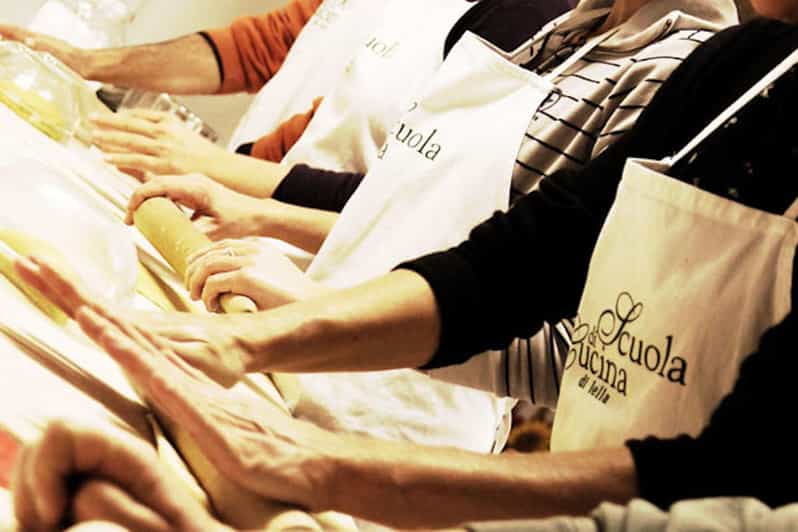
If you’re in Siena and you want more than a ticket and a photo, this class is a strong choice. The format is built around one simple idea: you’ll make traditional Tuscan food, then sit down and eat what you cooked. That changes the whole vibe. You’re not waiting for someone else’s meal. You’re responsible for yours.
What makes it extra appealing is the hands-on fresh pasta part. You’ll get guidance, but you also do the rolling, shaping, and timing. That’s the difference between a fun experience and one you can actually repeat later at home using the English recipes provided.
There’s also a nice built-in pacing. You’ll move through the menu components (starter, soup, pasta course, meat with side dish, and dessert) instead of being stuck on one station for the entire time. It keeps your brain engaged and your hands busy.
Meeting Chef Francesco at Scuola di cucina di Lella (Ground Floor)
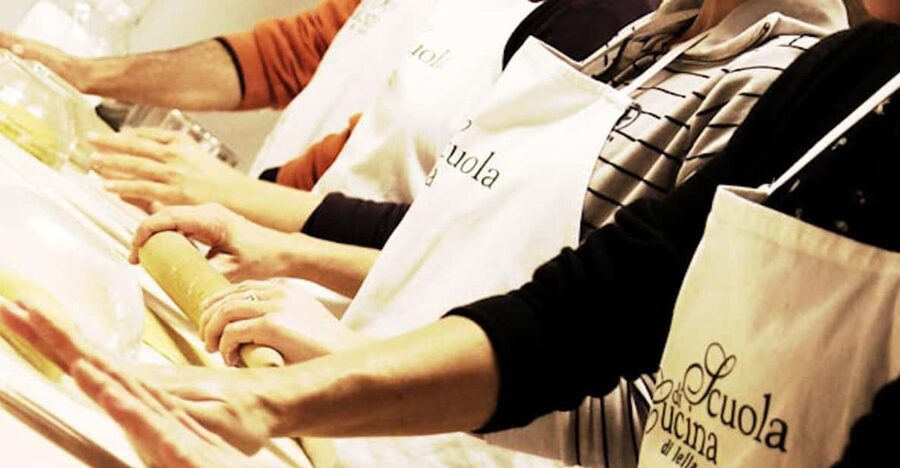
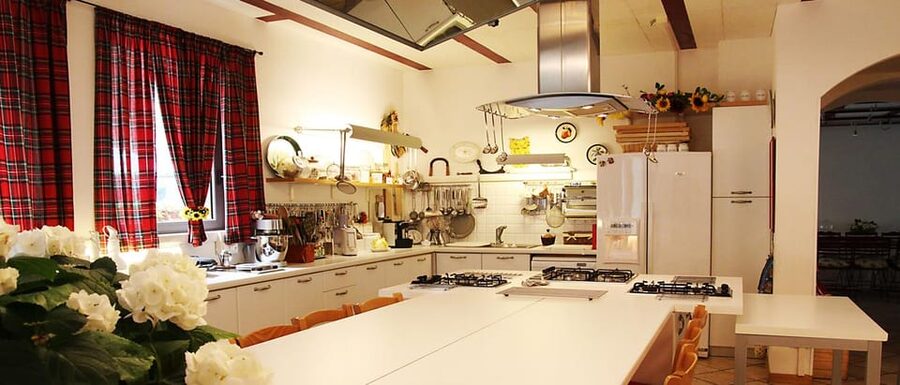
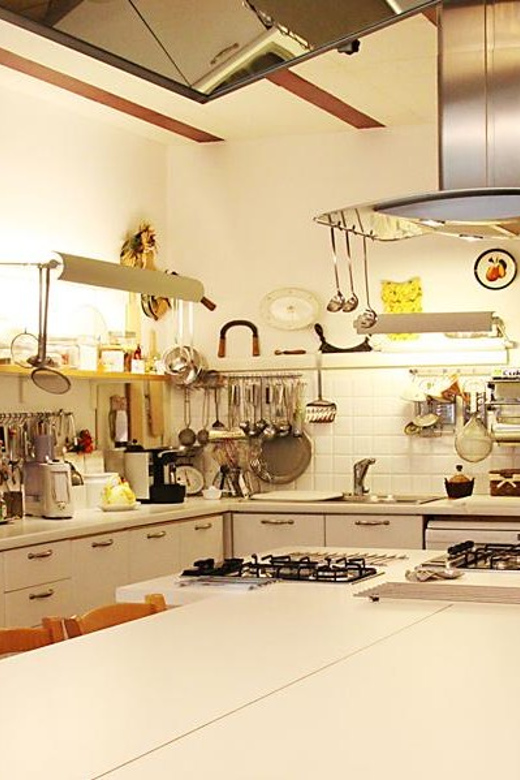
You’ll start by following signs for Scuola di cucina di Lella. The good news: the school is on the ground floor, so you’re not wrestling with stairs after a day in old streets and uneven sidewalks.
Inside, you’ll be supported by an English/Italian instruction team. Chef Francesco does the cooking and teaching, and the class is structured so you’re not left alone with tasks you can’t figure out. Language mix matters here: you’ll have explanations in Italian from the chef, with English help from the host/instructor, so you can connect the technique to what you’re doing.
Also, this is one of those experiences where group size tends to feel manageable. The room is set up for everyone to work on the pasta at some point, which is the part that usually gets watered down in big classes. Here, that doesn’t seem to be the vibe.
You can also read our reviews of more tours and experiences in Siena.
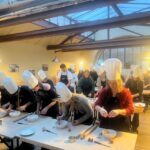
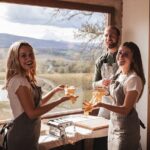
The 3.5-Hour Flow: Starter, Soup, Pasta, Main, Dessert
This lesson runs about 3.5 hours, and the menu is built like a proper Tuscan meal. You’ll prepare multiple components, so you get a sense of how Italian cooking works as a system: flavors stack, textures change, and sauces matter.
Here’s the order you should expect as you move through the cooking stations:
Starter and soup: warming up the flavor base
You’ll begin with a starter, then also work on a soup component. These early parts are important because they teach you how Tuscan meals open. It’s not just about taste; it’s about building rhythm—how you season, how you manage heat, and when you stop cooking.
If you’re someone who likes to understand what’s happening (rather than just following steps), this early segment is a good place to ask questions. The chefs are focused on traditional recipes, and you’ll pick up the practical logic behind them.
Fresh pasta with sauce: the main event
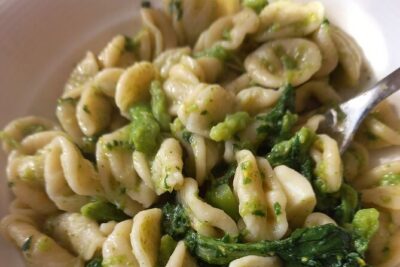
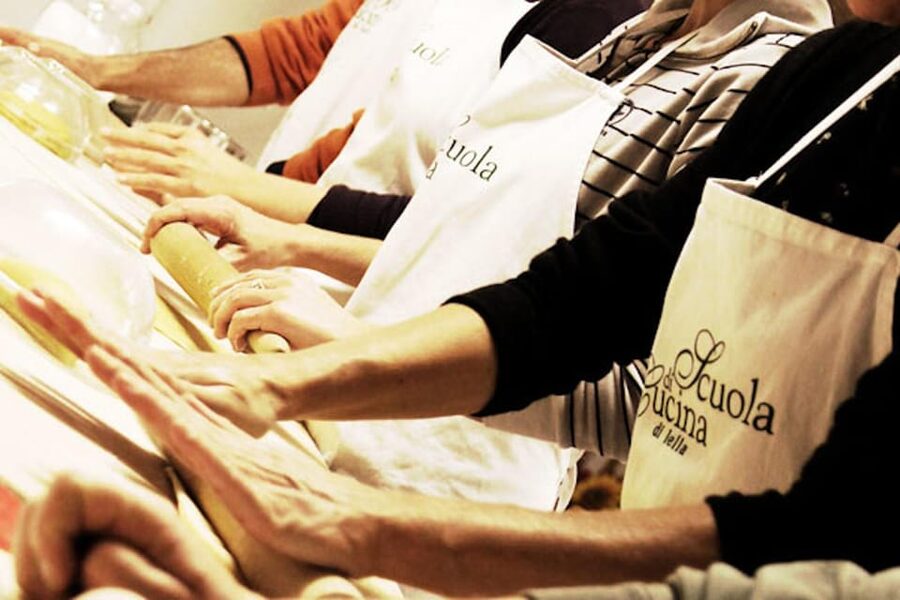
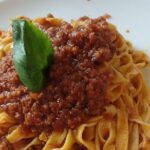
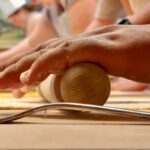
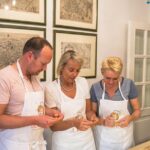
Next comes the centerpiece: fresh pasta with sauce. Everyone gets the chance to shape pasta by hand, and the chef will guide you as you learn. You’ll also learn how the sauce and pasta fit together, which is where homemade pasta really earns its reputation.
Don’t treat this section like a casual craft. The dough, rolling, and timing matter. When you get it right, it tastes like something you can’t buy in a package.
Meat and side dish: the Tuscan plate comes together
After pasta, you’ll move to the meat and side dish part. This is the point where the meal stops being “components” and becomes a plate that looks—and tastes—like Tuscany.
Even if you’re not a huge meat eater, this segment is useful because it teaches you how Tuscan cooking thinks about balance: savory, rich, and grounded by sides that keep the meal from feeling heavy.
Dessert: finish with something sweet
Finally, there’s dessert. You’ll close out the lesson by learning how the meal ends the way it should—calm and satisfying, not rushed. It also gives you a nice contrast after the savory cooking.
Making Fresh Pasta by Hand: What You Learn (and Why It Matters)
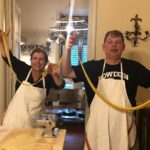
This class is built around the idea that pasta skills are teachable. You’re not watching a chef perform magic while you hold your phone. You’ll have your own hands on the dough, and the point is to understand what changes when you roll and shape correctly.
You’ll likely spend time learning technique that covers:
- how to work with dough texture
- how to roll properly (so the pasta cooks evenly)
- how to shape the pasta so it holds sauce well
Even when the work is slow, that’s part of the value. You’re not just getting a meal; you’re building muscle memory and confidence. And the English recipes to take home help you recreate the steps later without guessing.
Bonus: traditional pasta shapes and real-world adjustments
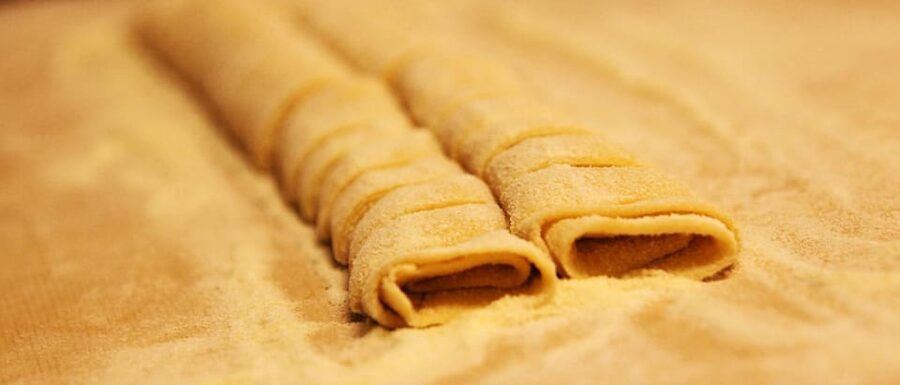
In many sessions, the class includes classic Tuscan pasta shapes (often the type of pasta people associate with the region). If you catch on quickly, you may be asked to try again and refine your technique. If you don’t, it’s still a learning win—you’ll see what changes when you adjust thickness and shape.
It’s hands-on learning with enough structure that you don’t feel lost.
Local Ingredients in a Tuscan Cooking Class You Can Actually Taste
The ingredients are as local as possible, and that detail matters more than it sounds. Fresh pasta and classic recipes are forgiving in the sense that they don’t need fancy gear. But flavor depends on ingredients that taste like they’re supposed to.
When ingredients are local and fresh, you notice it in:
- sauce taste (less flat, more alive)
- herb and produce flavor
- the way everything feels less greasy or dull compared with mass-produced substitutes
This class doesn’t promise gourmet theatre. It promises real food you’d recognize as Tuscan, because the cooking is based on traditional recipes and locally sourced products.
Dinner at the Table: Eating What You Made with Local Red Wine
The lesson ends with a meal you’ll actually eat at the table. You’ll get to enjoy the food you prepared, and local Tuscan red wine is included with dinner. That’s a smart touch. It turns the end of the class into a complete experience instead of “okay, now you go.”
This is also where your work pays off psychologically. When you taste something you shaped and cooked yourself, you understand it differently. You can pick up how sauce clings, how herbs sit in the flavor, and how the final texture should feel.
Also, the class has a helpful nudge before you start: eat very little before you come. You want your appetite intact for the full meal you’ll finish making.
Dietary Options: Gluten-Free and Vegetarian Substitutions
If you need adjustments, this matters: gluten-free and vegetarian substitutions are provided. That’s not guaranteed at every cooking class, so it’s a real advantage.
What you should expect is that the menu components remain part of the experience, but you’ll be guided toward a version that fits your dietary needs. If you have a serious allergy beyond the stated options, you may want to confirm specifics directly before booking, since the data here only confirms gluten-free and vegetarian substitutions.
Price and Value for $147.27 per Person
At $147.27 per person, this isn’t the cheapest activity in Siena. But it’s also not pretending to be one. You’re paying for a real cooking lesson that includes:
- instruction from a local expert chef
- hands-on pasta making for the group
- a multi-component meal (starter, soup, pasta with sauce, meat and side dish, dessert)
- wine included
- English recipes you can take home
When you break it down, you’re essentially booking a private-feeling cooking workshop plus dinner. And because fresh pasta is involved, you’re not just getting a meal—you’re learning a skill that’s hard to replicate without guidance.
If you like food experiences where you do the work and then enjoy the result, the price starts to make a lot more sense.
Practical Tips So You Get the Best Results
A few small things can make or break your experience. Here’s how to set yourself up well:
- Arrive hungry. The class explicitly suggests eating very little beforehand. If you show up full, the dinner part will feel less satisfying.
- Wear comfortable clothes and shoes. You’ll be standing and working with dough, and you’ll want to move easily.
- Go in with curiosity, not perfection. You’ll learn as you go. Fresh pasta is technique-driven, and it’s okay if your first attempt isn’t your final form.
- Use the recipe handouts. The English recipes are included, and they’re most useful right after class while the steps are still fresh in your mind.
If you want the most authentic feel, treat it like dinner prep. Pay attention to what the chef is correcting and why.
Who Should Book This Siena Cooking Class (and Who Might Skip It)
This experience is a great fit if you:
- want a traditional Tuscan cooking experience instead of a quick tasting
- enjoy hands-on classes where you actually cook
- like finishing the day with a full meal you helped make
- want something social but still focused, since the class format supports active participation
You might choose something else if:
- you’re short on time and can’t spare 3.5 hours
- you’re expecting a kid-focused activity (it’s not suitable for children under 7)
- you only want a light appetizer and don’t want a full dinner format
Should You Book This Siena Traditional Cooking Class?
Yes—if you want a memorable food day that doesn’t end with just photos. The combination of handmade fresh pasta, a full menu, and the fact that you dine on what you made is a strong value formula. Add in wine and take-home recipes, and it becomes more than a class; it becomes a skill plus a meal.
Book it especially if you love Tuscan flavors and want to understand the logic behind traditional recipes. If you’re on the fence, consider this your sign: a good cooking class in Italy should leave you full, smarter, and slightly proud of your own dough.
FAQ
How long is the Siena traditional cooking class?
The lesson lasts about 3.5 hours.
What will I cook during the class?
You’ll prepare a starter, soup, fresh pasta with sauce, a meat and side dish, and dessert.
Do I get to make fresh pasta myself?
Yes. Everyone has the opportunity to prepare their own fresh pasta.
Is wine included?
Yes. Dinner includes local Tuscan red wine.
Are recipes provided, and are they in English?
Yes. Recipes in English are provided to take with you.
Can vegetarians or gluten-free guests join?
Yes. There are substitutions available for gluten-free and for vegetarian diets.
What languages are used during the lesson?
The instruction is in English and Italian.
Is pickup and drop-off included?
No. Pickup and drop-off are not included.
Where do I meet for the class?
Start by following the signs for Scuola di cucina di Lella.
Is the school wheelchair accessible?
Yes. The school is wheelchair accessible and is on the ground floor.
Is it suitable for children?
No. It is not suitable for children under 7 years.