REVIEW · SIENA
Siena: Pasta and Tiramisu Cooking Class with Wine
Book on GetYourGuide →Operated by The Roman Food Tour · Bookable on GetYourGuide
Fresh pasta in Siena beats staring at menus. In this Prosecco-started, 3-hour pasta dough class at Trattoria Fonte Giusta, you’ll make three styles of pasta and your own tiramisu, then eat what you made with wine. The main drawback: it’s not a safe pick if you have serious gluten, dairy, egg needs or food allergies, since they can’t guarantee zero cross-contact.
The format is friendly and practical. You work at a station with clear, step-by-step coaching, and the atmosphere stays social without feeling chaotic. From the guide names shared by past groups, you might get someone like Natalia or Dennis, and the class is set up so small groups can keep moving.
In This Review
- Quick Take: What Makes This Siena Cooking Class Worth Your Time
- Arriving at Trattoria Fonte Giusta: The Easy Start That Sets the Tone
- What Happens During the 3 Hours: A Clear Flow from Dough to Dinner
- The Pasta Workshop: Egg Pasta, Pici, and Potato Gnocchi
- Egg pasta: learning the classic texture
- Pici: the egg-free local approach
- Gnocchi dough: potato-driven shaping instincts
- What I think is the most useful takeaway
- Tiramisu Time: How the Chef Teaches the Cream
- Dinner After Cooking: Eating in a Real Siena Restaurant With Wine
- Price and Value at $81: What You’re Really Paying For
- Who Should Book This Siena Class (And Who Should Think Twice)
- You’ll love it if…
- You should think twice if…
- Families
- Practical Tips to Make Your Pasta (and Tiramisu) Go Right
- Should You Book This Siena Pasta and Tiramisu Class?
- FAQ
- Where is the meeting point for the class?
- How long is the Siena pasta and tiramisu cooking class?
- Do you make pasta and tiramisu during the class?
- Is there alcohol included?
- Is the class in English?
- What’s included in the price?
- Are dietary options available?
- Is hotel pickup or drop-off included?
Quick Take: What Makes This Siena Cooking Class Worth Your Time
- Prosecco welcome: You start with a glass right when you walk in.
- Three pasta doughs in one session: Egg pasta, pici (no egg), and potato gnocchi dough.
- Tiramisu made alongside the chef: You learn the cream approach and assemble your own.
- You eat in a real restaurant setting: Your meal comes right after cooking, with wine.
- Small-group rhythm: Each group works separately at its own pace, usually around a dozen people.
- Big satisfaction factor: People repeatedly call out the food volume and the fun group energy.
Arriving at Trattoria Fonte Giusta: The Easy Start That Sets the Tone
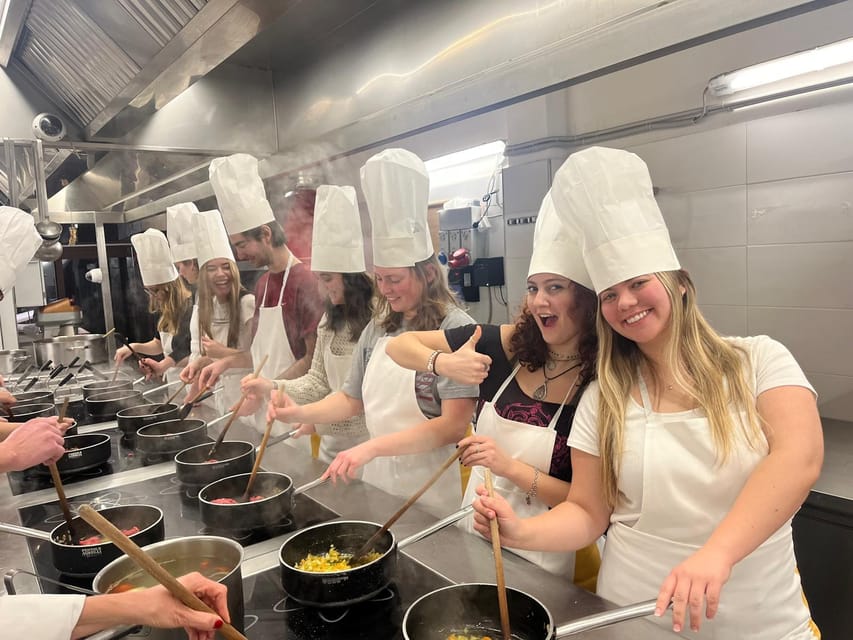
This class meets inside Trattoria Fonte Giusta, which is exactly what you want in a place like Siena. No long trek, no guessing where to stand. You enter the restaurant, get settled, and you’re greeted with a glass of Prosecco to start things off on a good note.
That small opening matters more than you’d think. It helps you switch from tourist mode to kitchen mode quickly, especially if you’ve been walking around Siena’s streets beforehand. And because the class is only about 3 hours, you don’t want a slow start.
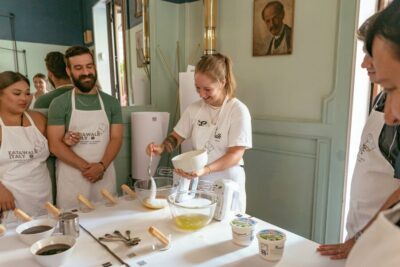
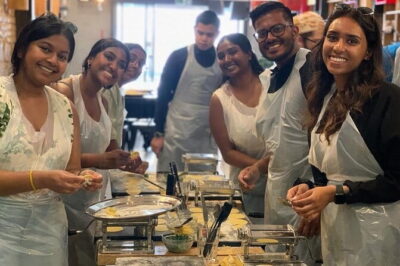
The vibe stays welcoming. You’ll be put in an apron and guided to your workstation, where everything is arranged so you can actually cook, not just watch. This is one of those activities where the staff want you to succeed, even if your hands are still learning how dough should feel.
You can also read our reviews of more tours and experiences in Siena.

What Happens During the 3 Hours: A Clear Flow from Dough to Dinner
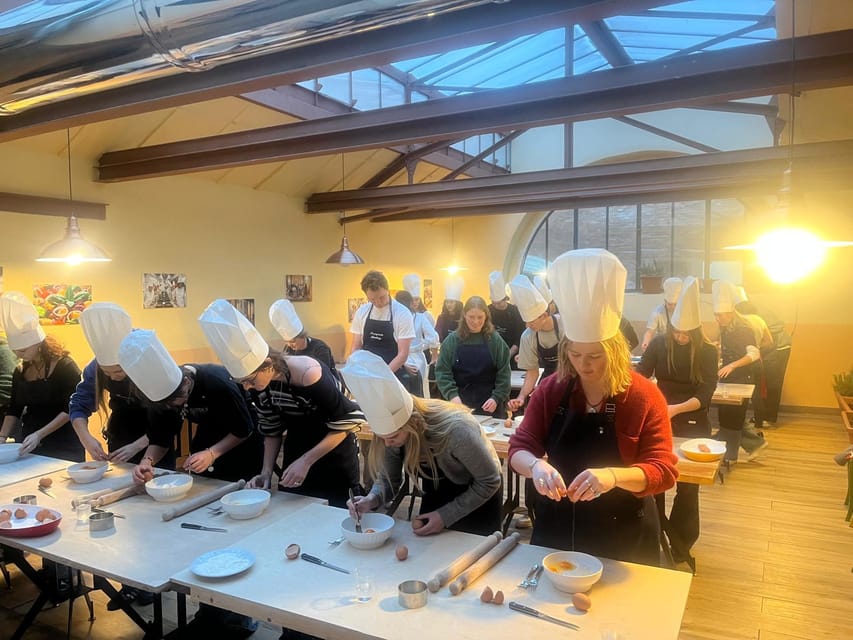
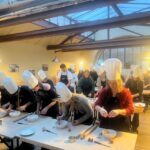
The class is built like a simple sequence: prep, pasta practice, tiramisu practice, then you eat. That flow keeps it fun. You get progress, not just a long lecture.
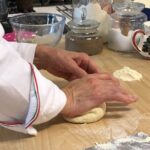
First, you wash up and put on an apron. Then the chef/guide starts with the dough work. You’ll make three different pasta dough bases, and the coaching focuses heavily on consistency—how the dough should feel at each stage.
After the pasta is done, you move to tiramisu. You take a seat briefly, listen as the chef explains the cream method, and then you build your own tiramisu with guidance. After that, you gather to eat what you made, usually in a restaurant setting right next door, paired with wine.
If you like experiences with an obvious payoff, this one delivers. You leave with both skills and dinner.
The Pasta Workshop: Egg Pasta, Pici, and Potato Gnocchi
This is the heart of the class. You’re not making one pasta and calling it a day—you’re learning how three doughs behave differently.
Egg pasta: learning the classic texture
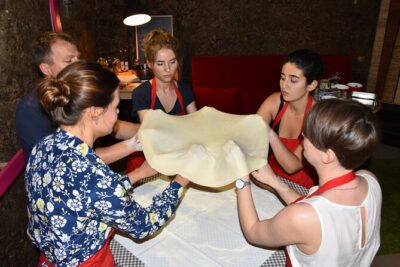
You’ll work with pasta dough that uses eggs, which is the traditional route. The guide’s main job here is to help you understand dough feel: when it’s too dry, too wet, or just right. Expect hands-on instruction, with the chef walking around and correcting as you go.
Even if you’re a first-timer, the payoff is fast. Fresh egg pasta dough is elastic and forgiving once you get the balance right. You’ll start to notice how kneading and rest time affect the final shape and chew.
Pici: the egg-free local approach
Next comes pici, the local pasta made without eggs. That change isn’t just a diet detail—it affects the dough behavior. Egg-free dough can feel tighter at first and needs different attention in kneading and handling.
You’ll learn how to work with it so it stretches smoothly rather than snapping back. And because the class positions pici as a Siena/Tuscany-rooted style, it feels more like local knowledge than a generic cooking demo.
Gnocchi dough: potato-driven shaping instincts
Finally, you work with potato dough for gnocchi. Potato changes everything: the dough can go from perfect to sticky if you treat it casually. So the chef’s guidance on consistency and handling is the difference between dough that rolls nicely and dough that clings to everything.
This part is ideal if you want a real skill you can repeat later. Once you understand how potato dough should feel, you can carry that logic into other gnocchi-making at home.
What I think is the most useful takeaway
You’re not just learning recipes—you’re learning a dough-reading system. That matters when you cook later and your kitchen conditions differ (flour brand, humidity, egg size, the whole reality thing).
Tiramisu Time: How the Chef Teaches the Cream
Once the pasta is handled, you switch gears. There’s a short sit-down moment, and then the tiramisu part starts.
The program centers on how the perfect cream is made and what techniques matter when mixing. You’ll watch the chef’s method, then assemble your own tiramisu together with your group. So you’re not just tasting dessert—you’re learning what makes tiramisu work.
One detail worth noting from the class format: the activity describes tiramisu as hands-on assembly, but in real life, the amount of mixing you do can vary by group and pacing. Either way, you’ll leave with clear guidance on the cream approach, and you’ll see the textures the chef is aiming for.
If pasta is the workout, tiramisu is the payoff. You get that instant sense of achievement because dessert is the easiest thing to recognize when it’s done right.
Dinner After Cooking: Eating in a Real Siena Restaurant With Wine
Here’s the part that turns the class from educational into genuinely memorable: you eat your work in a restaurant setting. After your cooking session, you’re seated for lunch or dinner, where the meal matches the effort you put in.
Your homemade pasta typically arrives with sauces prepared by the restaurant side of the operation—commonly tomato sauce and a meat sauce—so you’re not stuck trying to manage every component at once. You’ll also get a choice of red or white wine with your meal.
Many people mention this meal phase as a highlight because it’s social. You sit with your group, you compare how everyone’s dough turned out, and the dining feels like part of the same experience rather than an add-on.
Portion size also seems to be a theme. People report there’s plenty to eat and even the chance to take leftovers home (a doggy bag). That means you’re not leaving hungry, and you don’t have to rush to find dinner plans afterward.
Price and Value at $81: What You’re Really Paying For
$81 per person sounds simple, but the value comes from what’s included in that 3-hour block.
You’re paying for:
- a hands-on cooking lesson (three pasta doughs plus tiramisu),
- a Prosecco welcome,
- a glass of wine with the meal,
- lunch or dinner,
- apron and cooking equipment.
So you’re not just buying ingredients. You’re buying time with a chef who teaches you how to get the dough right—then you eat in a restaurant immediately after.
Also, the class includes dietary accommodation options in their messaging, but with important limits. This is where value can change. If you’re in a category that can’t participate safely (for example, vegans or people with lactose intolerance or gluten intolerance), you’ll want to skip it or confirm carefully before paying.
If you can eat the traditional ingredients, I think this price is reasonable for what you get: skill-building plus a full sit-down meal plus wine.
Who Should Book This Siena Class (And Who Should Think Twice)
You’ll love it if…
You want a beginner-friendly way to learn Italian cooking without studying for months first. The class is set up for real participation, and the instruction style is described as patient and organized. People who went solo also seem to like the group setup because it’s easy to chat while you cook and then eat together.
This also works well on rainy days. Siena’s weather can be moody, and a scheduled indoor activity like this is a great Plan B that still feels like the real Italy.
You should think twice if…
The fine print says the class is not suitable for vegans and it’s also not suitable for lactose intolerance. It also won’t work for people with food allergies or gluten intolerance. There’s an additional caution: even with substitutes, they can’t guarantee 100% free of cross contamination.
That means if your needs are serious, don’t rely on wishful thinking. Contact the provider with your specific restrictions before booking, and be ready to choose a different experience if they can’t safely accommodate you.
Families
Children under 3 years aren’t suitable, so it’s not the best option for very young kids. If you’re traveling with older kids, you’ll still want to consider that wine and Prosecco are part of the experience, and the cooking involves real dough handling.
Practical Tips to Make Your Pasta (and Tiramisu) Go Right
A few things will help you get the best results and enjoy the class more.
- Pay attention to dough consistency. This class explicitly focuses on the exact feel of the dough. If you treat it like playdough, you’ll lose the guidance the chef is giving you.
- Ask questions early. When the chef walks around, that’s the time to fix problems. Waiting usually turns a small mistake into sticky frustration later.
- Plan to relax for the meal phase. Don’t schedule anything right after. The lunch/dinner portion is part of the value.
- Share dietary needs up front. If you have a restriction, tell them when booking. The class uses traditional recipes and cross-contact isn’t guaranteed to be zero.
- Take the recipes home. Some participants mention that recipe information is provided at the end. If it’s offered in your session, grab it—it’s your shortcut to recreating this at home.
Should You Book This Siena Pasta and Tiramisu Class?
Book it if you want a hands-on, low-stress way to learn real Italian basics in Siena—fresh pasta dough plus tiramisu—and then enjoy it immediately in a proper restaurant meal. The included Prosecco, wine, and sit-down lunch/dinner make it feel like more than a cooking demo. And the small-group setup helps you actually practice instead of standing around.
Skip it if you’re vegan, lactose intolerant, gluten intolerant, or you have food allergies that require strict avoidance and clean handling. The class can’t guarantee cross-contact safety, and the fine print is clear that certain groups shouldn’t attend.
If you’re someone who likes leaving a trip with skills you can use back home, this is one of those activities that pays off fast.
FAQ
Where is the meeting point for the class?
You meet at Trattoria Fonte Giusta, and you should enter the restaurant.
How long is the Siena pasta and tiramisu cooking class?
The experience lasts 3 hours.
Do you make pasta and tiramisu during the class?
Yes. You learn to make three types of pasta dough and then prepare tiramisu.
Is there alcohol included?
Yes. You receive a welcome glass of Prosecco and a glass of wine with your meal.
Is the class in English?
Yes, there is a live guide in English.
What’s included in the price?
Included are the Prosecco welcome glass, the pasta and tiramisu cooking class, lunch or dinner, a glass of wine, plus an apron and cooking equipment.
Are dietary options available?
The activity notes that vegetarian, vegan, lactose intolerant, and other diets are supported, but it also says it is not suitable for vegans, lactose intolerance, food allergies, and gluten intolerance. You should inform the provider about allergies or restrictions when booking.
Is hotel pickup or drop-off included?
No. Hotel pickup and drop-off are not included.