REVIEW · ROME
Cesarine: Market Tour & Cooking Class at Local’s Home in Rome
Book on Viator →Operated by Cesarine: Cooking Class · Bookable on Viator
Cooking in Rome starts at the market.
This private cooking class with a Cesarine (local home chef) sends you into a local market to pick ingredients, then back to the chef’s home to learn classic Roman dishes step by step. You get the real rhythm of everyday food culture, not just a lesson in recipes, and you finish by sitting down to what you made.
What I love most is the hands-on teaching in a home kitchen, with your host coaching you as you cook. I also like that the meal is more than a snack: you end with a three-course dinner served with wine and coffee, so the whole experience feels like you actually ate like Romans for the afternoon.
One consideration: at about $225.18 per person, this is a splurge. If you’re trying to hit every major sight at low cost, you’ll have to decide whether an evening of cooking and dining in someone’s home is the smartest use of your time.
In This Review
- Key highlights you should care about
- The 10:00 am meeting point and what the timing buys you
- Market shopping with a Cesarina: choosing ingredients like a Roman
- Back to the home: what a private Roman kitchen feels like
- What you’ll cook: Roman pasta and sauces, taught step by step
- The starter and dessert: where Roman sweetness and simplicity show up
- The three-course meal: wine, coffee, and actually eating together
- Price and logistics: is $225.18 per person good value?
- Who this tour is best for (and who should skip)
- Should you book this Cesarine cooking class in Rome?
- FAQ
- What is the duration of the Cesarine market tour and cooking class?
- Where does the experience take place and where does it end?
- Is this tour private?
- What language is offered?
- What’s included in the meal?
- Is wine or coffee included?
- What is the cancellation policy?
- Final thoughts: making it worth your time
Key highlights you should care about
- Market shopping with your home chef so you buy ingredients you’ll actually cook with
- Private group experience in a real Roman home, not a classroom
- Practical pasta skills using fresh dough and Roman-style sauces
- A complete meal included with starter, main pasta, and Roman dessert
- Wine and coffee with dinner to round out the experience like a proper meal
The 10:00 am meeting point and what the timing buys you
This runs about 4 hours 30 minutes, starting at 10:00 am. That mid-morning start is smart in Rome. You get the best window for market shopping, and you’re done before late afternoon turns your energy into a walking-only state.
Your meeting point is listed in the Province of Rome (Lazio), and it’s noted as being near public transportation. Even if you’re coming by bus or metro, you should be able to reach it without stress. Also, it’s a mobile ticket experience, which is ideal in Rome when you’re already juggling transit, maps, and the occasional wrong turn.
Because it’s a private tour/activity, it’s just your group. That matters here: cooking gets better when you can ask questions, adjust as you go, and not feel rushed around a shared station.
You can also read our reviews of more tours and experiences in Rome.

Market shopping with a Cesarina: choosing ingredients like a Roman
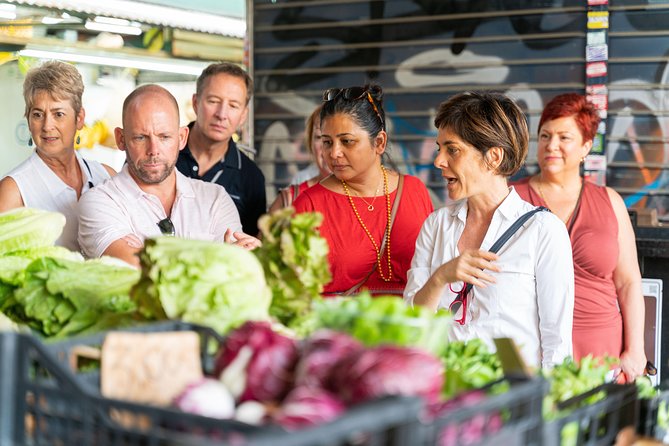
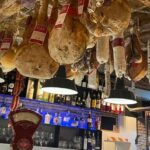
The experience starts in a local market and traditional food shops area. This isn’t a stop where you look around and move on. The goal is to learn what to buy and why, and then carry those choices back into the kitchen.
In real terms, you’ll spend time with your Cesarina guide as you select ingredients for lunch and dinner. Many hosts also include a quick food moment along the way. For example, one host-led group described tasting pork during the market discussion, which is exactly the kind of practical learning that makes a cooking class feel grounded.
Here’s what you should watch for while you shop:
- How your chef explains what’s in season and what makes Roman cooking taste like Roman cooking
- What forms of pantry staples show up in local shops (and how they differ from what you’d grab at home)
- How quickly market buying turns into a menu plan, so you can see the logic behind the dishes
Why this is valuable: Rome can be overwhelming. Markets give you an anchor. You stop thinking about tickets and timelines and start thinking about ingredients, the way locals do.
Back to the home: what a private Roman kitchen feels like
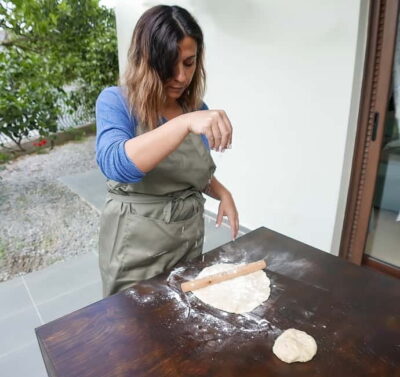
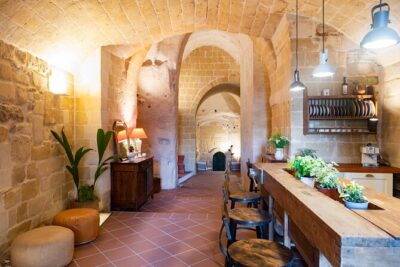
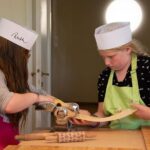
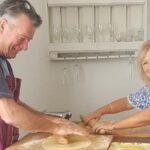
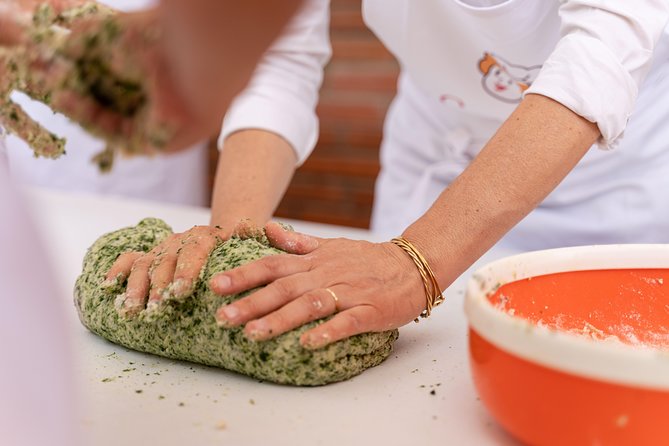
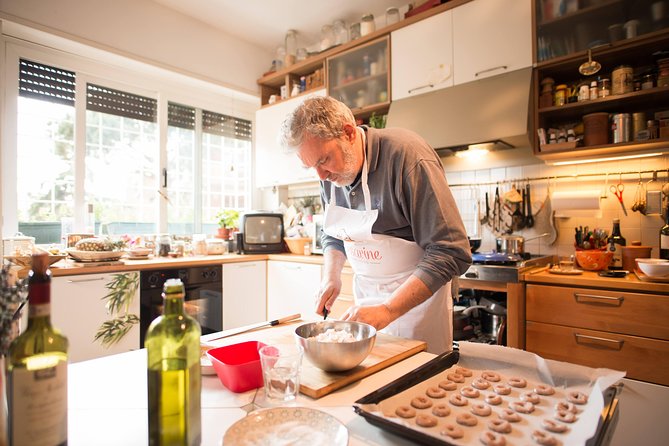
After shopping, you head to your chef’s home. This is where the experience gets personal. You’re not in a big group cooking theater. You’re in a real apartment kitchen with a setup designed for teaching.
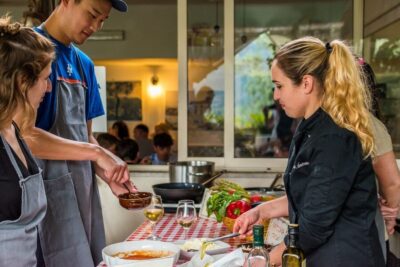
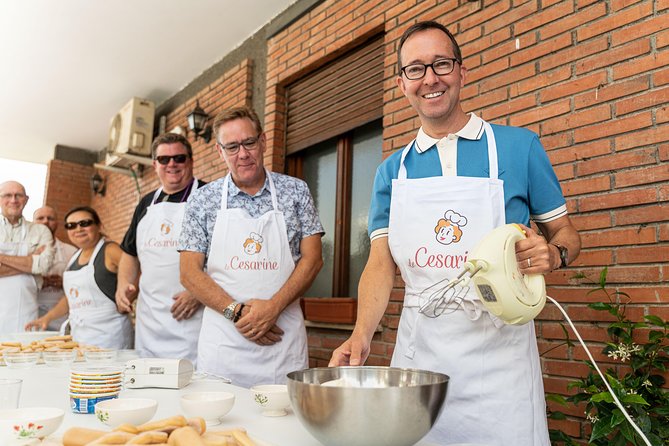
In one account, the hosts greeted their group with freshly baked pastries before heading out, which signals the tone: you’re treated like an invited guest, not a customer being processed. Another group described special aprons and cooking stations set up specifically for the couple, with the host walking them through each step.
What you’re paying for here isn’t fancy equipment. It’s the attention. You can ask, you can troubleshoot, and you can actually learn. That’s also why the class format works well for first-timers: Roman home chefs can slow down and explain, instead of performing the recipe at high speed.
A quick practical note: being in a home kitchen means you’ll likely keep things flexible. Your class experience is built around the pace of your host, so wear comfortable shoes and plan to be inside cooking-dense space for the middle portion.
What you’ll cook: Roman pasta and sauces, taught step by step
You’ll learn classic Roman recipes tied to the dinner you eat. The sample menu points you to fresh pasta as the main, with common options like rigatoni, bucatini, or gnocchi. That’s useful because it shows you the direction: this is not a class about recreating fancy restaurant plates. It’s about Roman comfort food and technique.
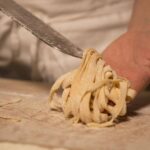
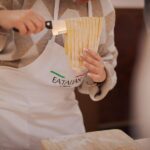
Depending on your host and the timing, you might specifically cook pasta dishes such as carbonara. At least one class experience called out guidance through carbonara and tiramisu, taught in a warm, relaxed way with laughs and conversation. Another group described making pasta they called guitar pasta (a method associated with cutting pasta), plus tiramisu.
You also get coaching on sauces. Even if you only remember a couple of principles, those principles travel well. The big takeaway you want from a Rome cooking class is not the exact ingredient list. It’s the method: how the sauce clings, how timing affects texture, and what makes a Roman sauce taste like it does.
The starter and dessert: where Roman sweetness and simplicity show up
Your menu includes a starter described as a seasonal starter. Seasonal is the key word here. Even without knowing every exact dish beforehand, you can expect something that matches what’s available locally, which is part of how Roman cooking stays grounded.
For dessert, the sample menu gives several Roman-leaning options. You might enjoy a ricotta and cherry tart, or Roman tiramisu, or chocolate shortbread, or something similar to typical Roman desserts. That range matters because it means you’re not stuck with one template. The chef can align dessert with what the home kitchen does well and what fits the menu that day.
A good sign from the experiences people describe: dessert doesn’t feel like an afterthought. You’re taught, you eat, and you get coffee at the table afterward, which ties dessert into the meal instead of treating it like a separate event.
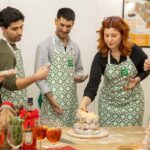
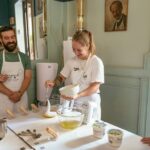



The three-course meal: wine, coffee, and actually eating together
This class ends with a three-course meal you’ve made (or at least finished with your own hands in the kitchen). And yes, it comes with a selection of local wine plus coffee.
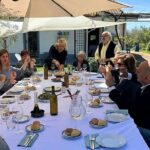
That part is easy to underestimate. In a normal cooking class, you cook and then someone else clears the plates. Here, the meal is the payoff, and the social structure matters. One group described gathering around the table for a full feast, and another highlighted a quieter, romantic meal after cooking.
What you’re getting isn’t just flavor. It’s context. You learn how Romans talk about food—without it sounding like a lecture. You see how the chef pairs wine with the meal, and you get a sense of what a finished Roman lunch or dinner feels like.
Also, being in a home setting changes your taste experience. The meal feels tied to the market you walked through earlier. That connection is often what stays with you longer than any single recipe.
Price and logistics: is $225.18 per person good value?
At $225.18 per person for about 4.5 hours, this isn’t a budget activity. But it can be good value if you want three things at once:
- Ingredient shopping with a local home chef
- A private, hands-on cooking experience (not a crowded group demo)
- A full sit-down meal with wine and coffee included
If you’re the kind of traveler who enjoys food more than checkpoints, the price tends to make sense quickly. You’re paying for the host’s time, their home, and their instruction, plus the food and drink that finish the class.
It’s less of a slam dunk if you mainly want photo stops and famous monuments. Cooking classes trade sight-seeing time for skills and a memorable meal. You’ll still see Rome, of course, but this is a food-first program.
Who this tour is best for (and who should skip)
This experience is a great fit if:
- You want a private class in a real home kitchen
- You love Roman cuisine and want to learn why the dishes work
- You like the idea of shopping for ingredients and then cooking what you bought
- You’re happy to spend a chunk of your day cooking, eating, and talking with your host
You might think twice if:
- You’re traveling on a tight budget
- You only want quick, low-effort experiences
- You prefer group formats where you’re mostly watching rather than cooking
If you’re celebrating something, it can be especially meaningful. One birthday cooking story described the celebration in the chef’s beautiful apartment, with a market walk and plenty of patience while learning.
Should you book this Cesarine cooking class in Rome?
Book it if you want Rome through food, not through only monuments. This is one of those activities where the value comes from the whole package: market buying, real home instruction, and a finished meal with wine and coffee.
Skip it if you’re trying to keep costs low or you’re short on time and want to prioritize major landmarks. In that case, the money is better spent on a simpler meal out and more walking time around the city.
If you do book, go with a simple mindset: eat what you make, ask questions, and don’t worry about being fast. In a home kitchen, learning is the point.
FAQ
What is the duration of the Cesarine market tour and cooking class?
It’s approximately 4 hours 30 minutes.
Where does the experience take place and where does it end?
It starts in the Province of Rome, Lazio and ends back at the same meeting point.
Is this tour private?
Yes. It’s listed as a private tour/activity, so only your group participates.
What language is offered?
The class is offered in English.
What’s included in the meal?
The experience includes a three-course meal: a seasonal starter, fresh pasta as the main (with options like rigatoni, bucatini, or gnocchi), and a Roman dessert (such as ricotta and cherry tart, Roman tiramisu, or chocolate shortbread).
Is wine or coffee included?
Yes. The meal is served with a selection of local wine and coffee.
What is the cancellation policy?
There is free cancellation up to 24 hours before the experience start time for a full refund.
Final thoughts: making it worth your time
This is best viewed as a food-based afternoon in Rome. When I look at the structure, it wins because you don’t just watch cooking. You shop, cook, and then sit down for a meal that feels complete. If that’s your style, you’ll likely come away with both techniques and a much better sense of how Romans actually eat.