REVIEW · OSAKA
Osaka Okonomiyaki Cooking Class “Learn here and make it at home”
Book on Viator →Operated by WashokuYanen · Bookable on Viator
Two pancake icons in one evening. You’ll learn to make okonomiyaki and takoyaki step by step, then sit down to taste what you made with drinks. I especially like that you get written guidance plus ingredient packaging tips so you can find what you need in Japanese supermarkets, and that the class stays hands-on. One catch: if you need vegetarian or allergy accommodations, you have to message after booking, so plan ahead instead of assuming changes are automatic.
This kitchen base is in central Osaka, about a 5-minute walk from Shinsaibashi and Honmachi stations. Despite the location, it’s described as a quiet neighborhood space, and the group stays small (up to 8), which makes it easier to ask questions. The downside is simply that this is a 3-hour session, so you’ll master the basics and key techniques, not get hours of unlimited practice.
In This Review
- Why Osaka Okonomiyaki and Takoyaki Are a Great Goal
- Small Group Energy Near Shinsaibashi and Honmachi
- Instructors Who Can Switch Languages (And Help You Cook)
- The 3-Hour Flow: Orientation, Cooking, Then Eating
- What You’ll Make: Okonomiyaki vs. Takoyaki
- Okonomiyaki: Savory Pancake With Cabbage and Fillings
- Takoyaki: Octopus-Filled Dough Spheres
- The 30-Minute Setup That Prevents Cooking Chaos
- Cooking Okonomiyaki: Heat, Texture, and the Right Finish
- Cooking Takoyaki: How to Get Crisp Edges and Round Shape
- The Best Part: Tasting Your Own Okonomiyaki and Takoyaki
- Price and Value: What $70 Buys You in Osaka
- Vegetarian and Allergy Notes: Don’t Assume, Message After Booking
- Practical Tips for Your Evening in the Kitchen
- Who Should Book This Osaka Cooking Class?
- Should You Book? My Decision Checklist
- FAQ
- FAQ
- How long is the Osaka okonomiyaki and takoyaki cooking class?
- Where does the class meet?
- What dishes will I learn to make?
- Are ingredients and cooking tools provided?
- Will there be an English-speaking instructor?
- Can the class accommodate vegetarian or food allergy needs?
- Are alcohol and soft drinks included?
- What’s the group size?
- What if the weather is bad?
Why Osaka Okonomiyaki and Takoyaki Are a Great Goal
If you’re visiting Osaka, you’ll hear about two street-food legends almost immediately: okonomiyaki and takoyaki. The fun part is that both dishes are built around repeatable fundamentals. You don’t just learn recipes. You learn how Japanese cooks think about texture, heat, and balance—so you can reproduce the results back home.
Okonomiyaki is a savory pancake where batter, cabbage, and fillings come together on a hot surface, then get finished with sauce, bonito flakes, and sea-inspired toppings. Takoyaki is the octopus-filled cousin: small, round, fried dough balls cooked until crisp, then finished with toppings that turn them glossy and savory.
What makes this class a smart choice is that it aims at the whole arc: preparation → cooking → tasting. You’re not watching someone cook for you. You’re learning the method so your next attempt doesn’t feel like guesswork.
Small Group Energy Near Shinsaibashi and Honmachi
Your meeting point is in Minami-senba (南船場), near both Shinsaibashi and Honmachi stations—about a 5-minute walk from either. That’s a sweet spot. You can stay in a central area without burning half the night crossing Osaka.
The class runs in a kitchen space that’s described as tucked away in a quieter neighborhood. That matters more than you’d think. Cooking classes move fast. A calmer setting helps you focus on what the instructor is saying while your hands are busy with batter, cabbage, and the takoyaki pan.
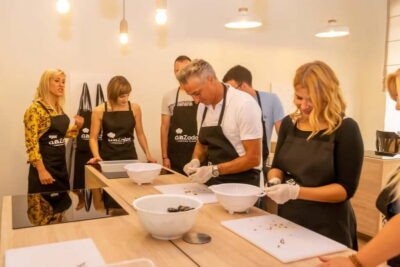
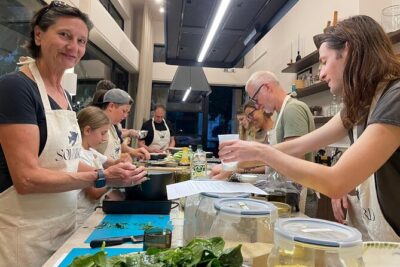
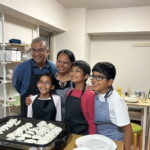
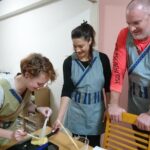
Group size caps at 8 travelers. In practice, that usually means you’re not lost in a crowd. You can ask questions, adjust your technique, and get guidance when a pancake edge won’t brown the way you expect or when a takoyaki ball needs a quick reshaping.
You can also read our reviews of more tours and experiences in Osaka.

Instructors Who Can Switch Languages (And Help You Cook)
This class is run by WashokuYanen, with instructors fluent in English, Japanese, and Spanish. You might see that as a convenience. I think of it as a real cooking advantage. When someone explains something in your language, you pick up the little cues—the ones that change your results.
In addition, the class can provide a Japanese-speaking instructor or a Spanish-speaking instructor upon request. If you’re studying Japanese or you want terminology explained clearly, that’s a helpful option.
You’ll also have ongoing support during cooking. A good okonomiyaki or takoyaki attempt often comes down to small adjustments: heat control, how firmly you mix, when you flip, and how you manage toppings so they don’t melt away or soak in weirdly. Having instructors present in multiple languages keeps those adjustments from turning into trial-and-error stress.
The 3-Hour Flow: Orientation, Cooking, Then Eating
The schedule is straightforward and well paced:
- Orientation and preparation (30 minutes)
- Cooking (about 1.5 hours)
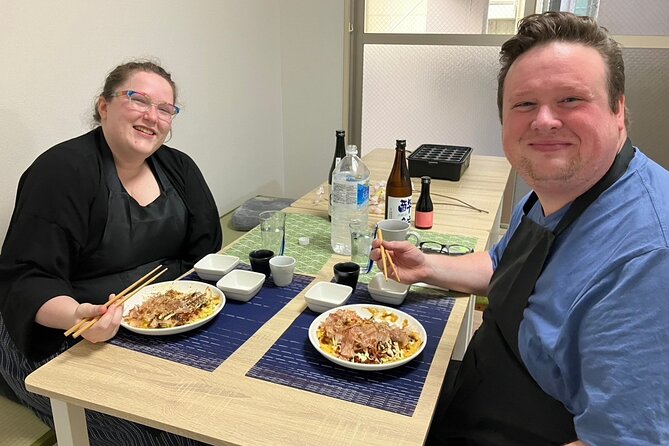
- Tasting your okonomiyaki and takoyaki with drinks (1 hour)
That structure is excellent for anyone who wants a fun evening without spending the whole night in a kitchen. You get enough orientation time to understand the workflow, then you jump into cooking with guided momentum. The tasting hour is where the class earns its keep: you eat what you made, not just what you watched.
It also keeps your learning grounded. When you taste your finished okonomiyaki or takoyaki, you can connect the outcome to the step you just performed—texture, sauce balance, and topping layering.
What You’ll Make: Okonomiyaki vs. Takoyaki
This class focuses on two iconic Osaka dishes, and they teach different skills.
Okonomiyaki: Savory Pancake With Cabbage and Fillings
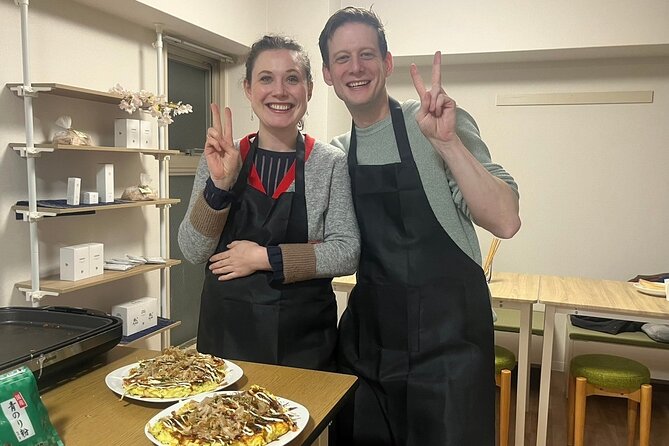
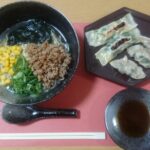
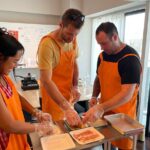
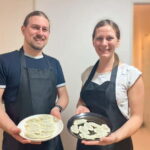
You’ll work with batter plus cabbage and fillings like pork and seafood options. The finished pancake gets topped with okonomiyaki sauce, bonito flakes, and seaweed powder.
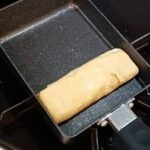
The key technique you’ll care about is how cabbage behaves on a hot surface. It adds moisture, and it also changes how the pancake sets. Learn how much cabbage to use, how to distribute it, and how to flip or shape so it holds together.



Takoyaki: Octopus-Filled Dough Spheres
Takoyaki is made on a special pan that forms the signature rounds. You fill the dough with octopus, then cook until crisp and shaped. Afterward, you top the balls with sauce, bonito flakes, and seaweed powder.
The technique challenge here is form. If your batter is too thick or you overfill, the balls can burst or lose shape. Too loose, and they flatten. This class format gives you guided chances to correct the process while you’re still cooking.
The 30-Minute Setup That Prevents Cooking Chaos
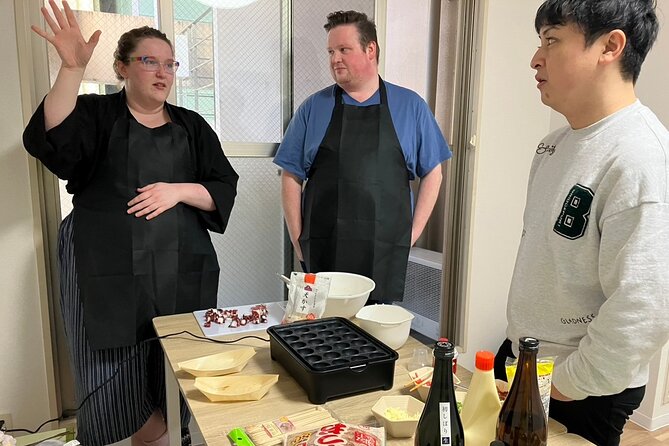
The first part of the class is a 30-minute orientation and preparation session. This isn’t fluff time. It’s the difference between a relaxing cooking experience and a frantic scramble with batter.
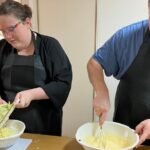
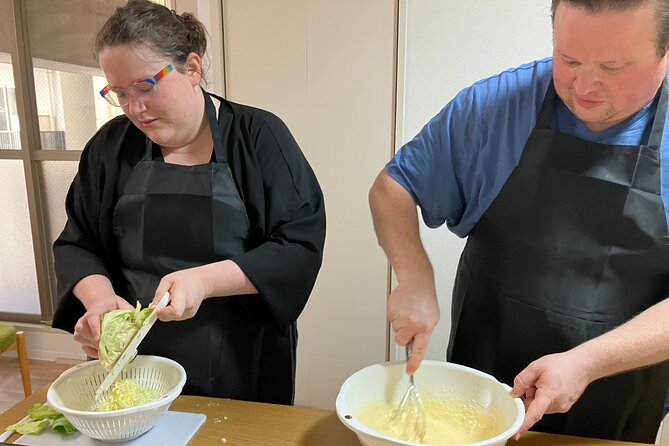
You’ll be shown the steps you’ll follow and what ingredients and tools you’ll use. You’ll also put on aprons and disposable plastic gloves. Those details sound basic, but gloves are genuinely useful when you’re handling batter and toppings. You stay cleaner and you don’t waste time washing up mid-cook.
One standout piece of value is that you’re not only learning a dish—you’re learning what to look for when you shop later. From ingredient packaging examples to written recipes, the class aims to help you rebuild the dishes at home, not just enjoy them once.
Cooking Okonomiyaki: Heat, Texture, and the Right Finish
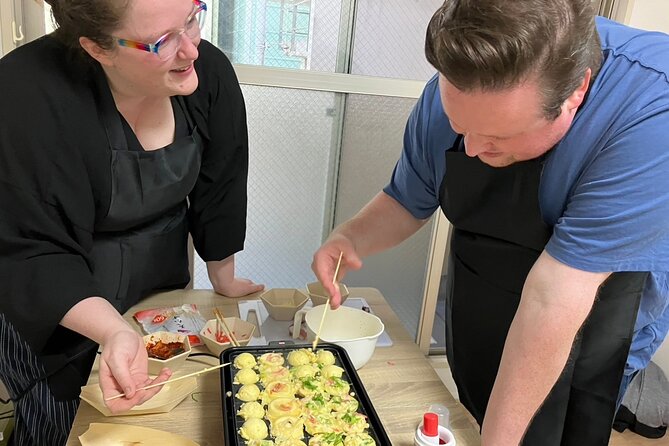
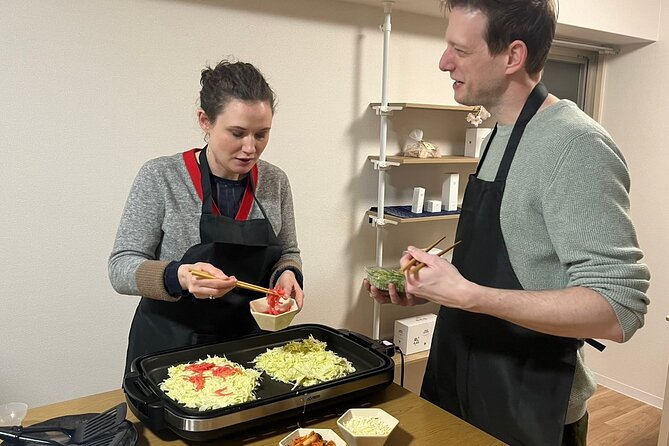
When the cooking portion begins, you’ll focus on okonomiyaki first. The “make it at home” goal is easiest here because okonomiyaki is a forgiving framework: batter + cabbage + fillings + toppings.
A few things to watch for as you cook:
- Batter distribution: You want even coverage so the pancake cooks uniformly.
- Cabbage moisture: Cabbage releases liquid. You need heat and handling that help it set without turning soggy.
- Flip and shape: A good flip isn’t only about turning the pancake. It’s about keeping it intact and evenly browned.
The finishing steps are a big part of why okonomiyaki tastes like Osaka. You’ll top with okonomiyaki sauce, add bonito flakes, and include seaweed powder. The bonito flakes matter: they react to heat and add that subtle smoky aroma.
At home, you’ll likely get better results if you recreate that finish the same day you cook. If you let the toppings sit too long, the aroma changes and the texture dulls.
Cooking Takoyaki: How to Get Crisp Edges and Round Shape
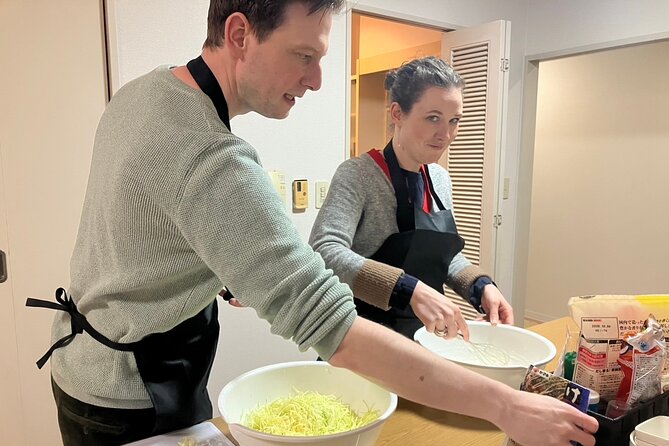
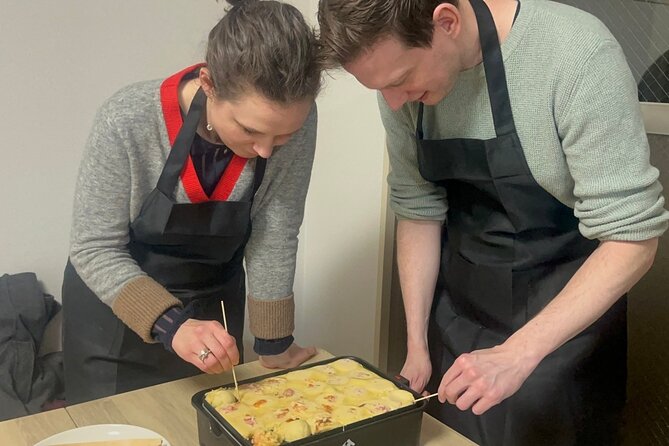
Takoyaki is where technique feels more “hands-on athletic.” You’ll cook small portions of batter in a takoyaki pan, fill them with octopus, and manage the shaping so the balls become round and crisp.
The essential skills you’ll practice:
- Portion control: Consistent batter volume leads to consistent doneness.
- Filling placement: You want octopus distributed so every bite delivers that signature flavor.
- Turning and reshaping: This is what creates the round, textured exterior.
The final toppings keep the flavor intense and recognizable: sauce, bonito flakes, and seaweed powder. Don’t rush the finishing. You want the toppings to land while the takoyaki is hot so the bonito flakes float and the aroma comes through.
A practical tip for your next attempt: takoyaki pans aren’t common everywhere. If you don’t have one at home, you’ll need a plan before cooking—either source the pan or treat the method as a technique lesson rather than an exact street-food replica. This class helps because you learn the underlying process even if your gear changes.
The Best Part: Tasting Your Own Okonomiyaki and Takoyaki
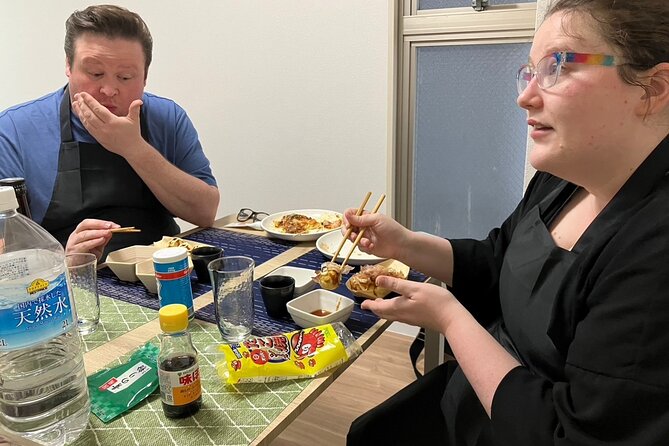
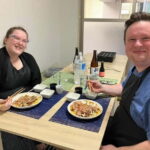
After cooking, you get a full tasting session—about 1 hour—to enjoy what you made. That’s a big deal. A lot of cooking experiences have a quick “taste and go” moment. Here, you have time to actually eat and compare bites while the flavors are still fresh.
Drinks included are sake, beer, and soft drinks. Alcohol is only served to travelers aged 20 and above. If you’re under 20, you’ll still get a drink option, just non-alcoholic.
This tasting time also gives you an easy learning loop. As you eat, you can think back to what you did earlier: did your pancake set too wet? Did your takoyaki edges brown fast enough? You’ll get clearer about what to repeat and what to tweak next time.
Price and Value: What $70 Buys You in Osaka
At about $70 per person for roughly 3 hours, this sits in the “worth it for a hands-on class” category, not the “cheap activity” category.
Here’s what makes the value make sense:
- Two dishes in one session: Okonomiyaki plus takoyaki means more kitchen time and more take-home confidence.
- All ingredients and tools provided: You don’t need to figure out sourcing before you arrive.
- Instruction during cooking: This isn’t just a demonstration. You’re supported in real time.
- Included drinks with the tasting: That turns the evening into a full meal-style experience.
The main reason it feels fair is the small group format. If you get lots of questions answered and you can correct technique as you go, the learning per dollar goes up.
Vegetarian and Allergy Notes: Don’t Assume, Message After Booking
The class can support vegetarian or food allergy options, but you need to contact them after booking. That’s standard for cooking classes, but it’s still important. If dietary needs are part of your decision, message promptly so you’re not relying on last-minute substitutions.
If you have allergies, include specifics when you message. The more exact you are, the easier it is for the kitchen to prepare safely.
Practical Tips for Your Evening in the Kitchen
You only need to bring yourself. Still, a few habits will make your experience smoother:
- Wear comfortable clothes you don’t mind getting slightly warm. Cooking stations can get hot.
- Keep your phone handy, but don’t let it eat your attention during flipping and shaping.
- If you plan to shop afterward, jot down the ingredient names from the written recipes so you know exactly what to search for.
If you want to take the class seriously as “make it at home,” treat the tasting like feedback. Take notes on what you’d adjust next time: sauce thickness, browning level, or how the cabbage texture turned out.
Who Should Book This Osaka Cooking Class?
I think this class fits best if you:
- Want a hands-on Osaka food experience, not a tour stop with photos only
- Are excited to cook two street-food favorites in one night
- Prefer a small group with time to ask questions
- Like having tools and ingredient guidance that helps with future home cooking
It’s also a good fit for mixed language groups because instructors can cover English, Japanese, and Spanish. If you’re traveling with kids, the class can work well too, since guidance is structured and cooking steps are handled in a supported way.
If you hate kitchens or you’re expecting a super long, slow course, this one may feel fast. But if you want a concentrated “learn and go,” it’s a strong format.
Should You Book? My Decision Checklist
Book this Osaka okonomiyaki and takoyaki class if you want a practical night where you leave with:
- A real cooking method, not just a memory
- Written recipes and ingredient tips you can use back home
- The chance to taste and learn while the food is still fresh
- Central location convenience near Shinsaibashi and Honmachi
Skip it if you need a fully custom menu without prior communication for dietary needs, or if you want a longer masterclass that drills technique for hours. This class teaches core skills fast and delivers two iconic dishes in one go.
FAQ
FAQ
How long is the Osaka okonomiyaki and takoyaki cooking class?
It runs for about 3 hours, including 30 minutes of orientation and preparation, about 1.5 hours of cooking, and 1 hour for tasting with drinks.
Where does the class meet?
The start point is 南船場コレット904 4-chōme-3-1 Bakurōmachi, Chuo Ward, Osaka, 541-0059, Japan.
What dishes will I learn to make?
You’ll make okonomiyaki (Japanese savory pancake) and takoyaki (Japanese savory octopus dough balls).
Are ingredients and cooking tools provided?
Yes. All ingredients and kitchen tools for the class are provided, along with aprons and disposable plastic gloves.
Will there be an English-speaking instructor?
Yes. An English-speaking instructor is included.
Can the class accommodate vegetarian or food allergy needs?
You can request vegetarian or food allergy options, but you need to contact them after booking.
Are alcohol and soft drinks included?
Yes. Sake and beer are included, plus soft drinks. Alcohol is only served to travelers 20 years old and above.
What’s the group size?
The class has a maximum of 8 travelers.
What if the weather is bad?
This experience requires good weather. If it’s canceled due to poor weather, you’ll be offered another date or a full refund.