REVIEW · TOKYO
Sushi Cooking Class
Book on Viator →Operated by Miwa's Japanese cooking class · Bookable on Viator
Sushi class, but in a real neighborhood. I like the way this Shinagawa setup mixes a hands-on cooking session with a walk through a local shopping arcade, so you get Tokyo beyond the obvious stops. I also like that the menu is built around vegan-vegetarian-friendly ingredients and can be adjusted on request.
The one thing to weigh carefully is the price: at $711.60 per person, this is a premium experience. If you’re hunting for the cheapest way to eat sushi, this won’t feel like a budget choice—if you want a focused lesson and a full meal, it can make more sense.
In This Review
- Key highlights you should notice
- Shinagawa’s local arcade first, then a home-kitchen sushi lesson
- Price and what you actually get for $711.60 per person
- Your sushi menu: seasonal rolls, temari-sushi, miso soup, and dessert
- What the 3-hour class feels like in real time
- Vegan and allergy requests: how flexible is this lesson?
- Small-group comfort (max 4) and why it matters for beginners
- Where you’ll go and how to plan your day around it
- Who this sushi cooking class is best for
- Should you book this sushi cooking class in Tokyo?
- FAQ
- Where is the meeting point for the sushi cooking class?
- What time does the experience start?
- How long is the class?
- How many people are in each class?
- What menu items will I prepare?
- Can the class be adapted for vegan or vegetarian preferences?
- Do I need to tell the teacher about allergies?
- What’s included with the price?
- Is transportation provided to and from attractions?
Key highlights you should notice
- Meet at Musashikoyama Station (Tokyu Meguro line) and start with a walk through a very local arcade
- Small group, max 4 people, which keeps the pace comfortable for families and first-timers
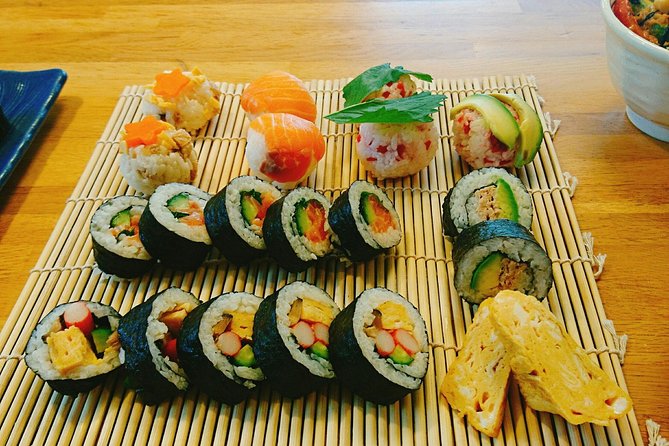
- Sushi course menu includes seasonal rolls and temari-sushi, plus miso soup and dessert
- Vegan/vegetarian customization is available, and allergy needs can be shared in advance
- Home-kitchen vibe with step-by-step instruction in English (the teaching is described as fluent in reviews)
Shinagawa’s local arcade first, then a home-kitchen sushi lesson
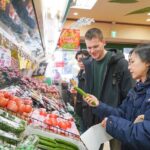
This class starts where most big-name food tours don’t: at Musashikoyama Station on the Tokyu Meguro line, then you walk through a shopping arcade before you even touch your apron. The arcades in Tokyo are their own world—tight, busy, and full of the everyday rhythm you rarely see when you’re only sticking to train hubs and sightseeing blocks. Here, the arcade is described as the longest in Japan, and the point is simple: you’re getting an authentic neighborhood feel before the cooking begins.
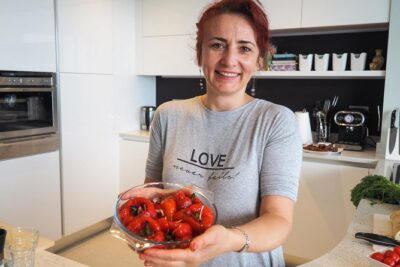
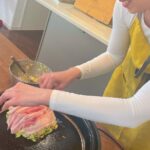
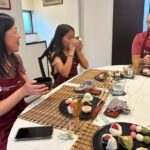
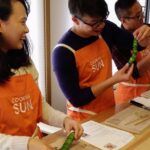
Once you arrive at the teacher’s place, the tone shifts to calm and practical. You’re not just watching someone work; you’re doing the work—rolling and assembling your own sushi—while the lesson stays close to a typical Japanese home meal flow.
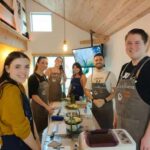
Two details from the experience that matter for you: the class is small (up to 4) and the teacher is patient with people who are new to cooking. Reviews mention plenty of step-by-step guidance and a friendly, welcoming home kitchen setup, which is exactly what you want in a sushi lesson (because sushi is easy to mess up if nobody walks you through the steps).
You can also read our reviews of more tours and experiences in Tokyo.


Price and what you actually get for $711.60 per person
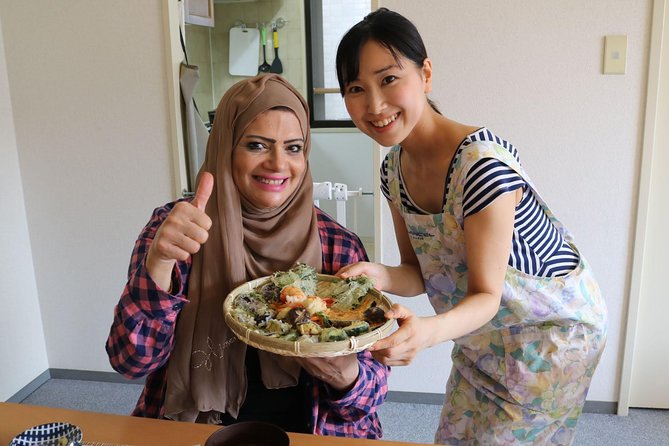
Let’s talk value, not just cost. $711.60 per person is high compared with a casual meal or a basic cooking demo, but it’s not just you buying a plate of sushi. You’re paying for a private-style, small-group lesson plus multiple courses built around what you make.
Here’s what the experience includes:
- A 3-course lunch (lunch is part of the included food program)
- Food tasting as you go
- Dinner included
- The cooking itself: a full sushi course with seasonal rolls and temari-sushi, plus miso soup and dessert
- You can request recipe customization, including vegan/vegetarian adjustments
For groups of friends or couples, small-group classes often feel like a better deal per person than larger, bus-style tours where you barely get a turn. For solo travelers, it can still feel worth it if you treat it like a skill-building meal you’d otherwise pay for in a restaurant while still learning technique you can reuse at home.
If you’re the kind of traveler who wants a sushi souvenir that isn’t just photos, this is the right kind of “spend.” You’ll leave with practiced motions, better understanding of how dishes come together, and a dinner that’s literally built from your own hands.
Your sushi menu: seasonal rolls, temari-sushi, miso soup, and dessert
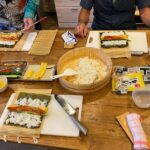
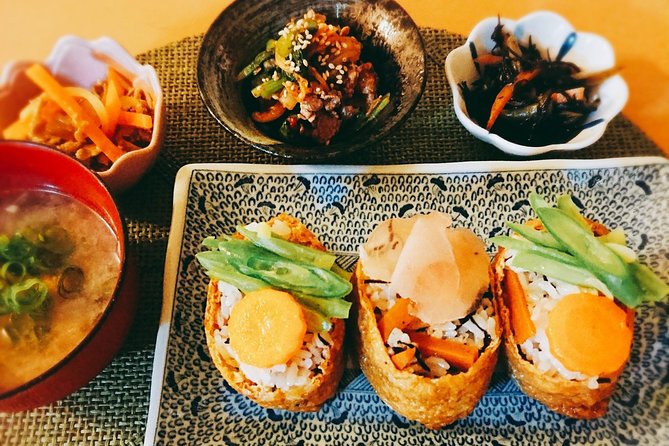
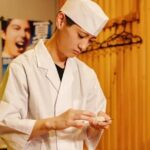
The core of the class is a sushi course, built around two sushi styles:
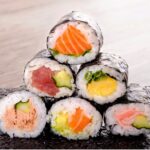
- Seasonal sushi-roll and temari-sushi
- One side dish
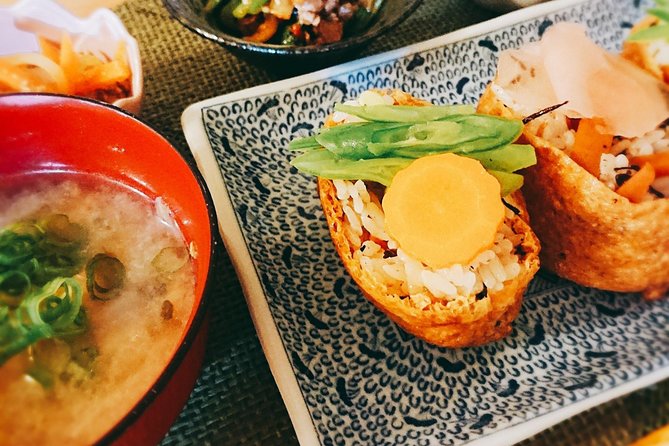
- Miso soup
- Dessert (served)
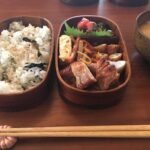
That menu structure is useful because sushi lessons can sometimes become all rice, all rolling, all the time. Here, you get a broader meal rhythm: sushi items for texture and bite, miso soup for warmth, a side dish to round out the flavor, and dessert at the end.
One of the most practical reasons this menu works is that temari-sushi changes the pace. Rolling a traditional roll takes focus; temari-sushi lets you learn handling and shaping without the same pressure. Reviews also mention learning items like tamago-style egg (egg omelette) and chicken nanban as part of what some groups made as the side dish. The provided menu calls it “one side dish,” so treat those as examples you might see depending on the session’s plan.
Another small point you’ll appreciate: the class is described as being able to customize recipes upon request, and you can share allergies in advance. That matters because sushi classes often ignore dietary needs until you arrive. Here, you have a chance to set expectations early.
What the 3-hour class feels like in real time
The total time is listed as about 3 hours (with “2–3 hours per class” also noted), which is the sweet spot for a hands-on food activity. Long enough to learn and eat, short enough that you don’t feel like your whole day is gone.
The flow usually follows:
- Meet at Musashikoyama Station (Tokyu Meguro line)
- Walk through the arcade to get local context
- Arrive at the home kitchen and start cooking
- Make the sushi course items
- Eat: lunch courses, tasting, then dinner
- Return to the meeting point when the activity ends
Start time is 10:30 am, and the activity ends back at the meeting point. That makes it easier to build the rest of your day. You can plan an afternoon museum, a long café break, or more neighborhood wandering without worrying that the class will run late into dinner time.
Also, you’re using a mobile ticket, which is a real convenience in Tokyo. Less paper handling, fewer “where did I put that ticket?” moments.
Vegan and allergy requests: how flexible is this lesson?
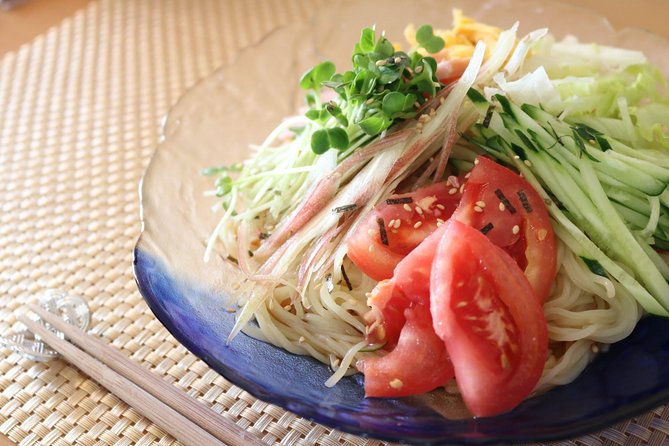
This class is explicitly designed with vegan and vegetarian customization in mind. You’re not just picking from a separate vegetarian menu at a restaurant. Instead, the experience says the ingredients can be tailored, and recipes can be customized if you request it.
That’s ideal if:
- You avoid animal products and want sushi flavors without feeling like you’re compromising
- You’re vegetarian and want a class where your meal is built as part of the lesson
- You’re traveling with friends or family with dietary restrictions
Allergy handling is also mentioned: if you have allergies, let the provider know in advance. That’s the kind of detail that reduces stress for you, and it helps the teacher prep safely. If you’re booking with dietary needs, it’s worth thinking through your exact restrictions ahead of time so you can communicate them clearly.
If you’re not vegan or vegetarian, you’ll still benefit. Seasonal roll and miso soup are classic flavors, and having customization options just means you can ask for adjustments without feeling out of place.


Small-group comfort (max 4) and why it matters for beginners
A class capped at 4 travelers changes the whole experience. With fewer people, you tend to get:
- More direct help during the steps
- Less waiting when you need a question answered
- A calmer kitchen pace, especially if someone is cooking for the first time
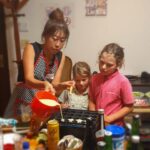
Reviews repeatedly praise the teacher’s patience. People mention that even with no prior cooking experience, instruction stays step-by-step, and the group atmosphere stays warm and fun. There are also multiple family-friendly comments, including about a 4-year-old participating. That doesn’t mean the class is a daycare—it’s still a real cooking lesson—but it does point to how the teaching style adapts to different comfort levels.
One more bonus from the reviews: the instruction is described as fluent in English, which reduces the risk that you’ll spend half the class guessing. Sushi technique relies on small cues, so clarity helps a lot.
Where you’ll go and how to plan your day around it
Geographically, this experience is rooted in Shinagawa City, Koyama. Your meeting point is near Musashikoyama Station (Tokyu Meguro line). The address listed for the activity is: Japan, 142-0062 Tokyo, Shinagawa City, Koyama, 3-chōme 1911.
It ends back at the meeting point, so you’re not stuck negotiating a late transfer. Transportation to and from attractions is not included, so you’ll want to plan how you’ll get to Musashikoyama before 10:30 am and where you’ll head after the class ends.
Before you go, build a buffer into your day. Tokyo trains run well, but sushi classes start on time for a reason: when food is happening, there’s no do-over.
If you’re combining this with other neighborhood exploring, I’d pair it with an activity that doesn’t require a long, last-minute travel scramble. The arcade walk at the start already scratches the “local life” itch, so you won’t need to add heavy sightseeing right before the lesson.
Who this sushi cooking class is best for
This is a strong match if you want:
- A hands-on sushi skill instead of just eating sushi
- A calmer, smaller-group lesson (max 4)
- A meal built into the experience: lunch courses, tasting, and dinner
- Vegan/vegetarian flexibility, plus allergy-aware planning
- A cultural “how people actually live” stop via the local arcade
It’s also a solid pick for couples and families who want something interactive that still feels authentically Japanese. Reviews mention laughter, warmth, and a home-kitchen setting that doesn’t feel staged.
If you’re a solo traveler who loves cooking, this can still work. Just note the premium price: you’re essentially paying for personalized attention, so make sure you’re excited about the lesson itself, not only the food.
Should you book this sushi cooking class in Tokyo?
If you want a sushi meal with real learning attached, I think this class is an easy yes. The biggest reasons: small group size, step-by-step teaching, and a menu that goes beyond “roll one thing” by including seasonal rolls, temari-sushi, miso soup, and dessert, all tied to a full lunch and dinner experience. Add in the vegan/vegetarian customization and you get a lot of practical flexibility.
I’d only pause if the $711.60 per person price feels hard to justify for you. If you’re content with great sushi eaten in restaurants, you can absolutely do that for less. But if you want to come home with technique, confidence, and a Tokyo neighborhood route you’d likely skip on a typical itinerary, this is the kind of experience that sticks.
FAQ
Where is the meeting point for the sushi cooking class?
The class meets at Musashikoyama Station on the Tokyu Meguro line.
What time does the experience start?
The start time is 10:30 am.
How long is the class?
The duration is listed as about 3 hours (and also described as 2–3 hours per class).
How many people are in each class?
The experience has a maximum of 4 travelers.
What menu items will I prepare?
You’ll cook a sushi course that includes seasonal sushi-roll and temari-sushi, one side dish, miso soup, and dessert.
Can the class be adapted for vegan or vegetarian preferences?
Yes. The experience says the ingredients are vegan and vegetarian friendly, and recipes can be customized upon your request.
Do I need to tell the teacher about allergies?
Yes. If you have allergies, you should let them know in advance.
What’s included with the price?
Included are a 3-course lunch, food tasting, and dinner.
Is transportation provided to and from attractions?
No. Transportation to/from attractions is not included, and the activity ends back at the meeting point.