REVIEW · ISTANBUL
Turkish Anatolian Cooking Class and Food Styling Workshop
Book on Viator →Operated by Highlights in Türkiye Workshops · Bookable on Viator
The first time you hold a proper knife, things get real. This 3-hour Anatolian workshop in Beyoğlu mixes hands-on cooking with food styling, all taught in English by a pro chef. You’ll work through a full menu—soup, starters, a main, and dessert—while picking up practical skills you can actually use at home.
I love that the class is built around technique, not just recipes. You’ll practice professional knife techniques and get direct guidance on cutting and cooking, plus a strong focus on how dishes should look when they hit the plate. The only drawback to plan for: private transportation isn’t included, so you’ll want to get yourself to the meeting spot on your own.
In This Review
- Key things to know before you cook
- Taste of Anatolia: what this workshop really gives you
- The 3-hour flow: soup to dessert, step by step
- Knife techniques: the quickest “skill upgrade” in Istanbul
- The cooking chemistry lesson you’ll actually remember
- Food styling and plating: make it look like you meant it
- The shared chef-table meal: why you’ll enjoy the ending
- Dietary needs and menu changes: plan for a quick message from the organizer
- Location in Beyoğlu: getting there without fuss
- Group size: why 16 people makes a difference
- Included drinks, tools, and instruction: what $99 buys you
- Who should book the Turkish Anatolian Cooking Class
- Quick practical checklist before you go
- Should you book Taste of Anatolia?
- FAQ
- How long is the Turkish Anatolian Cooking Class and Food Styling Workshop?
- What time does the workshop start in Istanbul?
- Where is the meeting point?
- Is the workshop offered in English?
- Can the menu be adjusted for dietary preferences?
- What’s included in the price?
- What is the cancellation policy?
Key things to know before you cook
- Knife work you can repeat: you’ll get shown how to handle vegetables and proteins with professional technique.
- Cooking explained, not guessed: ingredient details and the chemistry of cooking help you understand why things happen.
- Food styling and plating focus: you learn how to arrange food so it looks as good as it tastes.
- Menu adjusted for your diet: you’ll be contacted beforehand to tailor the menu to your dietary preferences.
- Small group size: the workshop caps at 16 travelers, which keeps the teaching hands-on.
- You eat what you make: you’ll sit down at the chef’s table and share the meal you created.
Taste of Anatolia: what this workshop really gives you
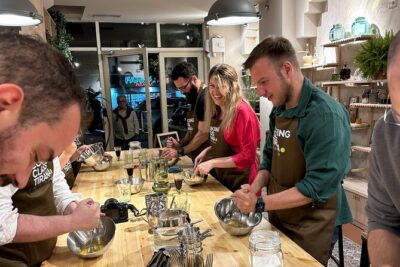
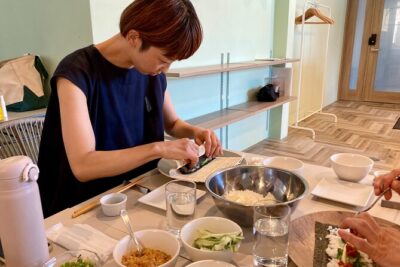
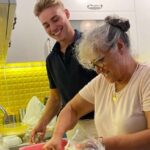
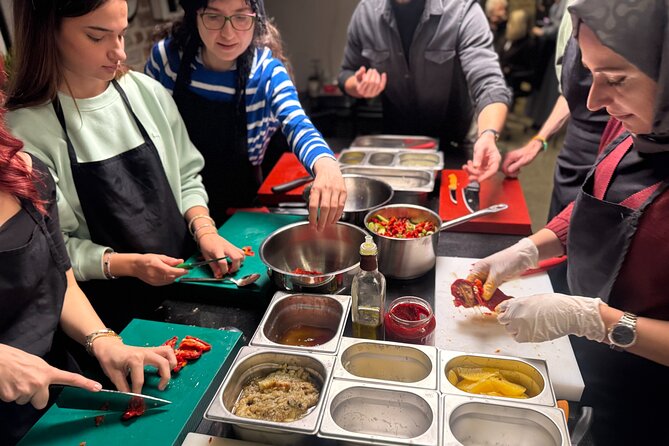
This isn’t a quick demo where you stand back and watch someone else cook. The point is skill. You’ll be actively making an Anatolian-style menu while a professional chef walks you through both technique and the small decisions that improve results—cut size, cooking timing, and how to plate so it looks finished.
What makes it appealing is the blend of practical cooking plus presentation. Many Istanbul cooking classes focus on the food and leave the styling as an afterthought. Here, food styling and plating are part of the lesson, so you leave with a clearer idea of how to make your own dishes look intentional, not accidental.
And the vibe matters. The workshop is designed to feel warm and relaxing, with time to cook, then sit together to taste what you made. It’s a satisfying “learn and then enjoy” setup that works well if you want more than a snack with a view.
You can also read our reviews of more tours and experiences in Istanbul.

The 3-hour flow: soup to dessert, step by step
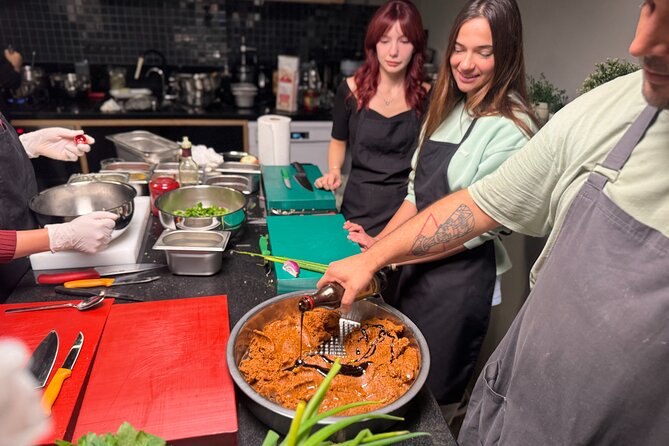
The workshop runs about 3 hours, starting at 2:00 pm and ending back at the meeting point. In that time, you’ll build a full meal: soup, a starter (and an additional starter category in the sample menu), salad, a main dish, and dessert. You should expect the pace to be active, because the format is cooking-led and not just tasting.
Before you arrive, the organizer notes they’ll contact you to adjust the menu to your diet. That’s important because it means your dishes can be tailored rather than forcing you to “figure it out” on the spot. If you have strong dietary needs, don’t treat that message as optional—reply promptly so the menu can match what you can eat.
When it’s time to cook, you’ll follow the chef’s instruction through several stages:
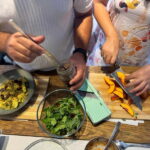
- Knife and prep skills for vegetables and proteins
- Cooking techniques specific to each dish
- Ingredient explanations that connect what you do to the result
- Plating and styling so the finished plates look right
You don’t need to be a master cook to enjoy it. The lesson is structured around teaching techniques in a way that helps you build confidence during the session rather than after.
Knife techniques: the quickest “skill upgrade” in Istanbul
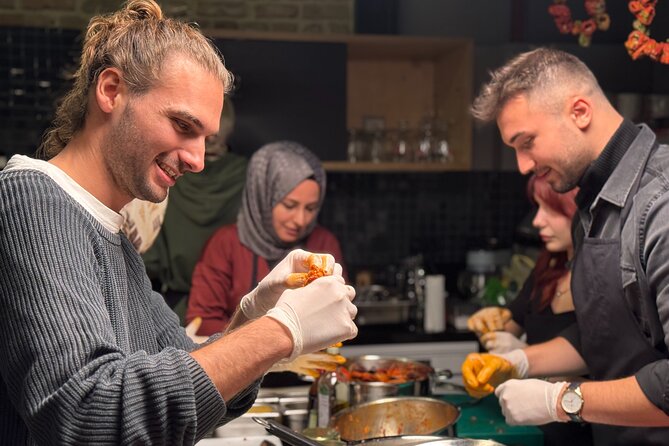
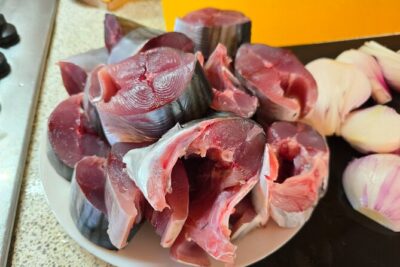
A big part of the workshop centers on professional knife techniques. That sounds formal, but in practice it means you’ll learn how to hold the knife, how to cut with control, and how to prep key ingredients efficiently.
Why it matters for your meals at home: the size and shape of your cuts directly affect cooking time and texture. If your vegetables are all different sizes, you end up with uneven results—some pieces overcooked, some still firm. If your protein pieces don’t match, you can get dry edges and underdone centers. This class aims to fix that kind of guesswork with clear guidance.
The chef also covers proper cutting methods for both vegetables and proteins. Even if you already cook occasionally, you’ll likely pick up at least one improvement—maybe a better way to slice, or a habit that keeps your work area tidy and consistent.
The cooking chemistry lesson you’ll actually remember
The workshop includes ingredient details and something they call the chemistry of cooking. You can treat that as the explanation layer behind the technique. Instead of just saying cook this until done, the chef helps you connect:
- how ingredients behave when heated
- why some steps change flavor or texture
- what to watch for so you don’t rely on luck
That’s especially useful in Turkish home-style cooking, where flavor often comes from a mix of timing, heat control, and how ingredients combine. If you understand the logic, it’s easier to recreate the meal later—even when your kitchen tools are different from what you used in class.
Food styling and plating: make it look like you meant it
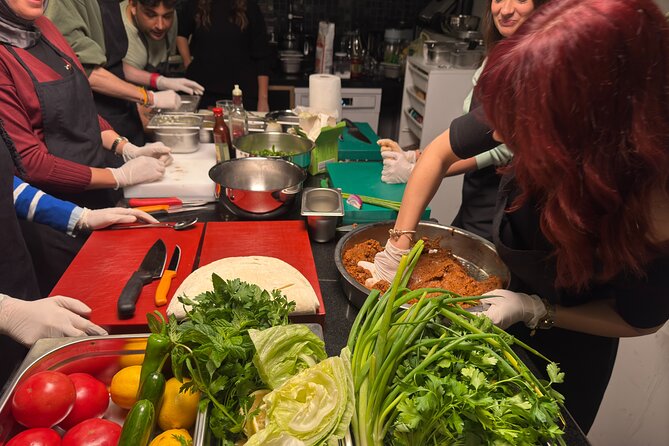
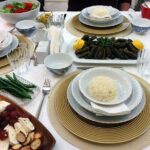
One of my favorite parts of this workshop setup is the attention to presentation. You’ll learn the art of plating as part of the lesson, not just “serve it however.” The chef’s guidance is built around food styling, which usually means learning how to position components, balance colors and shapes, and create a plate that looks complete.
This is practical, too. If you’ve ever cooked something that tasted great but looked flat, you already know the fix: placement and finishing touches. In this workshop, those basics are taught while the food is still fresh and you’re actively making decisions.
The result is that you don’t only leave with recipes—you leave with a visual memory of how the dish was assembled. That makes the home-recreation step much easier.
The shared chef-table meal: why you’ll enjoy the ending
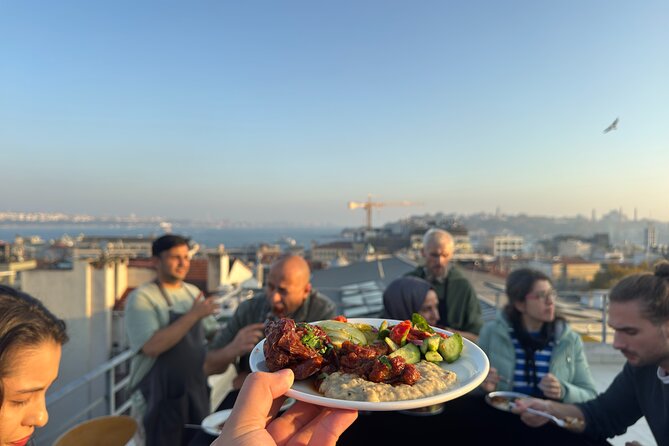
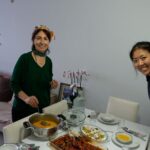
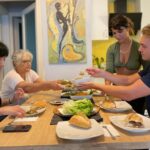
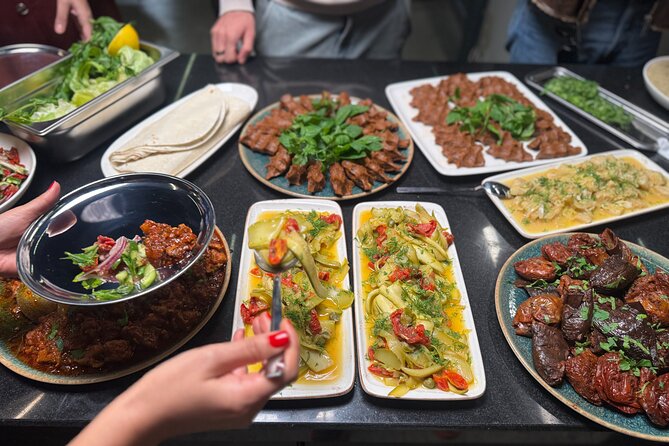
After cooking, you’ll gather around the chef’s table to share and savor what you made. This is more than a photo moment. It’s the final feedback loop: you taste the results of the techniques you learned earlier, and you can see whether your timing and prep choices paid off.
Included with the meal are soda or pop tea, coffee, and soft drinks. That keeps the end of the workshop comfortable and social, without turning it into a long restaurant stop.
There’s also a takeaway that helps you keep momentum: at the end, you receive a special recipe list to recreate the dishes at home. That’s where value really shows, because the workshop isn’t only about what happens in the next 3 hours—it’s about bringing the skills and structure back to your own kitchen.
Dietary needs and menu changes: plan for a quick message from the organizer
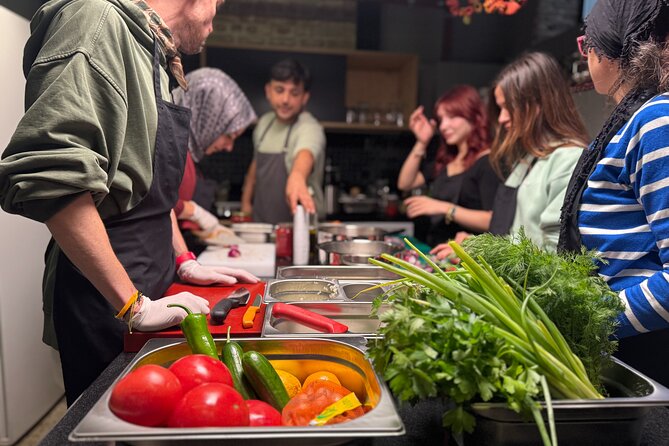
The menu is designed to be adjusted to your taste and dietary preferences. The organizer says they will get in touch beforehand to make the menu changes. That means you should keep an eye out for that message after booking, and respond so the chef can plan ingredients and portions accordingly.
If you’re the kind of traveler who tries to eat safely and comfortably, this approach is a relief. You’re not going in blind, and the class is set up to accommodate diet needs as part of the planning process.
Just remember: this is still a hands-on cooking workshop. Even with adjustments, you’ll want to communicate clearly what you can and can’t eat so the chef can tailor the menu.
Location in Beyoğlu: getting there without fuss
The meeting point is at Hacımimi, Lüleci Hendek Cd. no:20/A, 34000 Beyoğlu/İstanbul. The start time is 2:00 pm, and the activity ends back at the meeting point.
The organizer also notes it’s near public transportation. That’s helpful because private transportation isn’t included, and you don’t want a last-minute scramble to reach the cooking station.
Beyoğlu is a practical area for food-focused activities. Still, the best move is to plan your arrival time so you’re not stressed. With a 2 pm start and active hands-on cooking, showing up late reduces the time you have to settle in and start confidently.
Group size: why 16 people makes a difference
The workshop has a maximum group size of 16 travelers. That’s a sweet spot for a cooking class because it’s large enough to feel social, but small enough for real teaching.
In a group this size, the chef can still watch your cuts, check technique, and explain what to adjust. It also means you’ll spend less time waiting and more time cooking—and that directly impacts how much you learn.
If you prefer learning in a calmer setting rather than competing for attention, this format should feel right.
Included drinks, tools, and instruction: what $99 buys you
At $99 per person, the value comes from the combination of instruction and what you take home. You’re paying for:
- cooking ingredients
- professional knife techniques
- cooking techniques and ingredient explanations
- the chemistry of cooking
- secret chef recipes
- soda or pop tea, coffee, and soft drinks
And you also get the recipe list at the end. When you think about it this way, you’re not just buying a meal—you’re buying a structured skill lesson plus ingredients plus the written follow-up.
If you’ve done cooking classes in other cities, the biggest cost driver is usually either the chef’s time or the quality of instruction. Here, the chef’s teaching covers both cooking and styling, which is exactly why the price feels more reasonable than a basic meal experience.
Who should book the Turkish Anatolian Cooking Class
This workshop is a great fit if you want:
- hands-on cooking with clear technique
- knife skills you can repeat later
- plating and food styling guidance (not just cooking)
- a menu tailored to your diet through advance contact
- a small-group class with an English-speaking setup
It’s also a good choice if you’re on a food-first trip. Istanbul can be overwhelming fast—markets, neighborhoods, and museums stack up. A focused 3-hour food class gives you a different kind of experience: a skill-based memory you can take home.
Quick practical checklist before you go
- Reply to any message about dietary needs so the menu can be adjusted.
- Plan your transport to the Beyoğlu meeting address; private transportation isn’t included.
- Wear comfortable clothes for active prep and cooking.
- Come with curiosity about technique; you’ll get more out of it if you pay attention while you cook.
Should you book Taste of Anatolia?
If you like learning by doing—and you care about both taste and presentation—this is an easy yes. The strongest reasons to book are the professional knife techniques, the plating and food styling lesson, and the fact that you finish by eating what you made at the chef’s table. Add in the recipe list for home, plus the small group size, and you’re getting a true skill-and-flavor package for the price.
Skip it only if you’re looking for a passive food tour with minimal hands-on work, or if you’re counting on someone to bring you to the activity. Otherwise, this is exactly the kind of Istanbul experience that turns into real cooking confidence back home.
FAQ
How long is the Turkish Anatolian Cooking Class and Food Styling Workshop?
It lasts about 3 hours.
What time does the workshop start in Istanbul?
The start time is 2:00 pm.
Where is the meeting point?
The meeting point is at Hacımimi, Lüleci Hendek Cd. no:20/A, 34000 Beyoğlu/İstanbul, Türkiye.
Is the workshop offered in English?
Yes, it is offered in English.
Can the menu be adjusted for dietary preferences?
Yes. The organizer states they will get in touch beforehand to adjust the menu to your diet.
What’s included in the price?
Included are cooking ingredients, professional knife techniques, cooking techniques, ingredient details and explanation, the chemistry of cooking, secret chef recipes, and soda/pop tea, coffee, and soft drinks.
What is the cancellation policy?
You can cancel for a full refund up to 24 hours before the experience starts. After that time, refunds aren’t available.