REVIEW · NEW ORLEANS
New Orleans: Hands-on Cajun Roux Cooking Class
Book on GetYourGuide →Operated by The Mardi Gras School of Cooking · Bookable on GetYourGuide
Roux is the secret to New Orleans flavor. In the French Quarter, this hands-on Cajun cooking class walks you from chopping the Cajun Holy Trinity to making dark roux gumbo, light roux shrimp étouffée, and bananas foster. You’re not just watching. You’re cooking, tasting, and learning what makes these dishes work.
I really like the small group setup (limited to 10), because you get more attention while you cook. I also like how the chefs bring energy, with clear coaching and even music while you’re whipping up roux, plus dish-by-dish explanations in English.
One possible drawback: at $157 for 3 hours, it’s best if you’re ready to participate. This isn’t a casual sit-and-snack experience, and it’s not suitable for kids under 10.
In This Review
- Key things I’d circle before you book
- French Quarter kitchen time: meeting point and how the 3 hours flow
- Roux 101: Cajun Holy Trinity, dark roux, and light roux
- Gumbo hands-on: chicken and andouille sausage gumbo with pro seasoning cues
- Shrimp étouffée with light roux: getting the sauce to cling
- Bananas foster: the dessert lesson you’ll actually use later
- Drinks, pace, and instructor energy in a small group
- Price and value: what $157 really covers
- Who should book this Cajun roux cooking class
- Should you book it? My practical take
- FAQ
- How long is the Cajun roux cooking class?
- Where is the meeting point?
- What dishes will I cook?
- What drinks are included?
- Is this a hands-on class?
- Is the class suitable for children?
- How big is the group?
- What language is the instruction?
- Is the class wheelchair accessible?
- Is there free cancellation, and can I pay later?
Key things I’d circle before you book
- Small-group cooking (up to 10): more hands-on time, less waiting
- Two roux lessons in one class: dark roux for gumbo, light roux for shrimp étouffée
- Three full dishes: chicken and andouille sausage gumbo, shrimp étouffée, and bananas foster
- Drinks included during class: wine, beer, sodas, and bottled water
- Coaching from energetic instructors: you may learn from chefs like Chef Raymond, Chef Jason, or Mark
- French Quarter convenience: the class meets at Suite 101 on the ground level
French Quarter kitchen time: meeting point and how the 3 hours flow
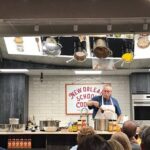
You start in the French Quarter, meeting at Suite 101 (ground level). The class is scheduled for 3 hours, so the pace is tight in the best way: you’ll learn, chop, cook, plate, and eat without feeling like you’re stuck waiting around.
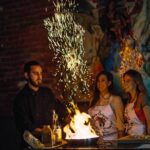
From the start, you’ll be guided into the Cajun and Creole world with a quick get-acquainted vibe for your group. You put on aprons, get your station set, and then the lesson moves in logical steps so you understand what you’re doing and why.
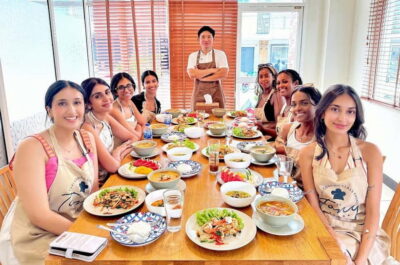
A big practical plus here is that you’re cooking as a group, but in a size that still feels personal. With only up to 10 participants, you’re less likely to get lost if you’re still figuring out the rhythm of prepping and stirring. And because the instruction is in English, it stays easy to follow.
You can also read our reviews of more tours and experiences in New Orleans.
Roux 101: Cajun Holy Trinity, dark roux, and light roux
If you want one skill that travels home with you, it’s roux. This class is built around it. You start by learning the importance of the Cajun Holy Trinity, then you do the cutting and prep so you can see how the foundation sets up the rest of the dish.
Then comes the roux work, and that’s where a lot of people feel the difference between guessing and learning. For the first dish, you make a dark roux for gumbo. For the second, you make a light roux for shrimp étouffée. Doing both in one session helps you understand that roux isn’t just one “thing.” It changes the flavor and the whole direction of the sauce.
One extra detail I appreciate: there’s a relaxed break built in early. After you’ve prepped the Holy Trinity, you’ll enjoy your first glass of wine before the roux phase really ramps up. It keeps the class from feeling like nonstop work, especially if you’re new to cooking with roux.
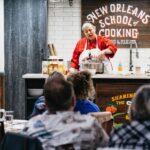
And if you’re worried about technique, the vibe in the class sounds very supportive. Instructors like Chef Raymond and Chef Jason are described as enthusiastic and good at keeping everyone involved, with explanations that make the steps feel doable. Mark also gets praise for careful, fun instruction.
Gumbo hands-on: chicken and andouille sausage gumbo with pro seasoning cues
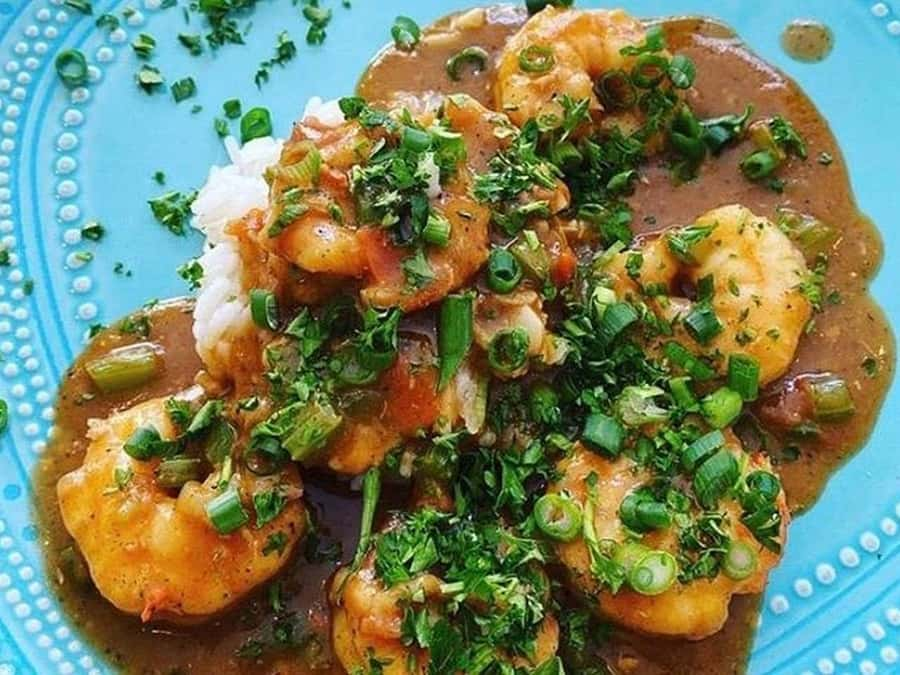
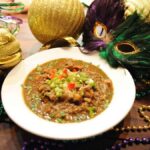
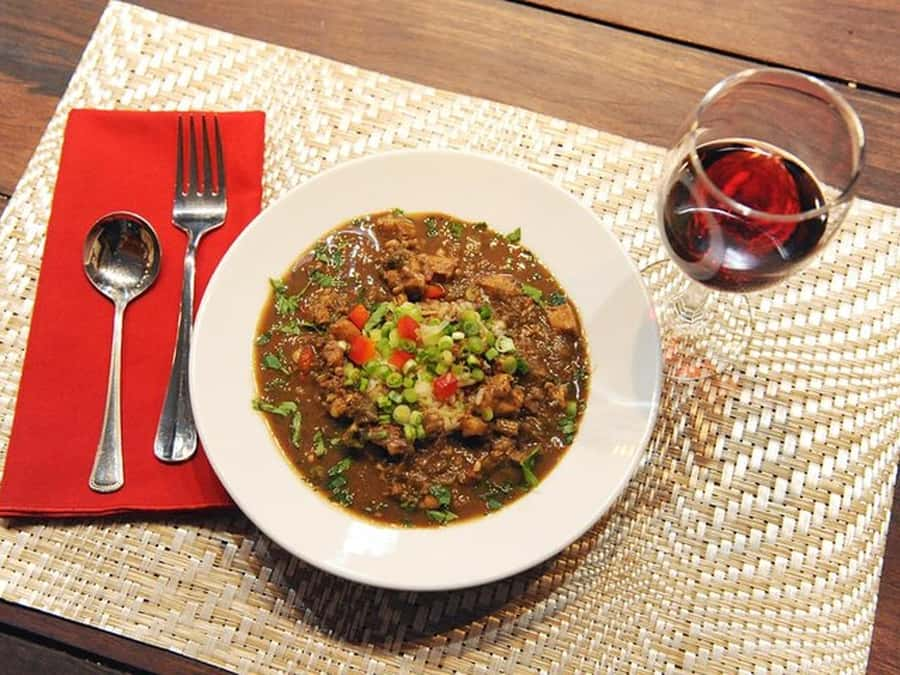
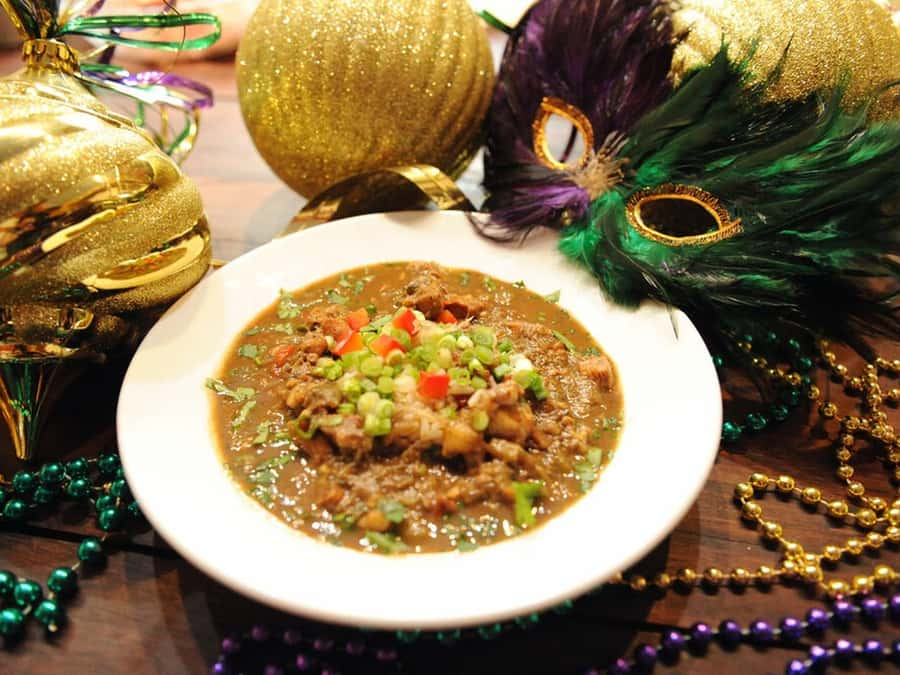
For the gumbo, the class focuses on the classic combo of chicken and andouille sausage. You’re making it with dark roux, which means your sauce base is doing heavy lifting for both flavor and texture.
You’ll also spend time on the “how to season” side, not just the “what ingredients” side. The class teaches the secrets of seasonings and the professional-style approach of having everything ready, often called mise en place. That matters because gumbo timing is unforgiving. If you’re scrambling, your roux and your sauce won’t behave the way you want.
Once your gumbo is cooked and plated, you’ll get to eat what you made. This part is more useful than it sounds. Tasting right after you cook helps you connect your choices to results. You’ll be able to tell what worked in the roux and seasoning as a finished dish, not just as a pot on the stove.
Shrimp étouffée with light roux: getting the sauce to cling
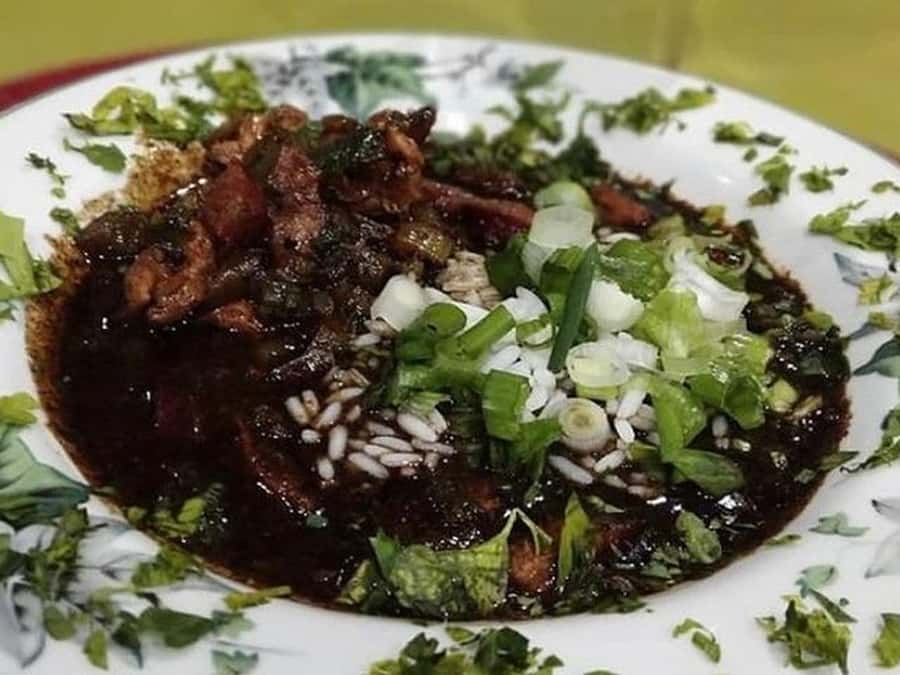
Next you move to shrimp étouffée, using a light roux. That switch is the real education moment. Dark roux takes you toward a deeper, richer foundation, while light roux supports a different flavor profile and cooks up in a different tempo.
This is where the class format shines for home cooks: you’re learning how the same core technique (roux) can lead to two distinct outcomes. You prep, cook, and then plate again, so you aren’t stuck learning in theory.
The class also highlights professional cooking technique more broadly, including how you handle the build of the sauce. Even if you never cook Cajun food before, the structure makes it feel like you’re learning a system, not memorizing a recipe.
And then, just as with the gumbo, you end up eating a plated meal you helped make. That’s a practical win for anyone who’s worried a cooking class might turn into a busy chore with no payoff.
Bananas foster: the dessert lesson you’ll actually use later
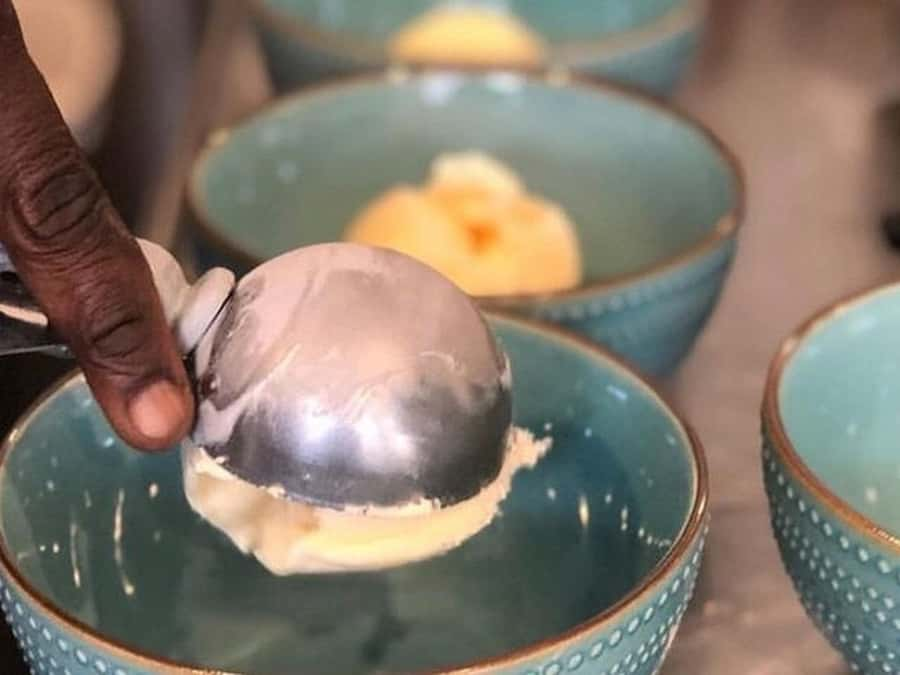
The last part is bananas foster, and it’s often described as a favorite. The key here is not just that it’s tasty. It’s that you get taught a fool-proof method, so you can repeat it without needing a chef’s intuition.
Dessert classes can sometimes feel abstract. This one sounds geared toward confidence: you’re shown the approach, and you learn the steps in a way that aims at results you can recreate later at home.
Because you’ve already gone through roux (a technique that can intimidate people), you’ll probably appreciate that the final lesson shifts to something less stressful and more celebratory. Plus, the fact that it’s the last dish means you finish the class with a strong success moment rather than a rushed cleanup.


Drinks, pace, and instructor energy in a small group
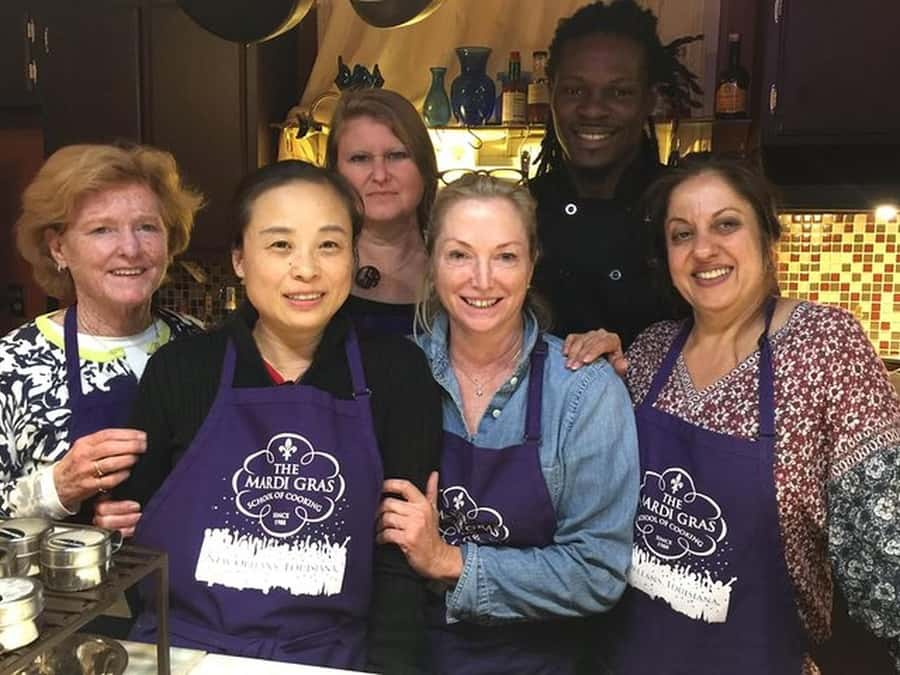
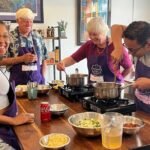
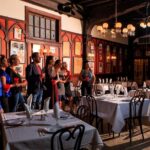
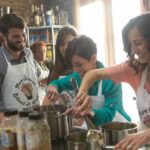
This is one of the friendliest-feeling cooking classes in the category because you’re not in a huge production line. The group is capped at 10 participants, and the class keeps you involved. Multiple chefs are praised for staying hands-on and for making it fun while still teaching clearly.
You also get complimentary wine, beer, sodas, and bottled water during the class. That changes the feel of the whole experience. You’re not just tasting at the end; you’re enjoying drinks while you cook and learn. It makes the experience feel social, especially in a setting like the French Quarter where you might otherwise spend your day bouncing between stops.
Instructors you may encounter include Chef Raymond, Chef Jason, and Mark, and each gets credit for a mix of clear guidance and personality. One common theme is enthusiasm plus good teaching flow. Another is history context tied to Creole and Cajun cooking, which adds meaning without turning the class into a lecture.
The language is English, and the class is described as wheelchair accessible. If you need an environment that keeps you moving but still gives you a clear station setup, this format is a strong fit.
Price and value: what $157 really covers
At $157 per person for 3 hours, the price only feels high if you expect a basic demo. But if you’re trying to learn a real skill set and eat full dishes you made yourself, it starts to look like good value.
Here’s what you’re paying for that matters:
- Three dishes (gumbo, shrimp étouffée, bananas foster), not one or two samples
- Hands-on instruction focused on techniques and seasoning, including both dark and light roux
- Lunch/dinner as part of the experience
- Alcoholic drinks plus soda and bottled water during class
You also get the practical benefit of learning in the French Quarter area, at a fixed meeting point (Suite 101, ground level), so you’re not trying to plan a complicated self-guided cooking mission.
If you’re the type who loves food and wants a “skill + meal” experience, this price can make sense quickly. If you’re mainly looking for a quick taste of Cajun culture with minimal participation, you may feel it costs more than you need.
Who should book this Cajun roux cooking class
This class fits best if you want to:
- learn roux without guesswork
- cook gumbo and shrimp étouffée using a guided process
- finish with bananas foster so you leave with a dessert win
- spend a short, focused 3 hours in the French Quarter doing something active
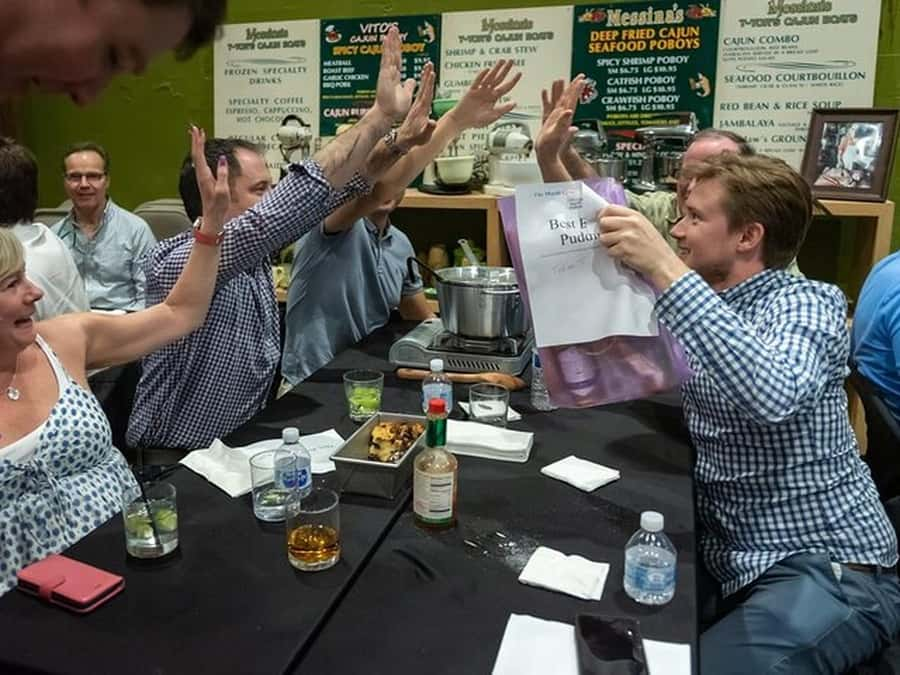
It also works well for couples and solo travelers because the class is small and you’re cooking alongside others. For groups of friends, it’s a fun shared task—everyone has a role, and the meal becomes the reward.
Kids are a special case. Children over 10 can book, but they must be willing to participate and, more importantly, love to cook. Children under 10 are not suitable. So if you’re traveling with younger kids, you’ll want to plan something else nearby.
Should you book it? My practical take
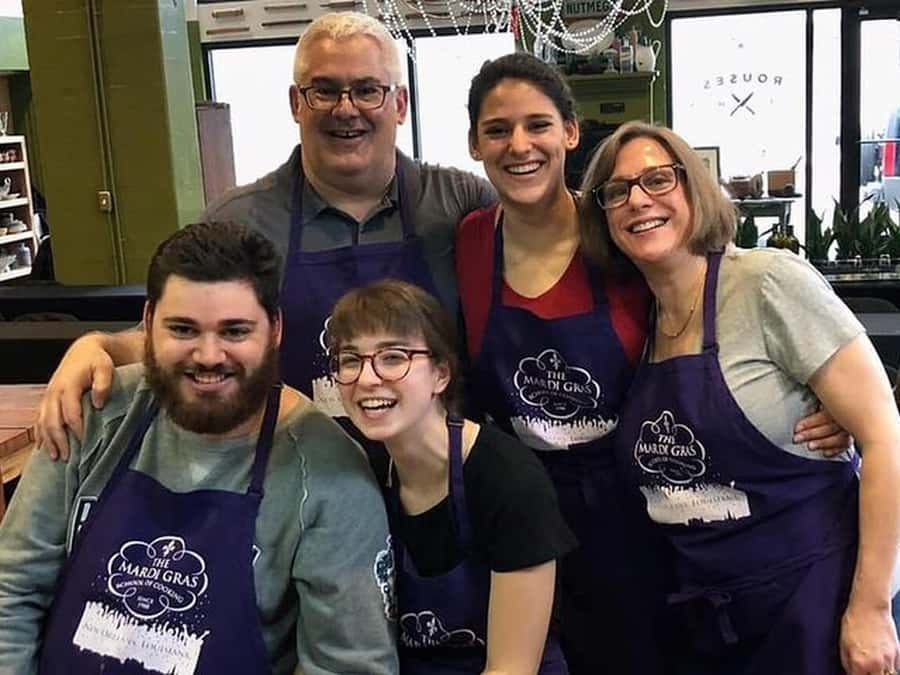
Book it if you want a hands-on Cajun and Creole cooking class that teaches technique, not just vibes. The best reason to choose this is the two-part roux education—dark roux for gumbo and light roux for shrimp étouffée—plus the payoff of eating three dishes you made.
Skip it if you’re hoping for a purely observational experience or you don’t want to cook. Also, if you’re on a tight schedule, remember it’s a focused 3-hour session, not a half-day wandering activity.
If your budget allows and you’re excited by the idea of learning seasoning, roux, and classic Louisiana dishes in a small group with drinks included, this is a very solid pick.
FAQ
How long is the Cajun roux cooking class?
The class lasts 3 hours.
Where is the meeting point?
You meet at Suite 101 on the ground level.
What dishes will I cook?
You’ll prepare chicken and andouille sausage gumbo, shrimp étouffée, and bananas foster.
What drinks are included?
Alcoholic beverages are included, along with soda/pop and bottled water.
Is this a hands-on class?
Yes. It’s described as a hands-on cooking experience where you prep and cook the selected recipes.
Is the class suitable for children?
Children over 10 may book if they’re willing to participate and love to cook. Children under 10 are not suitable.
How big is the group?
It’s a small group limited to 10 participants.
What language is the instruction?
The class is taught in English.
Is the class wheelchair accessible?
Yes, it is wheelchair accessible.
Is there free cancellation, and can I pay later?
Free cancellation is available up to 24 hours in advance for a full refund. There’s also a reserve now & pay later option.