REVIEW · TOKYO
Japanese Cooking Class for Vegans
Book on Viator →Operated by Miwa's Japanese cooking class · Bookable on Viator
Home cooking in Tokyo beats the tourist circuit. This private vegan Japanese cooking class takes place in Miwa’s local home in Shinagawa, with time to chat one-on-one and a lunch you actually helped make. You’ll also get a distinctly local setting: Musashikoyama, known for having Japan’s longest shopping arcade, so the start of your day feels like real daily life rather than a staged experience. I especially like the private format (you can ask questions and tailor what you cook) and the focus on a fresh, health-minded lunch built around vegetarian or vegan ingredients.
One consideration: the price is $705.86 per person for a roughly 2–3 hour class, and transportation is not included. If you’re hoping for a big group deal, or you need help getting around Tokyo that day, you’ll want to plan your route in advance from Musashikoyama Station.
In This Review
- Key things to know before you go
- Shinagawa’s Musashikoyama: a neighborhood with real rhythm
- Why this setting is good for your day
- Vegan Japanese cooking that can actually fit your menu
- How customization helps you learn more than one dish
- The 3-course lunch: more than a meal, a food lesson
- What you’ll likely take away
- The private format in a local home: why it’s worth it
- A note for parents (practical expectations)
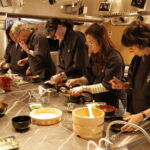
- What the class feels like while you’re there
- Meeting point and timing: keep it simple
- How to set yourself up for a smooth start
- Price and value: what you’re paying for
- Who the price makes the most sense for
- What to ask Miwa before you arrive
- Should you book this Japanese cooking class for vegans?
- FAQ
- What kind of food does the cooking class focus on?
- Where does the class take place?
- How long is the class?
- Is it a private class?
- What’s included in the price?
- Is transportation included?
- What time does the class start?
- Can children attend?
- Can Miwa customize recipes for different diets?
- How soon will I get confirmation after booking?
- Can I cancel for a refund?
Key things to know before you go
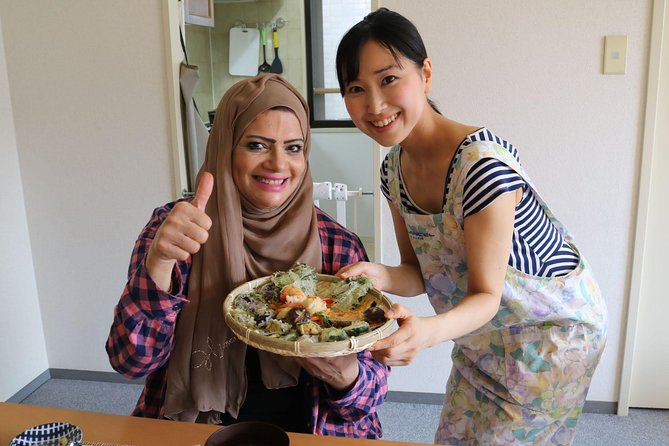
- Private time with Miwa to match your diet and interests
- Long shopping arcade neighborhood feel in Musashikoyama, not a tourist bubble
- 3-course lunch included with vegan or vegetarian options
- Real cooking roles, not just watching and nodding
- Family-friendly private class where kids can be part of the process
- Easy meeting point at Musashikoyama Station (Tokyu Meguro Line)
Shinagawa’s Musashikoyama: a neighborhood with real rhythm
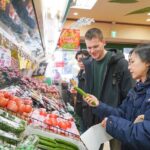
This class isn’t set in a flashy demo kitchen. It’s based around Miwa’s home in Shinagawa, in Musashikoyama—a place with a reputation for having Japan’s longest shopping arcade. That matters more than you might think.
First, you get a calmer Tokyo moment before you cook. Instead of racing between attractions, you’re walking through a local shopping strip and watching how people actually live: errands, quick snacks, small storefronts, and the kind of casual movement you don’t see in the big-name areas.
Second, that neighborhood context pairs nicely with the food philosophy of the class. Japanese vegan cooking can sound like a set of substitutions—soy sauce instead of fish sauce, tofu instead of meat. But in a local home setting, you get to see how Japanese comfort food can stay Japanese in style, while still being vegetarian or vegan. The shopping arcade vibe reinforces that: it’s not about turning Japanese cuisine into something foreign. It’s about keeping it grounded.
You can also read our reviews of more tours and experiences in Tokyo.

Why this setting is good for your day
If you like travel that feels practical and human—meet someone local, learn a skill, eat well—this format fits. You’re not cramming sightseeing into the cooking window. You’re using the class as the main event, then eating what you make without a second plan.
Vegan Japanese cooking that can actually fit your menu
The class is designed around Japanese home cooking using vegetarian or vegan ingredients, and Miwa will customize based on your preference. That flexibility is a big deal, especially if your group isn’t perfectly aligned on diet.
Miwa offers options that can include:
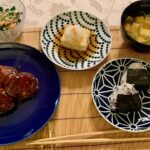
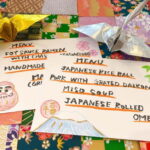
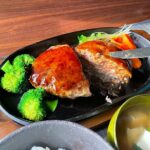
- Vegan sushi plates
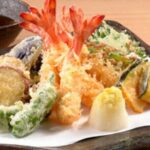
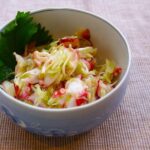
- Vegan Japanese home-made dishes
- Vegan kids plate
- Vegan tofu course
- And custom recipes you request
You’ll also see from past experiences that she can handle specific requests, not just a fixed menu. For example, one person asked for nabe gohan, and the class was tailored accordingly. That tells you something important: if you have a Japanese dish you’ve been curious about (and you want it vegan), you’re not stuck with a generic “one-size-fits-most” template.
How customization helps you learn more than one dish
A lot of cooking classes teach you steps for a single recipe. This one is built for adaptation, so you’re more likely to leave with skills you can reuse: ingredient swapping that still tastes right, how Japanese seasonings build flavor, and how to think in textures (crisp, silky, broth-y, pickled, etc.).
And if you’re traveling with family, customization can also work for kids. A vegan kids plate isn’t just smaller portions. It’s meant to be approachable—something children can actually eat without a lecture.
The 3-course lunch: more than a meal, a food lesson
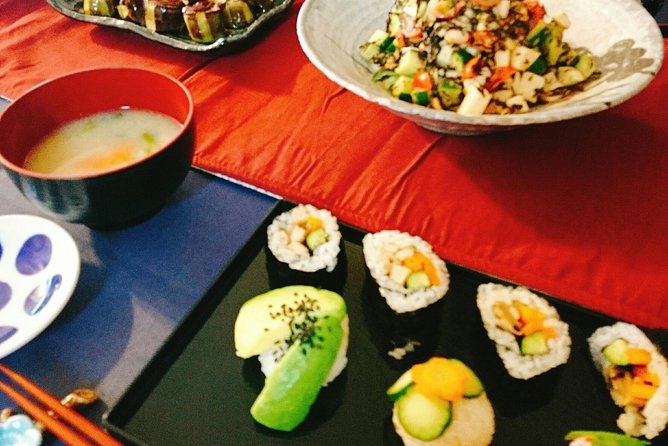
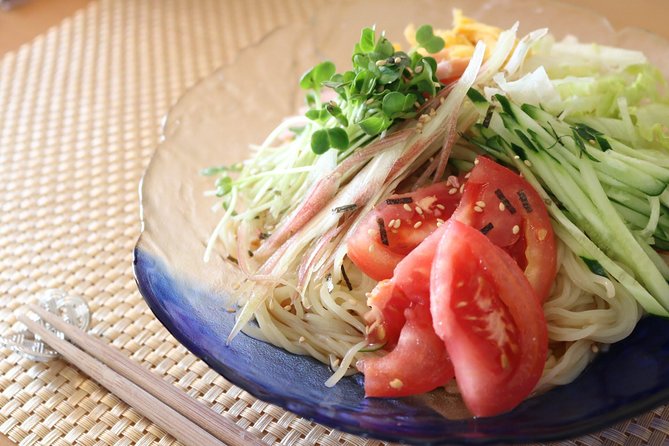
You don’t just cook and run. You sit down and eat a full vegan or vegetarian lunch that includes a 3-course lunch and food tasting.
That structure is practical for learning. As you cook, you’re tasting and comparing. When you sit down for the meal, you get the full arc of the flavors—something fresh, something savory, something comforting. Japanese meals often work like that: balance across courses, not a single “main event” dish.
In the classroom setup, Miwa explains ingredients and where to find them. That’s a gift if you want to recreate the food after your trip. A recipe can be written down, but without knowing what specific ingredient is essential—or how to buy it locally—you’ll struggle when you try again at home.


What you’ll likely take away
Even without a stated dish-by-dish menu in advance, the teaching style is consistent in how people describe it:
- Clear ingredient explanations
- Step-by-step guidance while cooking
- A friendly, calm approach
- Time for conversation
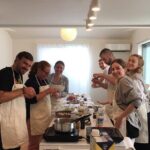
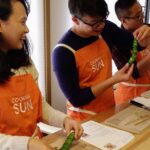
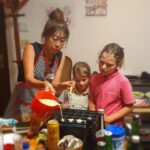
And one detail that comes up again and again: each person has a role. You’re not just an extra set of hands. You’re part of the process, which tends to make the learning stick.
The private format in a local home: why it’s worth it
This is a private tour/activity, meaning only your group participates. That changes the class in three ways.
First, it gives you time to talk. Private also means your questions don’t get cut off when someone else’s time slot begins. You can ask about substitutions for a specific ingredient, or why a certain seasoning works in Japanese vegan dishes.
Second, it makes it easier for mixed diets in your group. The class can be adapted not only for vegan or vegetarian, but also for preferences that include meat and fish. If you’re traveling with someone who isn’t vegan, you can still keep the experience smooth.
Third, it supports families. This class is described as family-friendly, and children are welcomed when accompanied by an adult. In a private setting, kids can be included without disrupting a shared class pace.
A note for parents (practical expectations)
Because the class is in a home setting, you’ll want to keep expectations realistic. This is a cooking lesson, not a theme park. Bring patience, and plan for kids to have a small “job” in the cooking process. The class is designed to assign roles, which helps keep little attention spans from wandering.
What the class feels like while you’re there
Even without an exact minute-by-minute schedule, you can understand the flow from how Miwa teaches.
You’ll start by meeting and settling in at Musashikoyama Station area, then move to the home cooking space. After greetings, Miwa typically explains:
- What you’re making
- Key ingredients
- The step-by-step process
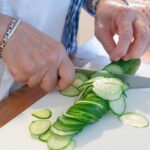
Then you cook, with guidance as you go. The teaching style is interactive, so you’re moving through the recipes rather than being lectured at from the sidelines.
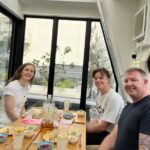
When the food is ready, you taste and then eat together. After lunch, you should have a better sense of how Japanese vegan flavors come together: umami from plant-based ingredients, acidity for balance, and textures that keep dishes from feeling flat.
Meeting point and timing: keep it simple
Start time is 10:30 am, with the activity lasting about 3 hours (often described as 2–3 hours).
You meet at Musashikoyama Station (Tokyu Meguro Line), and the experience ends back at the meeting point. Transportation to/from attractions is not included, so treat the station as your anchor and plan the rest of your day around it.
How to set yourself up for a smooth start
Give yourself a little buffer the morning of your class. Tokyo stations can be easy once you’re oriented, but if you’re juggling luggage or kids, aim to arrive early. Since the class runs on a set start time, being punctual helps you settle in rather than rushing.
Price and value: what you’re paying for
At $705.86 per person, this isn’t a bargain-basement cooking class. But it also isn’t just a “food demo.”
Here’s where the value comes from, based on what’s included:
- Private class for your group
- 3-course lunch (vegan/vegetarian adapted)
- Food tasting
- Customization for vegan/vegetarian and other dietary preferences
- Local home setting in Shinagawa, plus a neighborhood experience around Musashikoyama
For many people, the price becomes easier to justify when you see the payoff: you’re learning how to cook Japanese food in a way you can repeat, and you’re eating a full lunch that’s part of the lesson. Also, private cooking classes save you the hassle of sharing attention with strangers.
Who the price makes the most sense for
This tends to be a strong fit if you:
- Care about vegan Japanese food specifically
- Want one-on-one teaching time
- Are traveling as a family (and value keeping kids engaged)
- Prefer a local home experience over a commercial studio
If you just want a quick intro to Japanese cooking without customization or private attention, you might want to compare against other group-style classes.
What to ask Miwa before you arrive
You’ll get the most out of the class if you think through what you want to learn. Since Miwa can tailor recipes, bring a couple of targets in mind.
Helpful questions to consider:
- Which dish sounds most fun for you: vegan sushi plates, tofu course, or home-made dishes?
- Any specific comfort-food request (like nabe gohan)?
- Are you fully vegan, vegetarian, or do you have another preference in your group?
- Any ingredients you don’t eat or can’t access back home?
Also, if you want to recreate the meal later, ask about ingredient substitutes and where to find key items.
Should you book this Japanese cooking class for vegans?
Book it if you want a Tokyo experience that mixes cooking skill with a real neighborhood feel. The private format is the main advantage: you’ll get time to talk, attention while cooking, and a lunch that’s designed around your diet rather than forcing you to fit someone else’s menu.
Skip it if you’re mainly hunting for the cheapest cooking activity, or if your schedule depends on transport that you’d rather not organize yourself. And if you need a very formal “classroom” atmosphere, a home-based setup may feel less structured than you expect.
If you love learning by doing—and you want to eat the results—this class is an excellent way to spend a morning in Shinagawa, with food that feels both Japanese and vegan-friendly.
FAQ
What kind of food does the cooking class focus on?
It focuses on Japanese cooking using vegetarian or vegan ingredients. The lunch is adapted to vegan or vegetarian preferences, and recipes can be customized based on what you prefer.
Where does the class take place?
The class takes place in Shinagawa, Tokyo, at Miwa’s place. The meeting point is Musashikoyama Station (Tokyu Meguro Line).
How long is the class?
The duration is about 3 hours (approximately). It’s described as 2–3 hours per class.
Is it a private class?
Yes. It’s a private tour/activity, so only your group participates.
What’s included in the price?
The included items are a 3-course lunch and food tasting.
Is transportation included?
No. Transportation to or from attractions is not included.
What time does the class start?
The start time is 10:30 am.
Can children attend?
Yes, the class is family-friendly. Children must be accompanied by an adult.
Can Miwa customize recipes for different diets?
Yes. Miwa customizes recipes for vegan and vegetarian preferences and can also adjust for other dietary preferences upon request.
How soon will I get confirmation after booking?
Confirmation is received within 48 hours of booking, subject to availability.
Can I cancel for a refund?
Yes. You can cancel for a full refund if you cancel at least 24 hours before the experience’s start time. Free cancellation is offered up to 24 hours in advance.