REVIEW · HANOI
Hanoi: Cooking Class in a Local Villa with Market Tour
Book on GetYourGuide →Operated by Rose Kitchen Hanoi · Bookable on GetYourGuide
You eat Hanoi twice: first in the market. Then you turn that shopping bag into a proper meal at a local villa. You’ll start in Dong Bac with a guided walk through stalls where the colors and smells do most of the talking, and you’ll buy the exact ingredients you’ll use later.
I really like two parts of this setup. First, the guides (people like Tung and Hazel show up in past groups) explain what you’re looking at and why it matters in Vietnamese cooking. Second, it’s truly hands-on: you shop, you prep, and you sit down to feast on what you cooked, not a quick snack and a photo line.
One thing to consider: the market time is short inside a 4.5-hour plan, so if you want to wander slowly, bargain endlessly, and stop for extra photos, you may feel a little rushed.
In This Review
- Key things to know before you go
- Entering the Dong Bac market with a purpose
- From street stalls to a cozy villa kitchen
- English-speaking guides who teach the why, not just the how
- The Hanoi dishes you’ll cook (and what they teach)
- What the meal includes: wine tasting, tea, fruits, and plenty to eat
- Price and value in Hanoi: why $37 can still feel fair
- How to make your 4.5 hours feel easy
- Should you book Rose Kitchen Hanoi?
- FAQ
- How long is the Hanoi cooking class with market tour?
- Where do I get picked up and dropped off?
- Is the class small group size?
- Is instruction available in English?
- Do you visit a local market?
- What drinks and refreshments are included?
- Are alcoholic drinks included beyond the wine tasting?
- Can I cook if I am a beginner?
Key things to know before you go
- Market shopping first: you pick ingredients before you touch the stove.
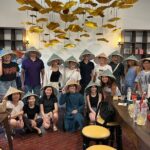
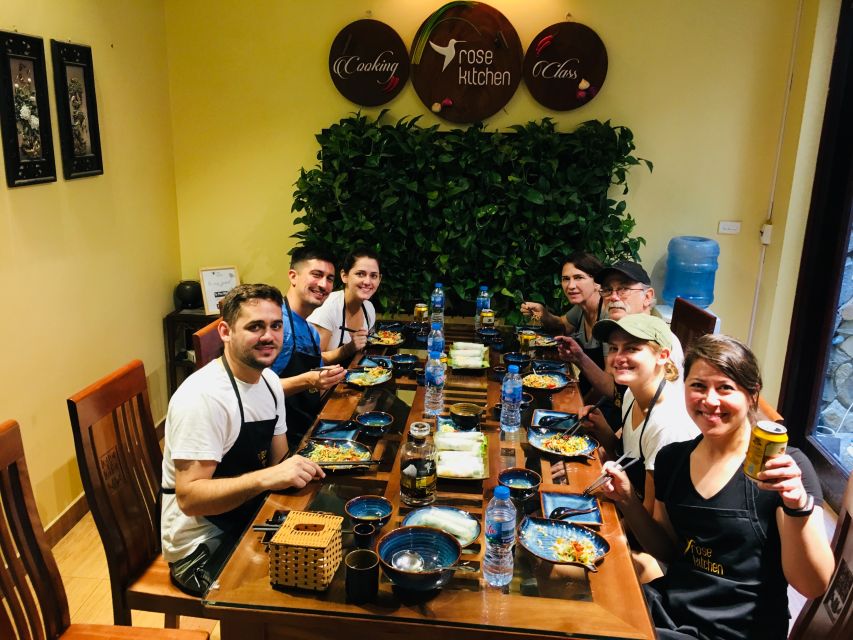
- Small group size: limited to 10 participants, so you actually cook, not just watch.
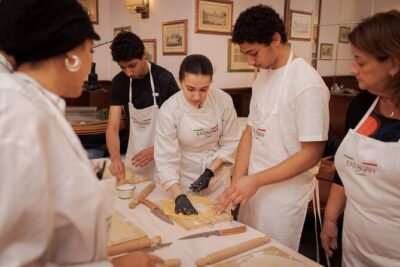
- Local villa kitchen: not a big professional school setup, more like a friendly home-kitchen class.
- English instruction: guided by an English-speaking instructor.
- Wine tasting included: plus herbal tea, mineral water, welcome drink, and seasonal fruits.
- Recipe handout after: some past participants mention receiving an e-book with recipes.
Entering the Dong Bac market with a purpose
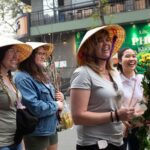
This is not a sightseeing walk where you just take photos. The market stop is the backbone of the class. You’ll go looking for fresh produce and herbs that shape Hanoi-style flavors, then you’ll carry those choices back to the kitchen like you’re building your own dinner plan.
What makes this kind of market visit work is the structure. Your guide shows you what to buy and how to recognize it on the spot. Past guides named in the experience include Aroma, Linh, Apple, Chloe, and Wendy, and the vibe is consistent: you get practical direction plus cultural context, not a lecture.
You’ll also get the sensory side fast. Expect strong smells from herbs, piles of fruit, and proteins that look different from what you’d see in a supermarket. If you’re the kind of person who wonders what makes Vietnamese food taste like Vietnamese food, this market is where that question starts to answer itself.
You can also read our reviews of more tours and experiences in Hanoi.
From street stalls to a cozy villa kitchen
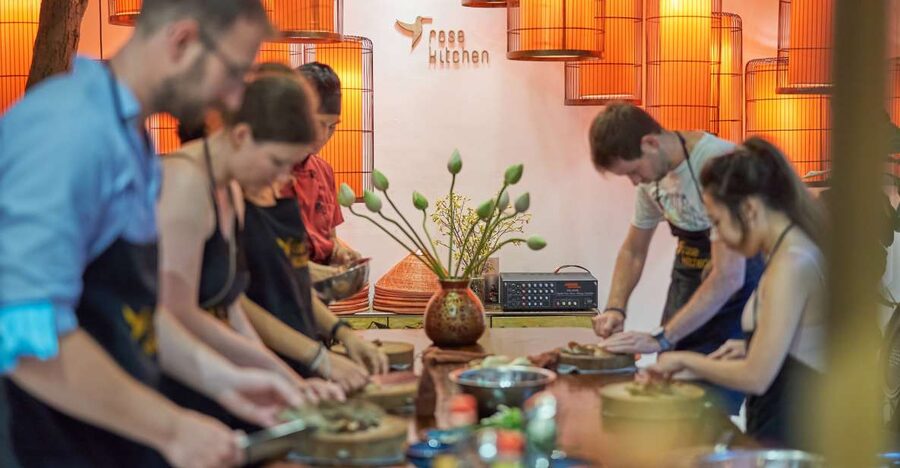
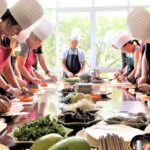
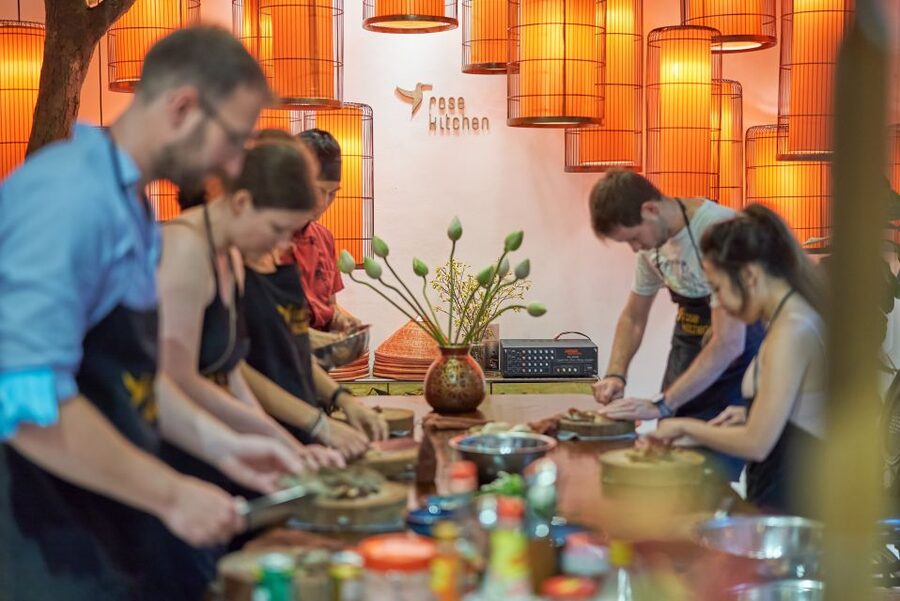
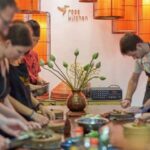
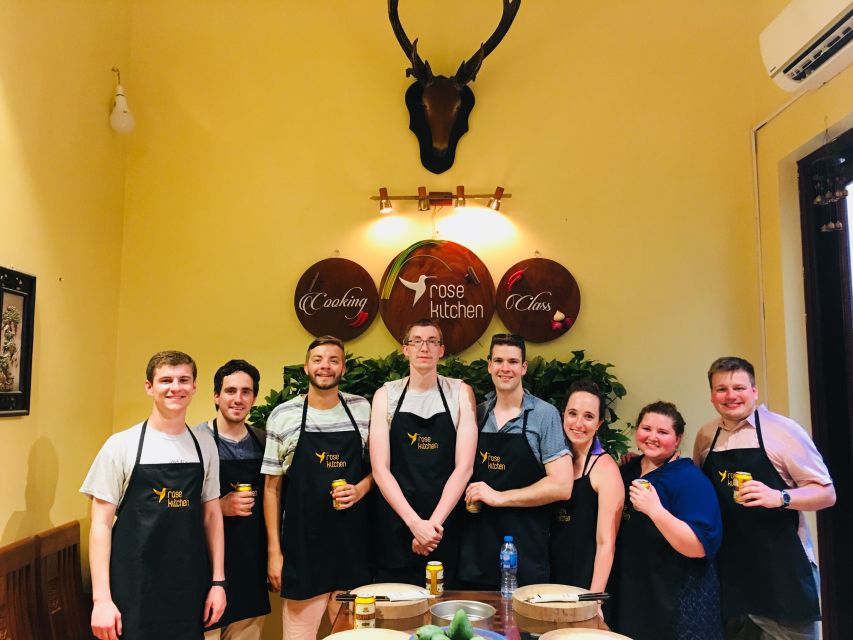
After the market, you head to a local villa kitchen. The big deal here is that it’s not set up like a formal culinary institute. It’s a home-style space designed for real cooking practice—something that suits beginners and people who just want a confident, hands-on experience.
You’ll unwind for the cooking part, then get started with the lesson. Since pickup and drop-off are included from Old Quarter hotels, you’re not juggling taxis or figuring out where to meet. That matters in Hanoi, because traffic and timing can easily steal the fun from an activity like this.
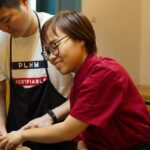
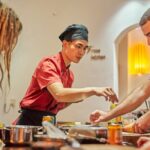
A quiet advantage of the villa format: the kitchen feels less intimidating. In a classroom full of identical tools and strict rules, you can end up watching. Here, you’re in the flow. You’re chopping, mixing, and assembling at a pace that lets everyone join in.
English-speaking guides who teach the why, not just the how
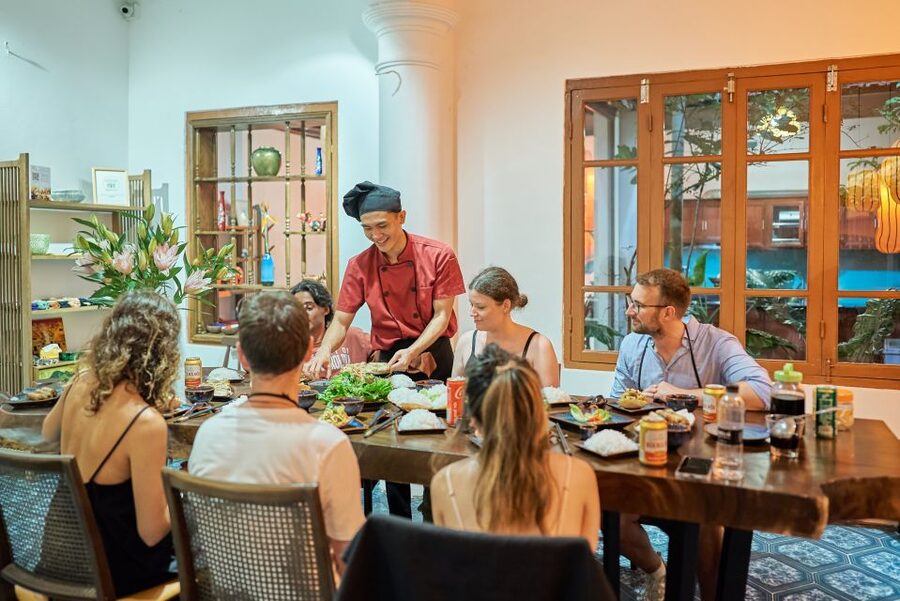
This class leans hard on storytelling. The cooking matters, but the guide’s explanations make the flavors stick in your memory.
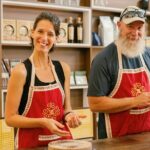
Guides named in past sessions include Tung, Hazel, Aroma, Linh, Gracie, Vanessa, and others. The tone described in the experience is friendly, funny, and interactive. You’re not just following steps—you’re asking questions like why one ingredient is chosen over another, or what a dish is traditionally associated with in everyday Vietnamese life.
That “why” is useful for you at home. Once you understand what a dish is trying to do—balance herbs, build flavor from sauces, or get the texture right—you can adjust ingredients later without ruining the whole thing.
One practical note: the instructor is English-speaking, which keeps the pace moving. You won’t be stuck waiting for translation, and it’s easier to get individual help if your hands move a little slower than your enthusiasm.
The Hanoi dishes you’ll cook (and what they teach)
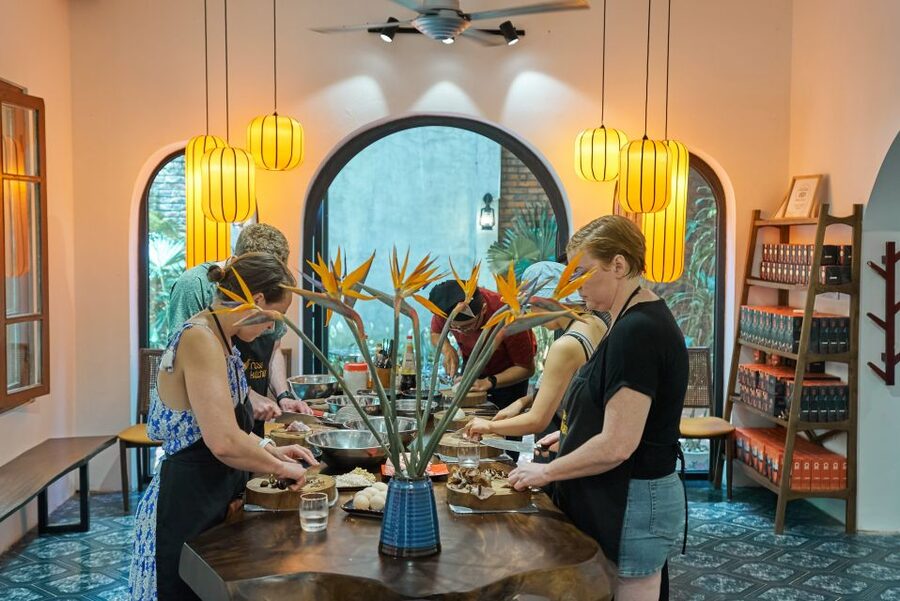
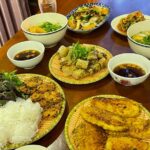
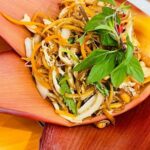
Even though menus can vary, there are some dishes that show up again and again in this experience. Spring rolls are a common centerpiece, and you may also make fried spring rolls. Another dish that appears in past classes is banana flower salad.
Some groups also mention bun chà as part of what they cooked. And at the end of the evening, certain sessions include egg coffee, which is one of those Hanoi treats that feels like a bonus when you’ve just worked up an appetite.
Here’s what these dishes teach you as a home cook:
- Spring rolls (and fried versions) help you get comfortable with wrapping, filling ratios, and texture control.
- Banana flower salad is a crash course in freshness—how herbs, acidity, and crunchy elements have to work together.
- Bun chà-style cooking helps you think in layers, not just one sauce or one seasoning.
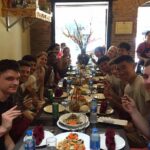
You’ll also taste what you made at the table with the group. That’s a big part of why cooking classes beat restaurant meals. You learn what “right” feels like—how the flavors develop while something cooks, and what changes if you add an ingredient at the wrong time.
What the meal includes: wine tasting, tea, fruits, and plenty to eat
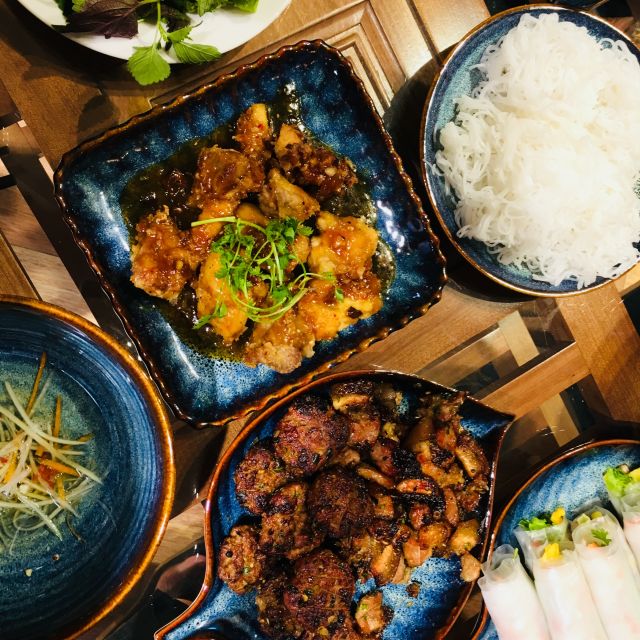
This is built as a full experience, not a quick stop that ends with a light snack. Your package includes a welcome drink, herbal tea, mineral water, and seasonal fruits. Wine tasting is also included, and it’s positioned as part of the meal.
One detail that makes this smoother: alcoholic drinks beyond the tasting are not automatically included for unlimited sipping. Extra alcoholic drinks are available to purchase, but you’re not paying extra just to have one tasting.
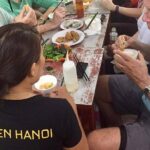
In practical terms, you’ll likely arrive hungry after the market. Then you’ll work through prep and cooking, and by the time you sit down, you’re not just tasting Vietnamese food—you’re tasting it with a memory attached. You remember where your herbs came from and what you chose at the stalls.

Price and value in Hanoi: why $37 can still feel fair
At $37 per person, this isn’t the cheapest thing you can do in Hanoi. Some people do flag the price as higher than you’d expect for Vietnam. Still, value comes down to what’s bundled.
Here’s what you get inside that cost:
- pickup and drop-off from Old Quarter hotels
- small-group cooking with a guide/instructor
- a market visit to buy ingredients
- the cooking lesson itself
- wine tasting
- herbal tea, mineral water, welcome drink
- seasonal fruits
Add it up and it becomes less like paying for cooking, and more like paying for a guided night that includes transportation, shopping, instruction, and a meal you helped make. If you’re comparing it to a regular dinner plus a separate tour plus a cooking class somewhere else, the math starts to look steadier.
My take: if you care about learning how to cook Vietnamese dishes—not just eating them—this is a solid deal. If you’re only after a low-cost meal, a local spot will beat it on price. But for a half-day cultural-food experience, the bundle earns its keep.
How to make your 4.5 hours feel easy
The schedule is about 4.5 hours, with starting times based on availability. That timing is long enough to shop, cook, and eat together, but short enough that you’ll want to be ready when you’re picked up.
A few ways to get the most out of it:
- Ask questions during the market, not after. If you want to remember what to look for, ask while you’re standing in front of it.
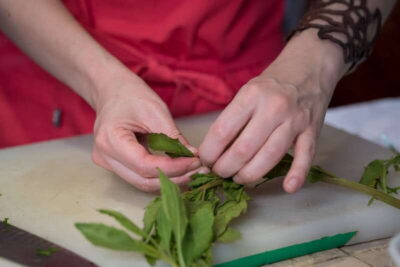
- Pay attention to how ingredients are chosen. Guides often explain differences that matter for flavor and texture.
- Tell your instructor about allergies or special wishes if you have them. Past participants mention that the team can accommodate.
Also, wear comfortable shoes. Market walks are not marathon miles, but you’ll likely do a fair amount of standing. Bring a small appetite too—this is not a class where you nibble your way through.
Finally, if you want to recreate the dishes later, listen for the small points. Things like sauce balance, herb prep, or wrapping technique are usually the difference between average and excellent at home.
Should you book Rose Kitchen Hanoi?
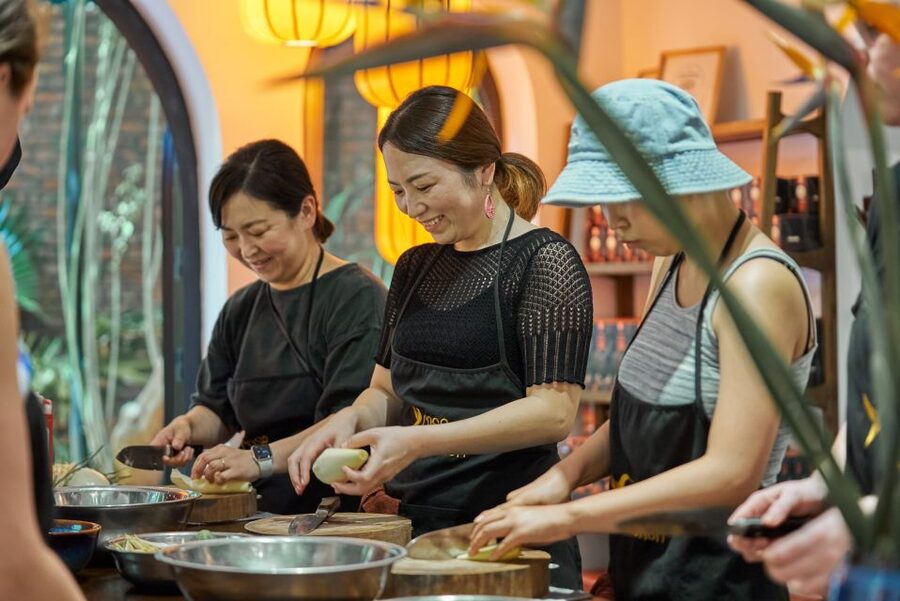
You should book this if you want a real cooking class experience in Hanoi, with an ingredient-focused market walk that feeds directly into what you cook. It’s a great fit for beginners, home cooks, and anyone who learns faster by doing—especially if you like chatting and getting cultural context alongside the food.
You might skip it if you hate time-boxed shopping and you’re craving an unstructured market wander. Also, if your goal is only the cheapest meal possible, there are easier and less expensive options.
If you do book, pick it as a half-day anchor on your schedule. Start with this class early enough that you can use what you learn when you choose later meals in Hanoi. And if you want a confident souvenir, look for the recipe e-book mentioned in past experiences, since that’s the best way to keep the flavors alive long after the last sip of tea.
FAQ
How long is the Hanoi cooking class with market tour?
The experience lasts about 4.5 hours. Starting times depend on availability.
Where do I get picked up and dropped off?
Pickup and drop-off are included from hotels in Hanoi’s Old Quarter.
Is the class small group size?
Yes. The group is limited to 10 participants.
Is instruction available in English?
The instructor provides the cooking lesson in English.
Do you visit a local market?
Yes. You’ll take a guided market visit where you choose ingredients before cooking.
What drinks and refreshments are included?
Included items are wine tasting, herbal tea, mineral water, a welcome drink, and seasonal fruits.
Are alcoholic drinks included beyond the wine tasting?
Alcoholic drinks are not included beyond what’s part of the tasting. Additional alcoholic drinks are available to purchase.
Can I cook if I am a beginner?
Yes. This is described as suitable for home cooks and beginners, with a cozy kitchen setup rather than a strict professional school environment.