Basil, laughter, and flour in Imperia. This hands-on Ligurian cooking class in Imperia Porto Maurizio hits two big joys for me: you make the food from scratch, and you learn how pesto al mortaio is actually done, step by step. One thing to consider: it’s a full chunk of time (about 5 hours), so build in a relaxed schedule day.
Hosted by Patrizia (often called Patti), the class is built like a real Italian family meal—hands busy, stories flowing, then you sit down and eat what you made. You can expect a friendly, funny vibe, with English, German, and Italian spoken during the workshop, and it’s designed to work even if you’re a beginner in the kitchen. If you want a quick sampler or only a tiny taste, this isn’t that kind of experience—you’ll be cooking.
In This Review
- Key Highlights You Should Care About
- Cooking With Patrizia in Imperia Porto Maurizio
- What You’ll Make: Focaccia, Mortar Pesto, and Fresh Pasta
- Genoese Focaccia: The Crunch-Soft Balance
- Pesto al Moriaio: Why the Marble Mortar Matters
- Fresh Pasta by Hand: From Dough to Shapes
- Tiramisù at the End: Sweet Comfort After the Work
- The 5-Hour Flow in Imperia: Gira Parasio, Imperia, and San Maurizio
- Private Class Energy: Cooking Without the Crowd
- Languages: English, German, and Italian in One Room
- Price and Value: What $177.52 Buys You
- Practical Tips So You Enjoy Every Minute
- Who Should Book This Ligurian Cooking Class?
- Should You Book Patrizia’s Ligurian Cooking Class?
- FAQ
- How long is the authentic Ligurian cooking class?
- Where does the class start?
- What recipes will I learn to make?
- Does the class have language support?
- Is this a private experience?
- Is there mobile ticketing?
- What are the available class times?
- What if I need to cancel?
- Is service available for people with service animals?
Key Highlights You Should Care About
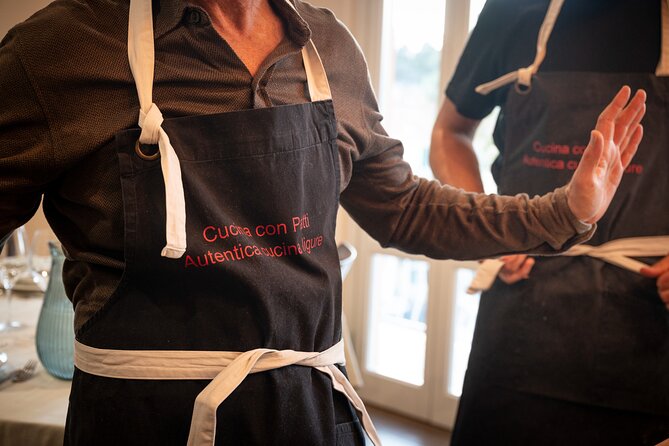
- Genoese focaccia that’s crisp outside and soft inside, made with simple, authentic ingredients
- Pesto ground the traditional way in a marble mortar (fresh basil, garlic, pine nuts, Parmigiano, Ligurian olive oil)
- Fresh pasta by hand, shaping pasta yourself with techniques you can repeat later
- A real sit-down meal at the end, often with local wine to round it off
- Small, private group feel, with only your group taking part
- Beginner-friendly teaching, including how to learn the tricks without stress
Cooking With Patrizia in Imperia Porto Maurizio
Imperia Porto Maurizio is the kind of Ligurian base that makes cooking feel personal. You’re not just reading about regional food—you’re learning it in the same place Ligurians live it, where olive oil, herbs, and simple ingredients take center stage.
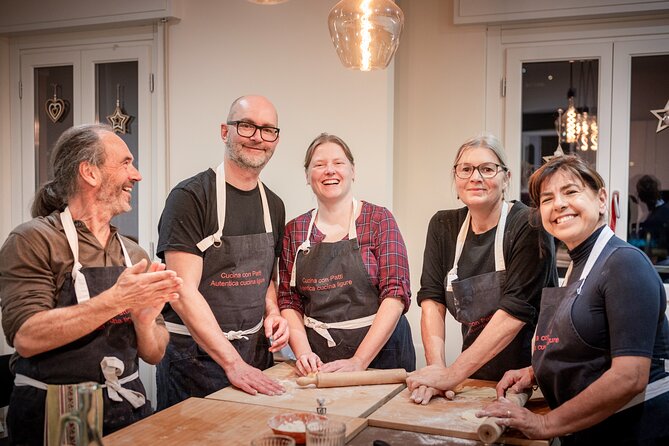
Patrizia’s teaching style is warm and practical. What I like most is that the class isn’t only about eating well; it’s about learning confidently. You’ll work with your hands—kneading, forming, grinding, cooking—so the recipes stick, and you don’t leave with only a nice memory and a fuzzy recollection.
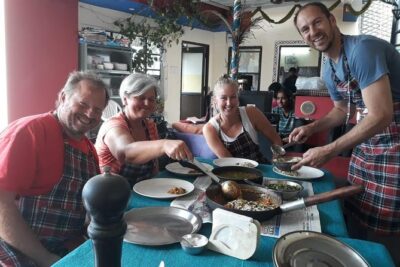
There’s also a clear social rhythm to the workshop. Expect jokes, laughter, and a relaxed pace. Based on the way the class is described, it’s the opposite of stiff cooking school energy. If you’re the kind of person who likes to talk while you cook, this fits.
You can also read our reviews of more tours and experiences in Italy.
What You’ll Make: Focaccia, Mortar Pesto, and Fresh Pasta
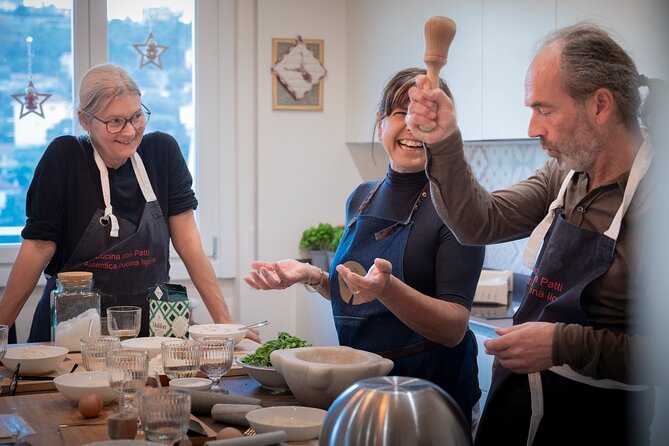
The menu structure here is smart: start with focaccia, then go into pesto, then move to fresh pasta—classic Ligurian order—ending with something sweet.
You’ll learn focaccia genovese, aiming for that signature texture: croccante fuori e morbida dentro, meaning crisp outside and tender inside. This is not just a “mix and bake” lesson. The teaching focus is on getting the dough right and handling it so it bakes up with the right structure.
Next comes pesto al mortaio, the traditional Ligurian route. Instead of a blender shortcut, you’ll grind in a marble mortar. The ingredient list is specific: fresh basil, garlic, pine nuts, Parmigiano, and Ligurian olive oil. That matters because the grinding method changes the pesto’s texture and how the flavors come together.
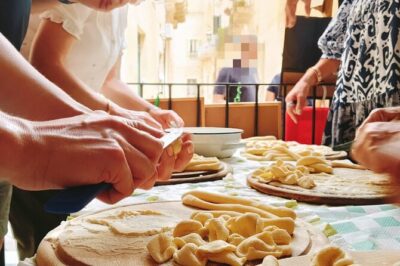
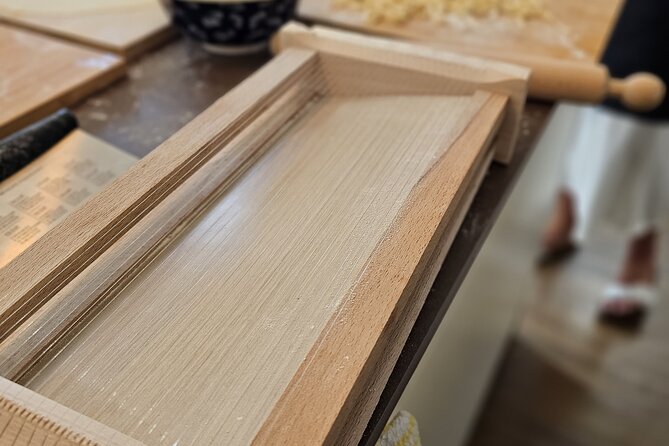
Then you’ll make pasta fresca fatta a mano. You can expect the skills for shaping pasta by hand—styles like trofie, tagliatelle, or gnocchi are mentioned as part of what you learn. You’ll roll and cut by hand and get a feel for the dough beyond measurements alone.
Genoese Focaccia: The Crunch-Soft Balance
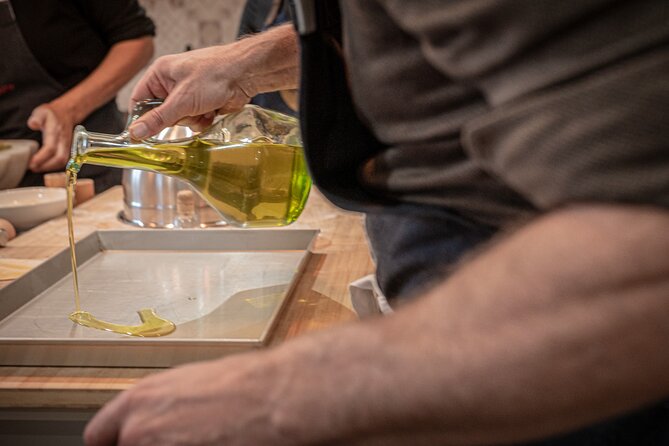
Focaccia genovese is one of those foods that can taste either great or oddly flat, depending on technique. Here, the goal is very clear: a crust that gives you resistance when you bite, then a soft interior that tastes of olive oil and simplicity.
I like that the lesson keeps the ingredients conceptually grounded. Ligurian cooking often shines through restraint: you want dough and olive oil to taste like themselves. So rather than a long ingredient list, you’re focusing on how the dough behaves—how you work it, how you shape it, and what you do so it bakes correctly.
If you’re a beginner, this is a comforting starter. Even if you don’t nail every detail, the class format helps you get close. And you’ll be eating the result at the table, which turns technique into a rewarding experience instead of a science experiment.
Pesto al Moriaio: Why the Marble Mortar Matters
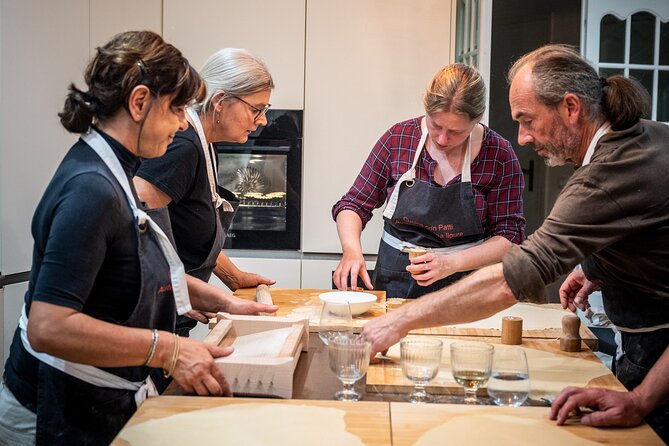
Pesto is one of those dishes everyone thinks they know—until you see it made the traditional way. The class leans into the classic method: grinding in a marble mortar.
When you use pesto al mortaio, you’re changing how basil gets broken down, and how garlic, pine nuts, Parmigiano, and oil blend. The texture tends to be thicker and more integrated. The flavors don’t just mix; they meld in a way you can taste immediately.
I also appreciate that the class specifies the core ingredients. That’s useful for you later, when you try to reproduce it. You’ll know what matters most: fresh basil, pine nuts, Parmigiano, and Ligurian olive oil—not a guess.
You should come away with more than a recipe. You’ll understand the logic of the method: slow, steady grinding; balancing ingredients; and building pesto that tastes like Liguria, not like something generic.
Fresh Pasta by Hand: From Dough to Shapes
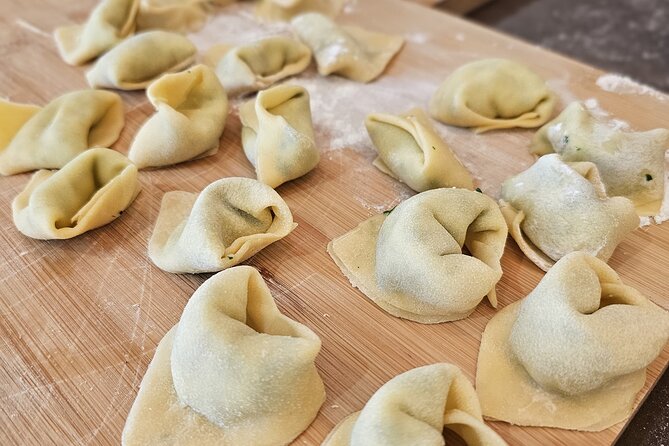
Fresh pasta is where you really feel the difference between cooking with tools and cooking with your own hands. This class teaches pasta fresca as an active process—impastiamo, stendiamo, and you’ll do the shaping yourself.
You’ll learn how to form pasta into recognizable shapes. Styles mentioned include trofie, tagliatelle, or gnocchi. The key is not memorizing a fancy name; it’s learning the movements. Rolling, cutting, portioning, and handling the dough without turning it into sticky trouble are the real skills.
Also, this is the part that tends to create the most satisfying moment for beginners. You start with flour and water (or flour and eggs, depending on what’s being taught in the class), then suddenly you’ve made something real. And when your pasta goes from workbench to plate, it clicks.
If you’ve ever made pasta at home and felt it tasted good but looked wrong, this class helps with the practical feel: the dough texture, how it behaves, and how to shape it so it cooks well.
Tiramisù at the End: Sweet Comfort After the Work
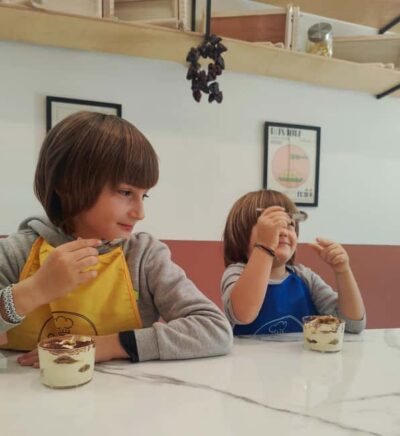
After focaccia, pesto, and pasta, you finish with tiramisù—classic Italian-style layers with espresso-soaked savoiardi, mascarpone cream, and cocoa.
This ending makes sense. The class isn’t only teaching savory skills; it gives you a sweet payoff that matches the Italian table rhythm. It’s also a good way to cap the day because tiramisù is structured, forgiving, and familiar enough to learn without needing advanced pastry training.
Since you’re eating what you cooked, dessert feels earned rather than tacked on. Expect a finish that’s cozy and satisfying, right where you started: around the table.
The 5-Hour Flow in Imperia: Gira Parasio, Imperia, and San Maurizio
The full experience runs about 5 hours and starts and ends at the meeting point on Via Martiri della Libertà, 136, 18100 Imperia IM, Italy. You’ll also make a few local stops: Gira Parasio, Imperia, and Parrocchia di S. Maurizio. The exact time each stop takes isn’t spelled out, so the best way to plan is to treat the day as a paced local experience rather than a strict minute-by-minute tour.
Here’s how I’d think about it as a practical traveler:
- Gira Parasio: This is likely your first neighborhood orientation moment. Even if you don’t see big-ticket landmarks, it’s the kind of stop that helps you understand the feel of Imperia Porto Maurizio before you start cooking.
- Imperia: This broad stop acts like your local context checkpoint. Expect more “being in the place” than structured sightseeing.
- Parrocchia di S. Maurizio: A stop at the parish area gives the day an everyday authenticity. It also helps break up the timing so your cooking energy doesn’t spike and crash.
Between these stops, you’ll settle into the cooking lesson and the hands-on prep. In a class like this, the time on task is the real star, so don’t rush the rest of the day around it. Build in some breathing room before and after.
Private Class Energy: Cooking Without the Crowd
This is a private tour/activity, meaning it’s only your group. That matters more than it sounds.
With a private setup, it’s easier to ask questions in real time. Patrizia can focus on your pacing—how quickly you learn kneading, grinding, rolling, or cutting. It also makes the joking and laughter feel more natural. You’re not trying to compete for attention in a room full of strangers.
It’s also a benefit if you’re traveling as a couple, with friends, or with family. You can share tasks instead of watching from the sidelines. And you’ll likely leave with a stronger sense of how to reproduce the dishes at home, not just how they taste today.
Languages: English, German, and Italian in One Room
The workshop welcomes English, German, and Italian speakers. That means you’re not stuck guessing what to do while you’re holding dough.
I like that this is explicitly addressed in the class setup. Cooking lessons can fail when instructions don’t land. Here, the host is set up to explain in multiple languages, which helps you get the technique right the first time.
It’s also explicitly friendly to beginners. If you’ve never worked with fresh pasta dough or don’t know what pesto should look like in a mortar, you’ll be in the right place. You’ll learn through doing, not by watching someone else handle all the work.
Price and Value: What $177.52 Buys You
At $177.52 per person for about 5 hours, the price feels reasonable because you’re paying for more than a meal.
You’re getting:
- A guided, hands-on lesson (focaccia, mortar pesto, fresh pasta, and tiramisù)
- Ingredients and instruction together, which is where many cooking experiences get their value
- A full sit-down eating experience at the end, rather than a few samples
There may also be a local wine with the meal. The key word in the class description is that it’s possible—so don’t plan your day as if it’s guaranteed—but the spirit of the end-of-class table is clear.
If you’ve been to cooking classes that feel like a demonstration, this one is positioned as interactive. The value jumps when you participate. In other words, the price makes sense if you actually want to cook, not just observe.
Practical Tips So You Enjoy Every Minute
A few simple moves can make the day smoother:
- Wear comfortable shoes. You’ll be working and moving around during the experience.
- Come with an open attitude. The class has a fun, joke-filled flow, and that helps you learn.
- Don’t worry about perfection. The goal is to learn technique you can repeat at home, not to win a pasta-shaping contest.
- If you’re sensitive to strong flavors, note that pesto includes garlic and fresh basil and is meant to be bold and direct.
Also, because the class ends back at the meeting point, plan to stay in the area afterward. This isn’t a fast in-and-out stop; it’s a full afternoon event.
Who Should Book This Ligurian Cooking Class?
This fits best if you want one of two things:
1) You want authentic Ligurian cooking you can actually redo later.
2) You want a fun, warm experience with real conversation while you cook.
It’s also a good match if you love food that’s built on simplicity: olive oil, basil, nuts, cheese, and flour-based comfort.
If your priority is high-end sightseeing or a museum-style itinerary, you might feel that the local stops are light. The payoff is in the cooking and the table meal.
Should You Book Patrizia’s Ligurian Cooking Class?
Yes, if you want a hands-on Ligurian day that blends technique with a relaxed, family-style atmosphere. The class is especially attractive because it teaches the big three—focaccia genovese, pesto al mortaio, and fresh pasta—and it ends with the dishes you made, not just a polite tasting.
Book it if you’re traveling in a group that wants to cook together, because the private format makes learning easier and more personal. If you’re short on time or want a quick snack experience, pick something shorter.
FAQ
How long is the authentic Ligurian cooking class?
The class runs for about 5 hours.
Where does the class start?
It starts at Via Martiri della Libertà, 136, 18100 Imperia IM, Italy, and ends back at the same meeting point.
What recipes will I learn to make?
The class includes Genoese focaccia, pesto al mortaio (ground in a mortar), fresh pasta made from scratch, and tiramisù.
Does the class have language support?
Yes. Patrizia welcomes participants in English, German, and Italian.
Is this a private experience?
Yes. It is a private tour/activity, and only your group participates.
Is there mobile ticketing?
Yes. You receive a mobile ticket.
What are the available class times?
Classes run daily (Monday through Sunday) from 10:00 AM to 3:00 PM during the stated dates.
What if I need to cancel?
Free cancellation is available up to 24 hours in advance for a full refund. If the minimum number of travelers isn’t met, the experience may be canceled and you’ll be offered a different date/experience or a full refund.
Is service available for people with service animals?
Yes. Service animals are allowed.