REVIEW · ITALY
Cooking Class: Italian Authentic Recipes with Lunch
Book on GetYourGuide →Operated by Poggio Ai Laghi · Bookable on GetYourGuide
Hands-on Tuscany starts with pasta dough. I like that you cook with an Italian chef and then eat the lunch you made, not some museum-style demo. I also like the wine-and-food tasting setup, with spumante, Chianti, oils, and vinegars all paired with your meal. One drawback to plan for: this is a fast, action-heavy 3 hours, and it does not include a vineyard/winery tour, so you won’t get a long stroll through the estate.
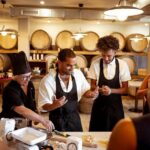
Expect a warm welcome, a welcome drink, and a hands-on dough-and-sauce rhythm that actually feeds you. You’ll start with Arella Spumante, then get into making homemade pasta with sauce using local products, and follow it with a full course lunch on the same table. After lunch, the wine expert explains wine tasting basics and how wine fits into the culture around this territory.
Practical note: the guide is offered in English, French, and Spanish, and the experience is wheelchair accessible. You do need to handle your own way there and back since pick-up/drop-off isn’t included, and there’s no estate tour—just cooking plus tastings.
In This Review
- Key things I’d circle on your booking page
- A Chianti estate meal built around your hands
- Start with Arella Spumante and a tasting mindset
- Homemade pasta and sauce: the real class part
- The lunch you cook: antipasti, pasta, tagliata, dessert
- Antipasti first: cured meats, cheese, and tomato-bruschetta
- First course: your homemade pasta
- Second course: tagliata di manzo with roasted potatoes
- Dessert: cantuccini and Vinsanto
- Wine tasting that actually teaches you what to taste
- The wines included
- The oils and balsamics aren’t an afterthought
- What you’re really paying for at $91 per person
- Logistics and pacing: where you might feel pressure
- Who should book this (and who should reconsider)
- Quick tips to get the most from your 3 hours
- Should you book this Tuscan cooking and wine class?
- FAQ
- What is the duration of the cooking class experience?
- What will I cook during the class?
- What food is included with lunch?
- What wines are included in the tasting?
- Do they include olive oil and balsamic vinegar tastings?
- Is there a vineyard, winery, or estate tour included?
- Is pick-up or drop-off provided?
Key things I’d circle on your booking page
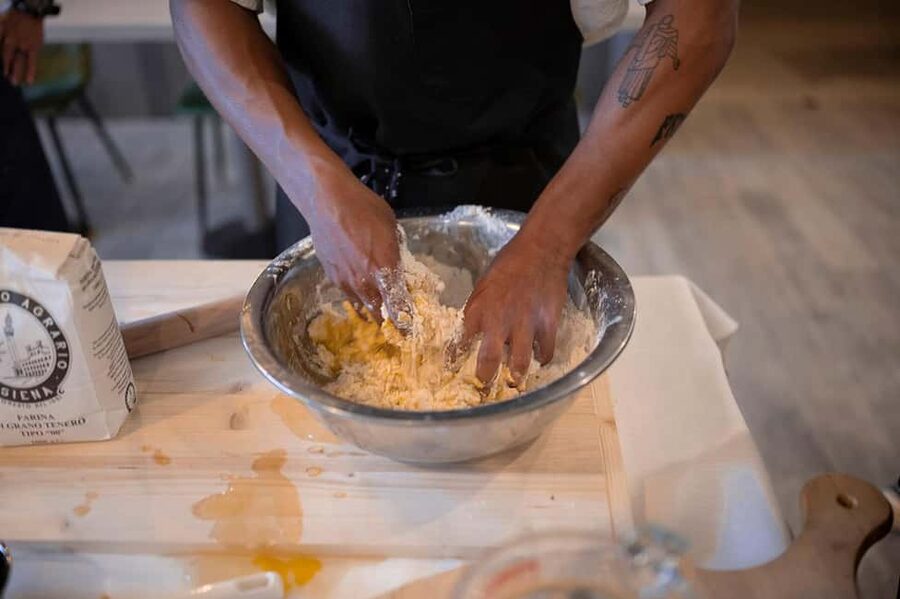
- Hands-on pasta time with an Italian chef, plus sauce made with local products
- Full-course lunch built around the meal you cook, from antipasti to dessert
- 5 wines plus tastings of olive oils and balsamic vinegars (not just sips)
- Wine expert coaching on how to taste and what to look for
- Short 3-hour format that packs cooking and tasting into one sitting
A Chianti estate meal built around your hands
This experience is in Tuscany, in the Chianti area, at a Chianti winemaking estate. It’s designed like a mini workday: you arrive, get welcomed, cook, eat, then learn how to taste what you just ate and drank. If you like your food travel practical—messy hands included—this is a great fit.
The key thing is that it’s not only “watch someone cook.” You’re doing the pasta. You’re learning the flow: dough, shaping, sauce, and then sitting down to a lunch that follows the same logic as your effort. That alone turns the price into something you can feel in your stomach, not just your camera roll.
Now, a reality check: because it’s only 3 hours, it moves. So if you want leisurely wandering or long educational tours of vineyards, you might feel slightly rushed. If you want a compact dose of Tuscan cooking plus serious tasting, you’ll probably leave happy and full.
You can also read our reviews of more tours and experiences in Italy.
Start with Arella Spumante and a tasting mindset
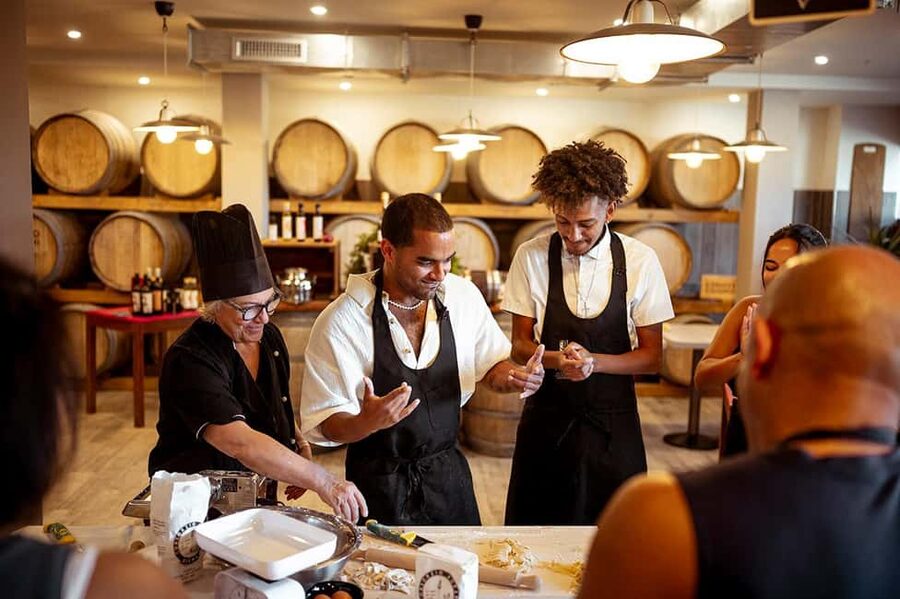
Before you touch flour, you’ll get a welcome drink: Arella Spumante. That sets the tone. Spumante is light and crisp, which helps you reset your palate before richer aromas and cured meats show up later.
Right away, you’re also being trained to taste with intention. The wine expert (the person guiding the tastings) explains basics of wine tasting and ties it to the territory’s culture—so you don’t just drink and nod. You learn what matters: acidity, balance, and how different styles behave alongside food.
One small practical advantage: the pacing keeps the tastings from feeling like a separate event you just squeeze in. You’re learning while your meal is building, so the experience stays connected.
Homemade pasta and sauce: the real class part
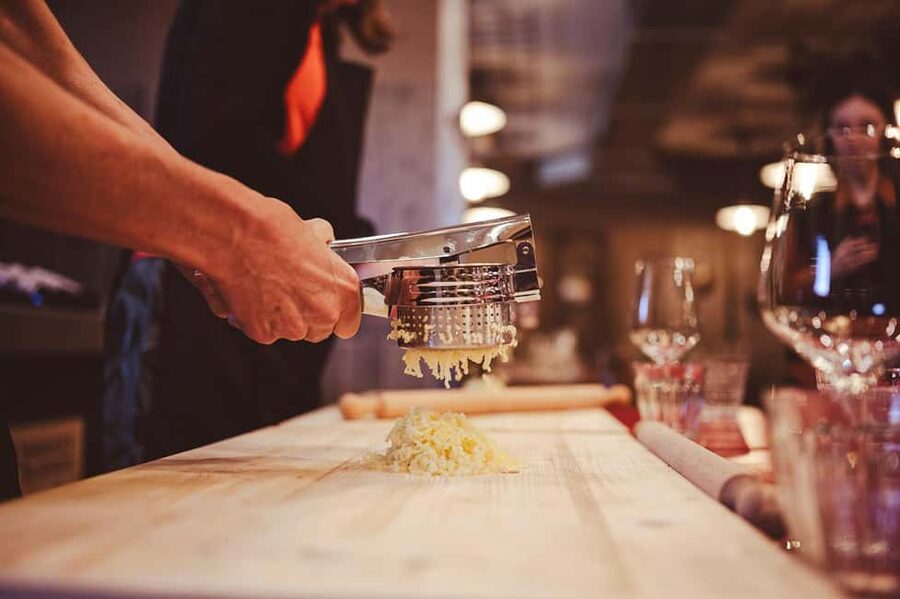
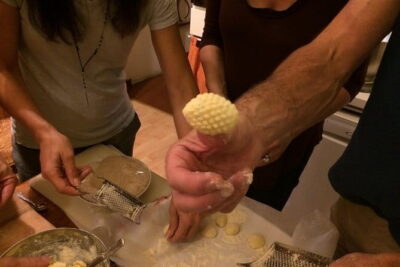
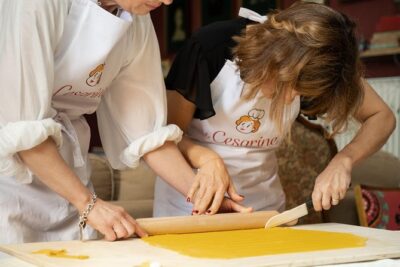
The hands-on section is the heart of the day. You’ll make homemade pasta and sauce using local products. That matters because Tuscany’s flavors aren’t only about “Italian food in general.” It’s about ingredients and technique that fit the region’s cooking habits.
Here’s what you should expect from a class built this way:
- You’ll work with the dough process, not just assembly.
- You’ll learn sauce-making that matches the pasta you’re creating.
- You’ll get enough guidance to finish and eat what you made, instead of leaving mid-way and hoping it works out.
Do note what this means for you. This is an activity where sleeves matter. Wear clothes you don’t mind lightly dusting with flour. Closed-toe shoes are a smart idea since kitchens tend to have spills and dropped bits. If you’re traveling with someone who hates anything hands-on, this might not be their favorite hour—but for most food people, it’s exactly the point.
The lunch you cook: antipasti, pasta, tagliata, dessert
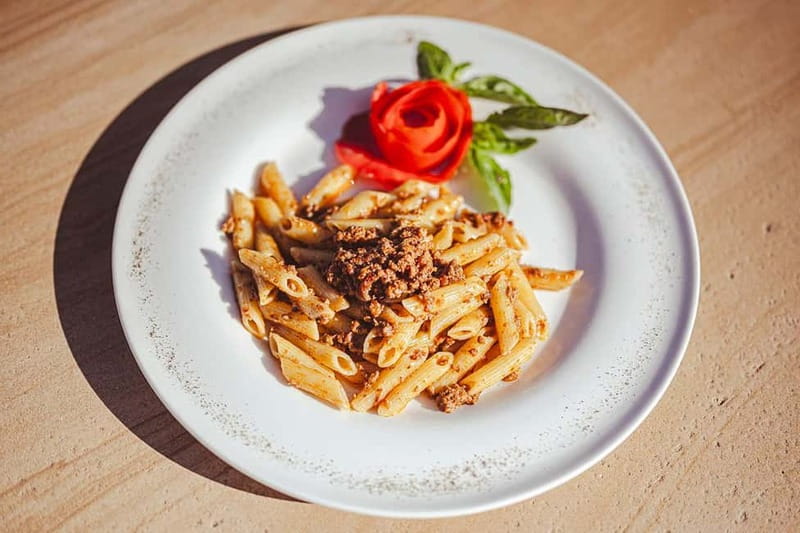
After the cooking, you eat. And not in some distant “now that’s done, go find lunch” way. The meal is structured as a true Tuscan-style course lunch.
Antipasti first: cured meats, cheese, and tomato-bruschetta
You start with a platter-style opening that gives you a taste of local staples:
- Salame toscano
- Finocchiona
- Prosciutto crudo toscano
- Pecorino
- Bruschetta with fresh tomato and basil
- Cialda di pane tostato with Extra Virgin Olive Oil
This appetizer mix is smart food travel. You get salty, fatty cured meats; herbal brightness from tomato and basil; and a crunchy bite with the toasted bread crisp plus olive oil. It’s a palate warm-up that also works beautifully with the spumante and early tasting notes.
First course: your homemade pasta
Then comes the payoff: the first course is your pasta and sauce—the same one you prepared in class. This is where the “value” becomes real. You get to taste your technique immediately, and you’ll understand why certain shapes and sauces work well together.
If you’re wondering why that’s important: eating what you made turns learning into memory. You don’t forget it later, because you experienced the result in real time.
Second course: tagliata di manzo with roasted potatoes
For the main course, you’ll have tagliata di manzo with roasted potatoes. Tagliata is all about simplicity and good cooking—sliced beef, typically served with herbs and juices, plus potatoes to soak up flavor.
It’s also a good moment to stop thinking like a student and start thinking like a guest. Your job is done; your attention can shift to savoring the meal and matching it with the wines and tastings you’ll have learned about.
Dessert: cantuccini and Vinsanto
You finish with cantuccini and Vinsanto. Cantuccini bring a crisp, almond cookie texture—made to dip, snack, and slow down your pacing. Vinsanto is a fitting partner here, giving you that deeper, dessert-ready sweetness.
Wine tasting that actually teaches you what to taste
This isn’t just a line-up of glasses. The wine expert explains the basics of wine tasting and how wine ties into the territory’s culture. Even if you know nothing about wine, you’ll have a structure for what to notice.
The wines included
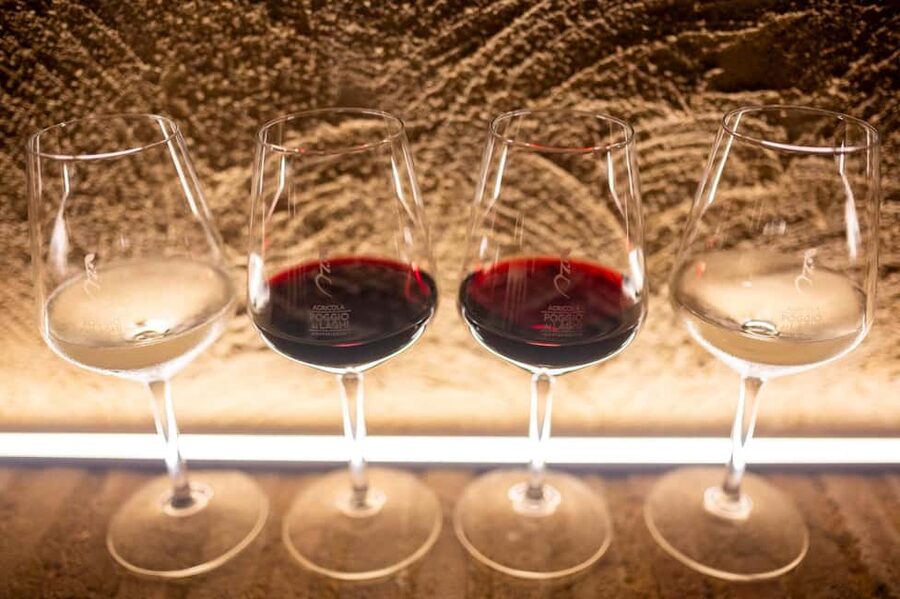
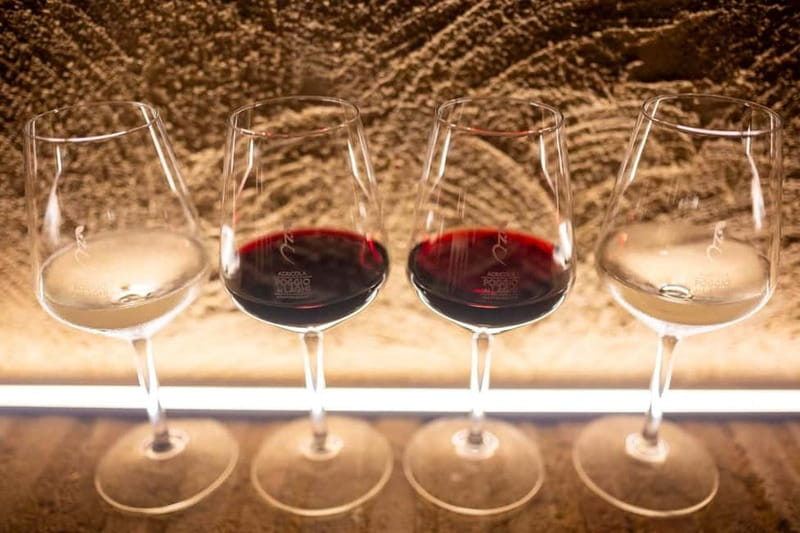
Your tasting includes two spumante and three red wines, plus non-wine flavor tastings:
Spumante
- Arella Spumante Cuvèe Extra Dry Oletta
- Firmina Spumante Rosé Extra Dry
Reds
- Lucilla – Chianti Classico DOCG
- Oletta – Chianti Riserva DOCG
- Aranda – Supertuscan IGT
That’s a helpful range. You’re tasting across styles and label categories, and you can compare how the red profiles change from standard Chianti to Riserva and to a Supertuscan-style expression. If you’re already a wine fan, it gives you enough variety to feel educated rather than simply entertained.
The oils and balsamics aren’t an afterthought
This experience also includes tastings of olive oils and balsamic vinegars, which is a big deal in Tuscany. You’ll taste:
- Balsamic vinegar (Modena) : Aceto Balsamico di Modena IGP ORO
- Balsamic vinegar (onion) : Aceto Balsamico di Cipolla Lacrime Viola (Eccellenza Toscana)
- Olive oil: Olio Extravergine di Oliva
- Olive oil: Olio Extravergine di Oliva al Tartufo Bianco
- Olive oil: Olio Extravergine di Oliva al Peperoncino
Oils like white truffle or chili can be polarizing if you’re not expecting bold aroma and heat. But that’s exactly why this kind of tasting is useful. You learn how flavors shift and how they play with food textures.
And the onion balsamic is the kind of flavor that makes you slow down and pay attention. It’s not just “sweet vinegar.” It’s a specific ingredient-driven taste that shows how Tuscan condiments can be complex.
What you’re really paying for at $91 per person
At $91 per person for about 3 hours, the best way to think about value is not the cooking alone. You’re getting:
- An Italian chef guiding you through making pasta and sauce
- A full course lunch that includes your homemade pasta
- A wine tasting with 2 spumante + 3 reds
- Olive oil tastings (including truffle and chili)
- Balsamic vinegar tastings (Modena and onion varieties)
- A welcome drink
If you tried to recreate this with separate purchases—someone teaching you pasta, lunch at an estate-style setting, plus structured wine and ingredient tastings—you’d likely feel the cost quickly. The bundled format also keeps everything timed and paced, so you’re not juggling multiple reservations.
One more value point: your learning isn’t theoretical. You make pasta, then eat it. That reduces the common “I paid, but I didn’t really do anything” frustration that can happen with some classes.
Logistics and pacing: where you might feel pressure
There’s a lot packed into a short window, so it’s not for you if you want zero schedule tension. Here’s what can feel intense:
- You’re cooking while the experience is already moving toward lunch
- Tastings happen in the flow of the meal
- The whole thing is designed to be completed in around 3 hours
Also, keep expectations aligned: there is no estate, vineyard, or winery tour included. You’re at a winemaking estate, but the visit focus is cooking and tasting, not wandering vineyards.
The flip side is that there’s no waiting around for the “main event.” You get the hands-on class, then you eat immediately, then you learn tasting basics.
Who should book this (and who should reconsider)
You’ll likely love this if you:
- Want hands-on Tuscan cooking rather than watching
- Enjoy wine but want structure on how to taste
- Like eating in courses with real local ingredients
- Want a compact experience that still feels substantial
You might reconsider if:
- You’re hoping for a long vineyard walk or winery tour (not included)
- You want a slow, relaxing meal with lots of free time to chat and wander
- You don’t enjoy working with dough or kitchens with active pacing
If you’re traveling with friends, this is also a decent group choice because everyone ends up eating the same things you cooked and tasted. That shared table time helps the experience feel cohesive.
Quick tips to get the most from your 3 hours
You’ll get the best experience if you go in ready to participate. A few simple moves help:
- Eat light beforehand if you can, since the lunch is full course.
- Wear comfortable clothes and expect flour dust.
- Pace your wine tasting so you can enjoy the meal, not just sample it.
- Ask the wine expert what to notice for each glass, since that’s what turns tasting into learning.
And remember: the point is understanding why these flavors belong together—pasta, cured meats, olive oil styles, and balsamic tang. Once you taste it as a system, you’ll get more out of Tuscany long after the class ends.
Should you book this Tuscan cooking and wine class?
Yes, if you want a hands-on Tuscan food experience that includes a real lunch and structured tastings, this one makes sense. The combination of Italian chef instruction, full course meal you cook and eat, and guided tasting (spumante, Chianti, plus oils and balsamics) gives strong value in a short 3-hour block.
Book it with eyes open if you were hoping for a vineyard/winery tour or a slow, leisurely day. This is cooking plus tasting, not a long estate sightseeing program.
If you’re the type who learns best by doing—mixing dough, tasting ingredients, and then eating immediately—this is the kind of class that turns Tuscany from a postcard into a practiced memory.
FAQ
What is the duration of the cooking class experience?
The experience lasts 3 hours.
What will I cook during the class?
You will make homemade pasta and sauce using local products, with lessons from an Italian chef.
What food is included with lunch?
The meal includes appetizers (salame toscano, finocchiona, prosciutto crudo toscano, pecorino, bruschetta with fresh tomato and basil, and cialda di pane tostato with Extra Virgin Olive Oil), a first course of your homemade pasta and sauce, a second course of tagliata di manzo with roasted potatoes, and dessert (cantuccini and Vinsanto).
What wines are included in the tasting?
The wine tasting includes 2 spumante and 3 red wines: Arella Spumante, Firmina Spumante Rosé, Lucilla (Chianti Classico DOCG), Oletta (Chianti Riserva DOCG), and Aranda (Supertuscan IGT).
Do they include olive oil and balsamic vinegar tastings?
Yes. Olive oil tastings include Extra Virgin Olive Oil plus truffle and chili versions. Balsamic vinegar tastings include Modena vinegar and onion vinegar.
Is there a vineyard, winery, or estate tour included?
No. The estate, vineyard, and winery tour is not included.
Is pick-up or drop-off provided?
No pick up and drop off is included.