REVIEW · ITALY
Cooking class in a private medieval village
Book on GetYourGuide →Operated by Borgo La Capraia · Bookable on GetYourGuide
Pasta tastes better with Tuscan stone walls. I love learning fresh pasta by hand in an ancient medieval village, and I love the way the day lets you switch gears afterward, with panoramic gardens and pool time included. One thing to consider: the schedule can feel a little more relaxed than big tourist programs, so plan for some waiting between cooking and lunch.
This is a 3-hour cooking class in Tuscany that also includes the comfort side of a country stay: wine, lunch, and access to the village pool, plus pickup and drop-off from Figline Valdarno train station. The class runs in English, and the teaching is very hands-on, with Oscar (and also Pasquale) showing you the how, not just the what.
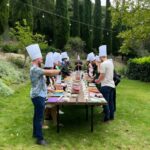
What makes it genuinely different is the setting and the pace: you’re not cooking in a commercial kitchen, you’re cooking where the family hosts guests. The focus stays on local ingredients, simple technique, and sustainable habits, and you’ll leave with a recipe book to recreate the flavors later.
In This Review
- Key highlights to know before you go
- Where this Tuscan cooking class really happens
- What you actually cook: pasta, sauces, and tiramisu
- Fresh pasta
- Traditional sauces
- Tiramisu
- The flow of the day: cooking time plus real downtime
- The country-hotel perks you should use, not ignore
- Wine with the meal
- Lunch
- Panoramic gardens
- Swimming pool access
- Meet Oscar and Pasquale: why the teaching feels personal
- Price and value: what $141 really buys you
- Who should book this cooking class in Tuscany
- Book it if you:
- Skip or compare if you:
- Should you book this Tuscany medieval village cooking class?
- FAQ
- How long is the cooking class?
- What will I learn to cook?
- Is wine and lunch included?
- Is there pool access?
- Do I get a transfer from Figline Valdarno station?
- What language is the instructor?
- What is the cancellation policy?
Key highlights to know before you go
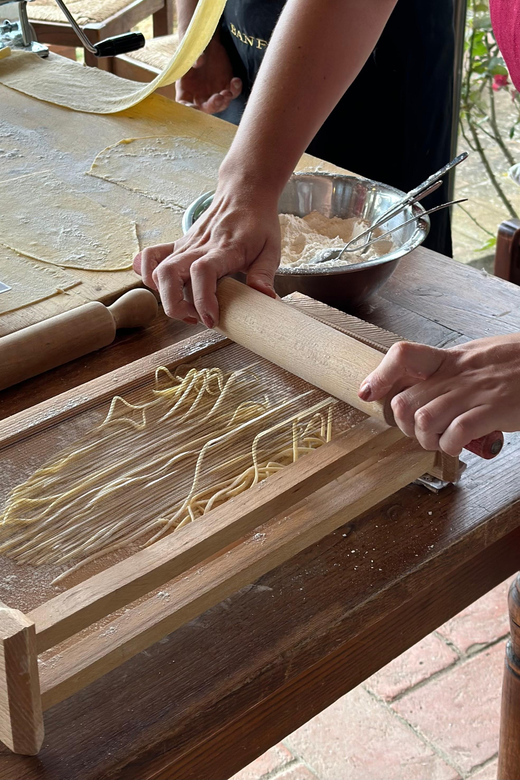
- Fresh pasta making in a small, hands-on setting (not a watch-and-wait demo)
- Tiramisu plus traditional sauces using local products
- A real countryside host setup: wine, lunch, gardens, and pool access
- English instruction with a chef-led course designed for practical learning
- A medieval village setting with an obvious “slow down” vibe built in
Where this Tuscan cooking class really happens
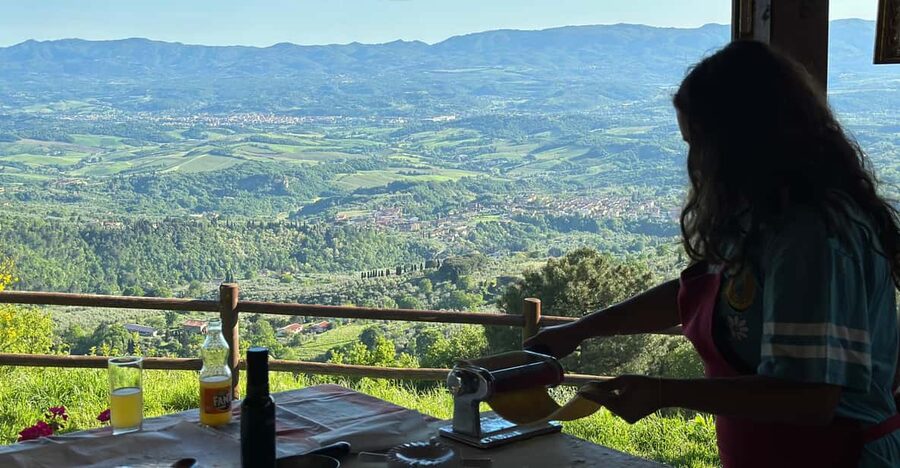
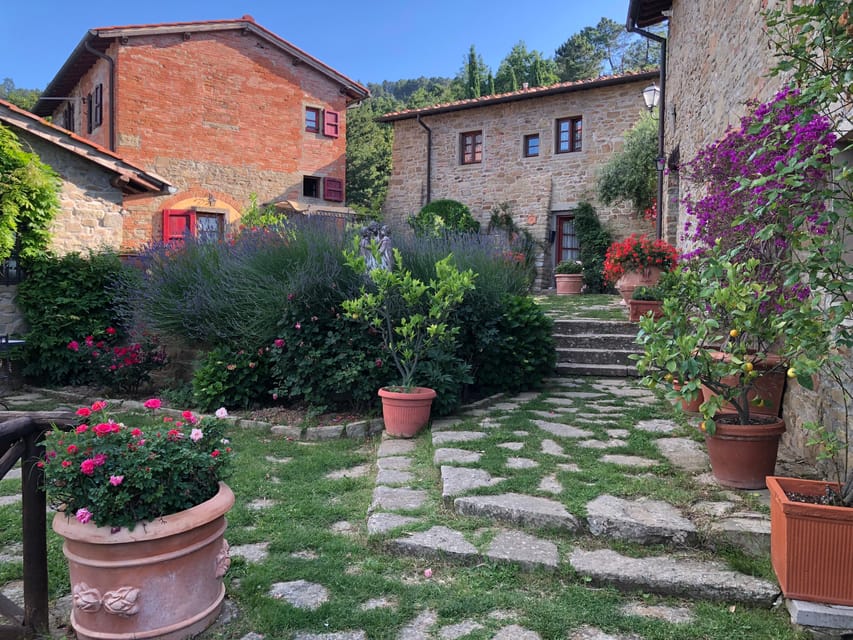
The biggest difference here is not the menu. It’s the address. This cooking class is set in a medieval village in the Tuscany countryside, not a modern studio, and that changes how the whole experience feels.
You start by getting to the property area via transfer from Figline Valdarno train station and back. That matters because it keeps the day smooth: you can base yourself around Florence, take the train, and still spend your time cooking and eating instead of solving transport puzzles.
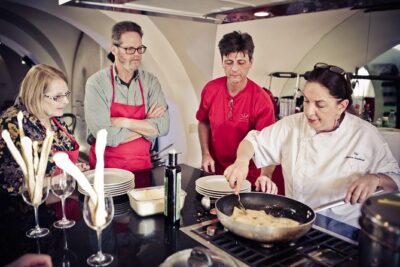
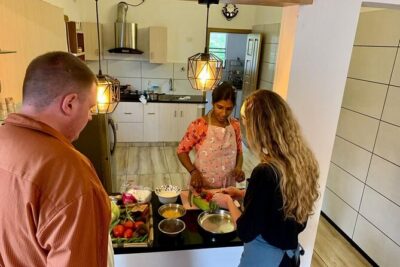
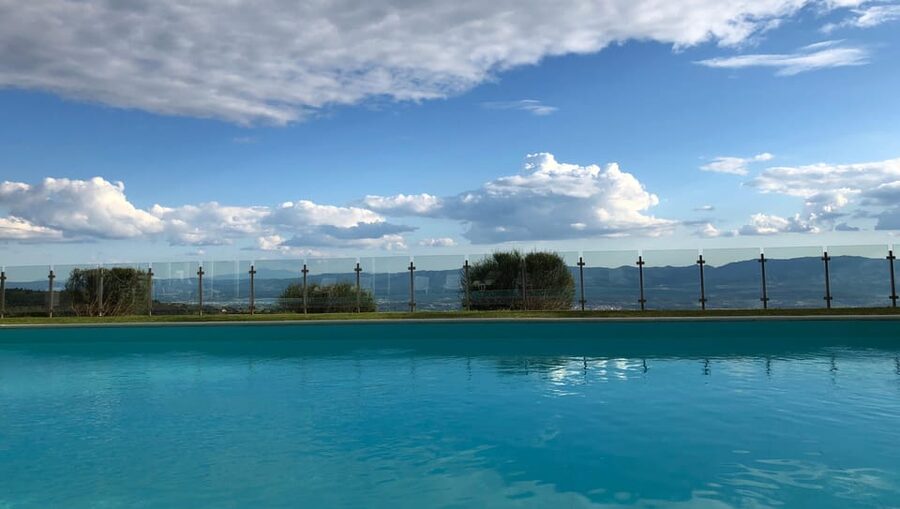
When you arrive, you’ll meet in front of the restaurant. From there, the day unfolds like you’ve been invited to a family property, not like you’re part of a mass group tour. You’ll cook, you’ll eat, then you’ll have time to relax in the space around you—especially the panoramic gardens and the village pool.
That “country hotel in miniature” feel is one of the quiet selling points. Even though the cooking class is only part of the total 3 hours, you still get the comforts that make the meal feel like a proper experience, not a rushed stop.
You can also read our reviews of more tours and experiences in Italy.
What you actually cook: pasta, sauces, and tiramisu
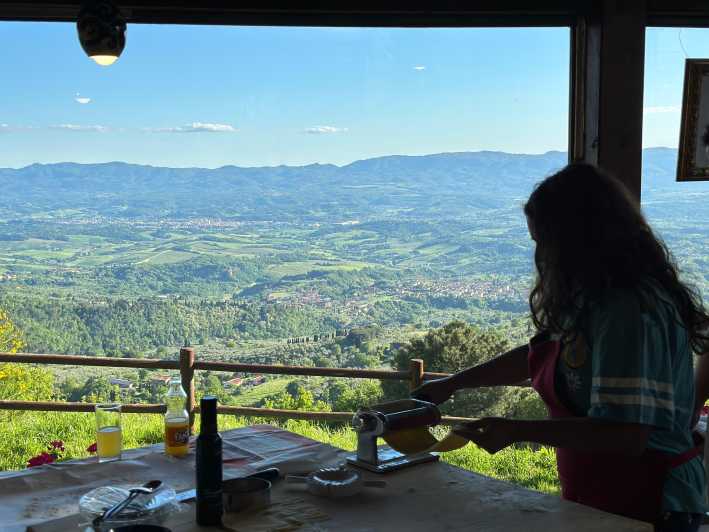
This class is built around three food pillars you can’t easily fake at home: fresh pasta, traditional sauces, and tiramisu.
Fresh pasta
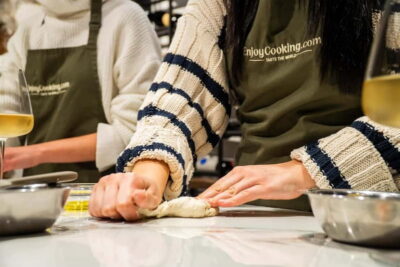
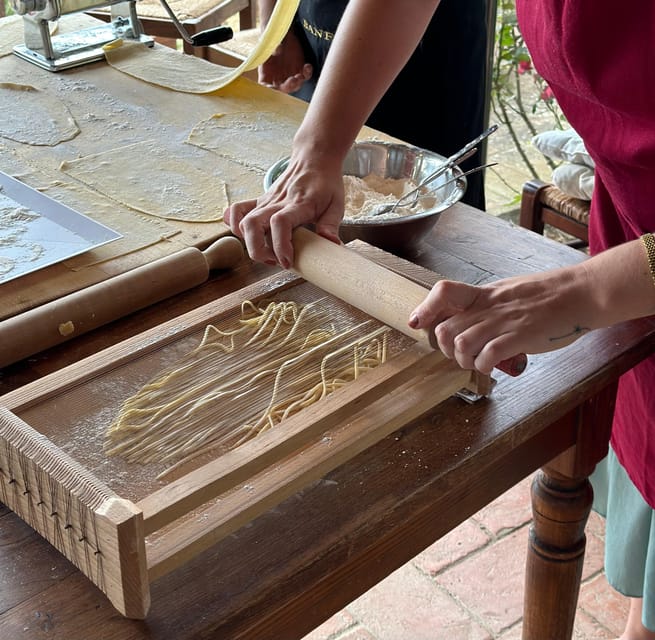
Expect true pasta work: shaping and handling dough until it’s the right texture and thickness for cooking. The point isn’t just to copy a final form. You learn what the dough should feel like, and what changes when you add technique instead of shortcuts.
This is where many cooking classes lose you. Here, the instruction is designed to make the steps logical: you’ll understand the flow from dough to cooking so you can reproduce it later.
Traditional sauces
Then comes the sauces—simple but not boring. The class emphasizes using high-quality local products and keeping the flavor built on good ingredients rather than complicated tricks. In Tuscany, sauce is identity, so learning how it’s made here helps you understand what you’ve been eating when you order pasta in restaurants.
Tiramisu
Finally, you make tiramisu, the dessert that always sounds easy until you try to balance it. The class approach is practical: you learn how to assemble it so the textures make sense when it’s served.
If you like the idea of leaving with food you can recreate (not only photos), this trio is a strong match. Fresh pasta plus sauce plus tiramisu covers a full “Italian meal arc,” from starter to sweet.
The flow of the day: cooking time plus real downtime
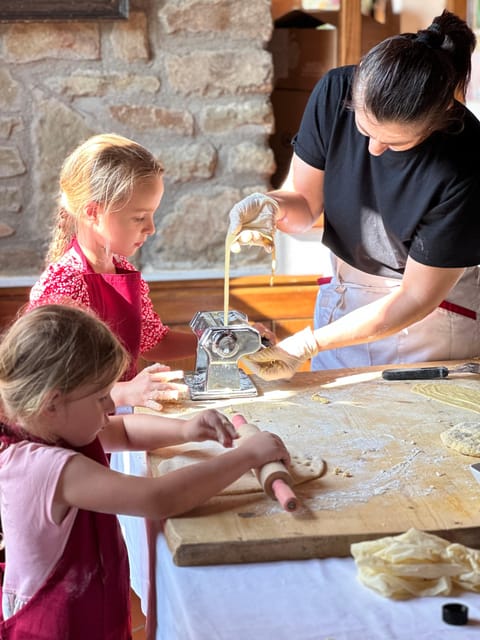
The experience is listed as 3 hours total, with a 2-hour cooking class, and that structure shapes how you should plan your mindset.
You’ll spend the core of the time cooking, and the rest is built around eating and unwinding. There’s wine included, and lunch is included too, so you’re not scrambling afterward to find food plans.
What’s especially useful to you as a planner: you’ll likely have some time between cooking and sitting down to eat. This is a common rhythm in family-run countryside operations. It’s not a problem, but it means you’ll enjoy the day more if you come prepared to wait a little without getting restless.
My practical tip: bring a swimsuit so you can use the pool access when it’s available, and consider something low-effort for downtime (a small card game or quiet reading). You’ll get the most out of a relaxed schedule when you’re ready for it.
The country-hotel perks you should use, not ignore
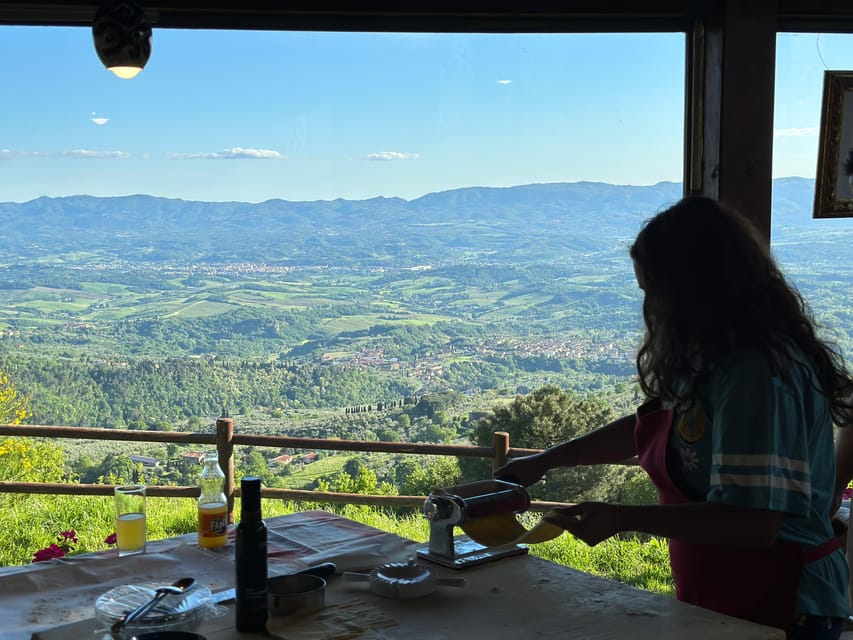
A lot of cooking classes stop at the table. This one adds the extra comforts that make the food feel like part of a stay.
Wine with the meal
Wine is included, and that’s not just a bonus. It helps anchor the lunch as a proper sit-down meal, tied to the region’s dining culture. In a course like this, wine also encourages you to slow down enough to taste what you made.
Lunch
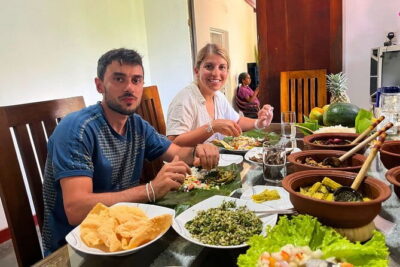
Lunch is included. That sounds obvious, but it affects value because you’re not paying extra for an additional meal later. You also get to eat what you cooked, which is the fastest way to judge whether the steps made sense.
Panoramic gardens
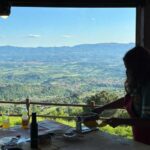
The gardens give you a chance to reset your brain after flour hands and sauce smells. It’s a nice break that turns a class into an experience.
Swimming pool access
The pool is listed as included. If the weather is warm (and Tuscany often is in the travel seasons when people go), you’ll be grateful it’s on-site and not something you need to fit in later.
If you’re the kind of traveler who likes mixing “activity time” with “real rest,” these add-ons are part of why this is priced like more than a standard pasta workshop.
Meet Oscar and Pasquale: why the teaching feels personal
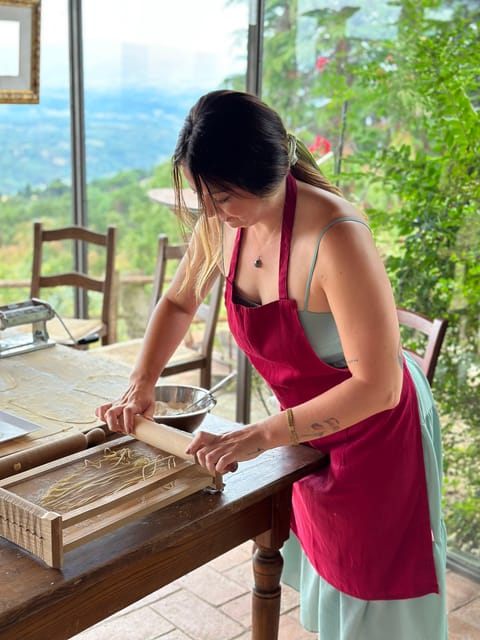
The experience is described with an instructor-led format in English, and from the way it’s talked about, the teaching comes from people who actually host guests.
Oscar shows up as the named instructor in the experience notes, and Pasquale also appears as part of the team. That matters because it usually correlates with one big thing: continuity. You’re not getting bounced among staff or shuffled to a generic script.
You should also expect an intimate setting. The class works best when the chef can see your dough, your technique, and your pace. That’s why small-group formats are worth paying for: it’s easier to get feedback on the parts that actually matter.
If you’ve done cooking classes that feel like a factory line, this is the opposite. You’re learning technique with attention, which is what makes the food feel like yours afterward.
Price and value: what $141 really buys you
At $141 per person, this isn’t a budget cooking class. But it’s also not priced like a fancy multi-day food tour.
Here’s where the value comes from:
- You get a full meal: lunch is included, plus wine.
- You get more than cooking: you also have swimming pool access and garden time.
- You get transportation support: transfer from Figline Valdarno train station and back is included.
- You get take-home materials: a recipe book is included.
- You learn core Italian basics: fresh pasta, sauces, and tiramisu are skills that translate to home cooking.
So the question isn’t only whether the class costs $141. The question is whether you’re paying for an experience that replaces several other expenses and adds real local atmosphere.
For me, it makes sense if you’re already planning to train into the Florence area and you want one high-quality Tuscan day that feels authentic. It’s less convincing if you only want a short hands-on snack and don’t care about wine, lunch, or the rural setting.
Who should book this cooking class in Tuscany
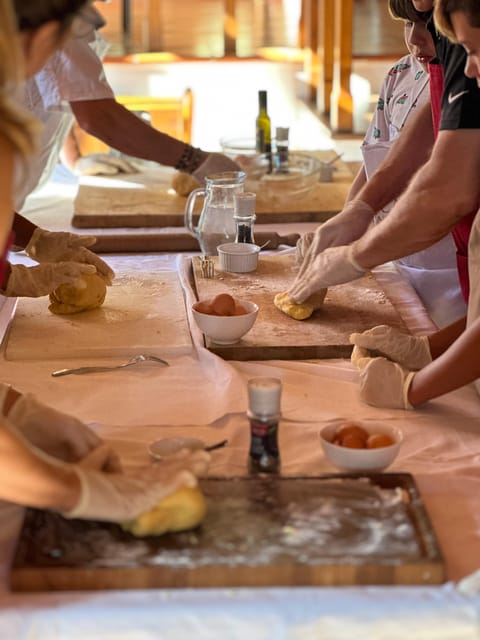
This works best for you if you want a balance of hands-on learning and an actual place to relax.
Book it if you:
- Want a Tuscany cooking class that feels like countryside hospitality, not a staged event
- Enjoy learning techniques you can repeat, especially fresh pasta
- Like dining experiences where lunch is part of the program, not an afterthought
- Prefer a smaller, more personal class format with English instruction
Skip or compare if you:
- Need a tightly timed schedule with no downtime built in
- Hate the idea of waiting around a bit during transitions (like moving from cooking to lunch)
One more note worth keeping in your planning: this is a family-run property. That can be wonderful—warm and attentive—but in the real world, family emergencies can affect operations. If you’re traveling on a “must-do no matter what” timetable, build a little flexibility into your day.
Should you book this Tuscany medieval village cooking class?
If your goal is a practical, feel-good Tuscan day—where you make fresh pasta, understand how traditional sauces work, and finish with tiramisu—I think this is a strong choice.
Book it if:
- You value local ingredients and sustainable-minded cooking
- You want lunch + wine included (so the day feels complete)
- You’re excited about the setting: medieval village, gardens, and pool access
Hold back or compare if:
- You’re very schedule-sensitive
- You only want the cooking part and won’t use the included relaxation time
My bottom line: for the price, you’re buying more than a recipe. You’re buying a day in rural Tuscany that starts with hands-on cooking and ends with you fed, relaxed, and able to recreate the flavors back home.
FAQ
How long is the cooking class?
The experience lasts 3 hours total, including a 2-hour cooking class.
What will I learn to cook?
You’ll learn to make fresh pasta, traditional sauces, and tiramisu.
Is wine and lunch included?
Yes. Wine is included, and lunch is included as part of the experience.
Is there pool access?
Yes. Swimming pool access is included.
Do I get a transfer from Figline Valdarno station?
Yes. Transfer from Figline Valdarno train station and back is included.
What language is the instructor?
The instructor teaches in English.
What is the cancellation policy?
You can cancel up to 24 hours in advance for a full refund.